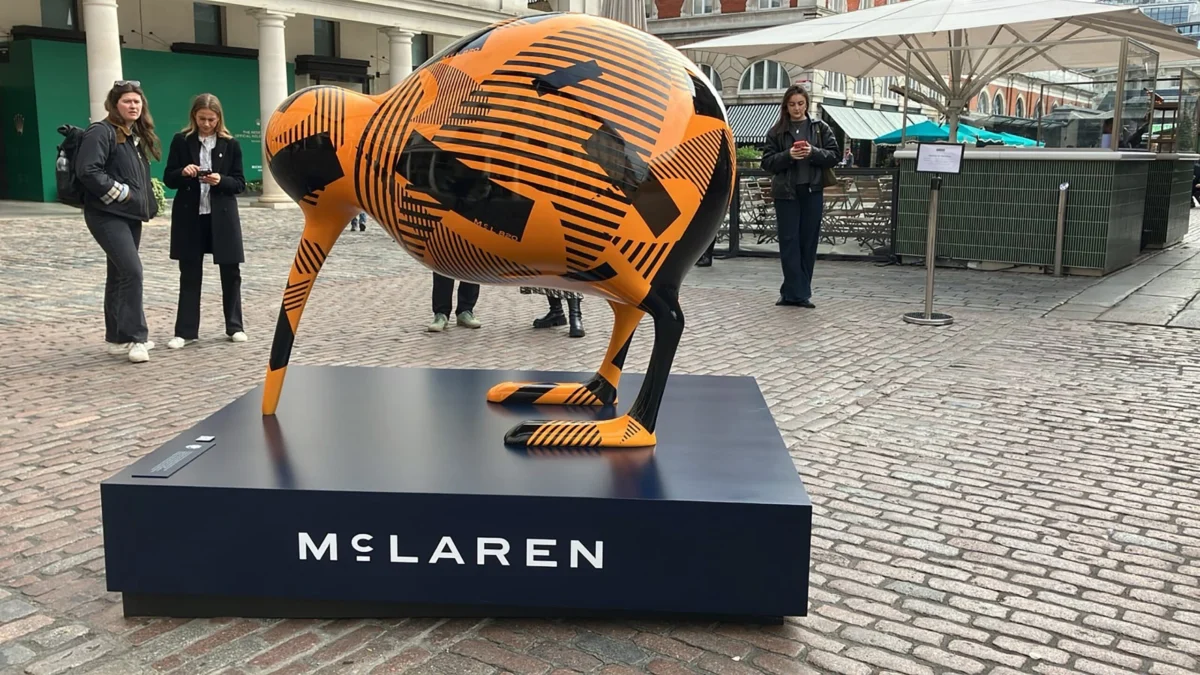
In an era where supercar manufacturers often utilize high-security proving grounds and camouflaged prototypes to mask their future product pipelines, McLaren Automotive appears to have taken a distinctly unconventional route. During a recent promotional activation in London, the Woking-based manufacturer showcased a large-scale, kiwi-shaped sculpture—a poignant tribute to founder Bruce McLaren’s New Zealand heritage. However, it was not the artistic tribute that captured the attention of industry analysts, but rather a cryptic marking on the side of the installation: "McL 820."
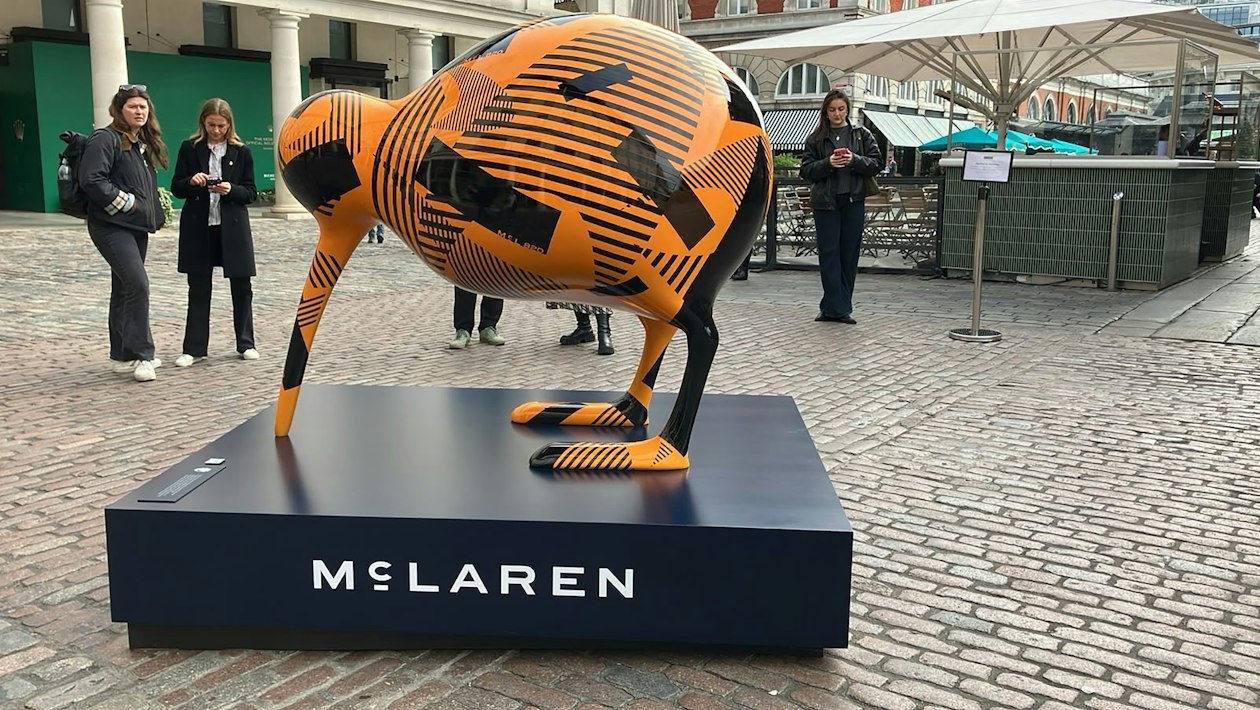
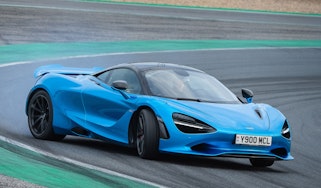
This subtle, almost incidental, branding has sparked intense speculation that McLaren is preparing to transition from its current naming conventions toward a new nomenclature for its next-generation series production models. If the alphanumeric sequence follows the established logic of the brand’s previous vehicles, the "820" serves as a direct reference to the car’s output, specifically 820PS (approximately 809bhp). Should this prove accurate, the forthcoming vehicle will mark a significant performance leap over its predecessor, the 750S, which currently sits at a peak of 740bhp.
The Evolution of McLaren’s Performance Hierarchy
To understand the weight of the "McL 820" designation, one must examine the trajectory of McLaren’s core lineup. The 750S was introduced as the definitive evolution of the 720S, refining the aerodynamics, power delivery, and driver engagement that defined the Super Series. With 740bhp on tap, the 750S pushed the limits of the existing platform.

The transition to an 820PS architecture represents more than just a marginal increase in power; it signals a fundamental shift in powertrain technology. As the automotive industry pivots toward electrification, McLaren has been vocal about its intention to integrate hybrid technology across its future portfolio. The 820PS figure likely reflects a sophisticated, next-generation hybrid setup designed to optimize both thermal efficiency and low-end torque, effectively replacing the current V8-centric hierarchy with a more potent, electrified powertrain.
A New Era: The 6GT and Beyond
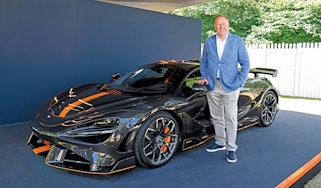
The introduction of the "McL 820" moniker arrives in the wake of the McL 6GT concept, which was unveiled earlier this year in the United States. While the 6GT is expected to emerge as a low-volume, heritage-focused vehicle—complete with the brand’s first modern manual transmission—the McL 820 is positioned as a volume-driven, mass-production supercar.

This dual-track strategy reflects a broader corporate evolution. While the 6GT serves to satisfy the brand’s most traditional enthusiasts, the McL 820 is designed to serve as the technological spearhead for the firm’s standard production fleet. By maintaining a separation between niche, analog-focused models and high-performance, cutting-edge hybrids, McLaren aims to broaden its market appeal while safeguarding its reputation for technical innovation.
Chronology of McLaren’s Strategic Pivot
The path to the potential 820-series model has been paved by several significant corporate milestones over the past 24 months:
- Mid-2025: Following a period of fluctuating global sales, McLaren’s Abu Dhabi-based ownership group confirmed a significant capital injection. This investment was earmarked for structural improvements, including the development of in-house engine manufacturing capabilities.
- Early 2026: Reports surfaced regarding a "Project 8" initiative, aimed at streamlining production and increasing the brand’s total volume output.
- Mid-2026: McLaren officially confirmed plans for a high-performance SUV, a move designed to act as a "cash cow" for the brand, providing the necessary liquidity to fund the R&D for next-generation sports cars like the McL 820.
- October 2026: The London exhibition featuring the kiwi sculpture and the "McL 820" identifier acts as the first public, albeit cryptic, confirmation of the new naming convention.
Financial and Operational Implications
The development of the McL 820 is occurring against a backdrop of significant internal restructuring. With a £500 million investment intended to triple the manufacturer’s volume, the pressure on the engineering team to produce a commercially viable and technologically superior flagship is immense.
Historically, McLaren’s naming conventions were dictated by horsepower figures (e.g., 570S, 720S, 750S). However, the inclusion of the "McL" prefix suggests a rebranding effort. This could indicate a desire to move away from purely numerical designations toward a more cohesive "McL" family identity. This branding shift is likely intended to make the company’s product hierarchy more accessible to a broader, global customer base, particularly in emerging markets where the previous, more clinical naming structures were sometimes seen as overly technical.

Technical Analysis: Power and Chassis Integration
While official specifications remain under wraps, automotive engineers suggest that an 820PS output will necessitate a chassis overhaul. The current MonoCage II and III structures have served the brand well, but the added weight of hybrid batteries and electric motors requires a lighter, more rigid carbon-fiber monocoque.
Experts anticipate that the McL 820 will likely feature a new iteration of the brand’s active chassis control, potentially moving toward a 48-volt architecture to manage the increased power-to-weight ratio. Furthermore, the incorporation of regenerative braking and advanced thermal management systems will be critical to ensuring that the vehicle can sustain its performance on both road and track without the heat soak issues that have plagued earlier hybrid supercars.
Industry Reaction and Future Outlook
Market analysts view the "McL 820" reveal as a calculated maneuver. By teasing the name through an art installation rather than a formal press conference, McLaren has managed to generate significant organic engagement without the commitment of a full product launch.
"The industry is currently in a state of flux," says one lead analyst for a global automotive consultancy. "Brands that can balance their racing heritage with modern environmental regulations are the ones that will thrive. If McLaren can successfully deliver an 820PS hybrid that maintains the tactile, visceral experience of the 750S, they will be in a strong position to reclaim the top spot in the supercar segment."
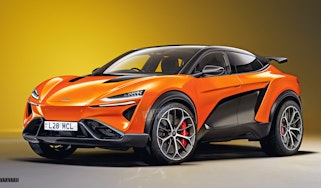
Despite the optimism, the road ahead is not without challenges. The luxury automotive sector is facing increased competition from EV-first manufacturers and legacy rivals who are also aggressively pursuing high-performance hybrid technology. McLaren must ensure that the McL 820 is not only fast but also reliable, addressing previous quality control concerns that have historically impacted the brand’s resale values.
The Path to 2027 and Beyond
As the 750S enters its final production cycle—with the last units currently being allocated to collectors—the anticipation for the McL 820 is expected to build. The company has already indicated that it plans to create 1,000 new jobs in the UK, a testament to the scale of the production expansion required to bring this new generation to market.
For the loyal McLaren customer base, the transition represents a bridge between the company’s storied past and its future. The "McL" prefix on the sculpture in London may be a small detail, but it serves as a bold signifier of a brand in transition. As the 820PS figure suggests, the next chapter for the Woking firm will be defined by an uncompromising pursuit of power, a commitment to hybrid innovation, and a desire to redefine what a modern supercar can achieve in an increasingly regulated world.
The coming months will likely see further teasers as the company begins the final testing phase of the platform. For now, the "giant kiwi" in London stands as the most significant, albeit unexpected, clue to the future of one of Britain’s most iconic performance brands. Whether or not the final production vehicle carries the 820 moniker, the industry now has a clear performance target to watch, and a definitive timeline for when the next generation of McLaren supremacy will arrive.