In the bustling urban sprawl of Calabar, located in Nigeria’s southern Cross River state, the rhythm of agricultural life has been profoundly disrupted. For 33-year-old farmer Enono Koka, the morning of early October was meant to be a productive harvest. Instead, she stood amidst a patch of thin, struggling waterleaf plants, surveying the remnants of a season defined by climatic extremes. Like many smallholder farmers across the region, Koka’s primary source of income and nutrition has been decimated by an unseasonable and persistent deluge that transformed fertile soil into waterlogged marshlands. This local tragedy is part of a broader, unfolding environmental crisis, as shifting precipitation patterns threaten one of Nigeria’s most culturally and nutritionally significant vegetable crops.
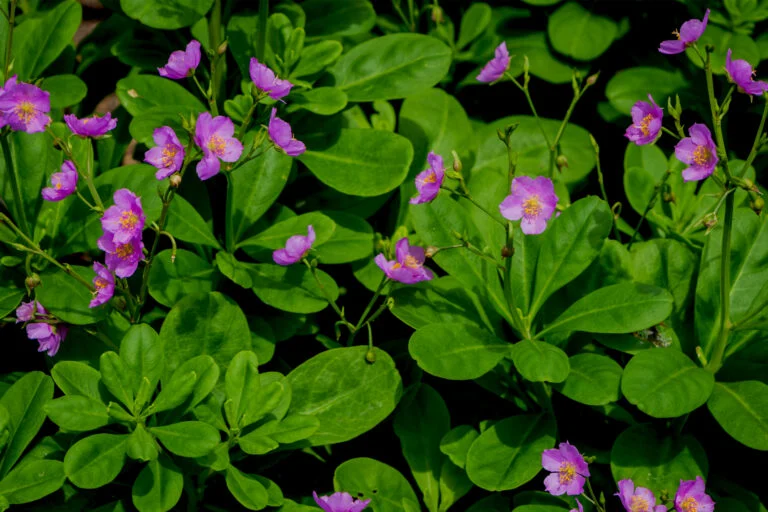
Waterleaf (Talinum fruticosum), a resilient and succulent green, has long been a staple in the Nigerian diet. Prized for its versatility and health benefits, it serves as a foundational ingredient in iconic dishes such as edikang ikong and afang soups. However, the delicate balance required to cultivate this crop is being undone by erratic rainfall—a phenomenon that is becoming the new normal for West Africa’s coastal zones.

A Chronology of Climatic Instability
The challenges facing waterleaf production did not emerge overnight; they are the result of a multi-year trend of increasingly unpredictable weather. Historically, Nigeria’s agricultural calendar has been anchored by two distinct seasons: a wet season, spanning from April to October, and a dry season characterized by high humidity and heat. For generations, this predictability allowed farmers to manage their planting cycles with confidence.
However, recent data points to a disturbing deviation. Between 1981 and 2022, studies have noted a clear decline in rainfall in northern regions, such as the capital city of Abuja, while southern coastal areas like Lagos and Calabar have experienced an intensification of rainfall. The year 2022 served as a stark turning point, when heavy rains, exacerbated by the release of water from the Lagdo Dam in Cameroon, triggered massive flooding that devastated over 569,000 hectares of cropland nationwide.
The situation worsened significantly in 2024. According to data from the Food and Agriculture Organization (FAO), the floods that year swept through 29 of Nigeria’s 36 states, engulfing nearly 1 million hectares of farmland. For waterleaf farmers, these flooding events have resulted in a cumulative loss of soil health, as stagnant water prevents root oxygenation and promotes the growth of invasive weeds, effectively choking the life out of newly planted stem cuttings.

The Science of Stress: Drought vs. Waterlogging
To understand the physiological limits of waterleaf, a multi-national research team conducted a controlled study from September 2024 to July 2025. The findings, published in the journal Crops this past September, provide a sobering look at how this vegetable responds to environmental pressure.
The research compared plant performance under two extremes: acute drought and heavy water saturation. The results revealed that while waterleaf is relatively tolerant, its productivity is severely compromised under both scenarios. Notably, the study found that leaf area declined 1.9-fold under waterlogging, but a staggering 3.8-fold under drought conditions. Efoo Bawa Nutsukpo, a lead scientist on the project, noted that photosynthesis—the engine of plant growth—was significantly hampered in both cases, with drought causing the most severe metabolic damage.
This dual threat creates a "scissor effect" for farmers. In the rainy season, crops drown; in the dry season, the lack of irrigation and extreme heat causes them to wither. As 65-year-old farmer Joy David Okon observed, the cycle of extreme weather means that even with the application of manure or fertilizers, the plants lack the stability to thrive, often resulting in "scanty" and stunted yields.

Economic Ripples and Market Volatility
The collapse of waterleaf production is not merely an agricultural concern; it is a profound economic issue. Because waterleaf is an essential component of local cuisine, its scarcity has triggered a ripple effect throughout the market. Vendors and restaurant owners are struggling to keep up with the volatility.
Anthony, a market vendor in Calabar, illustrates the plight of the retail sector. Where he once earned 60,000 naira ($45) on a typical weekend, he now finds himself in debt, unable to move stock that is either too expensive for the average consumer or prone to rot before it can be sold. His experience is echoed across the country. Consumers who once relied on waterleaf as an affordable source of vitamins are now forced to pay premium prices for meager portions, or abandon traditional recipes altogether.
Restaurateurs, such as Margaret Ibok, face an even more difficult dilemma. With waterleaf being a non-substitutable ingredient for local soups, owners are forced to absorb the costs of raw materials that have seen price increases of over 150%. This surge in input costs, combined with a broader national food inflation rate that rose from 8.9% in January to 19.6% this year, has placed many small-scale food enterprises on the brink of closure.

Furthermore, the global energy crisis has compounded these local pressures. A 65% increase in fuel prices in Nigeria since February has made the transportation of goods from farms to markets prohibitively expensive. When combined with the loss of yield, the result is a perfect storm of food insecurity and economic hardship for the farming communities that constitute 80% of Nigeria’s agricultural workforce.
The Path Forward: Innovation and Adaptation
While the current outlook appears bleak, agricultural experts argue that the situation is not irreversible. Addressing the crisis requires a shift in how Nigeria approaches smallholder farming.
- Infrastructure and Drainage: For many, the immediate solution lies in low-tech interventions. Experts like Nutsukpo suggest that by improving drainage systems and implementing raised-bed planting techniques, farmers can mitigate the impact of temporary flooding.
- Controlled Environment Agriculture (CEA): On a more advanced scale, greenhouse-based, soilless systems offer a way to shield crops from the vagaries of the climate. However, the high capital expenditure required for such systems remains a barrier for most, limiting their adoption to large-scale commercial entities.
- Climate-Smart Forecasting: While the Nigerian Meteorological Agency (NiMet) has ramped up early-warning systems, the gap between data dissemination and on-the-ground implementation remains wide. Bridging this gap is essential for farmers who need actionable advice on when to plant and when to pause.
Despite these potential pathways, the human cost remains deeply personal. Farmers like Enono Koka are currently choosing to remain idle, waiting for the rains to cease completely before risking their limited resources on another planting cycle. The uncertainty of when that cycle will stabilize is a testament to the volatility of the current climate era.

Broader Implications for Food Security
The crisis of the waterleaf is a microcosm of the larger challenges facing Nigerian agriculture in the 21st century. As coastal areas face rising water levels and inland areas grapple with desertification and heat, the traditional agricultural model is being pushed to its limit.
Waterleaf, often dismissed as a mere "weed," is in fact a vital indicator species for the health of Nigeria’s food system. When the waterleaf fails, it signals that the small-scale, decentralized farming networks that sustain the nation are under siege. Addressing the needs of these farmers—through better access to credit, climate-resilient farming techniques, and improved market infrastructure—is not just an issue of agricultural policy; it is a fundamental requirement for maintaining the nutritional and cultural fabric of the nation.
As the country looks toward the next planting season, the lesson from the marshes of Calabar is clear: the climate is no longer a backdrop to agriculture, but a primary, often hostile, participant. The resilience of the Nigerian farmer is well-documented, but in the face of such rapid environmental shifts, resilience alone is no longer enough. Without structural support and a concerted effort to adapt to the "new normal" of weather patterns, the future of this beloved green—and the livelihoods of those who grow it—remains precariously suspended.