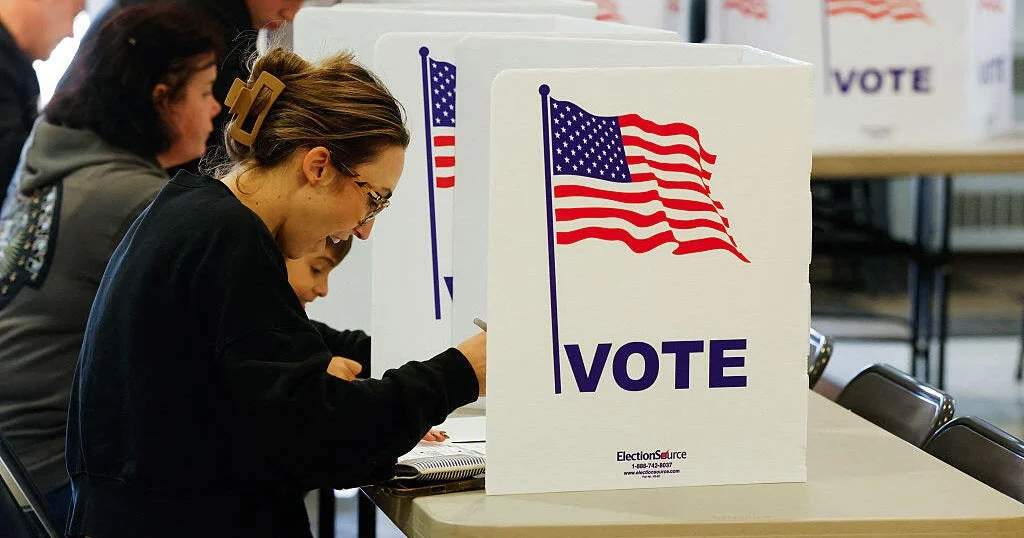
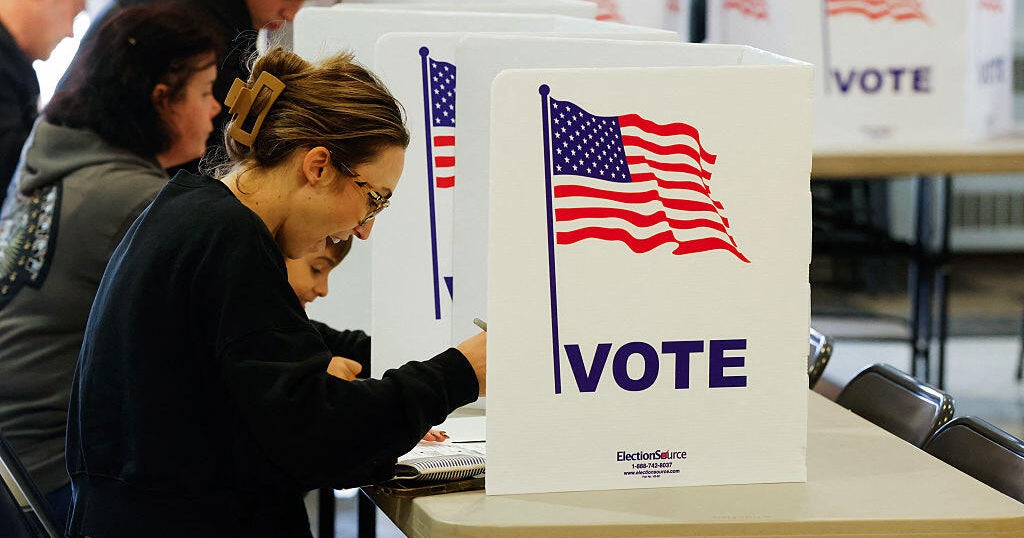
As millions of Americans cast their ballots across the country in the highly anticipated 2026 midterm elections, voters face a combination of high economic pressures, polling place logistical disruptions, weather-related emergencies, and intense partisan battles for control of Congress. The electoral landscape on Tuesday is being shaped by historic voter turnout, unprecedented deployments of federal election monitors, and legal skirmishes reaching the highest levels of the judiciary.
Voting Disruptions, Extensions, and Technical Issues
The North Carolina Board of Elections announced following an emergency session that it is extending voting hours at five precincts across four counties—Columbus, Hertford, Lenoir, and Wilson—due to interruptions in voting during Election Day. In accordance with state law, which empowers the board to extend hours at sites experiencing disruptions lasting 15 minutes or longer, the adjustment means statewide results will be posted 45 minutes later than scheduled, at approximately 8:15 p.m. ET. State election officials noted that with roughly 2,625 polling places statewide, minor issues causing brief delays are not unusual.
Technical and logistical challenges have surfaced in other states as well. In Westchester County, New York, a programming issue paralyzed ballot scanners at the majority of polling sites when polls opened at 6 a.m. The New York State Board of Elections explained that a late programming change for a municipal race was never loaded onto Election Day machines elsewhere in the county, causing scanners to reject unrecognized ballots rather than mis-tabulate them. Voters were directed to emergency ballot procedures using secure boxes, while state and county officials worked to restore scanning capabilities. Both Republican incumbent Rep. Mike Lawler and Democratic challenger Cait Conley urged voters to remain in line.
Meanwhile, Fulton County, Georgia—the state’s most populous county, encompassing Atlanta—reported separate ballot machine issues affecting two polling locations and approximately 1,000 early-voting ballots, stemming from paper jams and power issues. County officials proposed rescanning affected physical ballots in public view following an evening board meeting, while Georgia Secretary of State Brad Raffensperger stated he did not expect the glitches to delay overall results. Fulton County election officials also issued urgent warnings regarding unauthorized text messages falsely claiming polling place changes, advising voters to verify details via official channels amid a climate of heightened security scrutiny.
Compounding Election Day hurdles, severe weather struck parts of Florida, where a rare "1,000-year" rainfall event brought severe flooding to southwestern coastal areas. In St. Lucie County, the supervisor of elections temporarily relocated several precincts due to flooded road access, with emergency personnel continuously evaluating site functionality as heavy rains persisted.
Economic Realities and Key Legislative Battles
The backdrop of the 2026 midterms is heavily influenced by economic anxieties, most notably record-high fuel costs. According to data from AAA, gas prices on Tuesday averaged $4.15 per gallon, marking the highest average ever recorded on an Election Day in U.S. history. This surpasses the previous record of $3.80 set during the 2022 midterms and stands significantly higher than the $3.10 average seen during the 2024 presidential election.
These economic pressures have fueled fierce competition for control of the House of Representatives and the Senate. Current data indicates that control of the House hinges on approximately 47 competitive battleground districts, where Republicans currently defend a razor-thin majority of 218 seats (plus one caucusing independent) against 214 Democratic seats. House Speaker Mike Johnson expressed strong optimism during final campaign stops, declaring that "the polls are wrong" and predicting a repeat of the 2024 electoral sweep.
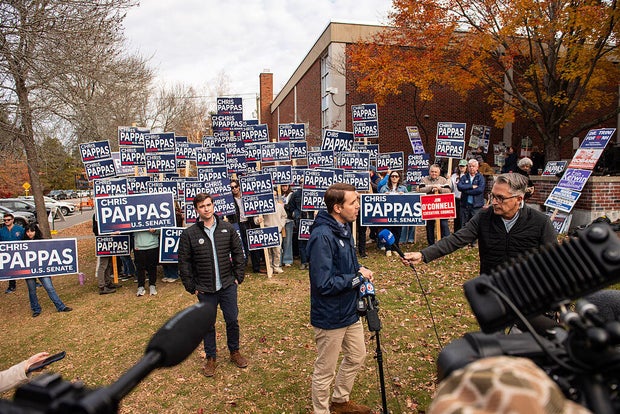
In the Senate, where Republicans hold a 53-47 majority, 11 key races across the country are capturing national attention:
- Michigan: The open U.S. Senate seat vacated following primary victories by Democrat Abdul El-Sayed and Republican Mike Rogers has seen intense turbulence. A late weekend endorsement of Rogers by Democratic Rep. Haley Stevens—following a bitter intra-party rift over U.S. aid to Israel—rocked the contest. While Rogers praised Stevens’ "courage," Democratic allies like Rep. Debbie Dingell argued the move backfired by galvanizing El-Sayed’s base. Simultaneously, President Trump took to social media to heavily criticize El-Sayed, while early-voting turnout in Michigan reached nearly 33% of active registered voters by 7 a.m. Tuesday.
- Texas: A high-spending, closely watched Senate race pits progressive Democrat James Talarico against Republican Ken Paxton. The campaign has heavily targeted Hispanic voters—who make up over 30% of the state’s eligible electorate—with Democrats hoping to capitalize on immigration and economic frustrations, while Republicans push back on affordability messaging.
- Maine: Five-term Republican incumbent Sen. Susan Collins faces a tough challenge from Democrat Troy Jackson. Dismissing trailing polls, Collins pointed to her 2020 victory, maintaining that "the only poll that counts is the one on Election Day."
- Kansas, Iowa, Alaska, and Others: In Kansas, Democratic pastor Adam Hamilton aims to unseat GOP Sen. Roger Marshall by running on a platform of bipartisan cooperation. In Iowa, Democratic Senate candidate Josh Turek is challenging GOP Rep. Ashley Hinson. Meanwhile, Alaska’s Senate race continues to draw scrutiny due to its ranked-choice voting system and the presence of a candidate sharing the name of incumbent Republican Sen. Dan Sullivan.
Legal Battles, DOJ Monitoring, and Security Incidents
The lead-up to Election Day saw extraordinary legal maneuvers regarding ballot integrity and federal oversight. In a historic move, the Department of Justice deployed approximately 1,000 election monitors and observers across all 50 states to ensure compliance with federal voting rights laws, including the Voting Rights Act and the Help America Vote Act. Civil Rights Division head Harmeet Dhillon praised the effort as the largest monitoring initiative in DOJ history. However, the presence of DOJ monitors drew friction in Michigan and New Mexico, where local secretaries of state questioned monitors regarding unusual questioning of poll workers and voters; federal officials subsequently addressed and resolved the concerns.
Concurrently, a major legal showdown unfolded regarding the Trump administration’s efforts to compel election officials to separate mail-in ballots cast by alleged noncitizens. The U.S. Supreme Court on Monday rejected a last-ditch DOJ request to require California to set aside ballots from roughly 20,000 individuals flagged as potential noncitizens. Hours earlier, the 9th Circuit Court of Appeals reinstated a decision favoring the Justice Department’s stance in separate appeals concerning California and Washington, creating a complex legal patchwork that left local election workers navigating conflicting judicial signals regarding ballot segregation.
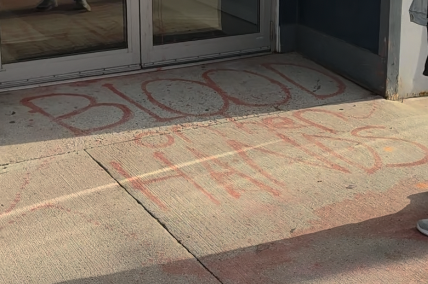
Security and integrity measures were further tested by isolated criminal incidents. In Kansas, federal prosecutors unveiled a grand jury indictment charging U.S. Postal Service worker Kelly Cram with stealing thousands of pieces of mail, including nearly 400 political mailers exclusively targeting Republican candidates and political action committees. In Oklahoma, an FBI affidavit revealed federal charges against Robin Patrick Martin, who allegedly mailed over 700 hoax letters containing nontoxic white powder and UV-ink messages to public officials of both parties ahead of the 2024 and 2026 elections, fueled by grievances over past election outcomes. Additionally, local police in Biddeford, Maine, opened an investigation into vandalism reported outside the office of Senator Susan Collins.
Implications and Election Night Outlook
As polls begin to close across the country, election experts and officials have cautioned the American public that delayed race calls do not indicate foul play or systemic fraud. Due to the high volume of mail-in ballots, close margins in key battleground states and congressional districts, and routine post-election canvassing procedures, final control of Congress may not be immediately clear on election night.
With comprehensive coverage scheduled across major networks and streaming platforms—including specialized data programming and prime-time specials anchored by veteran journalists—voters and analysts alike are monitoring how economic grievances, localized logistical hurdles, and a deeply polarized political climate will ultimately shape the 2026 midterms and set the trajectory for the remainder of the decade.