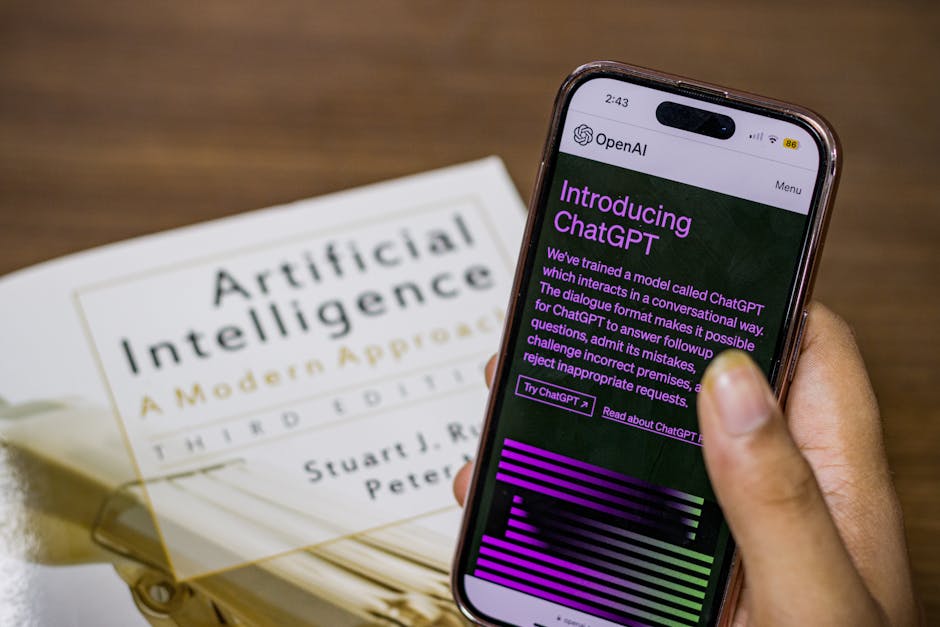
OpenAI Detects Escalating Malicious Use of ChatGPT by Chinese Actors
OpenAI, the artificial intelligence research laboratory and developer of the highly influential ChatGPT model, has identified a concerning trend: an increasing number of Chinese-backed groups are leveraging the powerful language model for malicious purposes. This discovery marks a significant escalation in the ongoing struggle to contain the misuse of advanced AI technologies and highlights the unique challenges posed by state-sponsored or state-tolerated activities. The findings, detailed in internal OpenAI assessments and subsequently disclosed, point to a sophisticated and evolving threat landscape where ChatGPT’s capabilities are being weaponized for disinformation campaigns, sophisticated phishing schemes, and the generation of harmful content at an unprecedented scale and complexity.
The nature of the malicious activities observed is varied, but a common thread is the exploitation of ChatGPT’s ability to generate human-like text, its capacity for rapid content creation, and its versatility across different communication mediums. One primary area of concern involves the proliferation of disinformation. OpenAI’s analysis suggests that these Chinese groups are employing ChatGPT to create and disseminate large volumes of false narratives, propaganda, and misleading content designed to influence public opinion, sow discord, and undermine trust in institutions and governments, particularly in Western democracies. This is not merely about generating factual inaccuracies; it involves crafting persuasive and contextually relevant narratives that are difficult for even discerning audiences to identify as artificial. The AI’s proficiency in mimicking various writing styles and tones allows for the creation of content that can appear authentic and credible, significantly amplifying its reach and impact.
Beyond broad disinformation campaigns, a more targeted and insidious threat emerges in the form of advanced phishing and social engineering attacks. Malicious actors are utilizing ChatGPT to generate highly personalized and convincing phishing emails, messages, and even fake website content. The AI can analyze publicly available information about individuals or organizations to tailor messages that exploit specific vulnerabilities, relationships, or interests. This level of personalization drastically increases the success rate of these attacks, making them harder to detect through traditional signature-based methods. The ability to generate convincing dialogue also aids in more elaborate social engineering schemes, where actors can maintain extended conversations with targets, gradually building trust and extracting sensitive information or prompting them to take detrimental actions. The speed and scale at which these personalized attacks can be mounted using ChatGPT far surpass manual efforts, creating a significant challenge for cybersecurity defenses.
Furthermore, OpenAI’s findings indicate that these actors are not only using the standard capabilities of ChatGPT but are also exploring ways to fine-tune or adapt the model to serve their specific malicious objectives. This could involve training the model on curated datasets of propaganda or misinformation to enhance its output in those specific domains. The underlying infrastructure and resources available to state-backed actors allow for more advanced experimentation and deployment of these customized AI tools, creating a perpetual arms race against defensive measures. The discovery of these more tailored applications underscores the adaptability of malicious actors and their commitment to exploiting AI for strategic advantage.
The geographical focus on Chinese groups is significant due to the perceived nexus between certain malicious online activities and state-sponsored or state-tolerated operations. While OpenAI is careful not to definitively attribute every instance of misuse to a specific government entity, the patterns of activity, the types of narratives being pushed, and the resources involved often point towards actors operating with a degree of state backing or tolerance. This is distinct from independent malicious actors, as state-sponsored groups often possess greater financial resources, technical expertise, and a longer-term strategic vision for their cyber operations. Their objectives can range from geopolitical influence and espionage to economic advantage and the disruption of adversaries.
OpenAI’s response to these findings has been multi-pronged. The company is actively working to enhance its safety systems and detect harmful content generated by its models. This includes developing more sophisticated AI-powered moderation tools, refining content filters, and implementing stricter usage policies. However, the inherent nature of AI models like ChatGPT, which are designed to be broadly capable and generative, presents a persistent challenge. The very features that make these models so powerful for legitimate applications also make them attractive tools for malicious actors. The dynamic nature of AI development means that defensive measures must constantly evolve to keep pace with new attack vectors and AI capabilities.
The attribution of these activities to China raises important geopolitical questions. The sophisticated and coordinated nature of these campaigns suggests a strategic investment in information warfare and cyber operations. The use of advanced AI like ChatGPT amplifies the potential impact and reach of these operations, making them a significant concern for international security and democratic processes. The ability to generate content that is both persuasive and difficult to trace complicates efforts to identify and counter these threats effectively. It also blurs the lines between propaganda and legitimate discourse, making it harder for the public to discern truth from falsehood.
OpenAI’s disclosure is not an isolated incident but part of a broader trend of AI being used for malicious purposes globally. However, the specific focus on Chinese groups in this context highlights the unique challenges presented by state-level actors with significant resources and strategic intent. The implications of these findings extend beyond the immediate cybersecurity threats. They raise fundamental questions about the governance of AI, the responsibility of AI developers, and the need for international cooperation to establish norms and safeguards against the weaponization of artificial intelligence. The ongoing development and deployment of AI technologies necessitate a continuous and collaborative effort to ensure that these powerful tools are used for the benefit of humanity, rather than for its detriment. The battle against AI-enabled malicious activities is a complex and ongoing one, requiring constant vigilance, technological innovation, and a robust understanding of the evolving threat landscape. The detection of increased malicious use of ChatGPT by Chinese groups is a stark reminder of the urgent need for these efforts.
