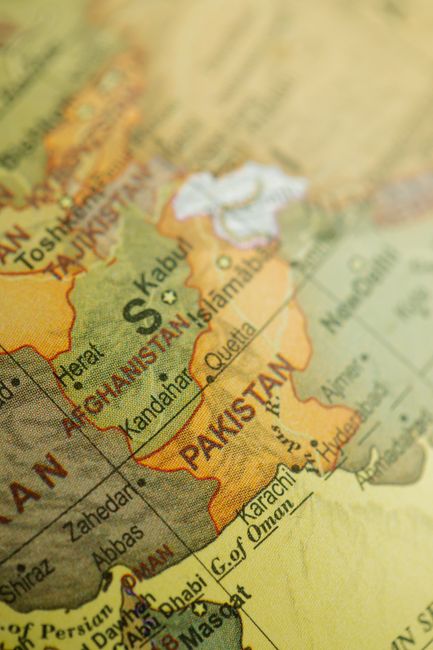
Pakistan Upgrades Diplomatic Ties with Afghanistan: A Strategic Realignment Easing Tensions
The recent upgrade of diplomatic ties between Pakistan and Afghanistan signifies a pivotal moment in their historically complex and often fraught relationship. This strategic recalibration, marked by increased engagement and a stated commitment to de-escalation, aims to address long-standing security concerns, foster regional stability, and unlock economic potential. The decision to elevate the level of diplomatic representation, likely involving the return of ambassadors to their respective posts and potentially a higher caliber of envoys, reflects a mutual recognition that sustained hostility is detrimental to both nations and the broader South Asian region. For Pakistan, this move is driven by a multifaceted calculus: the enduring challenge of cross-border terrorism, the imperative of economic recovery, and the desire to exert a stabilizing influence in a volatile neighborhood. For Afghanistan, under Taliban rule, it represents an opportunity to normalize relations with a key neighbor, gain international legitimacy, and access much-needed economic and humanitarian assistance.
The security dimension remains the most critical driver behind this diplomatic shift. For years, Pakistan has voiced deep concerns regarding militant groups operating from Afghan soil and targeting Pakistani interests. These concerns have historically fueled mistrust and suspicion, leading to border skirmishes and strained diplomatic exchanges. The Taliban’s return to power in Afghanistan in August 2021 presented a new reality, compelling Pakistan to reassess its engagement strategy. Rather than continued antagonism, Islamabad appears to have opted for a more integrated approach, believing that direct engagement and dialogue offer a more effective pathway to addressing its security anxieties. This upgrade in diplomatic ties suggests a willingness on both sides to establish robust communication channels to counter the threat of groups like the Tehrik-i-Taliban Pakistan (TTP) and other transnational extremist organizations. It implies a commitment to intelligence sharing, joint border management mechanisms, and a concerted effort to prevent Afghan territory from being used as a staging ground for attacks against Pakistan. The effectiveness of this renewed security cooperation will be a litmus test for the sustainability of this diplomatic rapprochement.
Economically, the implications of improved Pakistan-Afghanistan relations are substantial. For Pakistan, a stable and cooperative Afghanistan opens avenues for increased trade, transit, and investment. The Afghanistan-Pakistan Transit Trade Agreement (APTTA) has historically been a vital economic lifeline, but its full potential has often been hampered by political instability and security concerns. With the diplomatic upgrade, there is renewed hope for revitalizing this agreement, allowing for greater flow of goods and services between the two countries and, crucially, enabling Afghanistan to access Pakistani ports for its international trade. This, in turn, can lead to increased Pakistani exports to Afghanistan, boosting its own economy. Furthermore, the prospect of regional connectivity projects, such as the Central Asia South Asia (CASA) electricity transmission project and other infrastructure initiatives, becomes more tangible. Pakistan’s strategic location makes it a natural transit hub, and a stable Afghanistan is a prerequisite for realizing these ambitious regional economic integration goals.
The humanitarian aspect also plays a significant role. Afghanistan continues to face a severe humanitarian crisis, exacerbated by years of conflict and economic hardship. Pakistan, as a neighboring country with historical ties and significant Afghan refugee populations, has a vested interest in alleviating this suffering. Improved diplomatic ties facilitate smoother delivery of humanitarian aid, both from Pakistan and through Pakistani territory. This can involve coordinated efforts in providing food, shelter, and medical assistance, ultimately contributing to greater stability within Afghanistan, which in turn benefits Pakistan by reducing refugee flows and fostering a more secure border environment.
The geopolitical context surrounding this diplomatic upgrade cannot be overstated. Pakistan and Afghanistan are situated in a region profoundly impacted by the withdrawal of international forces from Afghanistan and the shifting global power dynamics. For Pakistan, fostering a stable relationship with its western neighbor is crucial for its own regional standing and its ability to navigate the complex geopolitical landscape. A cooperative Afghanistan can contribute to Pakistan’s broader foreign policy objectives, including its engagement with Central Asian nations and its role in promoting regional peace. This diplomatic move can also be seen as an attempt by Pakistan to exert its influence constructively, rather than through proxy engagement, and to prevent external actors from exploiting the instability in Afghanistan for their own strategic gains.
However, the path forward is not without its challenges. Deep-seated mistrust, historical grievances, and the internal complexities of Afghanistan under Taliban rule present formidable obstacles. The international community’s reaction to the Taliban regime remains divided, and Pakistan’s decision to upgrade ties will likely be scrutinized closely. The effectiveness of this diplomatic realignment will hinge on tangible actions and sustained commitment from both sides. For Pakistan, this means consistently advocating for an inclusive Afghan government and respecting Afghanistan’s sovereignty, while for the Taliban, it requires a genuine commitment to addressing Pakistan’s security concerns and preventing the resurgence of terrorist groups.
The issue of border management is a paramount concern. The Durand Line, the disputed border between Pakistan and Afghanistan, has been a persistent source of friction. While the upgrade in diplomatic ties may facilitate more structured discussions on border security, the fundamental issue of its recognition and effective management will require persistent dialogue and cooperation. Enhanced intelligence sharing, coordinated patrols, and joint efforts to curb illegal crossings and smuggling are crucial components of a successful border management strategy. The aim is to create a secure and stable border that allows for legitimate movement of people and goods while effectively deterring criminal and terrorist activities.
The potential for economic cooperation extends beyond bilateral trade. Pakistan has a vested interest in seeing Afghanistan’s economy stabilize and grow, as this directly impacts regional security and prosperity. Initiatives aimed at developing Afghan infrastructure, promoting agriculture, and fostering vocational training can be facilitated through enhanced diplomatic engagement. Pakistan can leverage its expertise and resources to support Afghanistan’s reconstruction and development efforts, creating a virtuous cycle of economic interdependence. This economic integration can also serve as a powerful tool for peacebuilding, providing economic opportunities and reducing the appeal of extremist ideologies.
The political dimension of the Afghan conflict, while outwardly appearing to be resolved with the Taliban’s takeover, remains complex internally. The international community’s stance on recognition and engagement with the Taliban government will continue to influence the dynamics of Pakistan-Afghanistan relations. Pakistan’s proactive diplomatic engagement can serve as a bridge between the Taliban and the international community, encouraging a more pragmatic and constructive approach from all stakeholders. This requires a delicate balancing act, where Pakistan advocates for its own national interests while also contributing to regional stability and humanitarian relief.
The domestic implications within Pakistan are also noteworthy. The upgrade in ties can be presented as a victory for pragmatic diplomacy, a testament to Pakistan’s ability to engage with complex realities and pursue its national interests effectively. It can also provide an opportunity to address the persistent issue of Afghan refugees within Pakistan, potentially paving the way for more sustainable solutions through improved conditions and opportunities in Afghanistan. However, it is crucial for the government to manage public expectations and ensure that the benefits of this diplomatic shift are widely disseminated.
Ultimately, the success of Pakistan’s upgrade in diplomatic ties with Afghanistan will be measured by its ability to foster a lasting peace and stability in the region. This is not a short-term fix but a long-term strategic commitment that requires sustained effort, mutual trust, and a shared vision for a prosperous and secure future. The potential benefits for both nations, and for the wider region, are immense, but realizing them will necessitate overcoming historical animosities and embracing a new era of constructive engagement. The strategic realignment signifies a calculated shift away from policies of confrontation and isolation towards a more engaged and cooperative approach, recognizing that shared challenges demand shared solutions. The international community will be observing this development closely, hoping it marks a genuine step towards de-escalation and a more stable South Asia.
