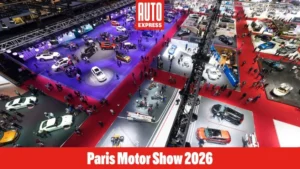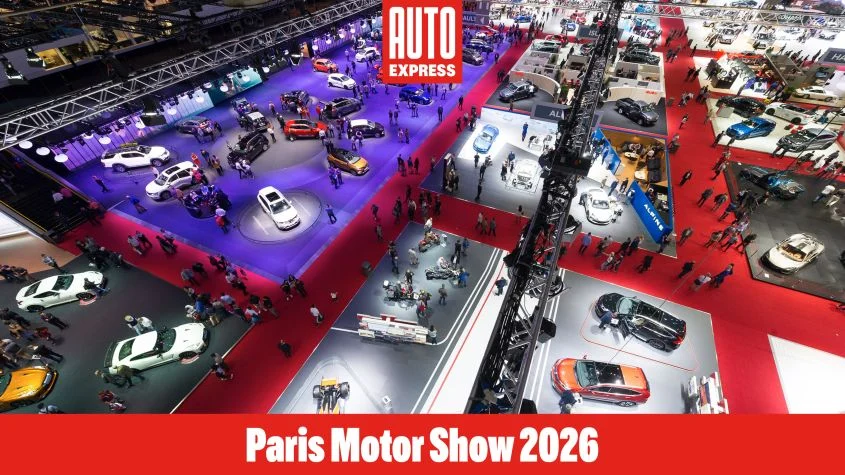
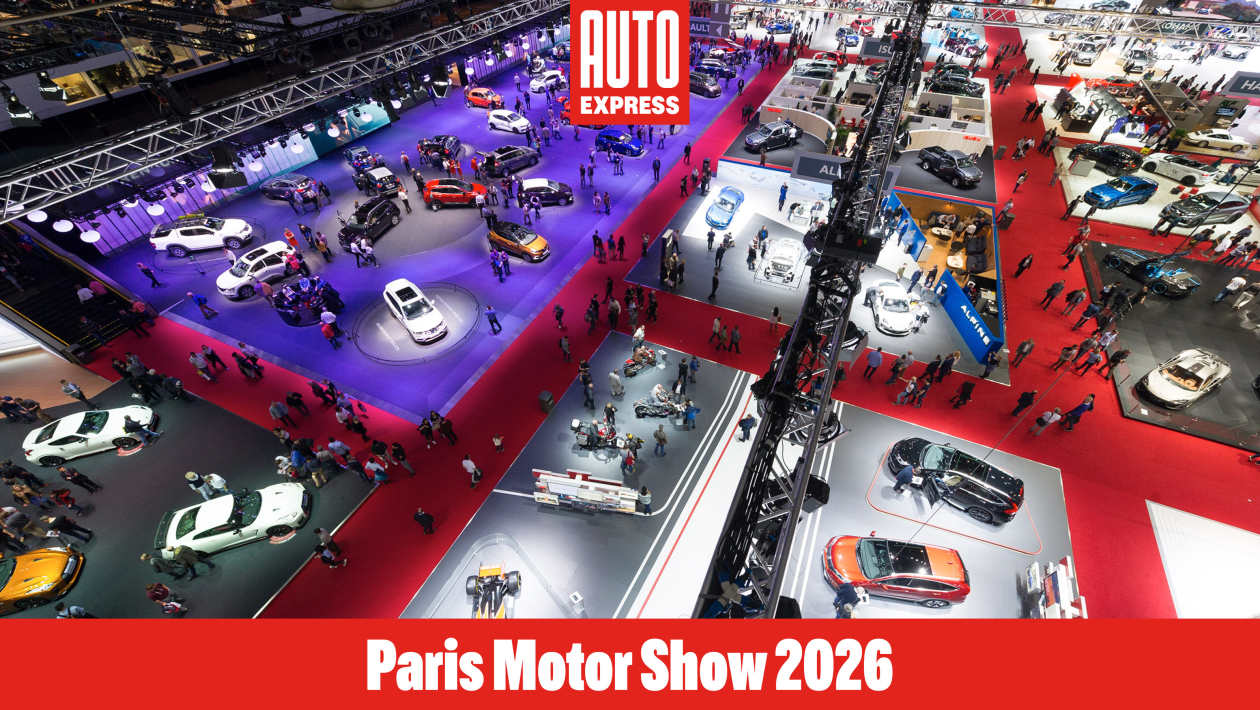
The 91st edition of the Mondial de l’Auto, better known as the Paris Motor Show, is set to open its doors from 12–18 October 2026, marking a pivotal moment in the European automotive calendar. As the industry grapples with the transition to electrification, increased competition from global manufacturers, and shifting consumer demand, this year’s expo serves as a barometer for the health and direction of the global automotive market. Building on the momentum of the 2024 show—which saw significant debuts like the Renault 4, Dacia Bigster, and the award-winning Skoda Elroq—the 2026 event promises a blend of heritage revival, performance-oriented electric vehicles, and the emergence of new, high-tech players.
The Historical Significance of the Paris Expo
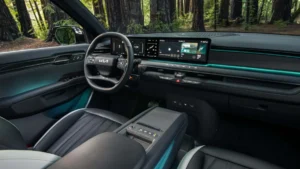
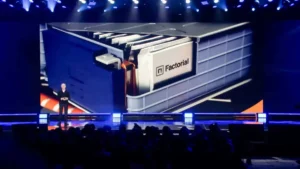
Established in 1898, the Paris Motor Show is one of the oldest and most prestigious automotive exhibitions in the world. Traditionally held every two years, it has served as the launchpad for iconic vehicles that have shaped modern transportation. In recent years, the show has pivoted from being a purely internal combustion showcase to a hub for sustainable mobility. The 2026 iteration reflects this evolution, with a heavy emphasis on affordable EVs, sophisticated battery technology, and the integration of software-defined vehicle architectures.
Electrification and Heritage: The European Front
The French manufacturers, traditionally the hosts and stars of the event, are leaning heavily into their cultural legacy to sell the future. Citroen is perhaps the most anticipated presence, as it prepares to unveil a modern, all-electric iteration of the 2CV. Positioned at a sub-15,000 euro price point, the project aims to democratize electric mobility while leveraging the nostalgic appeal of the iconic original. This move aligns with broader industry efforts to address the "affordability gap" in the EV sector, a primary hurdle for mass adoption across Europe.

Similarly, Renault is shifting its focus toward commercial and fleet versatility. With the Trafic E-Tech leading a contingent of six electric models, the company is positioning itself to compete directly with new entrants like the Kia PV5. Peugeot is also set to inject excitement into the segment with the launch of the e-208 GTI, priced at £33,495, targeting enthusiasts who have felt alienated by the shift away from internal combustion hot hatches.
The Rise of Chinese OEMs
The presence of Chinese manufacturers at the 2026 Paris Motor Show is arguably the most significant shift in the event’s recent history. BYD, now firmly established as a global powerhouse, is using the platform to introduce the Dolphin G hybrid supermini. This strategic move into the hybrid space suggests a nuanced approach, acknowledging that in certain markets, a bridge technology remains essential. Furthermore, the debut of the high-performance Denza Z-series—boasting a staggering 1,588bhp from a tri-motor configuration—signals that Chinese brands are no longer just competing on value, but are actively challenging European marques in the ultra-luxury and high-performance sectors.
Other Chinese firms, such as Changan and Chery, are also expected to make their mark. Chery’s rumored debut of the QQ3, an electric city car designed to rival the Ford Puma and Renault 4, underscores the aggressive expansion plans of Chinese conglomerates. For the average consumer, these arrivals mean more choice, though they also raise questions regarding supply chain logistics and the long-term impact on the established European automotive manufacturing ecosystem.
Performance and Luxury: The High-End Shift
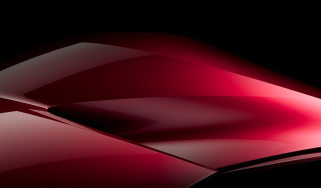
While the show focuses on accessibility, the premium and performance sectors remain vital for brand prestige. Alfa Romeo is expected to unveil a concept that the company describes as the "car every Alfista has been waiting for." While details remain speculative, the teaser suggests a return to the brand’s core identity as a manufacturer of driver-centric vehicles.
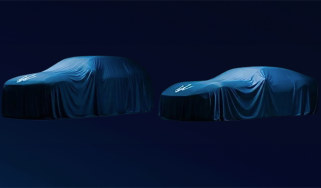
Maserati is also looking toward a new design language, with concepts for a future SUV and sports car set to be unveiled. This is a critical juncture for the 111-year-old brand, as it navigates the transition to high-performance electric powertrains under the Stellantis umbrella. Similarly, Mercedes-Benz is bringing a massive offensive, including the new CLA, VLE, and the track-focused AMG CLE 646 Spezialanfertigung. These models are intended to showcase the brand’s technological prowess in an era where software and battery efficiency are the new currency of luxury.
Strategic Shifts at Volkswagen and Skoda
The Volkswagen Group continues to dominate much of the floor space, with a focus on scaling its next-generation EV platforms. The Volkswagen Mission Efficiency concept, recently previewed in Austria, is expected to make its public debut. Industry analysts suggest that if the feedback from the show is positive, the concept could see an accelerated path to production.
Skoda, meanwhile, is betting on the Epiq and the Peaq. The latter, representing the brand’s largest and most expensive vehicle to date, marks a shift for Skoda toward the upper-premium segment. By offering a seven-seat electric SUV, Skoda is attempting to retain its customer base as they move up the financial ladder, proving that the brand is no longer just a budget-conscious alternative, but a sophisticated market competitor.
Industry Implications and Market Trends
The 2026 Paris Motor Show is not merely an exhibition; it is an indicator of a market in flux. Several key trends are expected to dominate the discourse during the event:
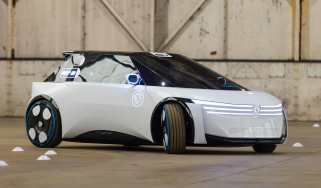
- Software-Defined Vehicles: Almost every manufacturer is emphasizing cabin technology, over-the-air updates, and digital integration. The Peugeot Hypersquare concept, for instance, highlights the move toward steer-by-wire systems and revolutionary steering interfaces.
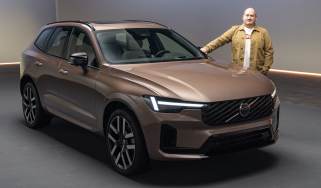
- Range and Efficiency: With the Volvo XC60 PHEV pushing 124 miles of electric-only range, the industry is clearly moving toward extending the utility of plug-in hybrids, effectively minimizing the "range anxiety" that has hindered earlier EV adoption.
- The SUV Consolidation: Despite the focus on small, affordable city cars, the SUV remains the preferred body style. The proliferation of "Fastback" crossovers, such as the Fiat Grizzly, demonstrates that manufacturers are successfully adapting the practical SUV format to aerodynamic, electric-friendly profiles.
- Regional Market Adaptation: The varying presence of Japanese manufacturers like Subaru and Honda, compared to the aggressive entry of Chinese firms, highlights a divergence in global strategy. While some brands are consolidating their focus on specific regions, others are aggressively pursuing a pan-continental presence.
Official Responses and Future Outlook
While specific sales targets for these new models have not been disclosed, spokespeople for major manufacturers have indicated that the 2026 show is about "re-establishing connection." After a period of industry-wide disruption, the emphasis is on physical interaction with the product. Stellantis CEO Olivier François has been vocal about the importance of design in the next generation of affordable electric cars, noting that the final versions of upcoming quadricycles will focus heavily on aesthetic appeal to move past the "utilitarian" reputation of early EV city cars.
Conclusion: What to Expect
As the 91st Mondial de l’Auto begins on 12 October, the narrative will undoubtedly focus on the intersection of affordability, sustainability, and technological ambition. Whether it is the revival of the Citroen 2CV or the brute force of the 1,588bhp Denza, the show offers a comprehensive look at how the global automotive industry is attempting to reconcile its past with a rapidly changing future.
For attendees, the show represents more than just a collection of new metal; it is a preview of the next five years of the automotive market. From the aggressive pricing of the new Chinese entrants to the sophisticated engineering of the European legacy brands, the 2026 Paris Motor Show serves as a vital reminder that while the powertrain of the automobile may be changing, the desire for innovation, style, and personal mobility remains as strong as ever. As the doors open, the industry waits to see which of these concepts will become the next household name and which will remain mere whispers of what could have been.