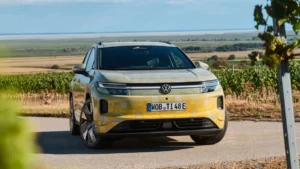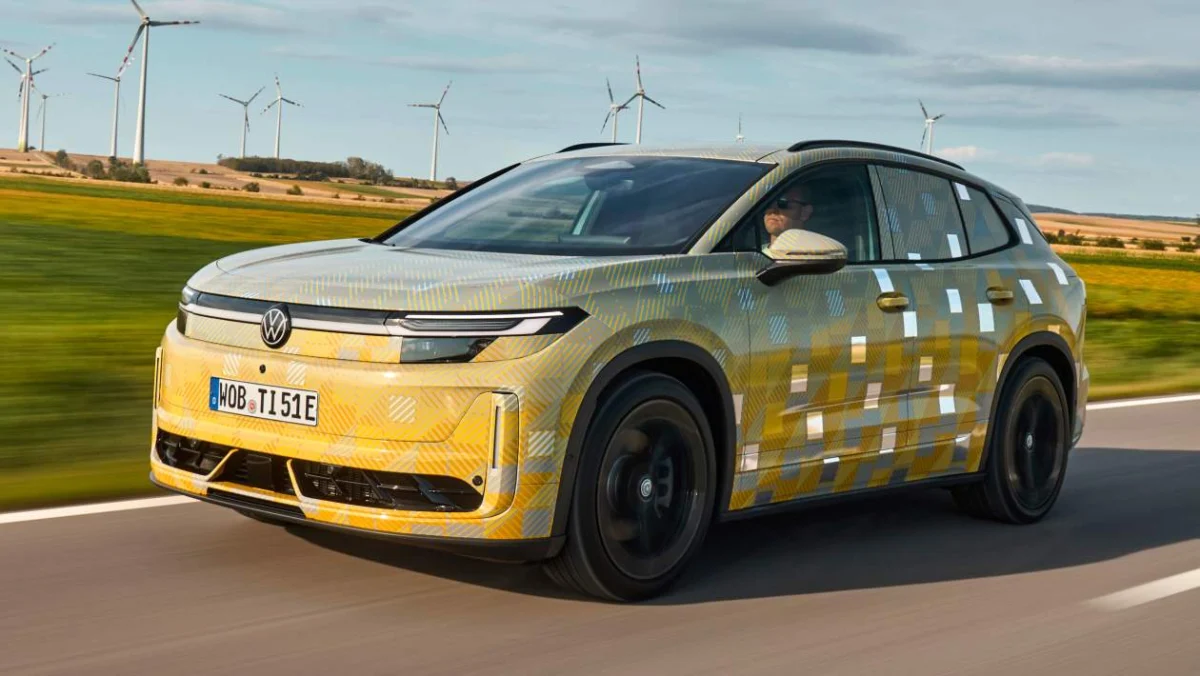
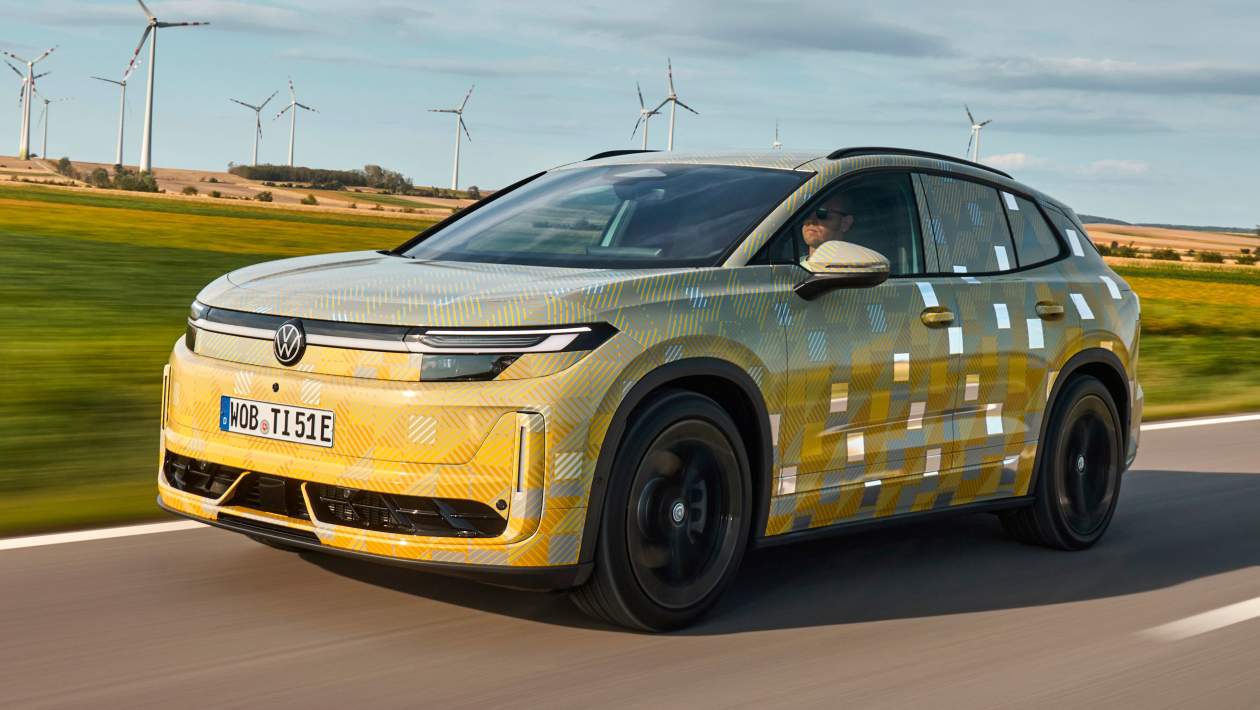
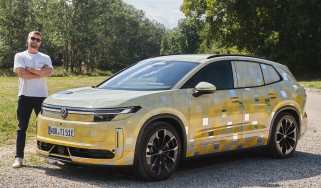
Volkswagen has officially signaled a transformative shift in its electrification strategy with the emergence of the new ID. Tiguan prototype. As the automotive giant seeks to consolidate its market-leading family SUV presence with its rapidly expanding electric vehicle portfolio, the ID. Tiguan represents a calculated evolution of the company’s "ID." design language. By transitioning one of its most storied nameplates into a fully electric format, Volkswagen is aiming to bridge the gap between traditional combustion-engine reliability and the cutting-edge requirements of the modern electric vehicle market.
A Strategic Transition: From Internal Combustion to Electric
The Volkswagen Tiguan has long served as a cornerstone of the German manufacturer’s global sales success. Since its inception in 2007, it has evolved through three distinct generations, consistently ranking among the top-selling SUVs in Europe and North America. However, as global emissions regulations tighten and consumer preferences pivot toward battery-electric vehicles (BEVs), Volkswagen has faced the challenge of maintaining the Tiguan’s iconic status in a zero-emission landscape.
The ID. Tiguan prototype is not merely a cosmetic exercise in badge-engineering the current ID.4. Instead, it serves as a showcase for Volkswagen’s next-generation modular platform capabilities. While the ID.4 provided the foundational architecture for the brand’s entry into the electric SUV segment, early reports and visual evidence from recent prototype testing indicate that the ID. Tiguan will incorporate significantly improved battery chemistry, enhanced cabin ergonomics, and a more refined iteration of the Volkswagen infotainment suite.
Chronology of the ID. Evolution
The roadmap toward the ID. Tiguan began in earnest in 2020 with the launch of the ID.4, which served as the proof-of-concept for the MEB platform. The following timeline outlines the development trajectory leading to the current prototype:
- 2020: Volkswagen initiates the mass production of the ID.4, establishing the brand’s intent to lead the mainstream EV SUV market.
- 2023: The internal combustion-powered third-generation Tiguan is launched, receiving critical acclaim for its refined chassis and updated interior technology.
- 2025: Volkswagen announces a strategic review of its naming conventions, moving to protect the "Tiguan" brand equity as it transitions to electrification.
- September 2026: Official release of the first spy shots and prototype testing data for the ID. Tiguan, confirming its development as a distinct model rather than a mid-cycle refresh of existing electric architecture.
Technical Specifications and Market Positioning
While Volkswagen has yet to disclose the final performance metrics for the production-ready ID. Tiguan, industry analysts anticipate it will sit between the ID.4 and the larger ID.6 in terms of interior volume and technological sophistication. The prototype suggests a more muscular, upright silhouette that pays homage to the internal combustion Tiguan’s rugged design DNA, effectively moving away from the more aerodynamic, "jellybean" aesthetic of earlier ID. models.

From a technical standpoint, the vehicle is expected to feature an 800-volt charging architecture, a significant upgrade over the 400-volt systems currently employed in most MEB-based vehicles. This transition would allow for charging speeds exceeding 200kW, enabling a 10% to 80% charge in under 20 minutes under optimal conditions. Furthermore, the inclusion of next-generation thermal management systems is projected to increase the real-world range to beyond 400 miles on the WLTP cycle, addressing a primary concern for long-distance SUV users.
Industry Context and Competitive Landscape
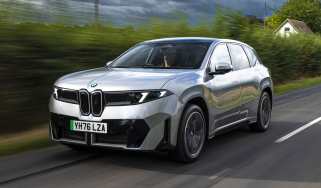
The introduction of the ID. Tiguan comes at a critical juncture for the automotive sector. Major competitors, including BMW with its iX3 and Audi with the A6 e-tron, have recently set new benchmarks for efficiency and range. Specifically, recent breakthroughs in long-distance performance, such as the Audi A6 e-tron’s record-breaking 831-mile single-charge test, have put pressure on legacy manufacturers to deliver more than just "compliance EVs."
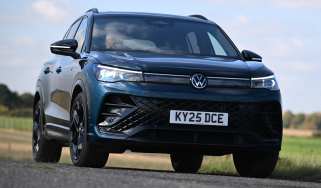
Volkswagen’s strategy is clear: leverage the immense brand loyalty associated with the Tiguan name to convert traditional buyers. By offering a familiar user experience—characterized by robust build quality and a trusted design—within a high-performance electric package, the manufacturer aims to mitigate the "range anxiety" and "tech complexity" often cited by consumers who are hesitant to switch from gasoline-powered vehicles.
Official Responses and Internal Outlook
While Volkswagen representatives have maintained a degree of confidentiality regarding the exact launch date, internal sources suggest that the project is currently in the "validation and refinement" phase. A spokesperson for the company noted in a recent industry briefing: "Our goal is to ensure that the ID. Tiguan retains the versatility and family-oriented practicality that the nameplate has stood for over nearly two decades, while integrating the most advanced powertrain technology currently available in the Volkswagen Group’s arsenal."
Dealers have expressed cautious optimism. With existing Tiguan models currently moving well in the secondary market—often available at competitive financing rates—the addition of an electric variant is seen as a necessary step to capture the demographic that is increasingly being mandated to adopt EVs in urban centers across Europe and the UK.
The Broader Economic Implications
The transition to the ID. Tiguan is also a logistical necessity. With global sales of traditional SUVs facing headwinds due to increasingly stringent CAFE (Corporate Average Fuel Economy) standards, manufacturers must lower the average carbon footprint of their fleet. By effectively replacing or augmenting a high-volume gasoline seller with an electric counterpart, Volkswagen can significantly reduce its fleet-wide emissions without sacrificing its most profitable segment.
Furthermore, the vehicle represents a shift toward more localized production. As supply chains for rare-earth minerals and battery components continue to face geopolitical volatility, Volkswagen has been aggressively investing in "gigafactories" within Europe. The ID. Tiguan is expected to be one of the first vehicles to benefit from a fully localized supply chain, potentially reducing the cost-per-unit and protecting the brand from the price volatility associated with imported components.
Conclusion: A Pivotal Moment for Volkswagen
The ID. Tiguan prototype is more than a car; it is a signal of maturity for the electric vehicle industry. As the novelty of the electric powertrain wears off, manufacturers are shifting their focus to the fundamentals of vehicle utility, brand identity, and long-term reliability.

If the production version of the ID. Tiguan can deliver on the promises suggested by the current prototype—specifically regarding interior space, charging speed, and range—it has the potential to become the definitive electric SUV for the family market. Volkswagen is banking on the idea that customers do not want a radical departure from what they know; they want the same reliable, practical, and well-designed Tiguan they have always driven, simply updated for the next generation of transport. As the company moves toward the official unveiling, the automotive world will be watching closely to see if this marriage of heritage and innovation can successfully secure the brand’s dominance in the post-combustion era.