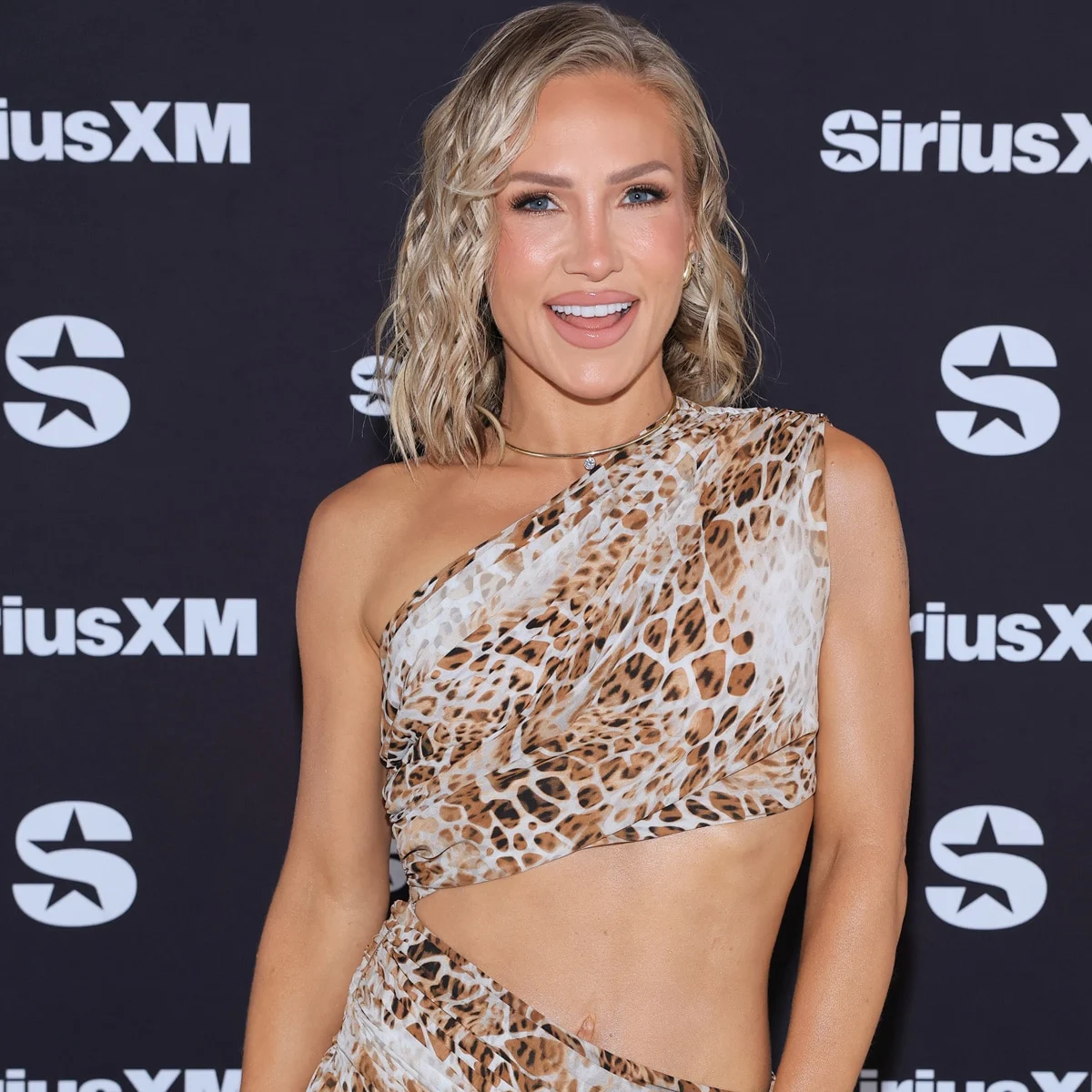
The return of professional dancer Sharna Burgess to Dancing With the Stars for Season 35 has not only captured the attention of reality television audiences but has also marked a notable personal and professional renaissance for the veteran performer. Following a significant five-year hiatus from the hit ABC celebrity dance competition, Burgess is stepping back into the ballroom alongside her celebrity partner, Bachelor Nation alumnus Tyler Cameron. This high-profile comeback has been accompanied by a striking visual transformation, as the 41-year-old dancer traded her recent light blonde hair for her trademark deep red locks, a signature look that has long defined her stage presence.
The decision to return to her iconic red hair color was not merely a spontaneous stylistic choice, but rather a calculated collaboration with the hair care brand Amika. According to Burgess, the corporate partnership materialized after the brand expressed a desire to resurrect "the Sharna red" and build a comprehensive marketing campaign around her maintenance of the vibrant shade. For Burgess, who shares 4-year-old son Zane with her fiancé, actor Brian Austin Green, the collaboration provided both the professional incentive and the specialized product support required to maintain such a high-maintenance color transition. In a September 25 video shared via Instagram, the Australian-born dancer addressed the physical realities of the change, noting that moving from light blonde back to a rich, saturated red requires a dedicated regimen to preserve strength, shine, and vibrancy.
Background Context and Chronology of Transformations
Burgess’s latest hair evolution is part of a broader pattern of stylistic experimentation that she has undertaken in recent years. As a public figure navigating both motherhood and a demanding television career, her personal style has frequently shifted to reflect different chapters of her life. In June 2025, the Dancing With the Stars champion transitioned from her historical dark red tresses into a softer strawberry blonde, subsequently playing with various shades of blonde throughout the year. Earlier in the structural timeline of her recent styling choices, Burgess also opted for a dramatic chop, trading her long locks for a chic, shoulder-length bob.
Her relationship with her hair color, however, goes deeper than superficial trends. During a December 2024 appearance on The Joe Vulpis Podcast, Burgess elaborated on the psychological and performative significance of her aesthetic choices. She noted that while blonde hair suits her natural disposition—describing herself as a gentle, nurturing person—her iconic red hair serves as an external manifestation of her artistic persona. As a professional dancer, she explained, her artistry requires a considerable degree of sass, passion, and sensuality. The red hair, in her view, acts as a visual conduit for that alternative side of her personality, capturing the fierce energy she brings to the ballroom floor.
The Broader Landscape of Celebrity Hair Transitions
The timing of Burgess’s return to the public eye coincides with a broader cultural fascination with celebrity hair transformations, a phenomenon that frequently dominates entertainment news cycles across television, film, and social media. Throughout 2024, 2025, and into 2026, numerous high-profile figures have utilized dramatic stylistic shifts to signal career milestones, project adaptations for upcoming roles, or navigate significant personal life transitions.
In the television and streaming sectors, actors often alter their appearances to embody complex characters, creating immediate ripples among fan communities. For instance, in August 2026, actor Connor Storrie shocked enthusiasts of the romantic hockey drama genre by swapping out the signature curls of his character Ilya Rozanov for a buzz cut during the active filming of a second season. Similarly, late-night television host John Oliver surprised viewers by adopting jet-black hair for an unexpected guest acting role on the long-running ABC soap opera General Hospital, demonstrating how cosmetic changes continue to serve as effective promotional and artistic tools in traditional broadcast media.
Athletes and media personalities have similarly engaged in high-visibility grooming and styling shifts. In June 2026, professional wrestling legend and actor John Cena documented his second follicular unit extraction hair transplant procedure on social media, offering transparency to his followers regarding personal cosmetic maintenance. In the realm of reality television, figures such as Whitney Leavitt of The Secret Lives of Mormon Wives utilized major haircut milestones—specifically transitioning to a sleek bob in September 2026—to reference historical aesthetic eras within internet subcultures, while Gypsy Rose Blanchard embraced a similar short bob haircut shortly following the birth of her daughter in early 2025.
Film actors frequently undergo rigorous physical transformations tied directly to production schedules. Marvel Cinematic Universe star Sebastian Stan memorably bid farewell to the long-haired aesthetic associated with his character Bucky Barnes by debuting a shaved head at a high-profile premiere in April 2025. In a parallel timeframe, actor Jason Momoa sheared off his facial hair for the first time in six years to satisfy continuity requirements for his role as Duncan Idaho in the science fiction epic Dune: Part Three. Such transformations underscore the functional intersection between personal branding and the rigorous demands of professional acting contracts.
Analytical Implications of Celebrity Aesthetic Shifts
From a media analysis perspective, the heavy public interest in transformations like Sharna Burgess’s return to red hair—as well as parallel shifts by public figures such as Kylie Jenner, Kelly Clarkson, and Lily Collins—highlights the enduring power of visual branding in the entertainment industry. When a prominent television personality undertakes a major stylistic change concurrently with a significant career announcement, such as a high-profile television comeback after a multi-year absence, the aesthetic shift functions as a multi-layered communication strategy.
First, it visually demarcates a new era in the public narrative of the celebrity. For Burgess, the return of "the Sharna red" instantly signals to longtime fans of Dancing With the Stars that the original energy and persona they associated with her championship seasons have returned to the ballroom. Second, it creates immediate engagement opportunities across digital platforms. By partnering with commercial haircare brands to document and maintain the transition, modern entertainers effectively monetize their personal styling choices, turning a standard cosmetic update into an integrated marketing campaign.
Furthermore, the public’s fascination with these changes speaks to a broader cultural desire for reinvention and accessibility. When high-profile women in the public eye openly discuss the maintenance, emotional significance, and trial-and-error nature of their hair journeys—ranging from at-home dyeing missteps shared by internet personalities like Sami Sheen to deliberate career-driven styling choices by veteran actresses like Jessica Chastain—it humanizes the celebrity experience. It bridges the gap between the stylized perfection of television broadcasts and the relatable, everyday realities of personal grooming and self-expression.
As Season 35 of Dancing With the Stars progresses, Sharna Burgess’s reentry into the competitive fold will undoubtedly continue to draw scrutiny not only for her choreography alongside Tyler Cameron, but also for how her revitalized visual identity mirrors her professional rejuvenation. By reclaiming a signature look that encapsulates her artistic confidence, Burgess has successfully positioned her comeback as a holistic celebration of her past achievements and her current chapter in the entertainment spotlight.