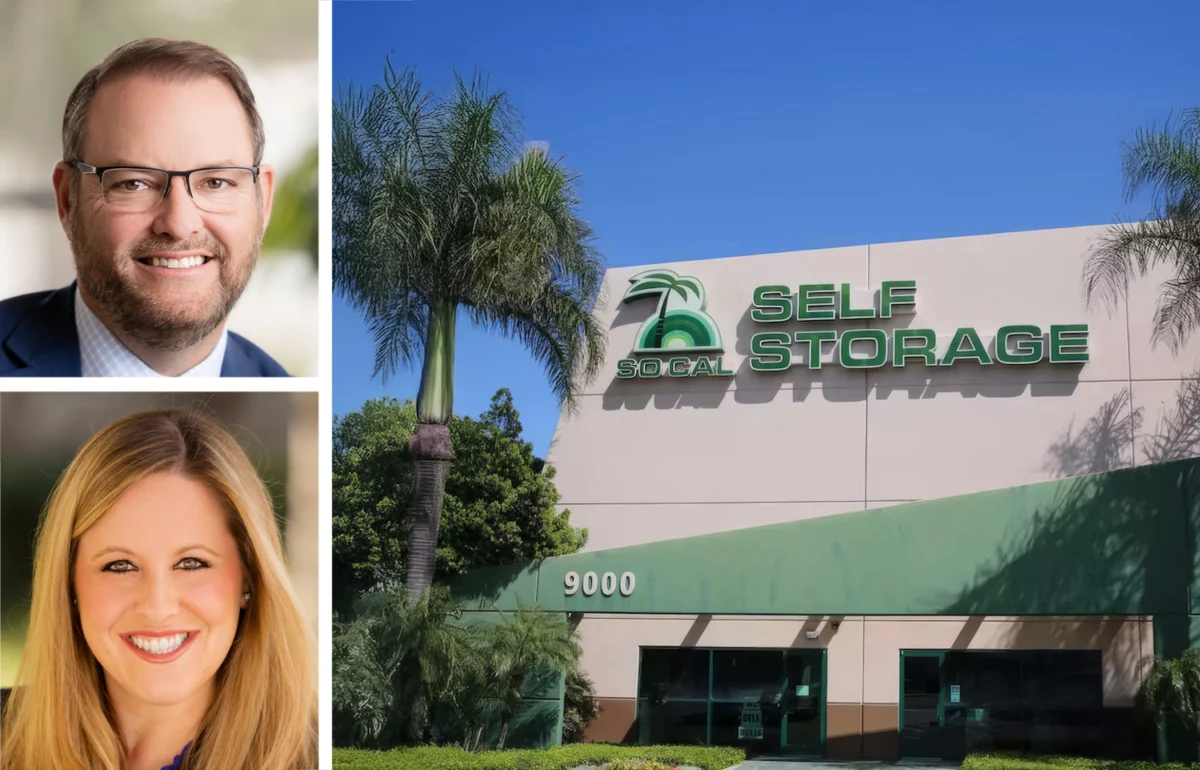
Morgan Stanley has provided a $64 million refinancing package to SoCal Self Storage, a prominent California-based operator, for a five-property portfolio located across high-demand markets in Southern California and Sacramento. The transaction, which arrives at a pivotal moment for the self-storage sector, was orchestrated by Talonvest Capital, a boutique real estate advisory firm specializing in self-storage and commercial real estate finance. The financing structured for the borrower consists of a 10-year, fixed-rate, interest-only, nonrecourse permanent loan, reflecting a strong vote of confidence from institutional lenders in the long-term viability of well-positioned storage assets.
The portfolio encompasses a total of 3,643 storage units, representing approximately 344,616 net rentable square feet. The geographic distribution of the assets strategically targets some of California’s most constrained and densely populated submarkets. Four of the properties are located in Southern California, specifically in the Los Angeles neighborhoods of Hollywood and Northridge, as well as the affluent suburban enclaves of Pasadena and Rancho Santa Margarita. The fifth asset is located in Sacramento, the state’s capital, which has seen consistent population growth and steady demand for storage solutions over the last several years.
Strategic Financing in a Volatile Interest Rate Environment
The procurement of a 10-year, interest-only loan at a fixed rate is a significant achievement in the current macroeconomic climate. As the Federal Reserve has maintained elevated interest rates to combat inflation, many real estate operators have struggled to secure favorable terms for refinancing. However, the self-storage sector has historically been viewed as a "defensive" asset class, capable of performing well during both economic expansions and contractions.
The nonrecourse nature of the loan protects the borrower from personal liability, while the interest-only structure maximizes cash flow during the first decade of the loan term. This financial flexibility allows SoCal Self Storage to reinvest in property upgrades, technological integrations, and potential acquisitions. Talonvest Capital’s team—led by Eric Snyder, Kim Bishop, Mason Brusseau, and Lauren Maehler—emphasized that the successful closing was a result of the portfolio’s "strong fundamentals," including consistent occupancy levels and durable, recession-resistant cash flows.
Detailed Portfolio Overview and Asset Locations
The five properties included in the refinancing represent a mix of urban and suburban footprints, each serving a unique demographic profile:
- Hollywood, Los Angeles: Located in one of the most densely populated areas of the United States, this facility serves a transient population of renters, creative professionals, and small business owners who often operate out of limited square footage.
- Northridge, Los Angeles: Situated in the San Fernando Valley, this location benefits from proximity to California State University, Northridge, and a large residential base of single-family homes and apartments.
- Pasadena: Known for its high barriers to entry and strict zoning laws, Pasadena is a premium market. Existing storage facilities here enjoy significant competitive advantages because new development is notoriously difficult to approve.
- Rancho Santa Margarita: Located in Orange County, this asset serves a high-income demographic. In suburban markets like this, storage demand is often driven by "lifestyle" needs, such as storing recreational equipment or seasonal items.
- Sacramento: As one of the more affordable major cities in California, Sacramento has attracted a steady stream of residents moving from the San Francisco Bay Area. This migration has kept storage demand high even as other markets have seen a cooling effect.
The diversity of these locations provides SoCal Self Storage with a balanced risk profile, insulating the portfolio from localized economic downturns in any single submarket.
The Self-Storage Inflection Point: Context and Chronology
To understand the significance of this $64 million deal, one must look at the trajectory of the self-storage industry over the past four years. Between 2020 and 2022, the sector experienced an unprecedented "gold rush." The COVID-19 pandemic acted as a catalyst for demand; as people cleared out guest rooms to create home offices or relocated to different states, the need for storage skyrocketed. During this period, national occupancy rates frequently exceeded 95%, and rental rates saw double-digit annual growth.
However, 2023 and early 2024 have marked an "inflection point," as described by industry analysts. Several factors have contributed to a cooling of the market:
- Oversupply in Growth Markets: Developers rushed to build new facilities during the boom years. In cities like Phoenix, Las Vegas, and parts of the Sun Belt, an influx of new supply has forced operators to lower rents and offer concessions (such as "first month free") to attract tenants.
- Deceleration of Migration: The massive waves of relocation seen in 2021 have slowed down. As people stay put in their current homes due to high mortgage rates, the "churn" that usually drives storage demand has diminished.
- Local Pushback: Municipalities across the country are increasingly resistant to new self-storage developments. Many local governments view storage facilities as "low-employment" land uses that do not contribute enough to the local tax base compared to retail or housing.
In this context, the SoCal Self Storage portfolio is particularly valuable because it consists of established assets in markets where new competition is limited by geography and regulation.
Market Analysis and Sector Implications
The refinancing deal highlights a growing divide in the real estate market: the gap between "trophy" portfolios with proven track records and "speculative" new builds. Institutional lenders like Morgan Stanley are increasingly selective, gravitating toward operators who can demonstrate a history of high collections and low turnover.
Data from the broader self-storage industry suggests that while national street rates for 10×10 climate-controlled units have softened by approximately 3% to 5% year-over-year, California remains a standout performer. The state’s chronic housing shortage and the prevalence of multi-generational living arrangements create a permanent floor for storage demand. In Los Angeles and Pasadena, where the average apartment size is significantly smaller than the national average, self-storage functions as a "spare closet" for the urban dweller.
Furthermore, the rise of "prop-tech" in the storage sector has allowed companies like SoCal Self Storage to improve their margins. By implementing keyless entry systems, automated kiosks, and AI-driven dynamic pricing models, operators can reduce on-site labor costs while maximizing revenue based on real-time demand.
Official Perspectives and Industry Reaction
While Morgan Stanley did not issue a public statement regarding the specific deal, the involvement of Talonvest Capital provides insight into the lender’s appetite. According to Talonvest, the ability to secure a 10-year IO loan is a testament to the "institutional quality" of the management and the physical assets.
Industry observers note that this deal may signal a reopening of the credit markets for self-storage. Throughout late 2023, many regional banks—traditionally the backbone of storage lending—pulled back following the collapse of Silicon Valley Bank and Signature Bank. The entry of a global investment bank like Morgan Stanley into a mid-market portfolio refinancing suggests that "big bank" liquidity is returning to the sector for the right deals.
"The self-storage market is currently in a period of normalization," says one commercial real estate analyst. "We are moving away from the ‘easy money’ era of 2021 and into a phase where operational excellence and location matter more than ever. This $64 million refinancing shows that for high-quality California assets, the capital is still there."
Future Outlook for California Self-Storage
Looking ahead, the self-storage sector in California is expected to remain a preferred target for institutional capital. The "speed bumps" mentioned in national reports—such as oversupply and slower migration—are less pronounced in the coastal California markets. The high cost of land and the complexity of the California Environmental Quality Act (CEQA) make it nearly impossible for developers to flood the market with new supply quickly.
For SoCal Self Storage, the $64 million refinancing provides a decade of stability. With a fixed interest rate, the company is shielded from any further rate hikes by the Federal Reserve. As the sector continues to evolve, the focus will likely shift toward consolidation. Large Real Estate Investment Trusts (REITs) like Public Storage and Extra Space Storage are actively looking to acquire independent portfolios that have been professionalized and optimized.
The successful refinancing of these five properties serves as a blueprint for other mid-sized operators. It demonstrates that despite national headwinds, the combination of a strategic geographic footprint, a strong relationship with specialized advisors like Talonvest, and a focus on operational fundamentals can still yield premium financing terms in a challenging market. As the sector navigates the remainder of 2024, the SoCal Self Storage deal will likely be cited as a benchmark for successful asset management and capital markets execution in the "new normal" of the real estate industry.