The modern residential landscape is undergoing a fundamental transformation, moving away from high-maintenance aesthetic ideals toward a philosophy that integrates environmental stewardship with functional design. As climate volatility increases and water scarcity becomes a primary concern for homeowners from the arid Southwest to the temperate Pacific Northwest, sustainable landscaping has emerged as a critical component of green architecture. By prioritizing native flora, efficient water management, and climate-responsive design, property owners are discovering that outdoor spaces can serve as resilient extensions of the home while actively contributing to local ecological health.
The Shift Toward Ecological Landscaping
For decades, the standard for American curb appeal was defined by the manicured, emerald-green lawn—a monoculture that often required heavy chemical inputs and excessive irrigation. However, a growing body of environmental data and a shift in consumer values have catalyzed a movement toward "living landscapes." These spaces are designed to work in harmony with the local environment rather than against it.
Sustainable landscaping, as defined by industry experts, involves the planning and maintenance of outdoor spaces that reduce resource consumption and provide habitat for local wildlife. According to the Environmental Protection Agency (EPA), landscape irrigation accounts for nearly one-third of all residential water use, totaling nearly 9 billion gallons per day. By adopting sustainable practices, homeowners can reduce this consumption by 50% to 70%, significantly lowering utility costs and regional water demand.
A Chronology of Residential Landscaping Trends
The evolution of the American backyard reflects broader societal shifts in environmental awareness and technology:
- 1950s–1980s: The Era of the Suburban Lawn. Post-war suburbanization popularized the uniform grass lawn as a symbol of prosperity. This era relied heavily on synthetic fertilizers and overhead sprinkler systems.
- 1990s: The Rise of Xeriscaping. Particularly in states like Arizona and California, "xeriscaping" (water-thrifty landscaping) began to enter the mainstream as a response to recurring droughts.
- 2000s–2010s: Outdoor Living Rooms. Homeowners began viewing backyards as functional extensions of the interior, leading to an increase in hardscaping, outdoor kitchens, and fire pits.
- 2020–Present: The Resilient Landscape. The current era combines functional outdoor living with "green architecture." There is a focus on carbon sequestration, pollinator support, and mitigating the urban heat island effect.
Climate-Responsive Design and Regional Adaptation
One of the core tenets of sustainable landscaping is responding to the specific geography and climate of a property. A design that thrives in the humid conditions of the East Coast would fail in the high-desert environment of Phoenix, Arizona.
Eli Hall, owner of AMS Landscape Maintenance Service, notes that in regions like Phoenix, the goal is to work with the desert rather than trying to replicate a temperate forest. "In Phoenix, the ultimate outdoor living space isn’t about lush lawns; it’s about smart design that works with the desert climate," Hall explains. He advocates for the use of durable surfaces like pavers and desert-adapted plants that provide vibrant color without heavy water use. This approach ensures the landscape remains an asset rather than a constant maintenance burden.
Conversely, in northern climates like Coeur d’Alene, Idaho, sustainability focuses on managing seasonal transitions and preserving local biodiversity. Cal Ruseler, owner of Ruseler Landscaping, suggests that an elevated outdoor space should draw inspiration from the natural beauty of the local community. By blending native plantings with seamless indoor-outdoor transitions, homeowners can enjoy a landscape that feels rooted in its specific environment while offering luxury and comfort.
The Science of Sustainability: Data and Environmental Impact
The benefits of sustainable landscaping extend beyond aesthetics and water savings. Research indicates that thoughtful landscape design can have a measurable impact on the microclimate of a property.
1. Temperature Regulation: Large-scale studies on urban heat islands have shown that strategic tree placement can reduce the ambient temperature of a backyard by as much as 10 to 15 degrees Fahrenheit. Shading air conditioning units with shrubs or trees can also improve the efficiency of the cooling system, leading to lower energy bills.
2. Carbon Sequestration: Native plants and trees act as carbon sinks. A single mature tree can absorb approximately 48 pounds of carbon dioxide per year, making residential yards a front line in the effort to reduce greenhouse gas concentrations.
3. Soil Health and Stormwater Management: Sustainable designs often incorporate permeable pavers and rain gardens. These features allow rainwater to soak into the ground rather than running off into storm drains, which often carry pollutants into local waterways. According to data from the Sustainable Sites Initiative (SITES), landscapes that prioritize soil health can sequester significantly more carbon and support a more diverse range of microorganisms.
Creating Functional Zones for Human Interaction
A sustainable backyard must be livable to be successful. Experts suggest that the most effective designs use "zoning" to create distinct areas for different activities, much like the rooms of a house. This approach prevents the space from feeling cluttered and ensures that every square foot serves a purpose.
Caroline Gallagher of Manuel Zeitlin Architects emphasizes that a well-designed exterior space should accommodate various levels of social engagement. "It offers variety—from open, active gathering spaces to quieter pockets for people-watching and personal reflection," Gallagher states. By creating these conditions, a landscape supports multiple forms of "belonging," allowing people to feel comfortable whether they are hosting a large party or seeking a moment of solitude.
Effective zoning often involves:
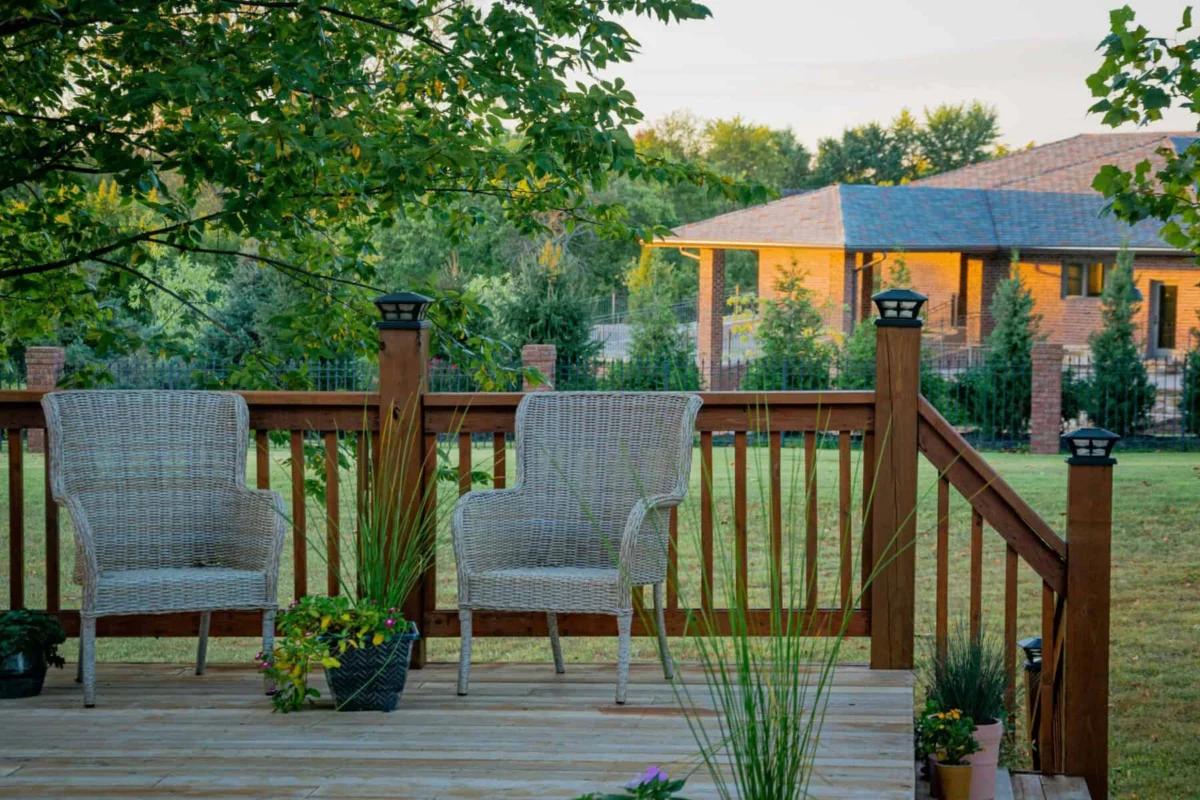
- Transition Zones: Porches or decks that bridge the gap between the interior and exterior.
- Social Hubs: Central areas with durable seating and fire elements.
- Private Retreats: Small, screened-off areas surrounded by dense foliage for meditation or reading.
The Importance of Native Flora and Biodiversity
At the heart of any sustainable landscape is the use of native plants. These are species that have evolved over thousands of years to thrive in a specific region’s soil and weather conditions.
Cassy Aoyagi, President of FormLA Landscaping, argues that the right landscape can quite literally "save the world." She explains that native foliage reduces extreme heat, fire danger, and air pollution while providing essential food sources for local wildlife. Unlike non-native species, native plants typically require no chemical pesticides or fertilizers, which protects the local groundwater and supports essential pollinators like bees and butterflies.
The shift toward native plants is also a shift toward resilience. In areas prone to wildfires, certain native species are more fire-resistant than common ornamental plants. In flood-prone regions, native grasses with deep root systems are far more effective at holding soil in place and preventing erosion.
Real Estate Implications and Market Value
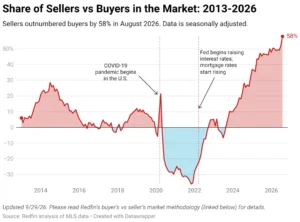
Sustainability is increasingly becoming a selling point in the real estate market. Data from Redfin and other real estate platforms suggest that homes with high-quality, low-maintenance landscaping often command a premium price.
As mortgage rates fluctuate and the housing market becomes more competitive, curb appeal remains a primary factor in a home’s "time on market." However, modern buyers are looking for more than just a pretty view; they are looking for "green" features that promise lower long-term costs. A yard that requires minimal water and no professional chemical treatments is a significant financial asset. Furthermore, the integration of "green architecture" principles—where the house and the land work together to save energy—can increase a property’s overall value by 5% to 12%.
Broader Impact and Future Outlook
The move toward sustainable landscaping represents a broader cultural shift toward environmental responsibility. As municipalities across the country implement stricter water restrictions and "gas-powered leaf blower bans," the traditional high-input lawn is becoming both socially and legally discouraged.
The future of residential landscaping lies in the "resilient backyard"—a space that can withstand drought, manage heavy rainfall, provide cooling during heatwaves, and offer a sanctuary for both humans and wildlife. By layering natural elements like shade trees, permeable surfaces, and native thickets, homeowners are not just decorating their property; they are building a miniature ecosystem.
In conclusion, sustainable landscaping is no longer a niche interest for environmentalists; it is a practical, aesthetic, and financial necessity for the modern homeowner. Whether through the desert-smart designs of Phoenix or the seasonal luxury of Idaho, the principles of sustainability provide a roadmap for creating outdoor spaces that are as resilient as they are beautiful. As these practices become the standard, the American backyard will transition from a resource-heavy burden into a productive, life-sustaining part of the global environment.