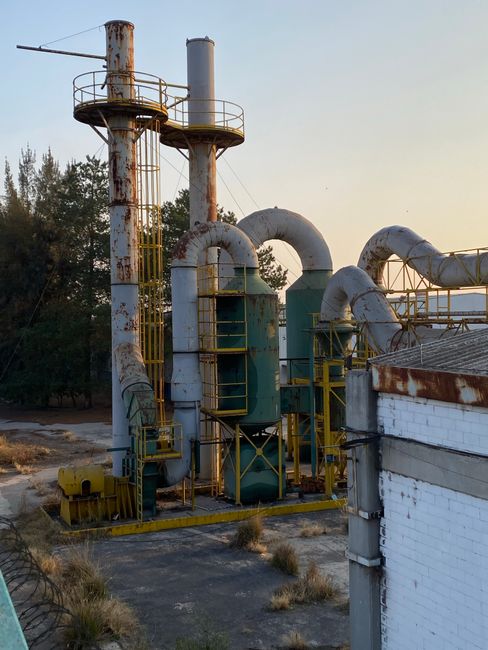
South African Factory Conditions Deteriorate Further: Absa PMI Confirms Growing Manufacturing Woes
The South African manufacturing sector is facing a deepening crisis, as evidenced by the latest Absa Purchasing Managers’ Index (PMI) data, which paints a grim picture of deteriorating factory conditions. This pivotal economic indicator, closely watched by policymakers and industry stakeholders alike, reveals a sustained contraction in manufacturing activity, signaling ongoing challenges that threaten job creation and economic growth. The PMI, a composite index that tracks key aspects of manufacturing performance, has consistently remained below the neutral 50-point mark, indicating a prevailing pessimistic sentiment among business owners and a decline in new orders, production volumes, and employment. This persistent downward trend underscores the urgent need for targeted interventions to revitalize a sector critical to South Africa’s industrial base and overall economic well-being.
The Absa PMI’s sub-indices offer a granular insight into the specific areas of weakness within the manufacturing landscape. The New Sales Orders Index has been a particular cause for concern, reflecting a significant drop in demand for manufactured goods, both domestically and internationally. This sluggish demand can be attributed to a confluence of factors, including subdued consumer spending, economic uncertainty, and a slowdown in global trade. Businesses are reporting fewer new contracts and a general reluctance from clients to commit to large purchases, leading to a ripple effect of reduced production and inventory build-up. The inability to generate sufficient new business directly impacts revenue streams and profitability, forcing manufacturers to scale back operations and postpone investment plans. Furthermore, the decline in export orders suggests that South African manufacturers are struggling to compete on the global stage, potentially due to cost pressures, trade barriers, or a lack of competitiveness in specific product categories. This dependency on domestic demand alone, which is itself under pressure, exacerbates the vulnerability of the sector.
Concurrently, the Business Activity Index has mirrored the weakness in new orders, indicating a significant slowdown in production levels across the manufacturing sector. Factories are operating at reduced capacity, with many reporting that they are not utilizing their full potential. This underutilization of resources translates into lower output, higher per-unit costs, and a diminished ability to meet existing demand, even if that demand were stronger. The contraction in business activity is a direct consequence of the declining order book and the general economic climate. Manufacturers are often hesitant to ramp up production when faced with uncertain future demand and rising input costs. This creates a vicious cycle where reduced production leads to lower revenue, which in turn discourages investment in new machinery or expansion, further stifling future growth potential. The implications for employment are also severe, as lower production volumes often necessitate a reduction in the workforce.
The Employment Index provides a stark illustration of the human cost of these deteriorating conditions. The sustained decline in this index signals job losses or a freeze on hiring within the manufacturing sector. As businesses grapple with lower sales and production, they are forced to make difficult decisions about staffing levels. This can manifest as retrenchments, a reduction in working hours, or a halt in recruitment for vacant positions. The impact of job losses in manufacturing extends beyond the individual worker, contributing to rising unemployment rates, increased social welfare burdens, and a broader dampening of consumer spending. The manufacturing sector has historically been a significant source of formal employment in South Africa, and its current struggles represent a serious setback for national efforts to address the country’s high unemployment challenges. Creating a virtuous cycle of economic growth requires a robust and expanding manufacturing sector that can absorb labor, and the current trend points in the opposite direction.
Input costs remain a persistent challenge for South African manufacturers, with the Input Costs Index continuing to indicate elevated price pressures. The cost of raw materials, energy, and imported components has been rising, squeezing profit margins for businesses. This increase in input costs is driven by a variety of factors, including global commodity price fluctuations, currency depreciation, and domestic inflationary pressures. The impact of rising electricity prices, in particular, continues to be a significant burden on the energy-intensive manufacturing sector. When manufacturers are unable to fully pass on these increased costs to consumers due to weak demand, their profitability suffers, further impacting their ability to invest and expand. This cost pressure also makes it more difficult for South African manufacturers to compete on price with their international counterparts. The volatility in currency exchange rates also plays a crucial role, as imported raw materials become more expensive when the Rand weakens.
The Inventories Index has also shown concerning trends, with businesses reporting an increase in finished goods inventories. This suggests that manufacturers are producing goods that are not being sold, leading to an accumulation of unsold stock. This build-up of inventory ties up valuable capital, increases storage costs, and can lead to obsolescence if products become outdated. The increase in finished goods inventories is a direct consequence of the weaker demand and the inability to match production levels with sales. It signals a mismatch in the supply chain, where production continues at a pace that outstrips market absorption. This can lead to a forced slowdown in production in the future to work through the excess stock, further contributing to the contractionary cycle.
Looking ahead, the Future Expectations Index offers a glimpse into the sentiment of manufacturers regarding the next six months. This index has also been signaling a degree of pessimism, with businesses expressing reservations about future business conditions. While there may be some periods of optimism, the overall trend suggests that manufacturers are not anticipating a significant or immediate turnaround in the sector. This cautious outlook can lead to a postponement of investment decisions, hiring freezes, and a general reluctance to take on new risks. The lack of strong positive future expectations can create a self-fulfilling prophecy, where businesses act in a way that perpetuates the current downturn. Factors contributing to this pessimism likely include ongoing economic uncertainty, policy unpredictability, and persistent infrastructure challenges.
The persistent deterioration in South African factory conditions, as highlighted by the Absa PMI, is a complex issue with multifaceted causes. These include, but are not limited to:
- Global Economic Slowdown: A general weakening of global economic activity impacts export demand for South African manufactured goods.
- Domestic Economic Headwinds: Subdued consumer spending, high unemployment, and rising inflation within South Africa significantly reduce domestic demand for manufactured products.
- Rising Input Costs: Volatile commodity prices, currency depreciation, and increasing energy costs (particularly electricity tariffs) erode profit margins.
- Infrastructure Deficiencies: Inconsistent and unreliable energy supply, port inefficiencies, and logistical challenges add significant costs and delays to manufacturing operations. Load shedding, in particular, has a direct and detrimental impact on production.
- Policy Uncertainty and Regulatory Burden: Frequent policy shifts and a complex regulatory environment can deter investment and create uncertainty for businesses.
- Skills Shortages: A lack of adequately skilled labor in certain areas can hinder productivity and innovation within the manufacturing sector.
- Competition: South African manufacturers face intense competition from both domestic and international players, some of whom may benefit from lower labor costs or more favorable regulatory environments.
- Access to Finance: Small and medium-sized enterprises (SMEs) in particular may struggle to access affordable finance for expansion and investment, further limiting their growth potential.
The implications of these deteriorating factory conditions are far-reaching for the South African economy. A weakened manufacturing sector translates into fewer job opportunities, a reduced contribution to the Gross Domestic Product (GDP), and a potential decline in export earnings. It also impacts the broader industrial ecosystem, affecting suppliers, service providers, and the entire value chain. Addressing these challenges requires a concerted and coordinated effort from government, industry, and other stakeholders. Potential solutions include targeted industrial policies aimed at supporting key manufacturing sub-sectors, measures to reduce the cost of doing business, investments in infrastructure development, efforts to improve skills training and development, and a commitment to creating a stable and predictable policy environment. Without decisive action, the current trajectory of South Africa’s manufacturing sector risks further exacerbating existing economic and social challenges. The Absa PMI serves as a critical barometer, consistently signaling the need for urgent and effective interventions to steer the sector back towards a path of sustainable growth and job creation. The long-term health of the South African economy is intrinsically linked to the vitality of its manufacturing base, and the current data points to a growing urgency for a robust response.