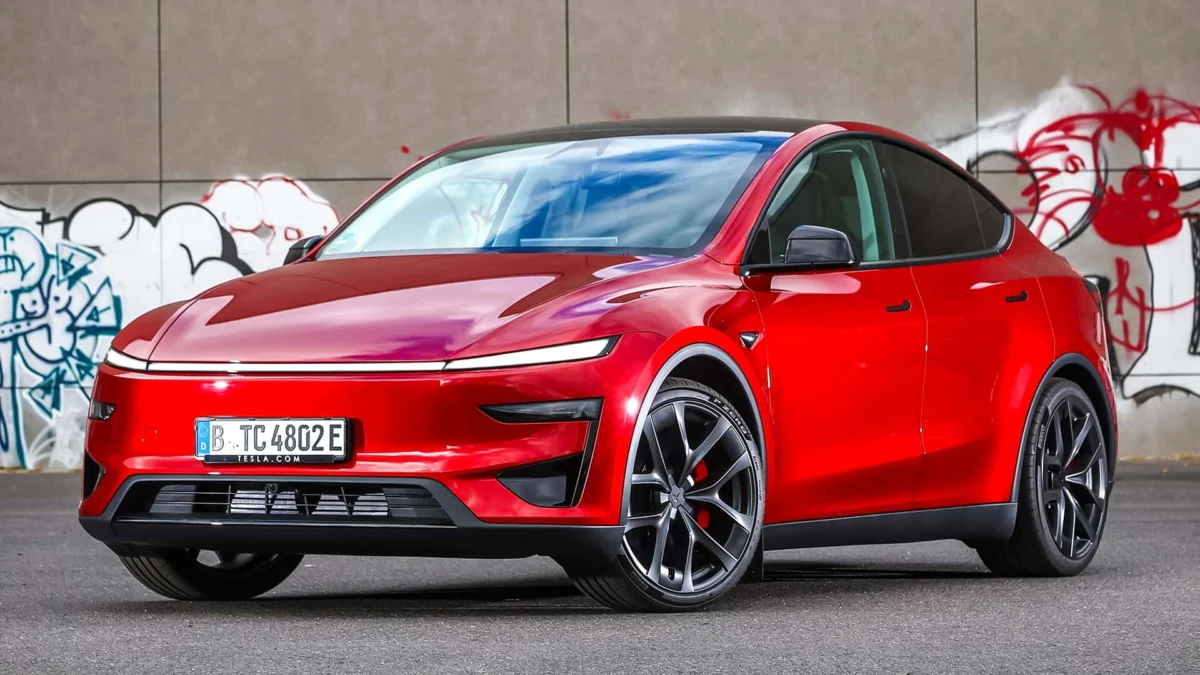
Tesla Inc. has initiated a highly localized but regulatory significant recall involving a total of 15 vehicles, specifically targeting certain units of the Model 3 and Model Y. While the number of vehicles affected is remarkably low compared to the company’s typical multi-thousand-unit recalls, the nature of the non-compliance highlights the complex regulatory landscape of the North American automotive market. According to official filings with the National Highway Traffic Safety Administration (NHTSA), the recall stems from the fact that these 15 vehicles were manufactured to meet Canadian safety specifications rather than the Federal Motor Vehicle Safety Standards (FMVSS) required for vehicles sold within the United States.
The discrepancy was identified when it was discovered that a small number of vehicles intended for the Canadian market were inadvertently diverted into the United States sales and delivery stream. While the Model 3 and Model Y are global products manufactured in facilities ranging from Fremont, California, and Austin, Texas, to Shanghai, China, and Berlin, Germany, each unit is configured at the factory to comply with the specific legal requirements of its destination country. In this instance, the 15 affected vehicles lack certain hardware and testing certifications mandated by U.S. law, rendering them ineligible for legal operation and sale in the United States.
Technical Discrepancies: The Differences Between U.S. and Canadian Standards
The primary reason for the recall involves two specific safety components: knee airbags and bumper impact resistance. While the United States and Canada share many automotive safety goals, their regulatory frameworks—the Federal Motor Vehicle Safety Standards (FMVSS) in the U.S. and the Canada Motor Vehicle Safety Standards (CMVSS) in Canada—diverge on several technical requirements.
Under FMVSS 208, which governs occupant crash protection, vehicles sold in the United States are generally required to include knee airbags or specific knee bolster designs to mitigate lower-limb injuries during a frontal collision. These components are designed to control the movement of the lower body, preventing "submarining," where an occupant slides under the seatbelt during an impact. The 15 Canadian-spec Teslas involved in this recall were not equipped with these specific knee airbags, as Canadian regulations do not strictly mandate them in the same manner as U.S. law.
Furthermore, the vehicles failed to meet FMVSS 215, which dictates bumper standards. U.S. regulations require that passenger vehicles withstand specific low-speed impacts without damage to the vehicle’s safety systems, such as lighting and fuel components. While Canada has its own rigorous bumper standards, the testing protocols and performance metrics differ. Tesla noted that the Canadian-market vehicles had not undergone the specific impact resistance testing required to certify compliance with the U.S. standard. Consequently, there is no legal guarantee that these bumpers perform to the exact specifications required by the NHTSA for American roads.
Chronology of the Recall and Identification
The identification of this issue followed an internal audit of Tesla’s delivery and logistics records. According to the Part 573 Safety Recall Report filed with the NHTSA, the company realized that a small batch of vehicles had been imported into the U.S. with Canadian "Letters of Compliance" that should not have been issued for these specific units.
The timeline of the recall began in early 2024 when Tesla’s compliance team flagged a discrepancy in the Vehicle Identification Number (VIN) assignments for a group of vehicles delivered to U.S. service centers and showrooms. By mid-year, Tesla had confirmed that 15 of these vehicles had reached customers. On July 17, 2024, Tesla’s quality and regulatory teams determined that a voluntary recall was necessary to rectify the administrative and physical non-compliance.
Tesla officially notified the NHTSA of the recall in late July. Following this, the company began reaching out to the owners of the affected vehicles. Because the issue involves fundamental structural and safety equipment differences—namely the absence of knee airbags and different bumper certifications—a simple software update or a minor physical repair at a service center was deemed insufficient to bring the vehicles into compliance.
The Remedy: A Rare Automotive Buyback
In most modern automotive recalls, the manufacturer provides a free repair or a software patch to resolve the issue. However, due to the complexity of retrofitting knee airbags and the structural nature of bumper reinforcements, Tesla has opted for a full buyback of the 15 affected vehicles. This is a rare move in the industry, typically reserved for situations where the cost of a compliant repair exceeds the value of the vehicle or where the vehicle’s structural integrity cannot be guaranteed post-repair.
Tesla has informed the owners that the company will purchase the non-compliant vehicles back at the full purchase price. Furthermore, the company is assisting these customers in ordering new, U.S.-compliant Model 3 and Model Y vehicles to replace the recalled units. This ensures that the customers remain in the Tesla ecosystem while the company removes the non-compliant hardware from U.S. roads. The deadline for the completion of these buybacks has been set for September 5, 2024.
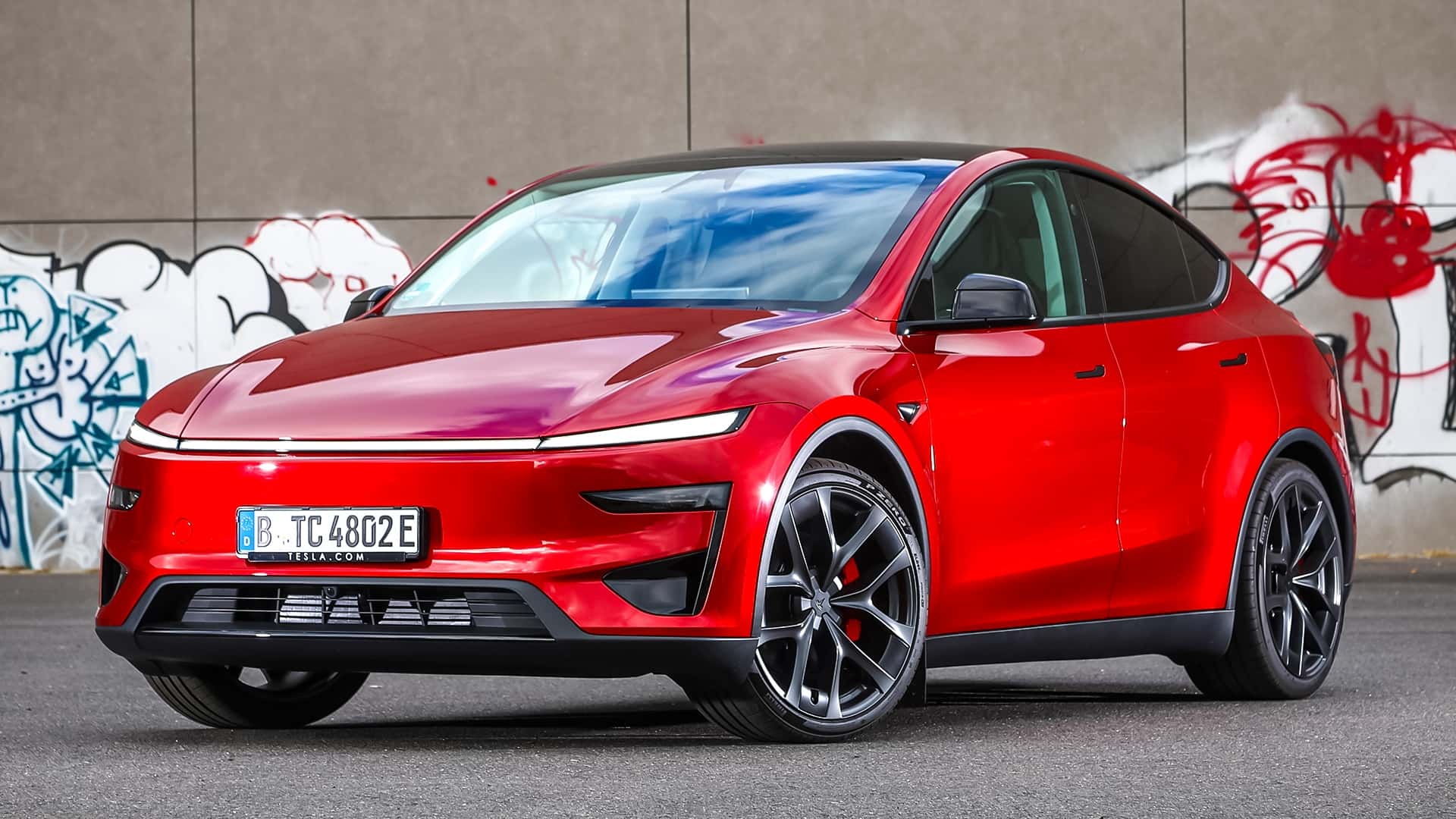
Tesla has also rescinded the "Letters of Compliance" for these specific VINs, which effectively de-registers them for use in the United States. Once bought back, these vehicles may potentially be exported back to Canada, where they meet all local safety requirements, or they may be used for internal testing and parts reclamation.
Regulatory Context: FMVSS vs. CMVSS
This recall underscores the strict nature of the "Importation of Vehicles and Equipment" laws enforced by the NHTSA and U.S. Customs and Border Protection. Under the National Traffic and Motor Vehicle Safety Act, a vehicle that was not originally manufactured to comply with all applicable FMVSS cannot be permanently imported into the U.S. unless it is determined to be "substantially similar" to a U.S.-certified model and can be modified to comply.
In this case, while the Model 3 and Model Y are sold in both countries, the lack of knee airbags represents a significant safety equipment gap that prevents a simple "substantial similarity" designation without physical modification. The U.S. is one of the few markets that heavily emphasizes knee airbags as part of its frontal crash protection strategy, whereas European and Canadian standards often rely more heavily on advanced seatbelt pretensioners and different dashboard geometries to achieve similar safety outcomes.
The bumper standard (Part 581) is another area of historical divergence. For decades, U.S. bumper laws were more stringent than those in many other parts of the world, requiring 5-mph impact protection. While these standards have evolved, the specific testing cycles required for U.S. certification remain a hurdle for vehicles built for secondary markets.
Broader Implications for Tesla and the Automotive Industry
For Tesla, this recall is an administrative anomaly rather than a systemic engineering failure. The company’s manufacturing process is highly automated and centralized, but the logistics of moving thousands of vehicles across international borders involve complex documentation and customs procedures. This incident highlights the importance of "market-locking" vehicle configurations during the production and shipping phases to prevent cross-border mix-ups.
From an industry perspective, this event serves as a reminder of why the "25-year rule" exists in the United States. This law prevents the importation of non-compliant foreign vehicles until they are 25 years old, at which point they are exempt from FMVSS. The Tesla recall demonstrates that even nearly identical cars from a neighboring country like Canada can be deemed "illegal" if they miss even one specific U.S. safety mandate.
The impact on Tesla’s reputation is expected to be negligible, given the extremely low volume of vehicles involved and the proactive nature of the buyback. Unlike recalls involving battery fires or Autopilot malfunctions, this issue does not suggest a flaw in Tesla’s core technology. Instead, it is a matter of regulatory "border control" for automotive hardware.
Official Statements and Safety Record
Tesla has confirmed that there have been no reported crashes, injuries, or fatalities associated with the 15 non-compliant vehicles. The company’s decision to buy back the cars is a precautionary measure to ensure total adherence to federal law and to maintain its safety rating standing with the NHTSA.
A Tesla spokesperson noted that the company is committed to the highest standards of safety and regulatory compliance. "We are working closely with the affected customers to ensure a seamless transition into new, fully compliant vehicles. While these cars met the rigorous safety standards of the Canadian market, we recognize the importance of meeting the specific requirements of every jurisdiction where our vehicles are operated."
The NHTSA has monitored the situation and approved Tesla’s remediation plan. The agency continues to emphasize that compliance with FMVSS is non-negotiable, as these standards are designed to provide a uniform level of safety for all occupants on American roads.
Conclusion
The recall of 15 "Canadian" Teslas serves as a fascinating case study in the minutiae of international trade and automotive safety regulation. It illustrates that in the eyes of federal regulators, a vehicle is not merely a collection of parts, but a certified safety system that must adhere to the specific legal code of the land. By choosing to buy back the vehicles rather than attempt a difficult retrofit, Tesla has prioritized regulatory cleanliness and customer safety, effectively closing the book on one of the smallest and most unusual recalls in recent history. Owners of the affected Model 3 and Model Y units will likely find themselves in newer, U.S.-compliant versions of their cars by the end of the quarter, while the automotive industry receives a clear reminder of the importance of market-specific manufacturing.