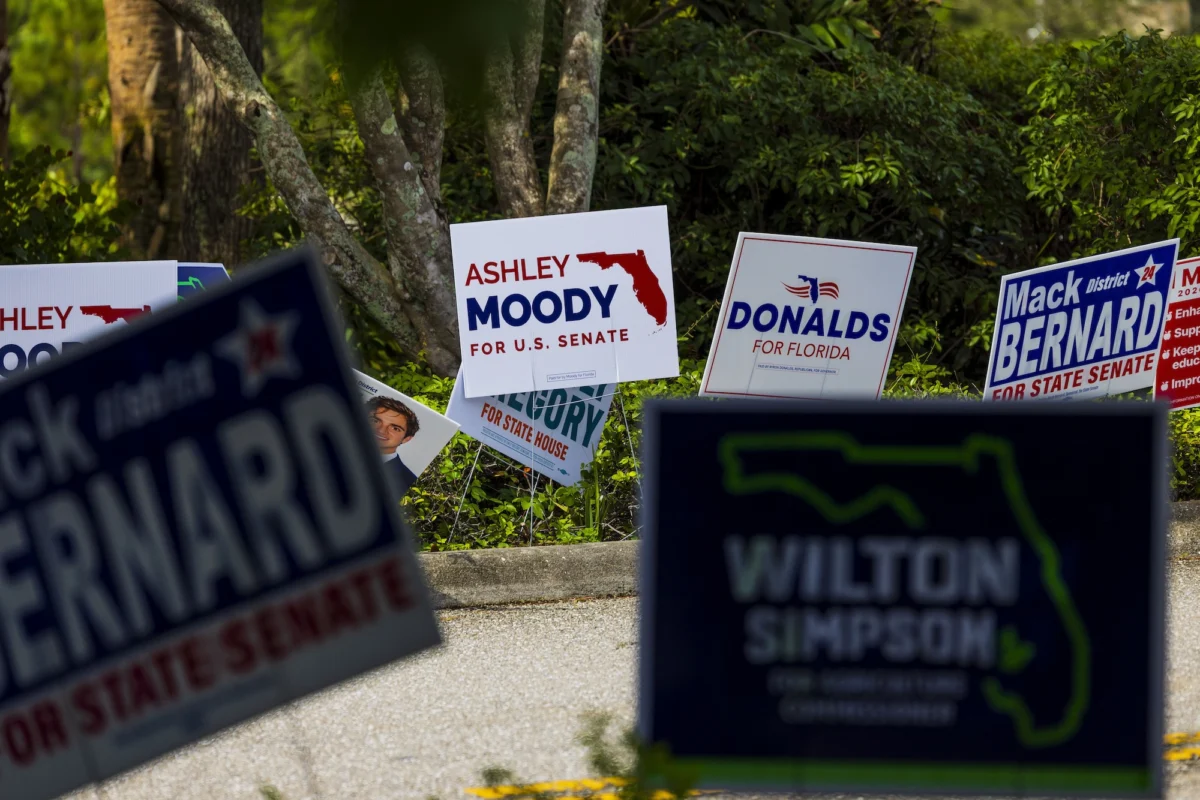
The Democratic Party secured a commanding victory in Tuesday’s midterm elections, seizing control of both the Senate and the House of Representatives while establishing majorities in several critical state legislatures. Driven largely by voter anxiety over rising inflation, escalating energy prices, and the economic fallout of the Trump administration’s foreign policy actions—specifically the war in Iran—the Democratic surge penetrated deep into traditional Republican strongholds like Ohio and South Carolina. This comprehensive legislative sweep promises to fundamentally alter the trajectory of environmental policy, energy infrastructure, and disaster management across the United States, erecting a formidable legislative roadblock against President Donald Trump’s aggressive deregulatory agenda.

Congressional Leverage and the Power of the Purse
During the first two years of President Trump’s term, congressional Democrats found themselves largely sidelined, restricted to issuing strongly worded oversight letters and press releases as the administration systematically dismantled federal climate initiatives. The executive branch successfully suspended tens of billions of dollars in clean energy funding allocated by the 2022 Inflation Reduction Act, rolled back greenhouse gas emission standards for motor vehicles and power plants, and hollowed out core institutions such as the U.S. Forest Service and the Federal Emergency Management Agency (FEMA).
With majorities in both chambers of Congress, the newly empowered Democratic majority possesses the institutional teeth required to halt these rollbacks. House and Senate committees can now issue legally binding subpoenas to compel testimony from administration officials, such as Environmental Protection Agency Administrator Lee Zeldin and Department of Energy leadership, regarding the withholding of appropriated funds. Furthermore, Democrats hold decisive leverage over must-pass federal funding bills, putting them in a position to force the administration to negotiate on budgetary matters to avert government shutdowns. Democratic appropriators have signaled intentions to attach stringent riders to upcoming spending legislation, threatening to withhold operational or travel budgets from agencies that fail to disburse renewable energy grants as originally mandated by statute.

Historic State-Level Turnovers and Legislative Trifectas
While the shifts in Washington carry immense national significance, the tectonic political realignments at the state level may prove even more consequential for localized climate and energy policy. Election analysts confirmed that Democrats captured full control of state governments—achieving legislative "trifectas"—in Wisconsin, Arizona, and Pennsylvania, shattering decades of divided or Republican rule in these pivotal regions.
In Pennsylvania, the newly minted Democratic trifecta has opened the door for sweeping energy reforms. State lawmakers have announced plans to streamline the deployment of community and warehouse solar installations, expand battery energy storage systems, and preempt local municipal bans on renewable energy infrastructure. Meanwhile, in Georgia, voters flipped both the governor’s mansion and control of the state’s Public Service Commission, transferring regulatory authority over massive utilities like Georgia Power away from conservative appointees for the first time in three decades.

The Data Center Backlash and Economic Anxieties
Economic pressures played a decisive role in shaping the electoral map, with energy and utility costs emerging as central voter concerns. Beyond the gasoline price spikes tied to the administration’s military entanglements abroad, voters expressed deep frustration over soaring home heating bills, escalating property insurance premiums in climate-vulnerable states like Florida, and the explosive, resource-intensive expansion of artificial intelligence data centers.
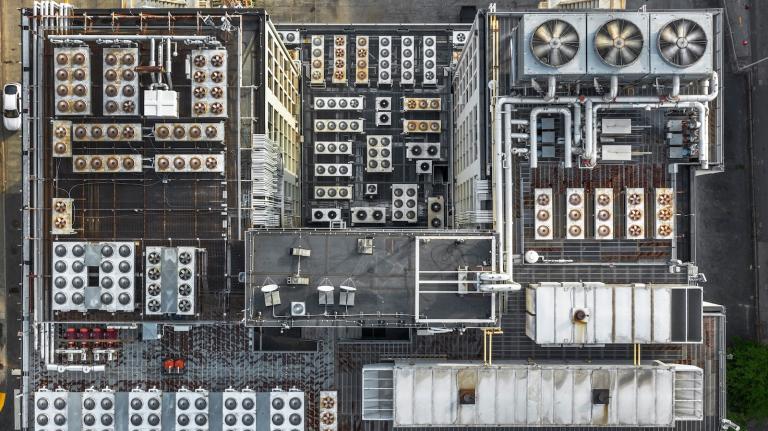
The rapid proliferation of data centers transformed municipal and statewide politics across the American heartland. In Texas, state Representative Gina Hinojosa mounted a historic upset victory over incumbent Governor Greg Abbott by campaigning heavily on a proposed moratorium on new data center construction, accusing the administration of prioritizing tech industry interests over public resource conservation. Similar dynamics played out in congressional and senatorial contests across Ohio, Pennsylvania, and South Carolina, where Democratic challengers successfully weaponized public skepticism toward data centers, which have significantly increased regional electricity demand and driven up consumer utility rates. At the local level, dozens of municipalities—such as Sunbury, Ohio—passed ballot measures restricting data center developments by wide margins, reflecting a rare bipartisan consensus against unchecked industrial expansion.
State-by-State Highlights and Surprising Upsets
The midterm cycle was marked by several unprecedented electoral breakthroughs and hard-fought defensive victories for climate advocates:
- Texas Senate Seat Flips Blue: State Representative James Talarico secured a historic victory in the Texas U.S. Senate race, defeating scandal-plagued Republican Attorney General Ken Paxton. Talarico campaigned on an "all-of-the-above" energy platform designed to protect traditional oil and gas employment while aggressively scaling up the state’s massive renewable energy sector.
- Montana Sends a Progressive Wildland Firefighter to the House: In Montana’s competitive western district, former wildland firefighter and union leader Sam Forstag claimed victory over Republican Aaron Flint. Forstag, who ran on a platform emphasizing public land protection and grid modernization, became the first Democrat to win the seat in over thirty years, buoyed by the immediate fallout of federal workforce reductions within land management agencies.
- Climate Hawks Defeat Redistricting Challenges: In Florida’s 14th Congressional District and Ohio’s 9th Congressional District, veteran Democratic representatives Kathy Castor and Marcy Kaptur successfully defended their seats against tough reelection bids in districts specifically redrawn by conservative state legislatures to eliminate them. Both lawmakers are expected to spearhead forthcoming congressional investigations into the unlawful diversion of clean energy funds.
- Public Transit Wins Broad Support: Ballot measures designed to expand and fund public rail and bus networks achieved resounding victories across the country. California’s Bay Area approved a regional transit sales tax projected to generate $1 billion annually, while Colorado voters overwhelmingly passed Measure 7A to establish the Front Range passenger rail corridor
. Similar expansions passed in Seattle, Washington, and Lawrence, Kansas.

- Michigan Constrains Utility Political Spending: Michigan voters approved Proposal 2, an unprecedented ballot initiative aimed at curbing corporate political influence. The measure bars electric and gas utilities, along with their top executives, from contributing to state political campaigns, directly targeting voter anger over chronic blackouts and rising electricity bills.
Implications for Federal Oversight and Disaster Resilience
The 2026 midterms have fundamentally altered the balance of power in American governance. By reclaiming legislative majorities in Congress and capturing critical state-level trifectas, the Democratic Party has insulated key climate resilience programs from complete executive dismantling. As federal agencies face heightened congressional oversight and state regulators pivot toward renewable energy expansion and grid modernization, the political landscape entering the second half of the decade reflects a distinct public mandate for energy affordability, environmental accountability, and sustainable infrastructure development.