The 2026 MTV Video Music Awards returned to the cultural epicenter of Los Angeles on Sunday night, transforming the Peacock Theater into a sprawling, high-octane spectacle of music and visual storytelling. Broadcasting live across CBS, MTV, and the Paramount+ streaming platform, the ceremony functioned as both a celebration of the current state of global pop music and a reflective look at the industry’s most enduring legacies. From the inaugural presentation of the artist director honor to surprise tribute performances, the evening served as a comprehensive barometer for the trends defining the mid-2020s.
A Star-Studded Opening Led by Madonna
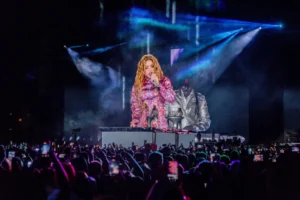
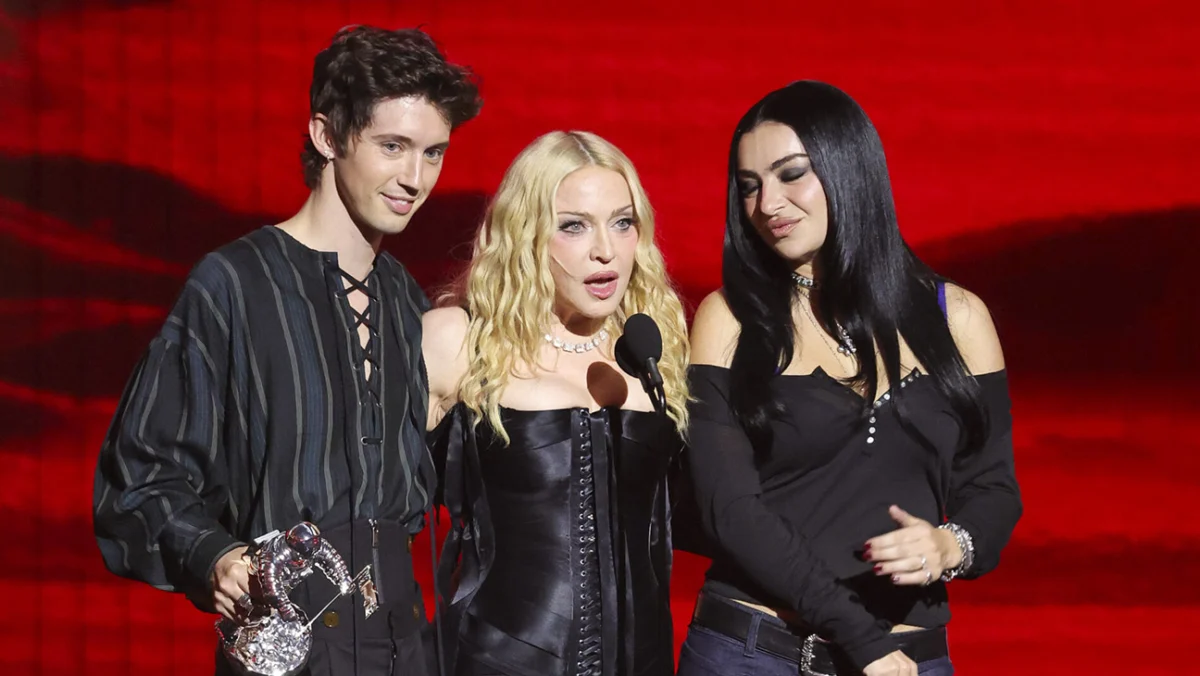
The ceremony commenced with an ambitious performance that bridged generational divides, as pop icon Madonna opened the show with a medley of "Bring Your Love" and the collaboration "Danceteria Afterhours." The set featured contemporary superstars Sabrina Carpenter and Charli XCX, signaling the event’s focus on the synthesis of legacy and modern pop. Madonna’s entrance—beginning atop a grand piano before transitioning into a complex, choreographed routine—evoked the theatricality of her 2003 VMA appearance, which remains one of the most discussed moments in the show’s history. By utilizing a moving platform and a choir dressed in monastic habits, the production team underscored the theatrical nature of the awards, setting a high bar for the remainder of the evening.
This opening segment also served to highlight the global reach of the awards. Shortly after the performance, K-pop sensation Lisa secured the Best Pop award for "Dream," featuring Kentaro Sakaguchi. Her subsequent debut performance of the single "SaWaDiKa" further solidified the international influence currently driving the charts, reflecting MTV’s ongoing shift toward a borderless musical landscape.
Hosting Duties and the Return to Los Angeles
Returning to Los Angeles for the first time since 2017, the VMAs utilized host Snoop Dogg to bridge the gap between the event’s West Coast roots and its modern global identity. In his opening monologue, the rapper balanced industry humor with a tribute to the venue change, emphasizing the importance of the L.A. music scene. His commentary, which playfully targeted the night’s high-profile performers, provided a necessary levity to the proceedings. The shift back to Los Angeles marks a strategic decision by Paramount to leverage the region’s concentration of music industry talent, potentially signaling a more permanent home for the annual production.
Honoring Legacies: Nirvana and Dolly Parton
A significant portion of the evening was dedicated to institutional memory. The presentation of the Video Vanguard Award to the surviving members of Nirvana—Dave Grohl, Krist Novoselic, and Pat Smear—served as a poignant reminder of the enduring impact of the 1990s grunge movement. Chuck D of Public Enemy, who delivered the induction speech, framed Nirvana’s contribution as one of authenticity and defiance against formulaic pop production. The segment, which included a pre-taped retrospective, was underscored by a candid acceptance speech where the band credited the late Kurt Cobain as the driving creative force behind their iconic music videos.
Simultaneously, the ceremony honored the late Dolly Parton, who passed away in August 2026 at the age of 80. Kacey Musgraves provided a remote performance of "I Will Always Love You," offering a bridge between country music’s traditional roots and its contemporary evolution. This tribute, occurring at the Peacock Theater while Musgraves performed from another location, highlighted the logistical capabilities of modern award shows to curate emotionally resonant moments despite geographical limitations.
Taylor Swift’s Continued Dominance
Taylor Swift continued her historic streak at the VMAs, taking home the coveted Video of the Year award for "The Fate of Ophelia." This win extends her standing as the most decorated artist in the category’s history. Her acceptance speech focused on the technical rigors of production, specifically highlighting her collaboration with cinematographer Rodrigo Prieto and choreographer Mandy Moore.
Beyond her accolades, Swift utilized the platform to debut the music video for her new single, "Patient Zero." The video, which features Dakota Johnson and Colin Farrell, serves as a narrative expansion of her visual storytelling style, blending cinematic quality with the thematic depth often associated with her songcraft. The premiere, following her receipt of the inaugural Artist Director honor, reinforces her transition from a traditional recording artist to a holistic creative director, a role increasingly common among modern superstars.
A Night of Diverse Musical Tributes
The tribute to the late George Michael was a surprise highlight of the evening. Featuring a rotating lineup of artists including Sombr, Raye, Teddy Swims, and a surprise appearance by Adam Lambert, the segment transcended the typical boundaries of an "album anniversary" performance. By incorporating both hits from the Faith era and later anthems like "Freedom ’90," the performance showcased the versatility of Michael’s catalog. The decision to include Adam Lambert was particularly well-received, as it provided a vocal power that matched the theatricality of Michael’s original live arrangements.
Raye, who performed her social-media-viral hit "Where Is My Husband!" earlier in the evening, demonstrated the power of digital virality in propelling artists to main-stage status. Her performance, characterized by its striking red aesthetic and high-energy choreography, served as a case study in how artists can leverage viral trends to command traditional media platforms.
Industry Implications and Technical Mastery
The closing of the show, featuring a performance of "Storm" by Gener8ion and Yung Lean, mirrored the night’s focus on experimental choreography and high-concept visuals. The positive reception to this performance suggests that the VMAs are continuing to prioritize visual artistry as much as vocal performance.
From a production standpoint, the 2026 VMAs highlighted the industry’s increasing reliance on "hiding the cuts" and fluid, continuous-shot sequences, as noted by Swift during her acceptance speech. This emphasis on technical precision reflects a broader trend in music video production, where the barrier between short-form digital content and high-budget filmmaking continues to dissolve.
Conclusion and Looking Ahead
The 2026 MTV Video Music Awards proved to be a balancing act between honoring the past—through the Nirvana and Dolly Parton tributes—and aggressively pushing into the future via the work of Swift, Lisa, and the night’s various experimental performances. As the music industry continues to navigate the complexities of global distribution and the changing habits of digital-native audiences, the VMAs remain a vital touchpoint. The event not only recognized the commercial success of its nominees but also reinforced the cultural necessity of the music video as a medium for artistic expression. With the ceremony now available on global streaming platforms, the data gathered from the 2026 show will likely influence the production standards for upcoming awards cycles, setting a standard for both performance quality and digital accessibility.