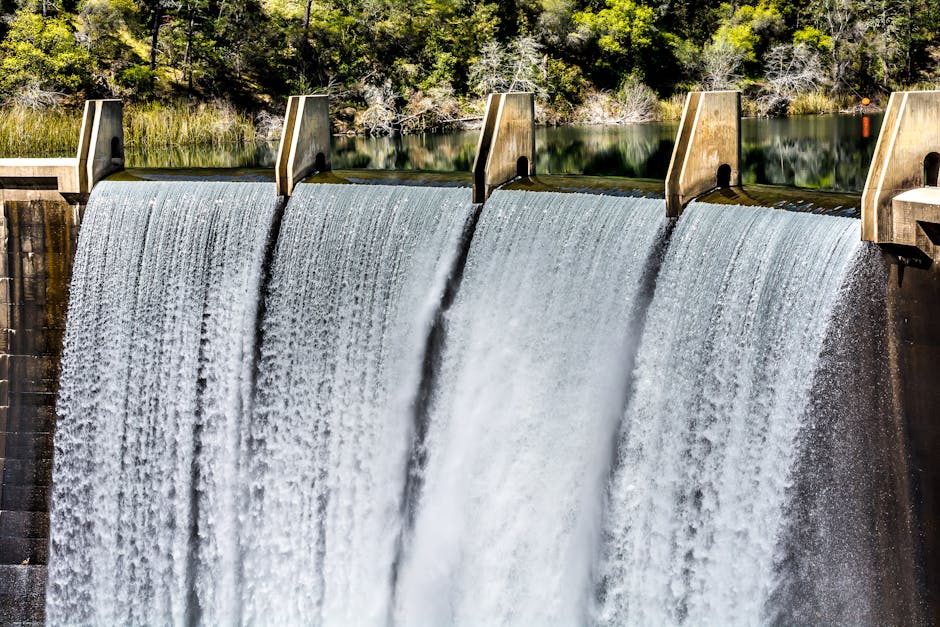
Eel River Dam Removal Stalemate: Political Intervention Threatens Landmark California Conservation Agreement
The meticulously crafted agreement to remove dams on California’s Eel River, a cornerstone of Pacific salmon restoration and watershed health, faces an unprecedented threat from political intervention. This historic pact, forged over years of collaboration between conservationists, tribal nations, and the dam owners, is now entangled in a complex web of legislative maneuvering and public pressure campaigns. At the heart of the controversy lies the potential for political action to derail the carefully balanced compromises that paved the way for one of the most ambitious dam removal projects in the United States. The Eel River, a vital artery of the North Coast’s ecological and cultural landscape, has long been a battleground for resource management. For decades, its anadromous fish populations, particularly steelhead trout and Chinook salmon, have dwindled under the pressure of barriers to migration. The dams – Potter Valley, Cape Horn, and the three dams within the(‘,’,$Scott Dam complex – have not only impeded fish passage but also altered sediment flow and water temperatures, significantly impacting the river’s overall health and the dependent ecosystems. The agreement, initially hailed as a triumph of collaborative conservation, envisioned the removal of these dams in phases, starting with the upstream Cape Horn and Scott dams, to allow for the unimpeded passage of fish and the natural restoration of the river’s flow. The Potter Valley Project, a significant hydroelectric and water diversion facility, was slated for a more complex process, involving potential relicensing with significantly altered operational parameters or eventual removal. This phased approach was designed to address the distinct challenges and benefits associated with each dam, allowing for incremental progress and adaptive management.
The collaborative spirit underpinning the Eel River dam removal agreement was crucial to its development. For years, stakeholders including the Round Valley Indian Tribes, the Hopland Band of Pomo Indians, environmental organizations like California Trout and The Nature Conservancy, and the dam owner Pacific Gas and Electric (PG&E), engaged in a protracted series of negotiations. These discussions were characterized by a willingness to compromise, recognizing the shared interest in a healthy Eel River. The tribes, whose ancestral lands are intrinsically linked to the river, brought a deep historical and cultural perspective, advocating for the restoration of fish runs vital to their traditions and subsistence. Environmental groups focused on the ecological imperative of dam removal, highlighting the anadromous fish populations as critical indicators of watershed health. PG&E, facing increasing regulatory scrutiny and the economic realities of aging infrastructure, saw dam removal as a viable path forward, contingent on managing liabilities and securing compensation. The agreement was not a simplistic victory for one side; it was a testament to the power of sustained dialogue and the pursuit of common ground. It involved intricate negotiations over water rights, fisheries management plans, mitigation strategies, and the financial mechanisms for dam decommissioning and removal. The scientific data underpinning the agreement, particularly concerning fish passage, sediment transport, and the potential ecological benefits of dam removal, was meticulously reviewed and debated, ensuring a science-based foundation for the proposed actions.
However, this carefully constructed consensus is now being challenged by external political forces. Recent legislative proposals and public lobbying efforts aim to fundamentally alter the terms of the agreement, prioritizing alternative solutions that could preserve or significantly modify the dams. These interventions often stem from concerns about water supply reliability, particularly for agricultural interests in the Russian River watershed, which receives water diverted from the Eel River through the Potter Valley Project. Critics of the dam removal plan argue that eliminating the Potter Valley diversion would jeopardize irrigation for vineyards and farms, impacting the regional economy and potentially leading to water shortages during dry years. This perspective, while highlighting legitimate concerns, often overlooks the broader ecological and economic benefits of a restored Eel River, including improved fisheries that support local communities and tourism, and the potential for increased groundwater recharge and flood control benefits downstream. The political pressure is manifesting in several key areas. Legislation has been introduced in both state and federal arenas that could mandate the continued operation of the dams, require re-evaluations of their necessity, or introduce new conditions that make removal economically or logistically unfeasible for PG&E. These legislative efforts are often accompanied by intense lobbying campaigns, funded by groups with vested interests in maintaining the status quo, who are actively working to sway public opinion and elected officials.
The legal and regulatory frameworks governing dam relicensing and removal are complex and have historically favored the continued operation of dams unless there is overwhelming evidence of public harm or economic non-viability. This has provided an opening for opponents of dam removal to leverage existing legal avenues and advocate for policies that prioritize dam retention. The Federal Energy Regulatory Commission (FERC), which oversees hydroelectric dam licensing, has played a pivotal role in the Eel River saga. While the agreement aimed to circumvent the traditional FERC relicensing process for the Scott and Cape Horn dams by establishing a clear path to removal, the Potter Valley Project remains under FERC’s purview. Any attempt to alter its operations or mandate its removal would involve lengthy and potentially contentious regulatory proceedings. Political intervention now threatens to inject a different set of priorities into these regulatory processes, potentially delaying or even blocking the removal of dams that are considered essential for the river’s ecological recovery. Furthermore, the potential for "sweetheart deals" or preferential treatment for certain stakeholders, either through legislative carve-outs or regulatory exemptions, is a constant concern in these high-stakes negotiations. The transparency and impartiality of the decision-making process are paramount to maintaining public trust and ensuring that the best interests of the river and its communities are served.
The implications of this political intervention are far-reaching. If the agreement is significantly altered or abandoned, it could set a dangerous precedent for other dam removal initiatives across the country. The Eel River project was seen as a model for how diverse stakeholders could come together to achieve ambitious conservation goals. Its unraveling would signal a victory for obstructionism and undermine the very foundation of collaborative conservation. For the Eel River itself, a stalled or reversed dam removal process would mean the continued suppression of salmon and steelhead populations, the perpetuation of altered river flows and sediment dynamics, and the loss of immense ecological potential. The economic consequences could also be significant. While opponents focus on the potential loss of water for agriculture, they often underestimate the economic benefits of a thriving fishery, ecotourism, and the long-term economic resilience that comes from a healthy, functioning river ecosystem. The investment in dam removal is not merely an environmental expenditure; it is an investment in the future ecological and economic health of the region. The legal battles and public campaigns waged by opponents are also costly, diverting resources that could otherwise be used for actual restoration efforts.
The conservation and tribal communities involved in the original agreement are mobilizing to counter these political pressures. They are emphasizing the scientific consensus on the benefits of dam removal, highlighting the long-term ecological and economic advantages, and reiterating their commitment to a collaborative solution. Public outreach campaigns are aimed at educating the broader public about the importance of the Eel River and the ecological consequences of inaction. These efforts involve sharing data, testimonials from impacted communities, and engaging with elected officials to ensure that the scientific and collaborative foundations of the agreement are not undermined by short-sighted political expediency. The narrative being pushed by proponents of dam removal focuses on the inherent value of a free-flowing river and the restoration of natural processes. They argue that the perceived economic risks associated with water supply are often exaggerated and can be mitigated through alternative water management strategies and investments in water conservation. The long-term sustainability of the region, they contend, is inextricably linked to the health of its natural resources, and the Eel River is a critical component of that equation.
The future of the Eel River dam removal agreement hinges on the ability of its proponents to maintain political momentum and counter the influence of well-funded opposition. The stakes are exceptionally high, not only for the iconic salmon and steelhead that call the Eel River home but also for the broader landscape of conservation policy in California and beyond. The battle over the Eel River is a stark reminder that even the most carefully negotiated and scientifically grounded conservation agreements can be vulnerable to political interference. The challenge lies in demonstrating that the long-term ecological and economic benefits of a restored Eel River far outweigh the perceived short-term risks and that collaborative solutions, forged through arduous negotiation and compromise, are the most effective path towards a healthy and sustainable future for this vital California watershed. The coming months will be critical in determining whether the Eel River dam removal agreement can withstand the political onslaught or if this landmark conservation endeavor will be sacrificed on the altar of short-term interests and political maneuvering. The outcome will undoubtedly influence the direction of dam removal and watershed restoration efforts for decades to come, serving as either an inspiration for future collaboration or a cautionary tale of political obstructionism.
