Blue Origin, the aerospace enterprise founded by billionaire Jeff Bezos, has officially announced a significant expansion to the architectural scope and payload capability of its flagship heavy-lift launch vehicle, the New Glenn rocket. Revealed in a series of corporate updates, the company has developed a dedicated third stage, designated the GS3, alongside an entirely new high-thrust, simplified first-stage booster engine named Northstar. These upgrades are designed to enhance New Glenn’s flexibility, streamline production workflows, and aggressively position the aerospace firm within the fiercely competitive commercial and government launch markets.
The introduction of the GS3 third stage and the Northstar engine represents a major evolution for a rocket system that has experienced a mix of operational triumphs and high-profile setbacks since its inaugural flight in January 2025. By expanding New Glenn’s upper-stage architecture and revising its propulsion fundamentals, Blue Origin aims to secure a dominant foothold in geostationary orbit (GEO) deployments, cislunar logistics, and deep-space science exploration missions.
Architecture of the GS3 Third Stage
The newly unveiled
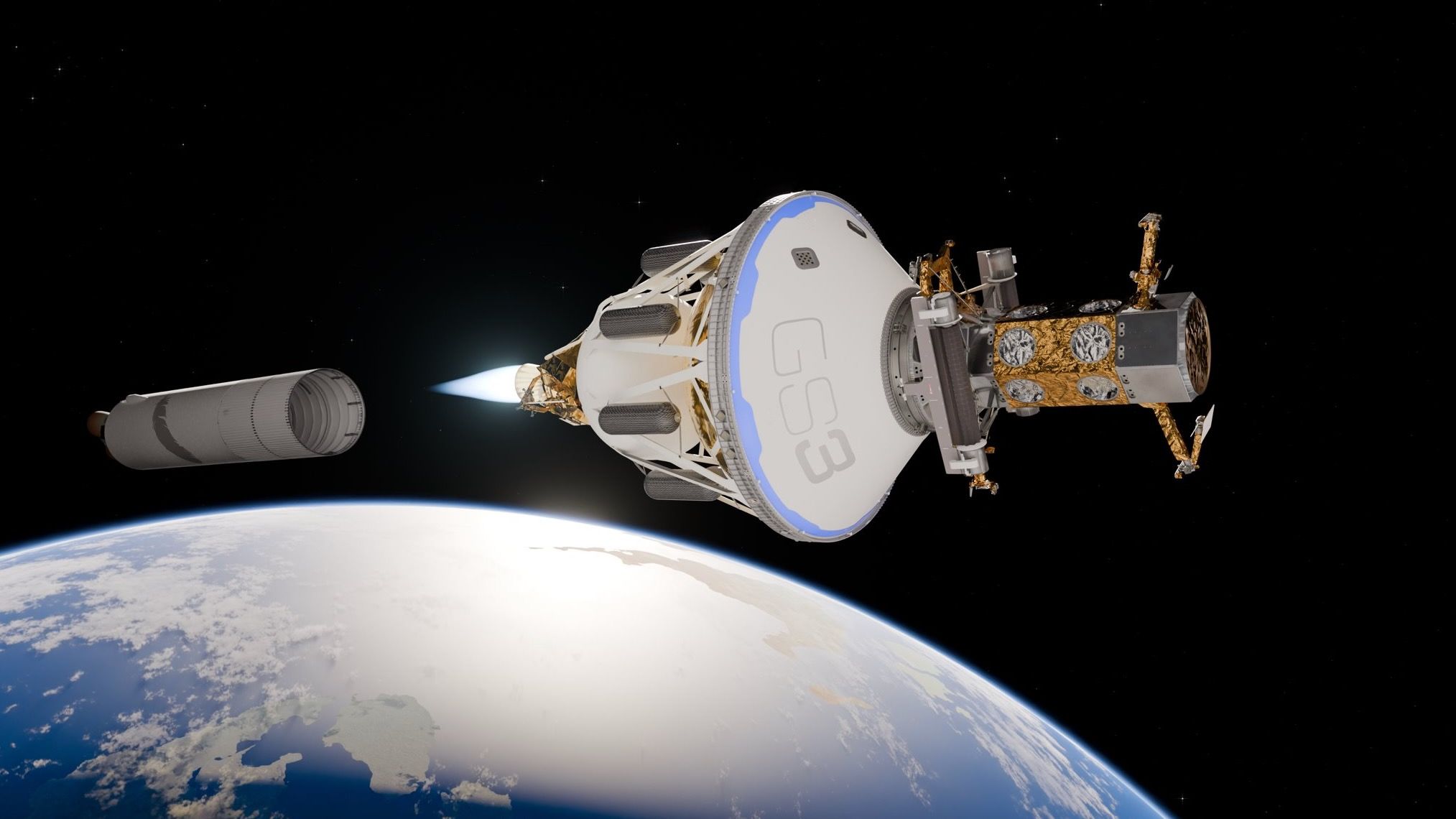
GS3 third stage is engineered to transform New Glenn from a standard two-stage medium-to-heavy launcher into a highly versatile multi-role rocket capable of executing complex direct-injection profiles. According to technical specifications provided by Blue Origin, the GS3 is powered by a single BE-7 liquid oxygen and liquid hydrogen engine. The BE-7 is a high-performance engine originally developed by the company to power its Blue Moon lunar lander, a vehicle selected by NASA as part of the Artemis program to ferry astronauts to the lunar surface.
By integrating the BE-7 into the GS3 upper stage, Blue Origin unlocks the capability to perform direct deployments of satellite constellations directly into geostationary orbit, bypassing the traditional, multi-burn intermediate transfer orbit phases typically required by conventional upper stages. Furthermore, the GS3 is expected to heavily support heavy-lift science missions, national security payloads, and deep-space exploration initiatives targeting the moon and beyond.
Company engineers highlight that the third stage can support sustained operations around the lunar environment. By delivering substantial payload mass directly onto trans-lunar injection (TLI) trajectories, the GS3 shortens transit times for payloads while preserving critical spacecraft propellant for on-orbit maneuvering and station-keeping once the spacecraft reaches its destination. Demand for these advanced orbital delivery capabilities has already materialized; Blue Origin confirmed that an undisclosed government customer has formally booked a GS3-equipped New Glenn mission targeting cislunar space in 2028.
The Northstar Engine: A Leap in Propulsion Efficiency
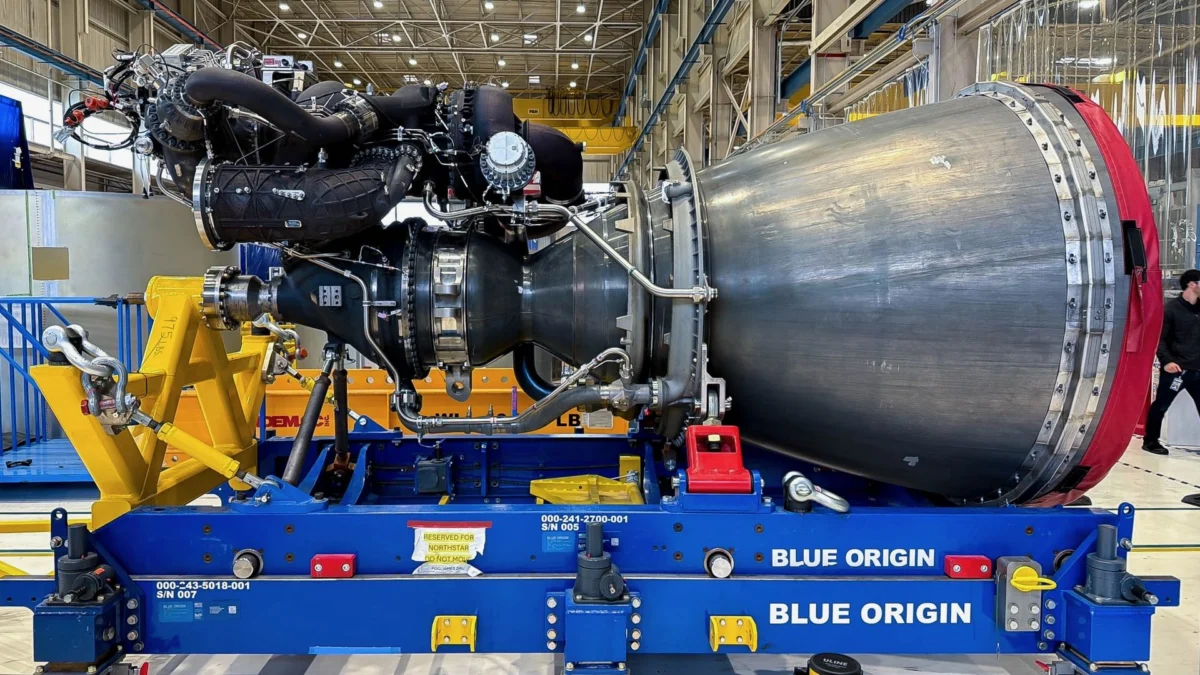
Alongside the upper-stage announcement, Blue Origin revealed development progress on Northstar, an advanced first-stage booster engine intended to eventually complement or succeed components of the rocket’s propulsion architecture. Like the company’s flight-proven BE-4 engine, Northstar burns a cryogenic combination of liquid oxygen and liquid methane, commonly referred to in the aerospace industry as methalox.
However, Northstar has been engineered to address two major pain points in modern rocket manufacturing: high component complexity and lengthy production timelines. Blue Origin stated that the Northstar engine reduces total mass by 30 percent and cuts overall parts count by 50 percent compared to the BE-4. Despite its streamlined design and lower complexity, Northstar delivers a higher thrust output, ramping up from the BE-4’s 640,000 pounds-force to an impressive 715,000 pounds-force per engine.
Advanced manufacturing techniques have also dramatically compressed production schedules for the new powerplant. Blue Origin reported that a complete Northstar engine can be assembled in less than a day. Remarkably, the engine program transitioned from initial executive approval to active development testing in just 11 months. While Blue Origin has not yet committed to a specific maiden flight date for the Northstar engine, its rapid development cycle points toward a future where heavy-lift first stages can be manufactured and turned over at unprecedented industrial speeds.
New Glenn Chronology and Operational Context
To understand the strategic timing of these announcements, it is necessary to examine New Glenn’s recent operational history, which has been characterized by rapid technological iteration alongside high-stakes challenges.
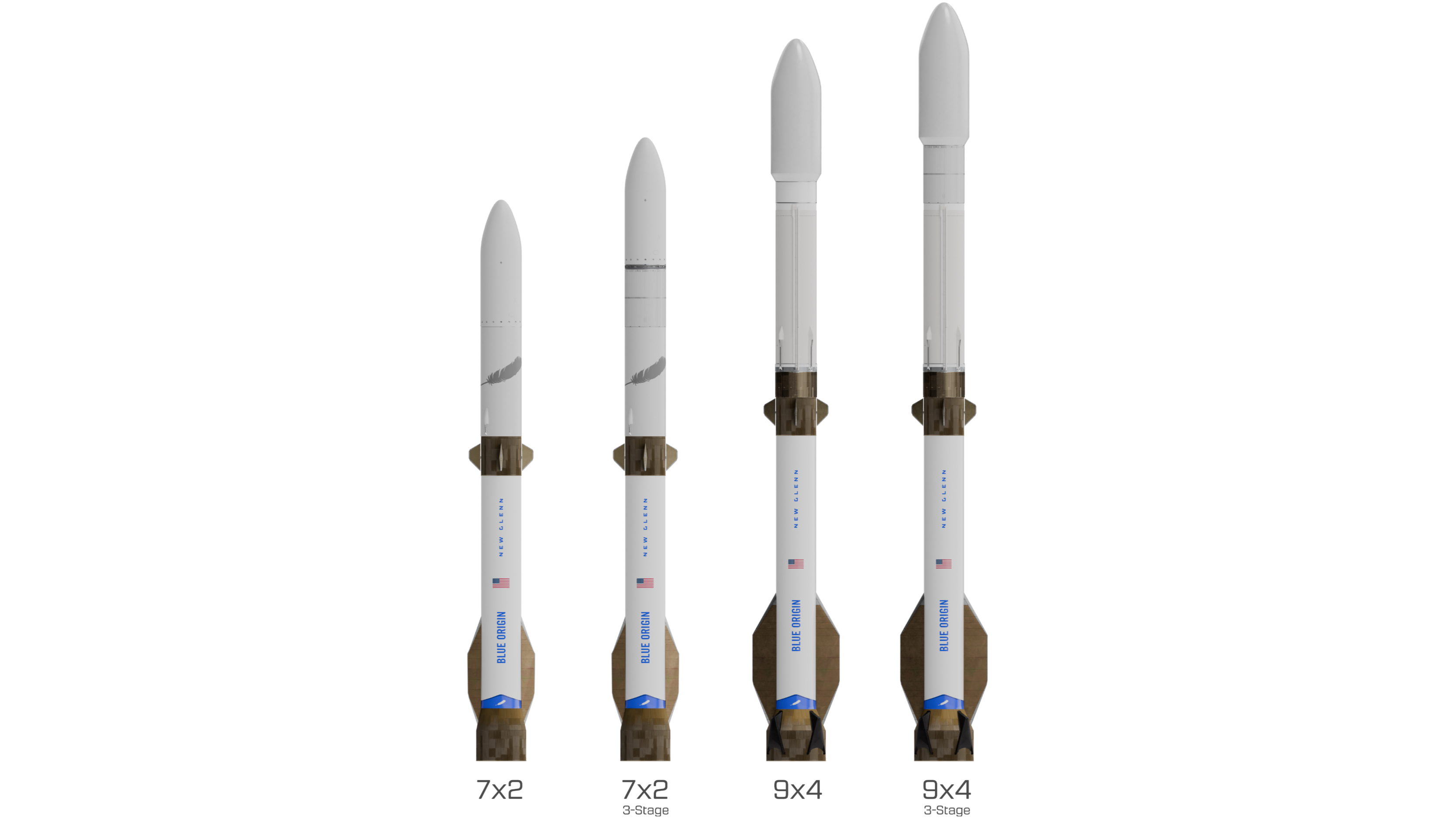
New Glenn currently operates in a standard configuration known as the "7×2," standing 322 feet (98 meters) tall. Its reusable first stage is powered by seven BE-4 engines, while its second stage utilizes two BE-3U engines. In this baseline configuration, the vehicle can haul up to 14.3 tons (13 metric tons) to geostationary transfer orbit (GTO) and approximately 50 tons (45 metric tons) to low Earth orbit (LEO). Blue Origin also previously announced plans for a super-heavy variant, the "9×4," which will feature nine first-stage BE-4 engines and four upper-stage BE-3Us. Standing nearly 400 feet (122 meters) tall, the 9×4 variant will be capable of lofting 15.4 tons (14 metric tons) to GTO and 77 tons (70 metric tons) to LEO.
The vehicle’s flight campaign began in January 2025 with a successful maiden voyage. A second flight followed in November 2025, during which Blue Origin successfully landed the massive New Glenn first-stage booster for the first time following a Mars-escapade launch for NASA. The third flight took place on April 19 of this year. While the rocket successfully lifted off, the mission did not go entirely according to plan: the vehicle deployed AST SpaceMobile’s massive BlueBird 7 mobile communications satellite into an incorrect orbit, resulting in the total loss of the spacecraft.
Operational difficulties deepened a month later when, on May 28, a New Glenn vehicle suffered a catastrophic explosion on the pad during a routine prelaunch static-fire engine test at Cape Canaveral Space Force Station in Florida. The blast caused extensive damage to the launch infrastructure. Blue Origin immediately initiated a comprehensive recovery and reconstruction effort, rebuilding the pad with a radically updated design to ensure enhanced safety and operational resilience. The company has targeted late this year for New Glenn’s fourth flight, signaling confidence in its return-to-flight preparations.
Strategic Implications and Market Dynamics
The simultaneous revelation of the GS3 third stage and the Northstar engine underscores Blue Origin’s long-term strategy to capture high-value contracts across commercial, civil, and defense sectors. As the commercial space industry shifts toward mega-constellations, heavy lunar logistics, and deep-space infrastructure, launch providers are under intense pressure to offer customized, cost-effective orbital insertion services.
The addition of the GS3 directly addresses a lucrative sector of the market currently dominated by specialized upper stages and heavy-lift competitors like SpaceX’s Falcon Heavy and Starship systems. By offering direct-to-GEO and direct-to-TLI delivery, Blue Origin can pitch New Glenn to telecommunications operators and national security agencies seeking to maximize satellite lifespan by saving precious onboard chemical propellant during orbital transfers.
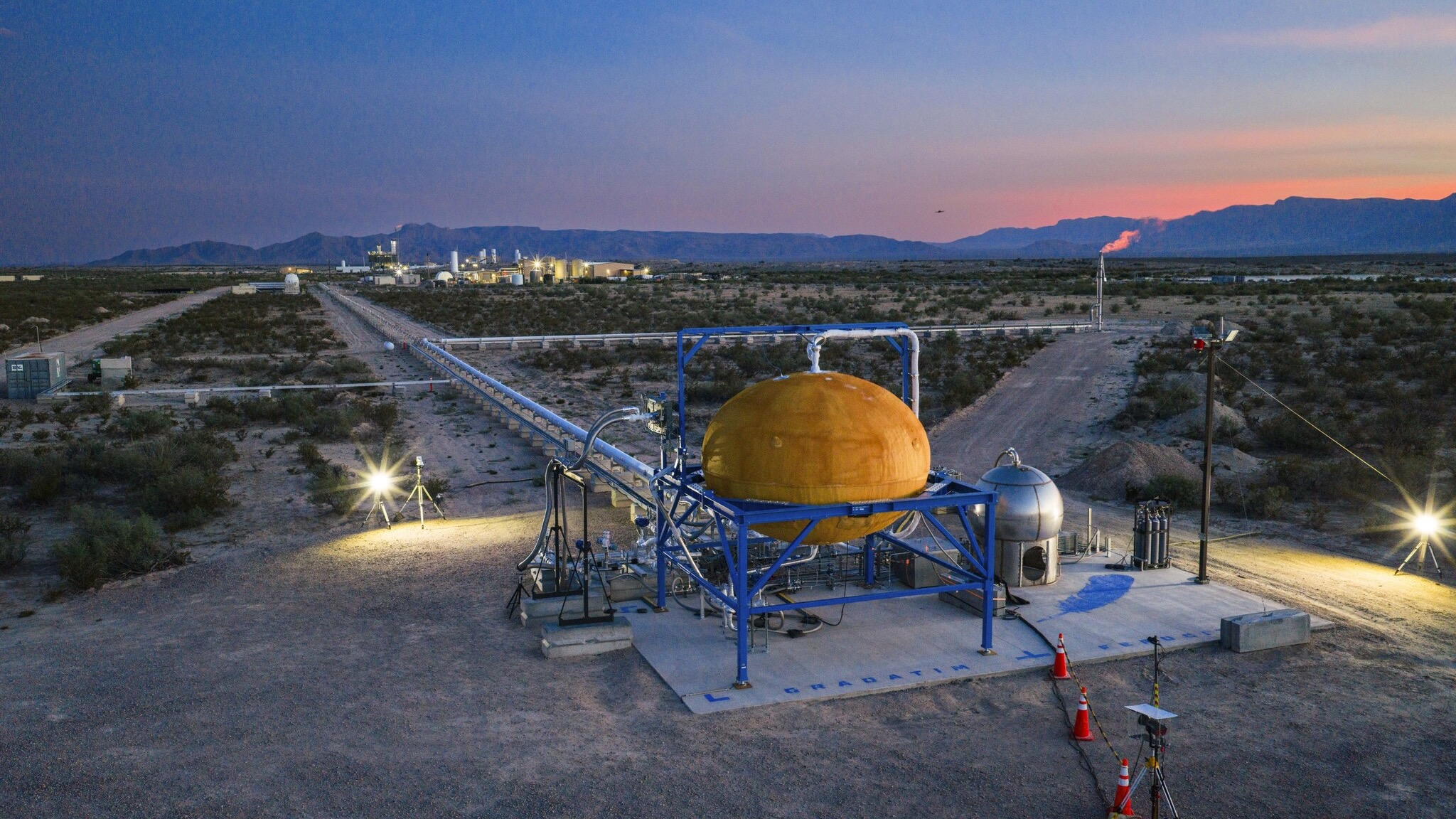
At the same time, the development of the Northstar engine points to an internal drive to optimize manufacturing costs and scale production capacity. In an era where rocket reusability reduces the demand for newly built boosters, maximizing the efficiency and speed of engine fabrication remains vital for scaling corporate fleets and maintaining profit margins in a hyper-competitive launch landscape.
With its launch pad nearing operational readiness at Cape Canaveral, its engineering teams simultaneously refining upper-stage capabilities for 2028 cislunar missions, and advanced propulsion systems moving rapidly through testing, Blue Origin is steadily transforming New Glenn into a highly adaptable, multi-configuration family of heavy-lift rockets designed to shape the next decade of space exploration.