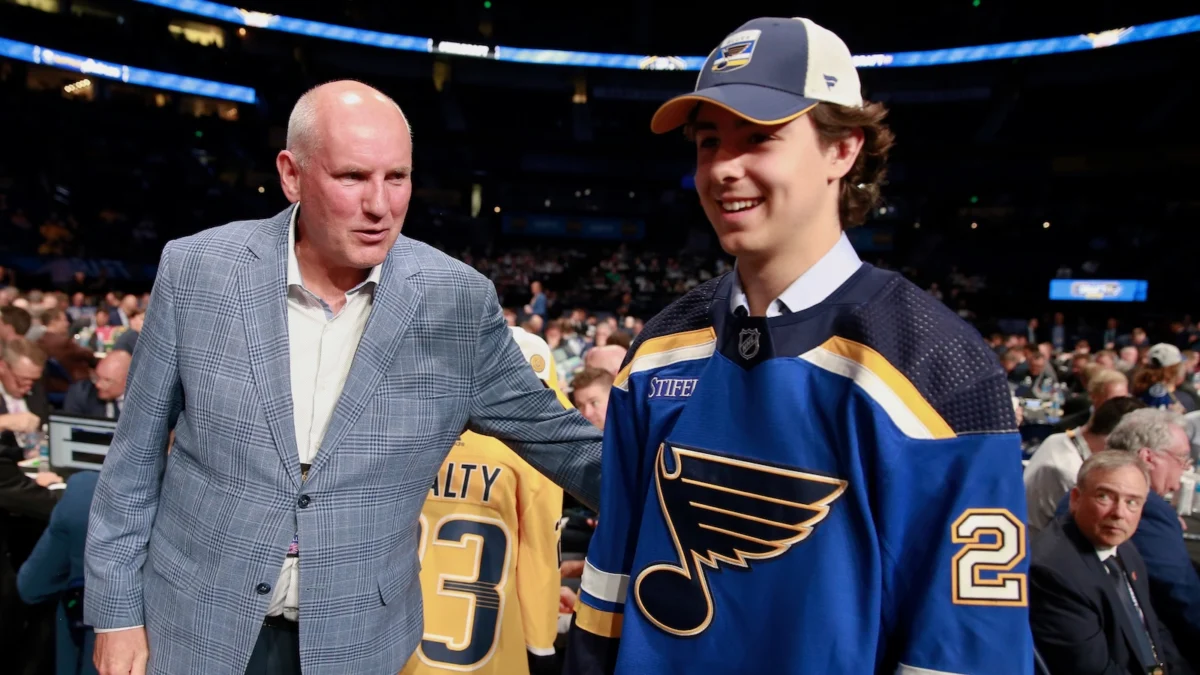
The bright morning sun cast a harsh glare over Sun Angel Stadium in Tempe, Arizona, as Matthew Mayich stepped onto the turf at approximately 7:00 a.m. on August 20. For the 21-year-old St. Louis Blues hockey prospect, it was supposed to mark a milestone: his first official practice with Arizona State University’s (ASU) hockey team following his transfer. Instead, the early morning session—conducted in mid-80s temperatures that quickly approached 90 degrees Fahrenheit—set off a catastrophic chain of events that has left the collegiate hockey player fighting for his life, ignited a national debate over athletic heat safety, and triggered severe administrative fallout within the university.
Mayich’s hospitalization for what his family’s attorney has identified as exertional heat stroke underscores a persistent, deadly vulnerability in American sports. It highlights a recurring disconnect between established safety guidelines and their actual enforcement at high schools, universities, and professional organizations. As climate change drives ambient temperatures higher and artificial turf fields absorb unprecedented levels of radiant heat, the margin for error in athletic training has effectively evaporated.
A Fateful Morning: The Chronology of a Collapse
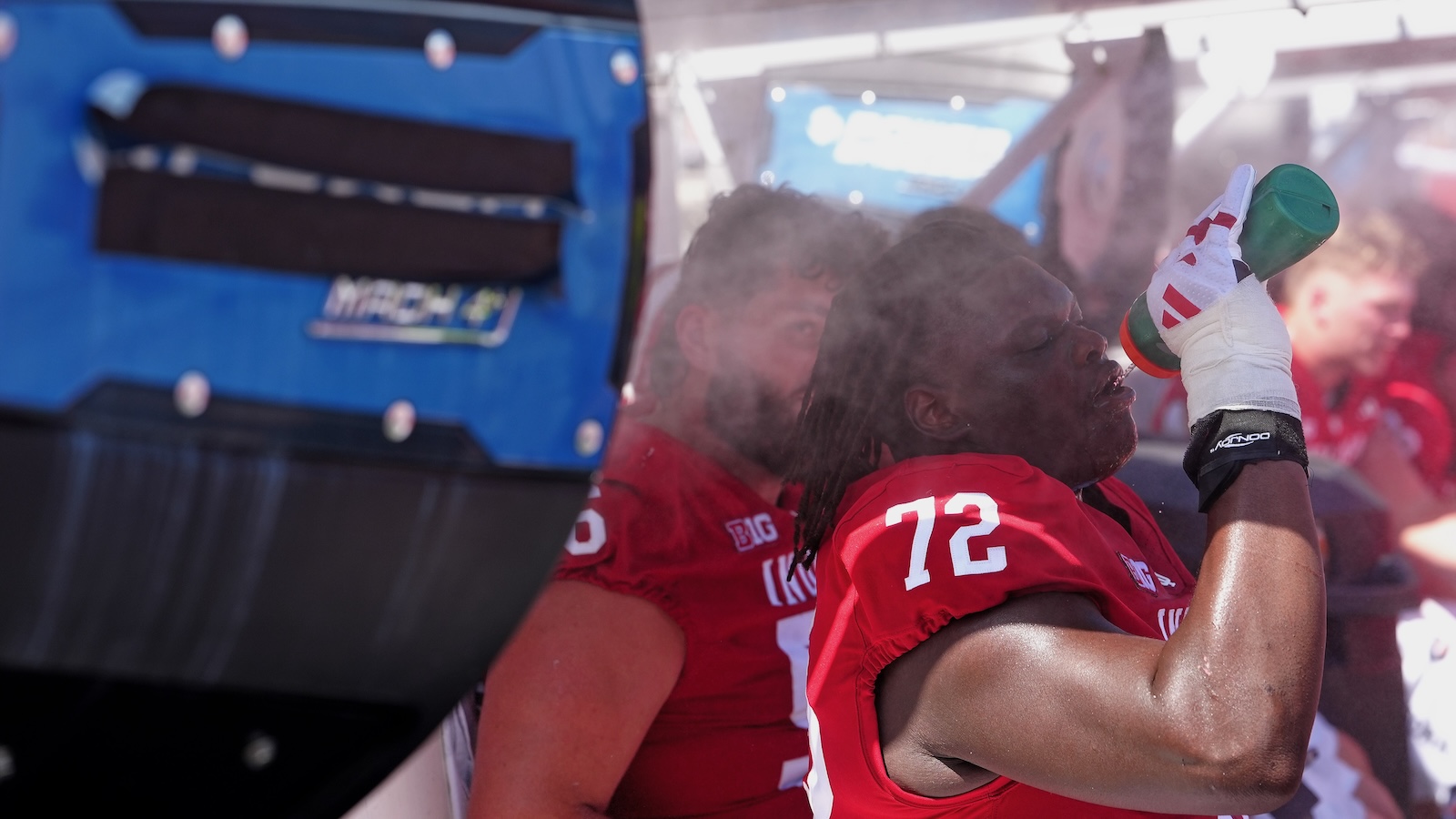
According to university documents, player testimonies, and investigative reports, the fateful practice began immediately with rigorous conditioning. Led by guest trainer and former Green Beret Tim Ziesel, Mayich and his ASU teammates spent at least 45 minutes—though teammates later asserted the duration was closer to 75 minutes—executing high-intensity exercises. The regimen included push-ups, planks, flutter kicks, bear crawls, squats, sprints, and buddy-carries.
Before concluding the session, Ziesel instructed the athletes to perform a medicine ball run as temperatures climbed. It was during this final phase that Mayich visibly deteriorated. According to the university’s timeline, the young athlete struggled, stumbled, dropped the ball, and collapsed. Witnesses and teammates noted that his physical distress had been evident well before this point; he had crawled on his hands and knees, appeared disoriented, and was unable to carry his partner during the buddy-carry drill.
Crucially, teammates stated that water access during the grueling workout was severely restricted, with only those who finished specific drills first given time to hydrate. When Mayich collapsed, athletic staff initially applied iced towels, cool water, and a garden hose spray. However, according to an anonymous letter sent by seven of Mayich’s teammates to ASU President Michael M. Crow, an essential piece of safety infrastructure was missing: an immersion tub. The players alleged that Mayich remained on the hot turf for roughly 17 minutes without effective cooling before emergency services were called. Paramedics eventually transported him to Barrow Neurological Institute, where he remains in critical condition on life support.
Institutional Fallout and Conflicting Accounts
The aftermath of the incident has laid bare deep institutional fractures and a war of words between university officials, legal representatives, and the hockey team.
Head coach Greg Powers initially insisted during a September 23 press conference that he remained the appropriate leader for the program, though he avoided addressing the specific details of the workout. The university subsequently placed Powers on paid leave, more than a month after the incident and just two days after the release of the teammates’ scathing letter. The letter directly contradicted the university’s official narrative, alleging that mandatory safety protocols under ASU’s heat policy—such as on-field wet bulb globe temperature (WBGT) measurements, ice chests, shade breaks, and a cold-water immersion tub—were completely absent during the session.
Meanwhile, legal representatives for both the external trainer and the university have mounted defensive postures. Larry Kazan, an attorney representing Ziesel, maintained that the workout was not as grueling as media reports suggested and claimed his client operated with the approval of the coaching staff. Conversely, John and Christina Mayich, the player’s parents, issued a blunt public statement demanding transparency: "We want accountability for what happened to our son. We want the truth."
In response to mounting pressure, ASU announced the appointment of former Arizona Supreme Court Chief Justice Scott Bales to lead an independent review of the university’s athletic policies and responses, with a completion target of early December. However, family attorney Robert Carey criticized the mandate of the review, arguing it does not go far enough and calling for an independent investigation into specific on-field actions and potential rule violations by the university or the NCAA.
The Broader Epidemic: Extreme Heat and Sports
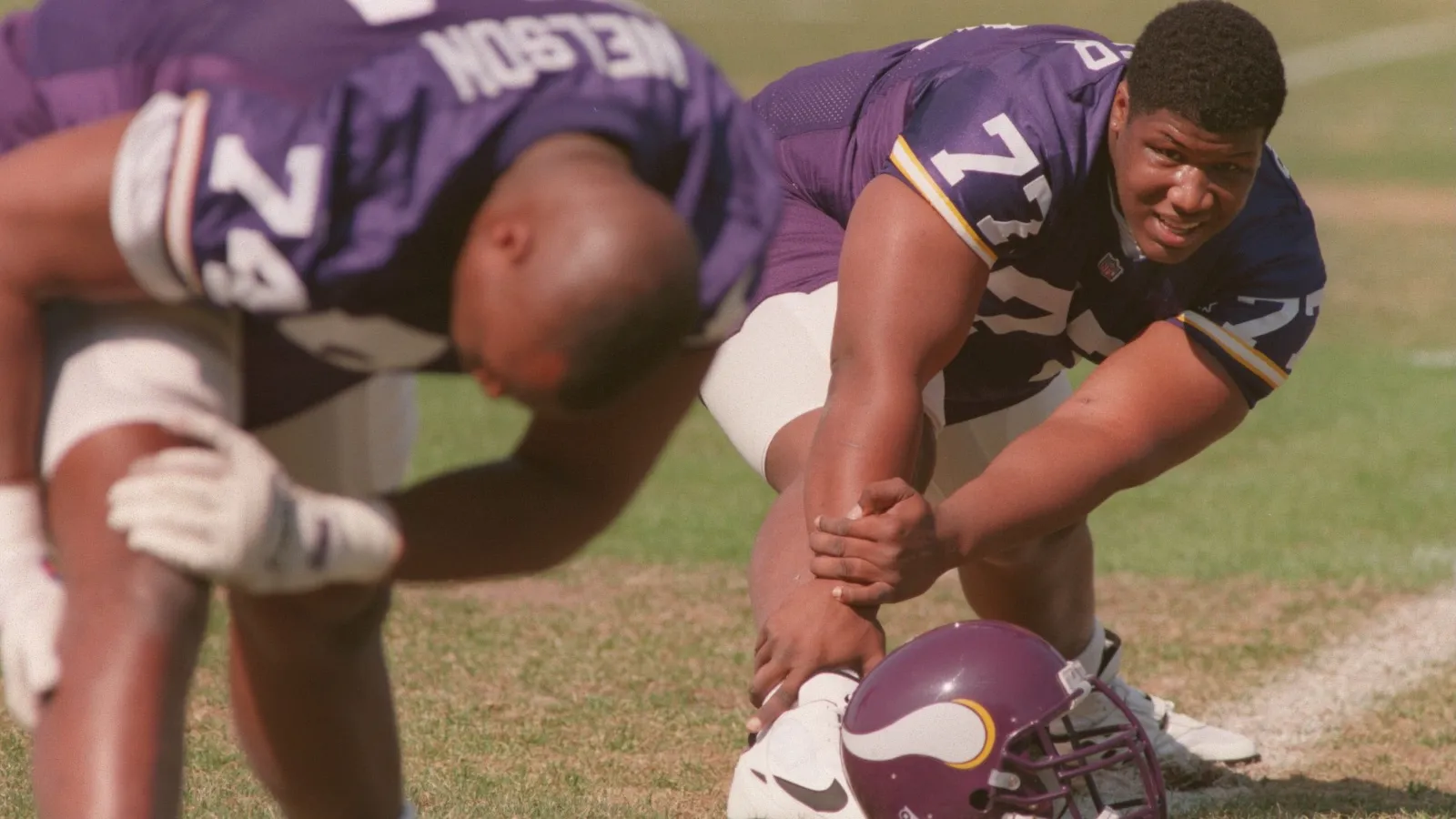
Mayich’s tragedy mirrors historical and contemporary catastrophes that have plagued athletics for decades. Exactly 25 years before Mayich’s hospitalization, Minnesota Vikings offensive lineman Korey Stringer died of exertional heat stroke at age 27 after participating in a high-temperature training camp. Stringer’s death became a watershed moment for the National Football League, prompting structural reforms in professional football safety protocols.
However, the proliferation of extreme heat driven by climate change has created a moving target for athlete safety. According to World Weather Attribution, climate change has at least doubled the likelihood of extreme temperatures in major event hosting regions. Furthermore, the widespread replacement of natural grass with synthetic turf has compounded the hazard. Turf surfaces regularly absorb and retain extreme solar radiation; a recent NFL game in Nashville recorded turf temperatures of 157 degrees Fahrenheit, causing players’ cleats to melt and requiring intravenous fluids for athletes who did not even participate in game snaps.
The vulnerability is not restricted to high-profile football or hockey players. Just one week after Mayich’s collapse, University of Iowa marching band member Derek Phillips collapsed during a football game played in temperatures exceeding 90 degrees. Phillips subsequently died after being removed from life support, emphasizing that non-athlete participants in school-sanctioned events remain dangerously exposed to environmental hazards.
The Gold Standard vs. Implementation Gaps
Experts emphasize that the methodologies for preventing and treating exertional heat stroke are well-documented, yet their implementation remains dangerously inconsistent across different levels of competition.
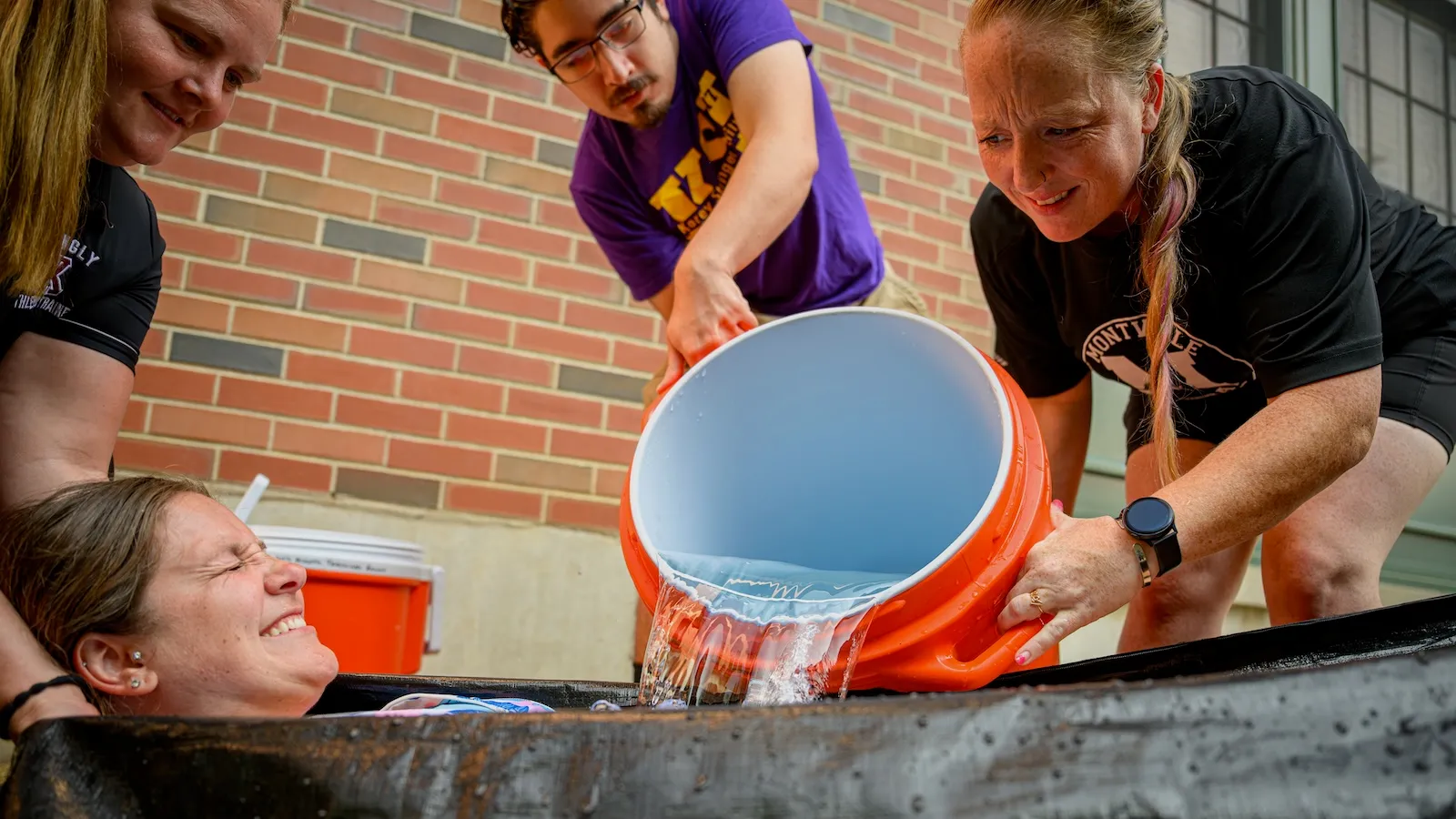
Exercise physiologist Doug Casa, CEO of the Korey Stringer Institute at the University of Connecticut, stresses that cold-water immersion is the single most effective intervention for heat stroke, providing exponential cooling rates compared to air conditioning or passive cooling. While professional leagues like the NFL and National Women’s Soccer League (NWSL) have increasingly mandated safety measures—such as heat acclimatization periods, mandatory hydration breaks, and the presence of immersion tubs—enforcement and standardization vary widely.
The primary systemic failures occur away from the professional ranks. In youth sports, oversight is frequently described as the "wild west," relying heavily on the discretion of volunteer coaches and individual leagues. At the collegiate level, organizations like the NCAA issue safety recommendations rather than strict mandates, leaving institutions to interpret and execute policies at their own discretion. ASU’s internal heat policy, for instance, heavily utilizes discretionary terminology such as "should," "may," and "recommended" rather than strict operational absolutes.
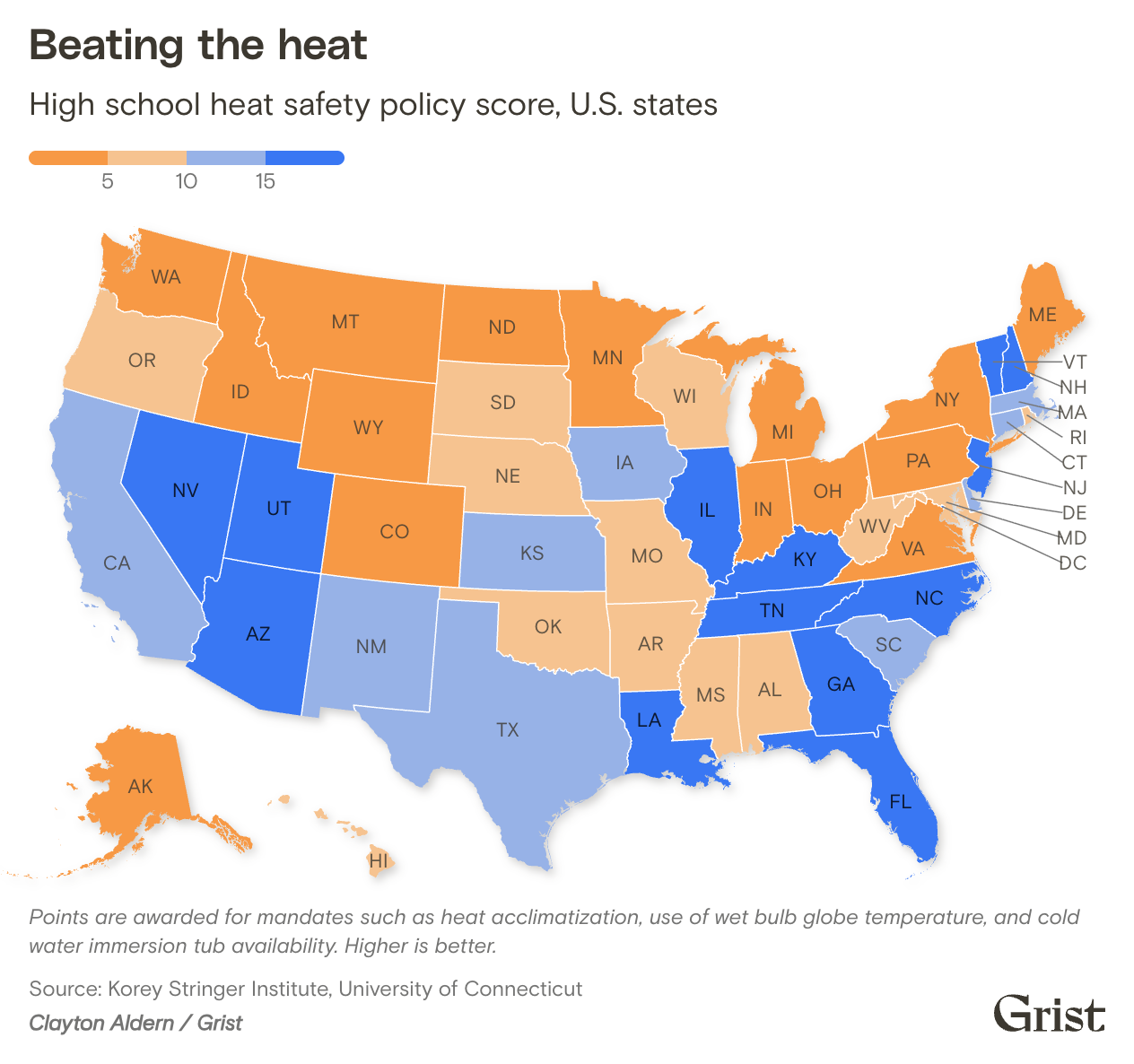
High school athletics present an even more fragmented landscape. The Korey Stringer Institute evaluates states based on heat safety mandates, revealing a vast disparity across the United States. While states like Georgia transformed their high school football programs into national models for heat safety following a series of fatalities—implementing strict wet bulb globe temperature thresholds and mandatory acclimatization periods—many northern and western states lag significantly behind.
A Defining Test for Collegiate Athletics
As Matthew Mayich remains hospitalized and legal battles loom, the higher education and athletic communities face an uncomfortable reckoning. The dichotomy between ASU launching a dedicated Center for Heat Preparedness mere blocks away from the hospital where Mayich fights for his life highlights the tragic irony of modern institutional exposure to climate extremes.
The findings of the independent review led by Scott Bales will likely set a crucial precedent for how universities manage outside consultants, enforce internal safety mandates, and protect student-athletes from environmental hazards. Yet, as experts like Casa and sports administrators emphasize, written policies alone cannot save lives. Without rigorous enforcement, mandatory cold-water immersion protocols, and a cultural shift that prioritizes human safety over grueling conditioning regimens, the physical toll of extreme heat on athletes will remain an avoidable tragedy.