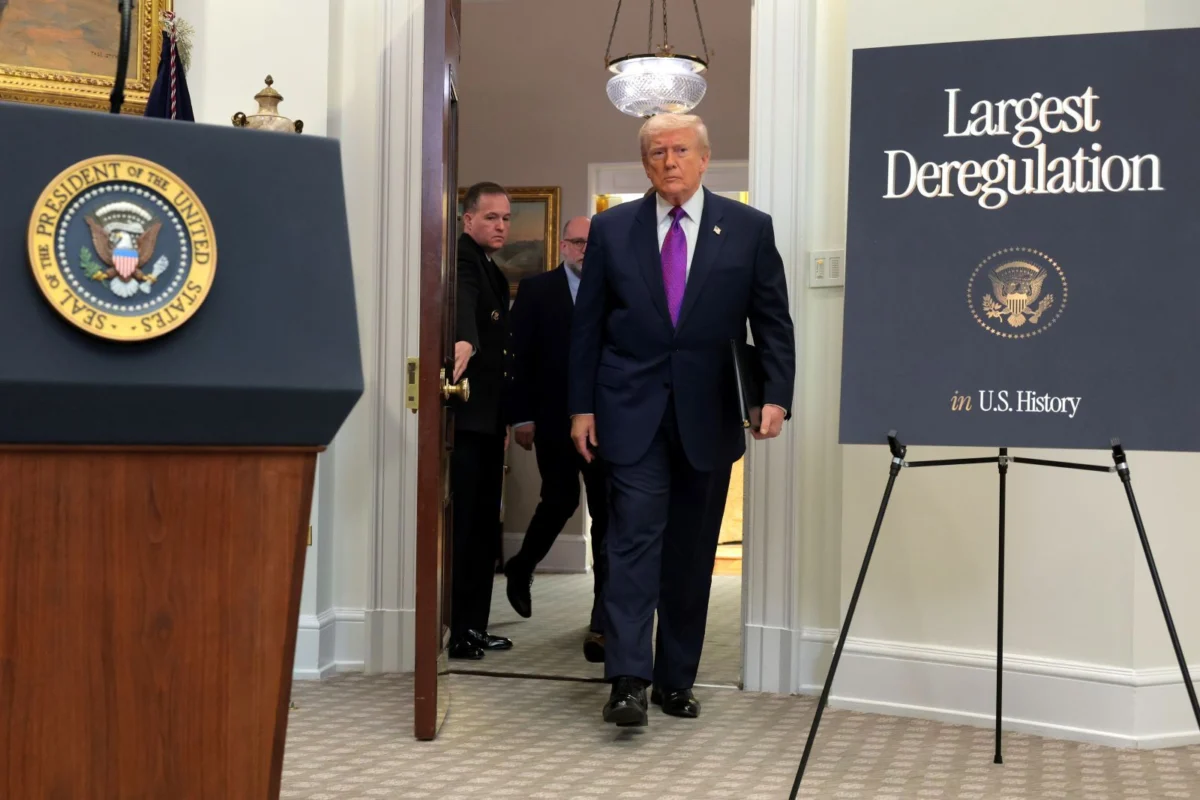
The regulatory architecture governing vehicle emissions in the United States underwent a seismic shift this week, as the Trump administration finalized a sweeping plan to dismantle federal fuel-efficiency requirements for automobiles. Announced on a Monday that marked a turning point in national environmental policy, the move effectively erases decades of federal oversight aimed at curbing greenhouse gas emissions from the transportation sector. With Congress having previously eliminated statutory penalties for automakers failing to meet these standards, and the administration systematically rolling back foundational climate rules—including the 2009 Endangerment Finding—the federal government has been left with virtually no policy instruments to regulate carbon pollution from cars and light trucks.
Transportation remains one of the largest contributors to climate change in the United States, accounting for approximately 16 percent of total national greenhouse gas emissions. For years, federal standards served as the primary mechanism to drive down these figures by compelling manufacturers to adopt cleaner technologies. However, the latest federal rollback leaves a massive regulatory vacuum. Into this vacuum steps a familiar and formidable combatant: the state of California, armed with a half-century-old legislative exemption, historical air quality mandates, and a portfolio of active lawsuits designed to halt the administration’s deregulatory agenda.
A Half-Century of Exceptional Authority
The roots of California’s unique regulatory standing stretch back to the 1950s, an era when the rapid industrialization and post-war automotive boom turned the skies over Southern California into a dense, choking soup of smog. Long before federal lawmakers recognized the nationwide threat of air pollution, state legislators and local leaders in California demanded the authority to establish stringent tailpipe emission controls tailored to the state’s distinct topography and atmospheric conditions.
When Congress passed the landmark Clean Air Act in 1970, it codified this historical precedent by granting California a special federal waiver. This statutory exemption allows the state to enact vehicle emissions standards that are significantly more stringent than federal baselines. While federal law explicitly bars California from directly regulating fuel economy—a power reserved exclusively for federal agencies—the state can tightly regulate tailpipe pollutants. Because the most direct and technologically viable method for a gasoline-powered vehicle to reduce greenhouse gas emissions is to burn less fuel, California’s emissions standards achieve a practical effect nearly identical to federal fuel-efficiency mandates.
This regulatory asymmetry has long shaped the national automotive market. Under Section 177 of the Clean Air Act, other states are explicitly permitted to adopt California’s more rigorous standards rather than relying solely on federal rules. Over the decades, a coalition of states has seized this opportunity. By 2022, jurisdictions enforcing California’s vehicle emissions standards collectively accounted for roughly 40 percent of all new passenger car sales in the United States. Confronted with the prospect of manufacturing entirely different fleets for different regions of the country, major automakers frequently chose to standardize their production lines around California’s benchmarks, making the state’s rules a de facto national standard.
The Legislative and Executive Counter-Offensive
The current collision between Washington and Sacramento represents the culmination of escalating hostilities over climate policy. The conflict intensified dramatically last year when the U.S. Environmental Protection Agency petitioned Congress to intervene against California’s aggressive climate roadmap—specifically, an executive order signed by Governor Gavin Newsom aiming to completely phase out the sale of new gasoline-powered passenger cars by 2035.
Utilizing a rare and legally contentious legislative maneuver, both houses of Congress voted to block California’s zero-emission vehicle waiver. The move sent shockwaves through the environmental community and prompted immediate legal retaliation. California Attorney General Rob Bonta swiftly filed a federal lawsuit against the Trump administration, characterizing the congressional intervention and subsequent federal actions as retaliatory measures.
"What we’re seeing is a thinly veiled attempt by the president to retaliate against California for choosing progress over regression," Attorney General Bonta stated following the filing of the lawsuit.
With its ambitious 2035 phase-out plan currently enjoined and tied up in litigation, California has shifted its strategic focus to preserving its previous generation of emissions standards, which were originally slated to expire at the end of 2026. Although these older standards fall short of forcing rapid decarbonization, they serve as a critical defensive bulwark, preventing automakers from backsliding on efficiency gains already achieved. The Trump administration subsequently lobbied Congress to overturn these legacy standards as well, but a federal judge dealt the White House a setback in early September by issuing an injunction blocking that specific congressional effort.
Market Realities and Corporate Hesitation
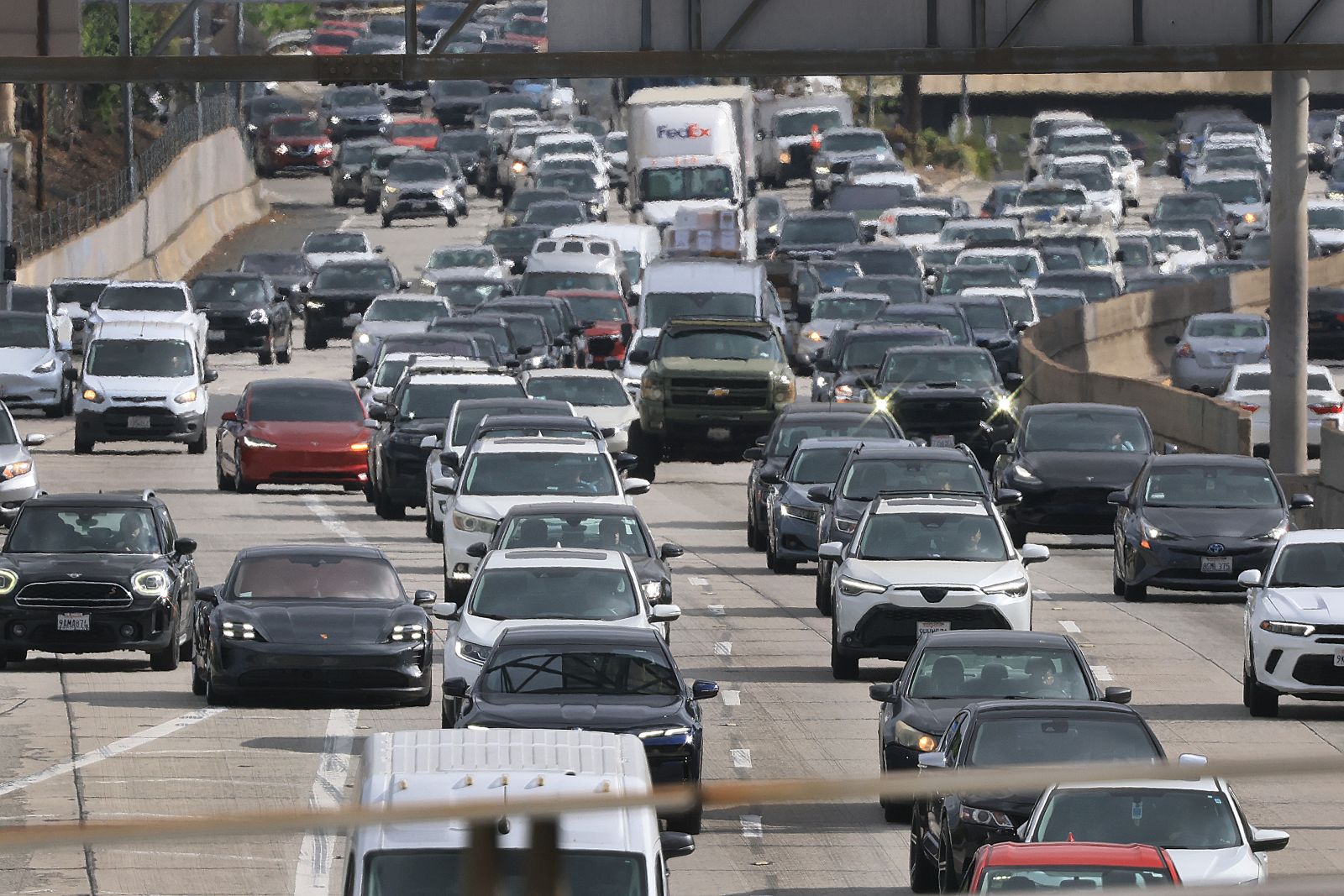
As federal and state governments trade blows in the courtroom, the domestic automotive industry finds itself navigating an unprecedented era of regulatory whiplash. Automakers have largely adopted a cautious public silence regarding their long-term compliance strategies, caught between conflicting legal mandates and shifting consumer demand.
Industry representatives note that the aggressive electrification targets promoted by the prior administration frequently collided with the realities of the consumer marketplace. While automakers invested tens of billions of dollars into developing electric vehicle (EV) platforms and supply chains, consumer adoption rates failed to match corporate projections. This structural challenge was exacerbated when the administration rolled back federal tax credits and consumer incentives designed to spur EV purchases, causing sales growth to plateau.
At the same time, shifting macroeconomic and geopolitical factors are independently influencing consumer behavior. In the wake of escalating conflicts in the Middle East and subsequent spikes in global petroleum prices, American drivers have increasingly gravitated toward fuel-efficient alternatives. Hybrid electric vehicles surged in popularity, capturing a record 16 percent of total U.S. passenger vehicle sales by the summer of 2026.
Simultaneously, major global automakers have made it clear that they cannot completely decouple their product development from international realities. Because major overseas markets—particularly Europe and parts of Asia—continue to accelerate their transitions toward zero-emission transportation, domestic manufacturers remain committed to long-term electrification, even if the domestic timeline has temporarily decelerated.
"We’re in for the long haul, and we’re maybe a little slower on EVs, for instance," said General Motors President Mark Reuss during a corporate address. "That’s okay, but the whole world is moving that way, and so we invested in the platforms that are EV platforms."
The Broader Implications and the Legal Horizon
Despite these shifting market dynamics, energy analysts and environmental scientists widely agree that consumer trends alone will not drive the rapid, systemic emissions reductions required to mitigate the worst impacts of global climate change. California’s remaining regulatory baseline provides a vital floor, but the ongoing legal battles will ultimately determine whether state-level climate policy can survive the current political landscape.
Legal experts suggest that California holds a strong hand in its primary challenge regarding the congressional revocation of its Clean Air Act waiver. At the time the congressional maneuver was executed, both the Government Accountability Office (GAO) and the Senate Parliamentarian formally declared the legislative tactic to be procedurally improper and legally vulnerable.
"There are multiple levels of shenanigans, depending on your viewpoint, that are being litigated," said Rebecca Higgins, vice president of policy at the Eno Center for Transportation. "That creates tremendous uncertainty."
However, a secondary legal front opened by the Trump administration poses a far deeper existential threat to the state’s regulatory powers. In a separate lawsuit currently working its way through the federal court system, the administration is attempting to invalidate California’s foundational authority to regulate greenhouse gas emissions altogether. The core argument rests on the assertion that because the state’s tailpipe rules indirectly influence fuel economy, they infringe upon exclusive federal jurisdiction.
While federal courts have historically sided with California on this principle, a final appeal to the Supreme Court introduces profound uncertainty. The nation’s highest court has never directly ruled on the intersection of state tailpipe rules and federal fuel economy preemption, and the current conservative-majority bench has frequently aligned with the administration’s broader executive branch prerogatives.
"That one feels like it could have the potential to sort of reset the authorities going forward," Higgins noted, summarizing the anxiety shared by state regulators and industry compliance officers alike.
As the litigation unfolds across lower federal courts, the immediate future of American clean car standards rests precariously on judicial rulings and the outcome of future political cycles. For automakers, state regulators, and consumers alike, the American vehicle market has entered a prolonged period of profound transition, defined as much by courtroom battles in Washington and Sacramento as by the vehicles rolling off the assembly line.