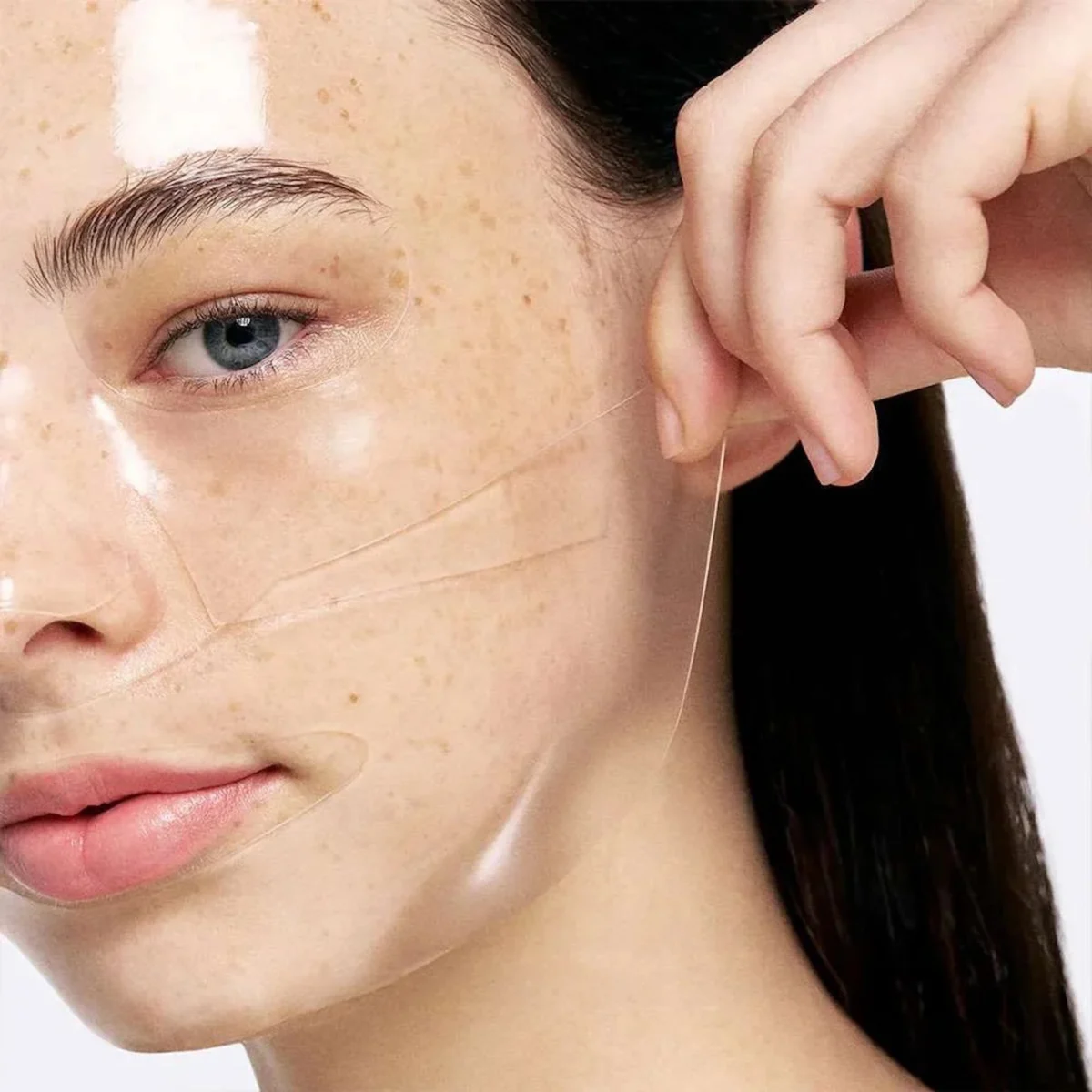
The global beauty industry has witnessed a seismic shift over the past decade, characterized by the dominance of South Korean skincare philosophies—collectively known as K-Beauty. Central to this movement is the pursuit of "glass skin," a term describing a complexion so hydrated, smooth, and luminous that it appears transparent and poreless. At the forefront of this trend are collagen-infused sheet masks, products that have transitioned from niche regional favorites to essential staples in the routines of global beauty consumers. As dermatological science continues to evolve, these masks have moved beyond simple surface-level hydration, incorporating sophisticated delivery systems and bio-active ingredients like PDRN (Polydeoxyribonucleotide) to provide tangible, albeit temporary, improvements to skin texture and barrier function.

The Evolution of Collagen Skincare Technology
Historically, topical collagen products were met with skepticism by the scientific community. Because collagen molecules are notoriously large, traditional wisdom held that they were incapable of penetrating the stratum corneum—the outermost layer of the skin. However, advancements in cosmetic chemistry have fundamentally changed this narrative. Modern K-Beauty formulations utilize hydrolyzed collagen, a process that breaks down collagen proteins into smaller peptides, allowing for better absorption and hydration retention.
The current market iteration of these masks represents a "third-generation" approach to skincare. While first-generation masks relied on basic humectants and second-generation products introduced synthetic peptides, today’s leading masks—such as the Biodance Bio-Collagen Real Deep Mask or the Bano PDRN Collagen Gel Mask—employ hydrogel technology. Unlike traditional cotton sheets, which are soaked in liquid serum, hydrogel masks are essentially a solid matrix of serum. As they sit on the skin, they react to body heat, slowly dissolving and delivering active ingredients directly into the epidermis. This mechanism allows for prolonged wear times, with some formulations designed to be worn for several hours or even overnight, significantly increasing the duration of hydration compared to a standard 20-minute application.

The PDRN Revolution: From Medical Clinics to Home Care
Perhaps the most significant development in recent years is the inclusion of PDRN in over-the-counter masks. Originally developed for tissue repair in clinical settings, PDRN is a mixture of deoxyribonucleotides derived from salmon DNA. In dermatology, PDRN is frequently used in injectable form to stimulate cellular regeneration, enhance elasticity, and accelerate wound healing.
The adaptation of this ingredient for at-home use represents a democratization of clinical-grade aesthetics. Products like the Medicube Salmon DNA PDRN Pink Collagen Jelly Gel Mask and the Numbuzin No.2 Rose PDRN Collagen Plumping Sheet Mask are specifically engineered to mimic these regenerative effects. The clinical rationale for using PDRN in a mask is its ability to support the skin’s natural barrier function. By promoting the synthesis of fibroblasts—the cells responsible for producing collagen and elastin—these masks offer a supportive role in anti-aging routines, complementing more invasive procedures like microneedling or professional-grade laser treatments.

Market Trends and Consumer Behavior
The popularity of these masks is not merely a product of clever marketing; it is supported by significant market data. According to industry analysis, the global facial mask market is projected to reach approximately $15 billion by 2030, with a substantial portion of that growth attributed to the demand for "multi-functional" products. Consumers are increasingly seeking skincare that provides immediate, visible results—a requirement that perfectly suits the "event-prep" nature of a high-quality sheet mask.
The shift toward ingredient-focused shopping, facilitated by platforms that allow users to search by specific compounds like hyaluronic acid, niacinamide, and peptides, has benefited brands like Mixsoon and Round Lab. These companies have gained traction by emphasizing the transparency of their formulations and the efficacy of specific concentrations. For instance, the move toward "B-PDRN," or third-generation microbial-derived PDRN, addresses both the need for high-performance ingredients and the growing consumer demand for sustainable, cruelty-free production methods that avoid the ethical concerns associated with marine-sourced ingredients.

Expert Consensus on Application and Frequency
Despite the efficacy of these products, dermatological experts caution against the notion that they are a total replacement for a comprehensive skincare regimen. Dr. Jae Yong Ban, among other industry experts, emphasizes that the primary role of a collagen mask is to provide an intensive, targeted infusion of moisture.
For the average consumer, the recommended frequency of use is one to two times per week. During colder, drier months, or for individuals experiencing acute skin dehydration, this may be increased to three times per week. However, there is a diminishing return on over-application. Exceeding this frequency can lead to skin congestion or irritation, particularly in individuals with sensitive skin.

To maximize the benefits of these products, experts suggest a strict application protocol:
- Preparation: Start with a thoroughly cleansed and dry face. Removing surface oils allows the hydrogel to adhere correctly and ensures that the serum-saturated matrix can deliver its contents efficiently.
- Technique: Gently smooth the mask from the center of the face outward. Removing air bubbles between the mask and the skin is critical to ensuring an even distribution of the active ingredients.
- Post-Application: Once the mask is removed, the remaining serum should not be rinsed off. Instead, it should be gently patted into the skin. As the skin surface is already primed and hydrated, this final step seals in the moisture and allows for better absorption of subsequent products like occlusive moisturizers.
- Storage: Storing masks in a refrigerator is not just a trend—it serves a functional purpose. The cooling effect helps to constrict blood vessels, which can temporarily reduce facial puffiness and soothe inflammation.
Broader Implications for the Skincare Industry
The success of these masks signals a broader transition in how consumers interact with their skincare. The "two-mask-a-day" routine popularized by public figures like Michelle Yeoh has moved from a celebrity-only indulgence to a tangible goal for many. This shift reflects a move away from purely corrective skincare toward a preventative and maintenance-focused model.

Furthermore, the rise of affordable yet effective options—such as the Dermal Collagen Essence line, which can be purchased for less than a dollar per unit—has disrupted the traditional luxury-versus-drugstore dichotomy. It is now possible for consumers to achieve high-performance results without the high price point previously associated with biotechnology-derived skincare.
As we look toward the future, the integration of bio-fermentation and advanced delivery systems will likely continue to define the segment. We can expect to see more "smart" masks that adjust to skin pH or utilize micro-currents to push ingredients deeper into the dermal layers. For now, however, the combination of traditional botanical extracts like ginseng and rose with advanced ingredients like peptides and lab-grown PDRN remains the gold standard.

The objective evidence for these products lies in their ability to provide immediate, visible plumping and luminosity. While they are not a substitute for clinical procedures, their role as a consistent, accessible, and scientifically grounded tool for skin health is firmly established. As the industry matures, the focus will likely remain on enhancing the bioavailability of these ingredients, ensuring that the next generation of masks is even more efficient at delivering the "glass skin" results that have become a hallmark of the modern beauty era.