The fashion industry has entered a pivotal cycle, defined by a strategic pivot toward cinematic storytelling and high-concept imagery. As heritage houses and contemporary brands unveil their latest campaign imagery, a distinct shift is observable: the move away from minimalist, product-only advertising toward elaborate, narrative-driven visual essays. This transformation reflects a broader industry mandate to foster deeper emotional resonance with a discerning, digitally-native consumer base that values brand identity as much as product utility. From the rugged, pastoral landscapes utilized by heritage footwear brands to the high-glamour, studio-focused productions of European fashion houses, the current campaign landscape serves as a barometer for the aesthetic direction of the coming fiscal year.

A Chronology of Contemporary Campaign Evolution
The evolution of fashion advertising has been marked by three distinct phases over the last decade. In the mid-2010s, the industry was dominated by "hero" shots—static, high-contrast imagery designed primarily for print editorial and storefront displays. As social media platforms like Instagram transitioned into the primary point of sale, brands shifted toward influencer-led content, prioritizing reach and relatability.

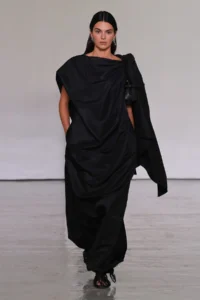
Today, we are witnessing a third phase: the "Artistic Narrative." This approach, exemplified by the work of photographers such as Zoe Ghertner, Mikael Jansson, and Laura Sciacovelli, treats the campaign as a short film or a thematic exploration rather than a mere catalog. Celine, for instance, has moved toward a stark, monochromatic aesthetic that leans heavily into the brand’s Parisian roots, utilizing photographers like Ghertner to capture a sense of effortless, quiet luxury. This move is not merely stylistic; it is a calculated effort to insulate the brand from the volatility of trend-chasing, establishing a timeless, recognizable visual signature.

Strategic Brand Positioning: The Intersection of Heritage and Modernity
Several key brands have demonstrated this shift through their latest visual assets. The juxtaposition of these campaigns reveals a fragmented but highly intentional market strategy.

The Return to Earthy Utility
Hunter, a brand long synonymous with British country heritage, has leveraged the lens of Mikael Jansson to pivot toward an "elevated outdoor" aesthetic. By placing models in mossy, forest-rich environments, the brand is attempting to bridge the gap between technical performance gear and high-fashion lifestyle accessories. This is a critical move as the "gorpcore" trend continues to influence mainstream luxury consumption, with consumers increasingly demanding that their luxury items withstand real-world conditions.

The Cinematic Appeal of Talent
J.Crew’s recent campaigns, featuring figures such as Amandla Stenberg, highlight the industry’s reliance on authentic cultural representation. By moving away from traditional fashion models toward actors and cultural icons, J.Crew is tapping into a demographic that prizes personality and artistic substance. The photography by Robert Nethery reflects this, utilizing softer lighting and more casual poses that suggest a "lived-in" comfort. Data from market research firm Lyst suggests that campaigns featuring recognizable cultural figures see a 30% increase in social media engagement compared to those using anonymous models, confirming that the "face" of the brand remains a significant driver of consumer trust.

The Sophistication of Heritage Luxury
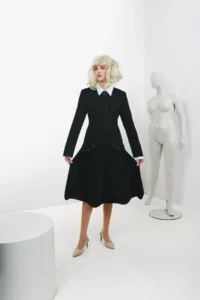
At the higher end of the spectrum, brands like Fendi and Lafayette 148 are doubling down on high-production-value studio work. The inclusion of icons such as Monica Bellucci for Fendi is a deliberate move to anchor the brand in the concept of enduring elegance. These campaigns, shot in controlled, dimly lit environments with high-contrast shadows, emphasize the craftsmanship of the leather goods and textiles. It is a visual manifestation of "quiet luxury"—a rejection of the loud, logomania-heavy advertising of the late 2010s in favor of subtle, structural sophistication.

Data-Driven Analysis of Campaign Performance
The success of these campaigns is measured by more than just aesthetic approval; it is tracked through sophisticated KPIs (Key Performance Indicators) including Earned Media Value (EMV), conversion rates, and long-term brand equity indices.

According to recent industry reports, the cost of producing these high-end, location-based campaigns has risen by approximately 15% year-over-year. This increase is attributed to the logistical complexities of on-location shoots and the high fees associated with A-list talent and top-tier creative directors. However, the ROI remains robust. For luxury houses like Fendi, the ability to maintain a consistent visual language across global markets—from Seoul to New York—is essential for brand integrity. When a consumer sees a campaign image in a magazine or on a digital billboard, the visual cues must be instantly recognizable, signaling the brand’s history, price point, and value proposition without a single word of copy.

Implications for the Retail Market
The current trend toward these narrative-heavy campaigns carries significant implications for the retail sector. As e-commerce continues to cannibalize physical brick-and-mortar sales, the "digital storefront" (the brand’s website and social media presence) has become the primary site of consumer interaction. Consequently, the quality of the visual imagery is now the single most important factor in preventing bounce rates.

Furthermore, the integration of these campaigns into the "Shop the Look" feature—where consumers can purchase the items shown in the image with a single click—has turned advertising into a direct sales channel. This convergence of art and commerce necessitates a high level of coordination between creative teams and digital marketing departments. It is no longer enough to produce an evocative image; the image must be technically optimized for mobile devices, searchable, and directly linked to inventory management systems.

Official Responses and Industry Sentiment
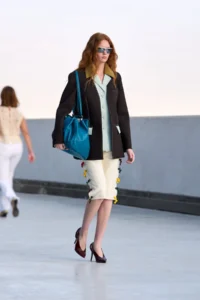
While most luxury houses keep their specific marketing strategies internal, industry analysts have noted a collective move toward transparency and sustainability. Brands like Frame and Lafayette 148 have been noted for their use of natural lighting and minimalist backgrounds, which analysts interpret as a nod to the "less is more" movement. This is a reaction to the climate crisis; excessive, carbon-heavy global productions are increasingly viewed with skepticism by younger consumers. By opting for localized shoots or studio-based work, brands are finding ways to maintain the prestige of their campaigns while reducing their environmental footprint.

The Broader Impact: A Future-Forward Outlook
The fashion campaign is no longer a static announcement of a new collection; it is a vital organ of the brand’s identity. As we look toward the future, we can expect to see an even greater reliance on artificial intelligence and virtual production techniques to enhance these narratives. While the human element—the photographer, the model, the stylist—remains paramount, the integration of technology will likely allow for more immersive and interactive campaign experiences.

Ultimately, the brands that succeed in the current climate are those that understand that a campaign is a promise. Whether it is the rugged, earthy promise of a Hunter boot or the refined, cinematic promise of a Fendi handbag, the imagery serves as a bridge between the product’s physical reality and the consumer’s aspirational desires. As the industry continues to navigate a challenging global economic landscape, these visual narratives will remain the most effective tool for maintaining market share, fostering brand loyalty, and defining the cultural zeitgeist for the next generation of consumers.

In conclusion, the current season of fashion advertising represents a maturation of the medium. By prioritizing narrative depth, cultural relevance, and technical precision, these houses are successfully navigating the complex demands of a digital-first economy. The shift is not merely about selling clothes; it is about selling a vision of the world that the consumer wants to inhabit, and in doing so, ensuring that the legacy of these historic brands remains relevant in an increasingly crowded and competitive global marketplace.