The transition into the fall season has historically served as a critical inflection point for the fashion industry, acting as the primary gateway to the high-stakes holiday retail period. As temperatures drop and consumer spending habits pivot toward gift-giving and seasonal wardrobe refreshments, luxury houses and high-street retailers alike are intensifying their market presence through exclusive capsule collections, strategic brand collaborations, and significant physical retail expansion. This month, the industry has witnessed a convergence of traditional craftsmanship and modern design, punctuated by the strategic opening of new flagships in key global fashion capitals. From Zac Posen’s revitalized vision for GapStudio to the collaborative intersection of travel and haute couture between Rimowa and Maison Margiela, the industry is demonstrating a clear emphasis on purposeful, long-lasting design.

GapStudio and the Evolution of the Accessible Wardrobe
The landscape of accessible luxury underwent a notable shift this season with the debut of the latest GapStudio collection, helmed by creative director Zac Posen. Moving away from the saturated market of trend-heavy "fast fashion," Posen has opted for a disciplined, twelve-piece capsule designed to address the modern consumer’s demand for versatility.
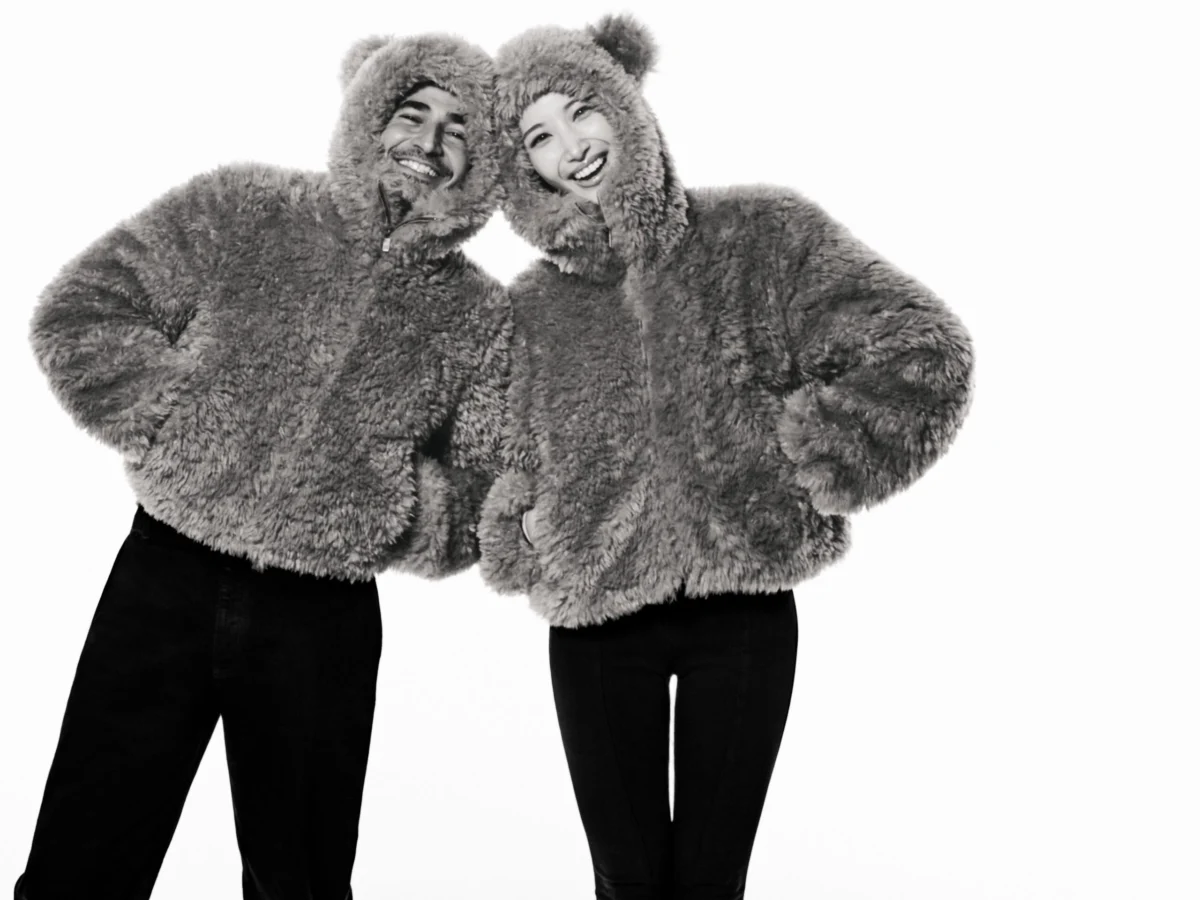
The collection, which emphasizes precise tailoring and sharp, minimalist silhouettes, represents a strategic pivot for Gap as it attempts to reclaim its position as a purveyor of essential wardrobe staples. Key pieces—such as the high-rise seamed stirrup jeans and the floor-length turtleneck maxi dress—are intended to transition seamlessly from professional daytime environments to evening social settings. The inclusion of unexpected tactile elements, such as the caramel-toned faux-fur teddy coat, underscores a commitment to balancing comfort with aesthetic drama.

Industry analysts observe that this "less-is-more" approach serves as a defensive strategy against the rising tide of ultra-fast fashion retailers, betting instead on the longevity of classic design. Posen noted in a recent statement that the collection aims to move beyond the constraints of traditional occasion wear, offering garments that are both highly wearable and architecturally sophisticated. By focusing on a tightened color palette and exaggerated lines, the brand is successfully courting a demographic that prioritizes quality and utility over disposable trends.
The Retail Renaissance: New Flagships in New York and Florida
The physical retail sector, which faced significant volatility in the post-pandemic era, is experiencing a resurgence of investment, particularly in high-traffic urban centers. Two distinct examples of this trend include the arrival of the Parisian leather goods house L/Uniform in New York City and the unveiling of a sprawling bridal flagship by Danielle Frankel in the historic Tribeca district.

L/Uniform’s decision to plant a flag at 31 East 72nd Street on the Upper East Side marks its first official American address, following successful operations in Paris and Tokyo. Founder Jeanne Signoles has collaborated with architect Jakob Sprenger to develop a space that mirrors the brand’s core philosophy: a marriage of Parisian elegance and functional, everyday utility. The store’s design reflects a broader trend in luxury retail where the architecture is meant to communicate the brand’s heritage while accommodating the pragmatic needs of the urban consumer. Signoles emphasized that New York’s distinct energy and its emphasis on daily movement made the city a logical, if long-awaited, expansion point for the brand.
Simultaneously, the bridal industry is seeing a consolidation of luxury experiences. Danielle Frankel’s new 12,000-square-foot flagship at 6 Harrison Street in Tribeca serves as a testament to the brand’s rapid growth. By integrating a historic landmark with contemporary interior design by Augusta Hoffman Studio, the brand has created a destination that functions more as an exclusive sanctuary than a traditional boutique. The inclusion of private, appointment-only rooms suggests that luxury bridal is increasingly moving toward a model of hyper-personalization, where the retail environment is as curated as the gowns themselves.

Bulgari’s Eclettica and the Return of High Jewelry Diplomacy
High jewelry remains a bedrock of the luxury sector, with houses like Bulgari utilizing exclusive events to maintain brand prestige and customer loyalty. The recent U.S. launch of the "Eclettica" high jewelry collection in Palm Beach, Florida, served as a masterclass in experiential marketing.
The presentation, hosted at a private 1920s estate designed by the famed Addison Mizner, functioned as a dual-purpose launch: the debut of the collection and the grand opening of a new Bulgari boutique on Worth Avenue. The collection itself is notable for its technical ambition, featuring 15 transformable designs—a record number for a single Bulgari release—and over 50 individual high-jewelry pieces.

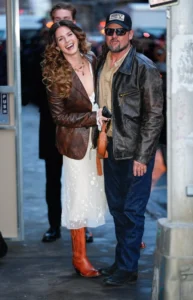
The choice of Palm Beach as a launch location underscores the importance of regional wealth hubs in the current luxury strategy. By pairing the debut with a high-profile gala featuring performances by artists like Jewel, Bulgari successfully generated significant media coverage while reinforcing its "Roman roots" and sculptural aesthetic. The event highlights a trend of luxury brands bypassing traditional runway formats in favor of intimate, destination-based experiences that offer a higher return on investment in terms of client relationship management.
Rimowa and Maison Margiela: The Intersection of Utility and Art
Perhaps the most culturally significant collaboration of the quarter is the partnership between German luggage manufacturer Rimowa and the avant-garde French house Maison Margiela. This collaboration represents a sophisticated synthesis of industrial design and conceptual art, centered on the idea of "lived-in" luxury.

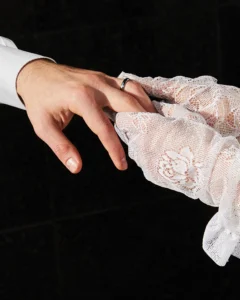
The collection features Rimowa’s iconic aluminum grooves finished with Maison Margiela’s signature white "Bianchetto" hand-painted coating. The conceptual hook is that the pieces are designed to evolve with the user; as the suitcase is used, the paint will chip and wear, revealing the metallic structure underneath and creating a unique patina over time. This approach challenges the traditional luxury narrative of pristine, immutable objects, instead celebrating the aesthetic of the traveler’s journey.
A campaign directed by Dexter Lander, filmed within a Haussmannian apartment, visually underscored this theme, showing the white finish "bleeding" into the environment. From a market perspective, this collaboration targets a younger, design-conscious consumer who views travel accessories not just as tools, but as extensions of their personal identity and aesthetic journey.

Tiffany & Co. and the Holiday Marketing Cycle
As the calendar approaches the year-end, the focus has shifted toward holiday-themed activations. Tiffany & Co. has officially signaled the start of the season at The Landmark—its flagship location at 727 5th Avenue—by illuminating the iconic "Bird on a Rock" installation.
The presence of actress Amanda Seyfried, who lit the Blue Box tree, highlights the brand’s ongoing strategy of utilizing high-profile celebrity partnerships to anchor its holiday narrative. The current campaign, "You & Me," which bridges the gap between 1990s nostalgia and contemporary New York, demonstrates a savvy understanding of multi-generational appeal. By anchoring the holiday season in a specific, immersive retail installation, Tiffany & Co. is leveraging the "experience economy" to drive foot traffic to its flagship, ensuring that the brand remains at the center of the holiday gift-giving discourse.

Market Implications and Future Outlook
The broader implications of these developments suggest an industry that is increasingly bifurcated. On one end, there is a push toward essentialism and functional luxury, as evidenced by GapStudio and L/Uniform. On the other, there is a continued commitment to high-concept, experiential luxury, as seen with Bulgari and the Rimowa x Maison Margiela partnership.
Data from the past two quarters indicates that while consumer spending is facing pressure from inflationary concerns, demand for high-end, "heirloom-quality" items remains resilient. Brands that can justify their price points through technical innovation, such as the transformable jewelry of Bulgari or the durable, evolving design of the Rimowa suitcases, are better positioned to weather economic shifts.

Furthermore, the focus on physical retail expansion—specifically in cities like New York and luxury corridors like Palm Beach—suggests that the "digital-only" retail trend has hit a ceiling. Consumers, particularly those in the luxury segment, continue to value the tactile, high-touch experience of a boutique, provided that the space offers something unique that cannot be replicated online.
As the industry looks toward 2027, the success of these current initiatives will likely serve as a blueprint for future growth. The integration of storytelling, such as the narrative behind the "Table Energy" book by J.J. Martin or the historical significance of the Danielle Frankel location, is becoming a prerequisite for brand relevance. By weaving heritage, utility, and artistic collaboration into a cohesive retail strategy, these brands are successfully navigating a complex market, ensuring their continued relevance in an era defined by rapid change and heightened consumer expectations.