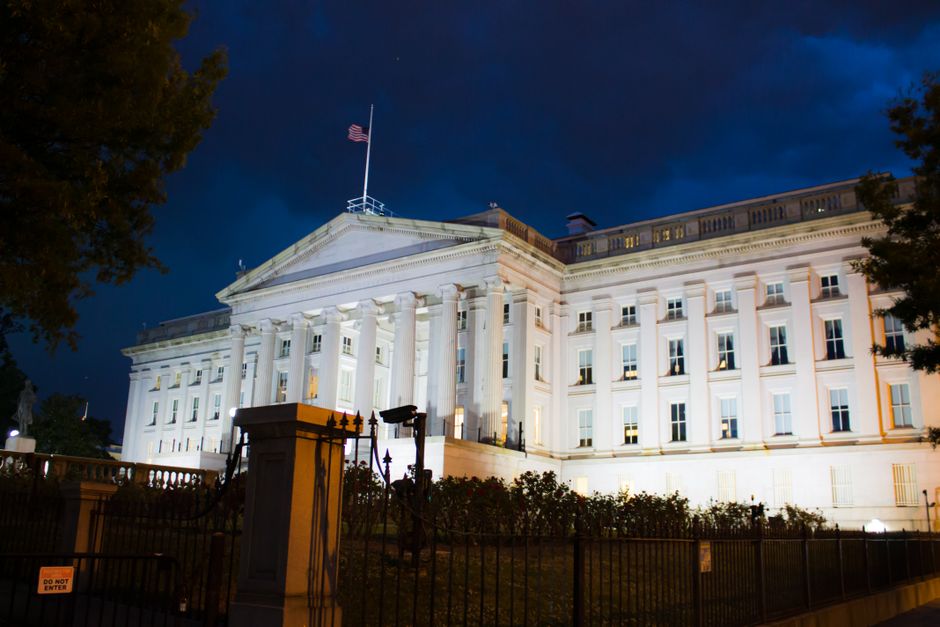
The White House Accuses China of Industrial-Scale AI Espionage, Vows to Safeguard U.S. Innovations
The United States government has issued a stark warning, formally accusing the People’s Republic of China of engaging in widespread, industrial-scale espionage targeting American artificial intelligence (AI) innovation. This assertion marks a significant escalation in bilateral tensions, highlighting a growing concern within the U.S. national security apparatus regarding China’s aggressive pursuit of advanced technological dominance. The White House’s pronouncements are not mere rhetorical flourishes; they are underpinned by intelligence assessments and are directly linked to a commitment to implement robust measures aimed at protecting U.S. intellectual property and maintaining a competitive edge in the critical field of AI. This accusation signifies a recognition that the battle for technological supremacy has entered a new, more dangerous phase, where information and innovation are the primary weapons.
The core of the U.S. accusation revolves around the alleged systematic and state-sponsored nature of China’s espionage efforts. Officials describe a sophisticated and multi-faceted approach that goes beyond traditional cyber intrusions. The focus, they claim, is on directly acquiring the foundational elements of American AI development: datasets, algorithms, and the highly skilled talent driving these advancements. This alleged industrial-scale operation is characterized by its breadth, depth, and the deliberate intent to shortcut China’s own research and development cycles by leveraging the innovations already made by U.S. companies, universities, and research institutions. The sheer volume and organized nature of these purported activities are what differentiate them from isolated incidents of intellectual property theft. The White House points to a strategy designed to accelerate China’s own AI capabilities by essentially reverse-engineering or directly pilfering the fruits of American ingenuity.
The implications of this alleged espionage are profound and far-reaching. Artificial intelligence is widely regarded as the next frontier of technological innovation, with transformative potential across virtually every sector of the economy and society, from defense and healthcare to transportation and communication. Nations that lead in AI development are poised to gain significant economic and geopolitical advantages. The U.S. argues that China’s alleged espionage undermines fair competition, devalues American investment in R&D, and poses a direct threat to national security by potentially enabling adversaries to gain access to advanced AI technologies that could be weaponized or used to undermine democratic institutions. The vulnerability of U.S. AI assets, both public and private, is thus a matter of paramount concern.
In response to these accusations and the perceived threat, the White House has vowed to implement a comprehensive strategy to safeguard U.S. innovations. This strategy encompasses a multi-pronged approach, involving enhanced enforcement measures, stricter export controls, increased investment in domestic R&D, and greater collaboration with allies. The aim is not only to deter future espionage attempts but also to build a more resilient AI ecosystem within the United States, ensuring that American technological leadership is not eroded by the predatory practices of foreign adversaries. The emphasis is on proactive defense and strengthening the nation’s overall AI competitive posture.
Specific measures being considered or already underway include increased scrutiny of foreign investment in U.S. AI companies, particularly those with close ties to the Chinese government. This could involve stricter reviews by the Committee on Foreign Investment in the United States (CFIUS) and potentially the blocking of certain deals deemed to pose a national security risk. Furthermore, export controls are expected to be tightened, restricting the transfer of critical AI technologies and components to China. This would include not only hardware like advanced semiconductors but also software and algorithms that are essential for cutting-edge AI development. The goal is to make it more difficult for China to acquire the tools and knowledge necessary to advance its AI agenda through illicit means.
Another critical pillar of the U.S. response is a renewed commitment to bolstering domestic AI research and development. This includes increased funding for government-led research initiatives, incentives for private sector innovation, and efforts to attract and retain top AI talent in the United States. The White House recognizes that the best defense against espionage is a superior offense – by continuing to push the boundaries of AI innovation domestically, the U.S. can maintain a significant lead that is harder for adversaries to overcome. This involves not only scientific breakthroughs but also the development of robust cybersecurity measures to protect these advancements.
The U.S. also intends to work more closely with its international partners to present a united front against what it describes as China’s exploitative technological practices. This collaborative approach aims to share intelligence, coordinate policy responses, and establish common norms and standards for AI development and data security. Building a coalition of like-minded nations can amplify the impact of U.S. efforts, creating a more challenging environment for China to engage in espionage and ensuring a more level playing field for global AI competition. The hope is that a coordinated international effort will put greater pressure on China to alter its behavior and adhere to international norms.
The accusations against China highlight a broader concern about the weaponization of data and the ethical considerations surrounding AI development. The vast datasets used to train AI models are a prime target for espionage, and the U.S. is focusing on both the acquisition of data and the sophisticated algorithms that process it. This includes concerns about AI being used for surveillance, disinformation campaigns, and autonomous weapons systems, all of which could have significant implications for global security and stability. The White House’s rhetoric suggests a deep understanding of the multifaceted risks associated with unchecked AI advancement driven by state-sponsored espionage.
The economic implications of this alleged espionage are also substantial. U.S. companies invest billions of dollars in AI research and development, and the theft of their intellectual property directly impacts their profitability and ability to reinvest in future innovation. This can lead to job losses, reduced economic growth, and a diminished U.S. presence in emerging global markets. The White House’s vow to safeguard innovations is therefore also a commitment to protecting the economic vitality of the United States and the livelihoods of its citizens involved in the AI sector. The narrative is framed not just as a national security issue but as a critical economic imperative.
Furthermore, the U.S. is emphasizing the importance of transparency and ethical AI development. By accusing China of industrial-scale espionage, the White House is implicitly drawing a contrast with its own approach, which it frames as being guided by democratic values and international norms. This positions the U.S. as a responsible steward of AI technology, while casting China as a disruptive force that prioritizes its own advancement over fair play and global stability. This ideological framing is a key component of the U.S. public relations strategy surrounding these accusations.
The legal and diplomatic avenues for addressing such accusations are complex. The U.S. may consider pursuing international legal challenges, imposing sanctions, and engaging in direct diplomatic negotiations with China to address these concerns. However, the effectiveness of these measures will likely depend on the evidence presented and the willingness of both nations to engage in constructive dialogue. The stated vow to safeguard innovations suggests a readiness to explore all available avenues to protect U.S. interests, even if it means escalating diplomatic tensions.
The long-term implications of this U.S. accusation and its subsequent actions will shape the trajectory of global AI development for years to come. It signals a potential decoupling of AI supply chains and a deepening of the technological rivalry between the United States and China. The focus on "industrial-scale" espionage suggests a systemic issue that requires a systemic response. The commitment to safeguard innovations implies a sustained and resolute effort to maintain U.S. leadership in this pivotal technology, recognizing that the stakes are higher than ever before. The narrative of protecting American ingenuity from foreign appropriation is likely to resonate domestically and internationally, bolstering support for aggressive policy measures. The White House’s pronouncements are a clear indication that the era of uninhibited technological transfer is over, and a new phase of heightened competition and defense is underway.
