The eternal question of what to wear to a wedding reaches a unique level of complexity when the nuptials are staged against a coastal backdrop. Beach weddings, while inherently romantic and visually stunning, present a specific set of logistical and aesthetic challenges for the modern guest. From the structural integrity of the fabric to the psychological weight of color choice and the practicality of hem lengths, every detail must be calibrated to withstand the elements of wind, sand, and humidity. As the global destination wedding market continues its post-pandemic surge, fashion editors and industry analysts are observing a shift toward "resort-core" luxury—a movement that prioritizes effortless elegance without sacrificing high-fashion standards.
The difficulty often begins with the footwear: determining which heel height or sole construction can navigate fine sand without compromising the silhouette of a designer gown. However, current editorial consensus suggests a move toward simplification. As long as the specific dress code is respected, the solution to the seaside attire dilemma can range from the geometric heritage of a classic Pucci print to the bold, contemporary architectural lines of a bright red Proenza Schouler. The objective is no longer just to "fit in" at a wedding, but to translate one’s individual style into a setting that is fundamentally defined by its connection to the natural world.
The Strategic Decoding of the Coastal Venue
To successfully navigate the sartorial requirements of a beach wedding, one must first perform a geographic and cultural analysis of the venue. Not all coastlines are created equal, and the atmosphere of the event is dictated largely by its surroundings. A ceremony on the shores of Maui, for instance, invites a different visual language than an affair in Nantucket or the Amalfi Coast.
In tropical locales like Hawaii or the Caribbean, the environment supports—and often demands—bold saturations and high-energy patterns. Designers like La DoubleJ have mastered this niche, offering dresses in sunset hues and retro-inspired prints that mirror the vibrant flora of the Pacific. Conversely, the Atlantic coast of New England calls for a more restrained, "preppy-chic" aesthetic. Here, pastel palettes, such as the yellow plaid found in recent Rosie Assoulin collections, align with the historical architecture and understated luxury of the region.
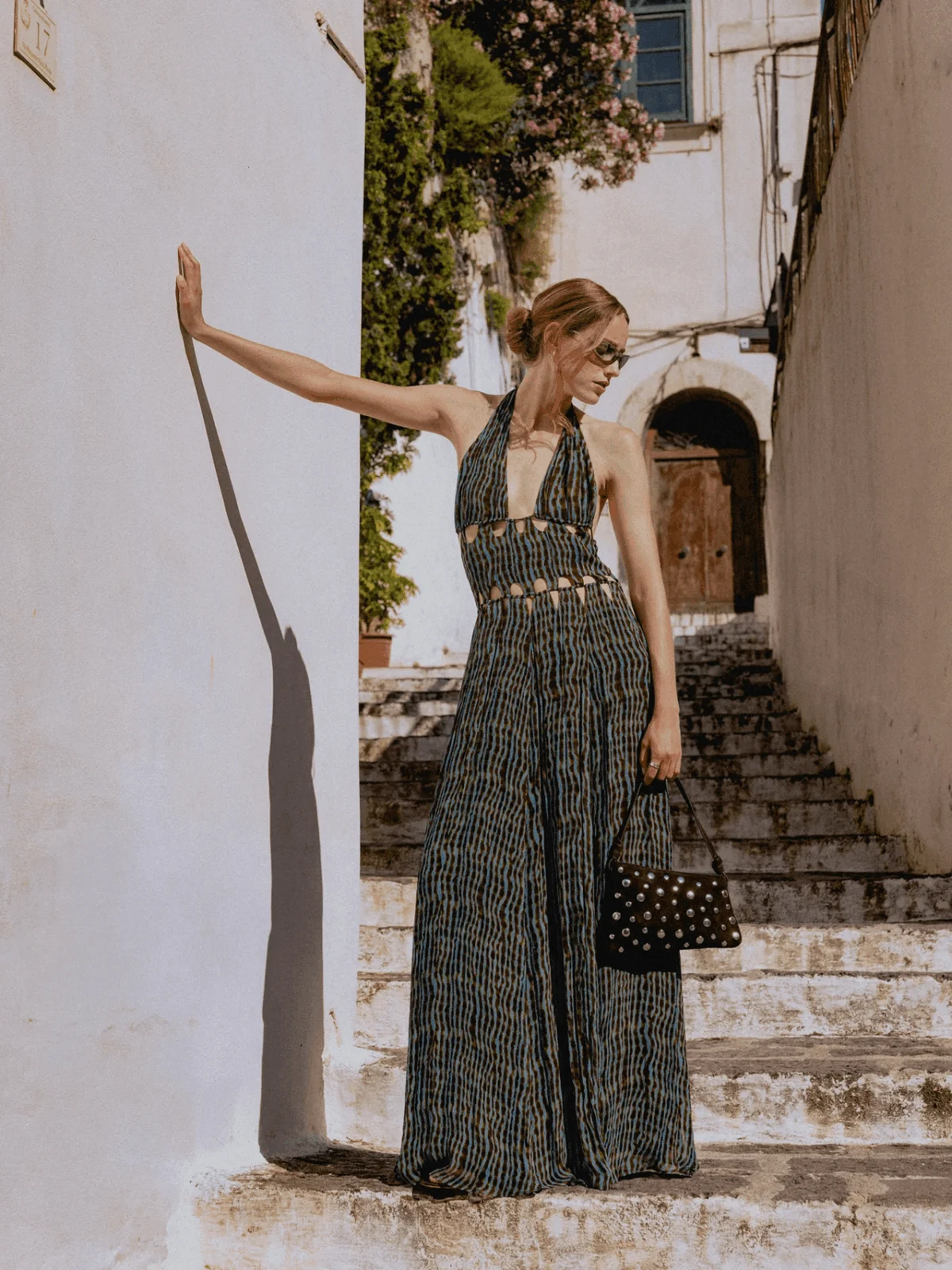
The primary appeal of a beach wedding is its inherent connection to nature. Therefore, leaning into coastal-inspired colors—seafoam greens, cerulean blues, and sandy beiges—remains a fail-safe strategy. Airy fabrics like silk georgette, linen, and lightweight cotton are the preferred materials, as they allow for breathability in high-temperature environments. Brands such as Dries Van Noten, Staud, and Zimmermann have become leaders in this category, consistently delivering pieces that balance the playfulness of a vacation with the gravitas of a matrimonial celebration.
Market Trends and the Economic Impact of Guest Fashion
The wedding guest attire market has seen significant growth as destination weddings become more frequent. According to industry data, the average wedding guest now spends between $600 and $1,500 per event, including travel, lodging, and clothing. This increased investment has led consumers to seek "multi-functional luxury"—garments that can be worn for a high-profile wedding but also integrated into a high-end vacation wardrobe thereafter.
This shift is reflected in the popularity of brands like J.Crew and H&M, which have elevated their "occasion wear" lines to compete with mid-market luxury brands. The J.Crew Gwyneth slip dress, for example, represents a "timeless slip" aesthetic that offers a high return on investment due to its versatility. Meanwhile, at the upper end of the spectrum, brands like Khaite and Proenza Schouler are seeing increased demand for their "Tatia" and "Tala" dresses, respectively. These pieces represent a significant capital outlay—often exceeding $1,500—but are viewed as archival pieces that maintain their value and style relevance over several seasons.
A Chronology of Beach Wedding Style Evolution
The evolution of beach wedding fashion has moved through several distinct phases over the last three decades:
- The 1990s: Minimalist Fluidity. The era was dominated by simple bias-cut slip dresses and neutral palettes. The focus was on "stealth wealth" and understated elegance, heavily influenced by Calvin Klein and early Prada.
- The 2000s: The Bohemian Surge. Inspired by the "Boho-chic" movement, beach weddings saw an influx of maxi dresses, turquoise jewelry, and loose, flowing silhouettes. This was the era of the tiered skirt and the floral crown.
- The 2010s: Structured Modernism. As destination weddings became more "Instagrammable," guests began opting for more structured, architectural pieces. High-low hemlines and neoprene-adjacent fabrics made an appearance to combat the wind.
- The 2020s: The Eclectic Maximalist. The current era is defined by a "more is more" approach to texture and print. From the 3D floral appliqués of Simkhai to the fringed kaftans of Taller Marmo, the modern guest is encouraged to embrace high-drama silhouettes that stand out against the horizon.
Material Science: Choosing Fabrics for the Elements
The performance of a dress at a beach wedding is almost entirely dependent on its fabric composition. Professional stylists emphasize the following materials for their specific properties:
- Viscose Georgette: Utilized in the Proenza Schouler Tala dress, this fabric provides a beautiful drape while remaining lightweight. Its slightly crinkled texture is ideal for travel, as it hides wrinkles better than flat silk.
- Linen and Linen Blends: As seen in the Solana maxi by Faithfull the Brand, linen is the gold standard for heat regulation. While it is prone to creasing, the "natural" look of linen is now considered an asset in coastal settings.
- Silk Twill: Featured in Pucci’s halterneck designs, silk twill has a more substantial weight than chiffon, preventing the dress from blowing excessively in ocean breezes while maintaining a luxurious sheen.
- Cotton with Embellishment: Tory Burch’s mirror-embellished cotton dresses demonstrate how a humble fabric can be elevated for a black-tie beach event. The cotton provides structure and breathability, while the mirrors catch the coastal light.
Detailed Analysis of Key Designer Offerings
The current market offers a spectrum of choices that cater to different sub-genres of the beach wedding.
The Architectural Maxi: Proenza Schouler
The "Tala" dress by Proenza Schouler is a masterclass in modern occasion wear. With its drop-waist halter neck and pleated georgette fabric, it offers a "tomato red" pop that provides a striking contrast to the blue of the ocean. It is a choice for the guest who wants to signal a sophisticated, urban sensibility even when their feet are in the sand.
The Heritage Print: Pucci and La DoubleJ
For those leaning into the retro-glamour of the 1960s and 70s jet-set era, Pucci remains the ultimate authority. Their asymmetric halterneck dresses utilize iconic prints that are synonymous with Mediterranean luxury. Similarly, La DoubleJ offers a "Clingy Roy" dress that utilizes jersey fabrics to provide a flattering, body-conscious fit that is comfortable for long hours of celebration.
The Modern Romantic: Simkhai and Ulla Johnson
Simkhai’s use of floral raffia and bustier silhouettes brings a sense of "lacey midi" romance that feels grounded in the beach environment. Ulla Johnson’s "Clove" maxi dress, with its painterly patterns and tiered silk chiffon, offers a softer, more ethereal approach that suits "golden hour" ceremonies.
The High-Fashion Statement: Taller Marmo and Khaite
For a black-tie beach affair, the "Cecil" fringed kaftan by Taller Marmo offers a dramatic, North African-inspired silhouette that moves beautifully with the wind. On the other end of the spectrum, Khaite’s "Tatia" dress provides a "Little Black Dress" (LBD) option with large polka dots, proving that black can indeed be worn to the beach if the styling and fabric are correct.
Footwear and Logistical Considerations
The most common mistake made by beach wedding guests involves footwear. Traditional stilettos are functionally incompatible with sand. The industry has responded with an increase in high-end "block heels," "flatforms," and decorative slides. Brands like Staud and Tory Burch often coordinate their dress collections with footwear that features wider base plates to prevent sinking.
Furthermore, the "sand factor" dictates the ideal hemline. While maxi dresses are popular, they often collect sand and moisture at the hem. The "midi" length, as seen in the Simkhai and Proenza Schouler Sukki dresses, is increasingly recommended by stylists as the most practical choice for ceremonies held directly on the shoreline.
Broader Implications: The Future of Destination Dressing
The rise of curated beach wedding guest fashion reflects a broader trend in the luxury sector: the "event-ification" of travel. Consumers are no longer just buying a dress; they are buying an aesthetic that fits a specific narrative of a global lifestyle. This has forced designers to think more about the "packability" and "durability" of their high-fashion pieces.
As sustainability becomes a central pillar of the fashion industry, there is also a growing movement toward the "rental" market for these high-end dresses. Platforms like Rent the Runway and Hurr have seen a 40% increase in searches for "beach wedding guest" over the last fiscal year, suggesting that the modern guest is becoming more conscious of the environmental impact of "one-time-wear" garments.
In conclusion, the modern beach wedding guest dress is a hybrid of functional engineering and high-art aesthetic. Whether it is a $70 flounced chiffon dress from H&M or a $2,600 polka-dot gown from Khaite, the success of the outfit lies in its ability to harmonize with the coastal environment. As the 2024 and 2025 wedding seasons approach, the trend toward bold prints, breathable luxury, and venue-specific styling shows no signs of waning, ensuring that the shores will remain a vibrant runway for years to come.