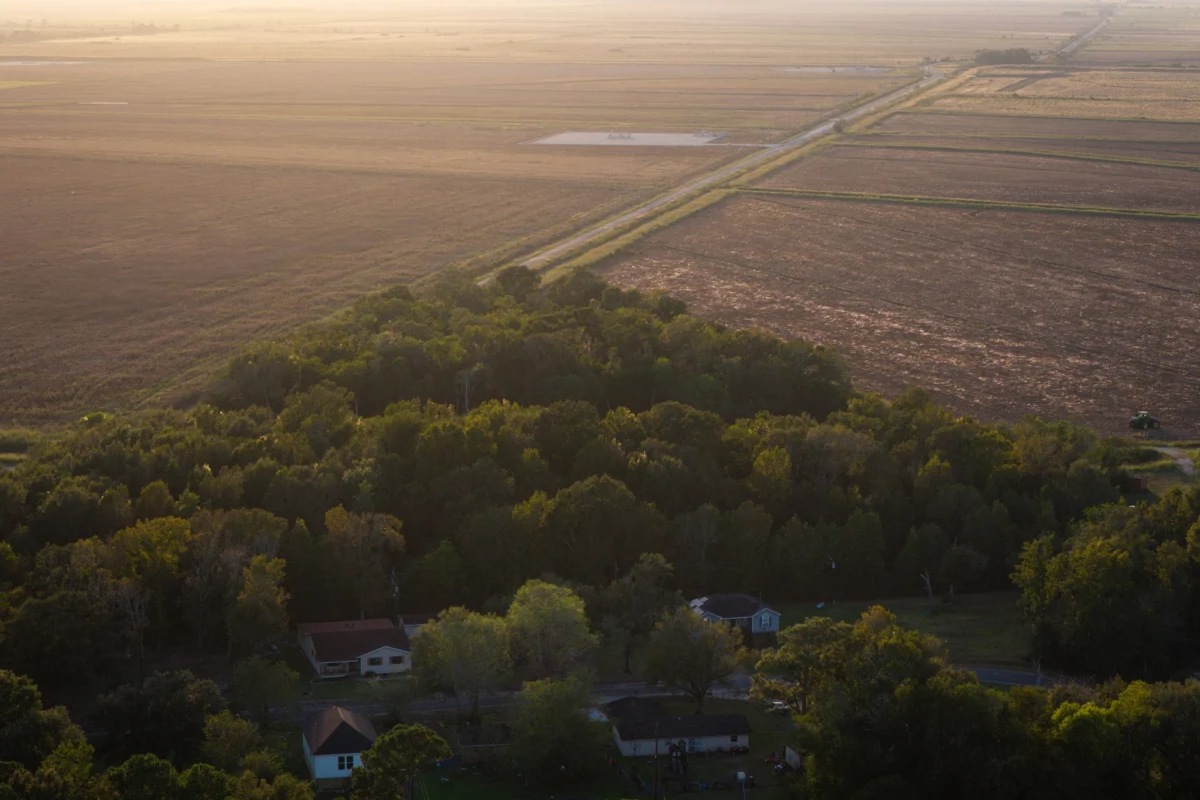
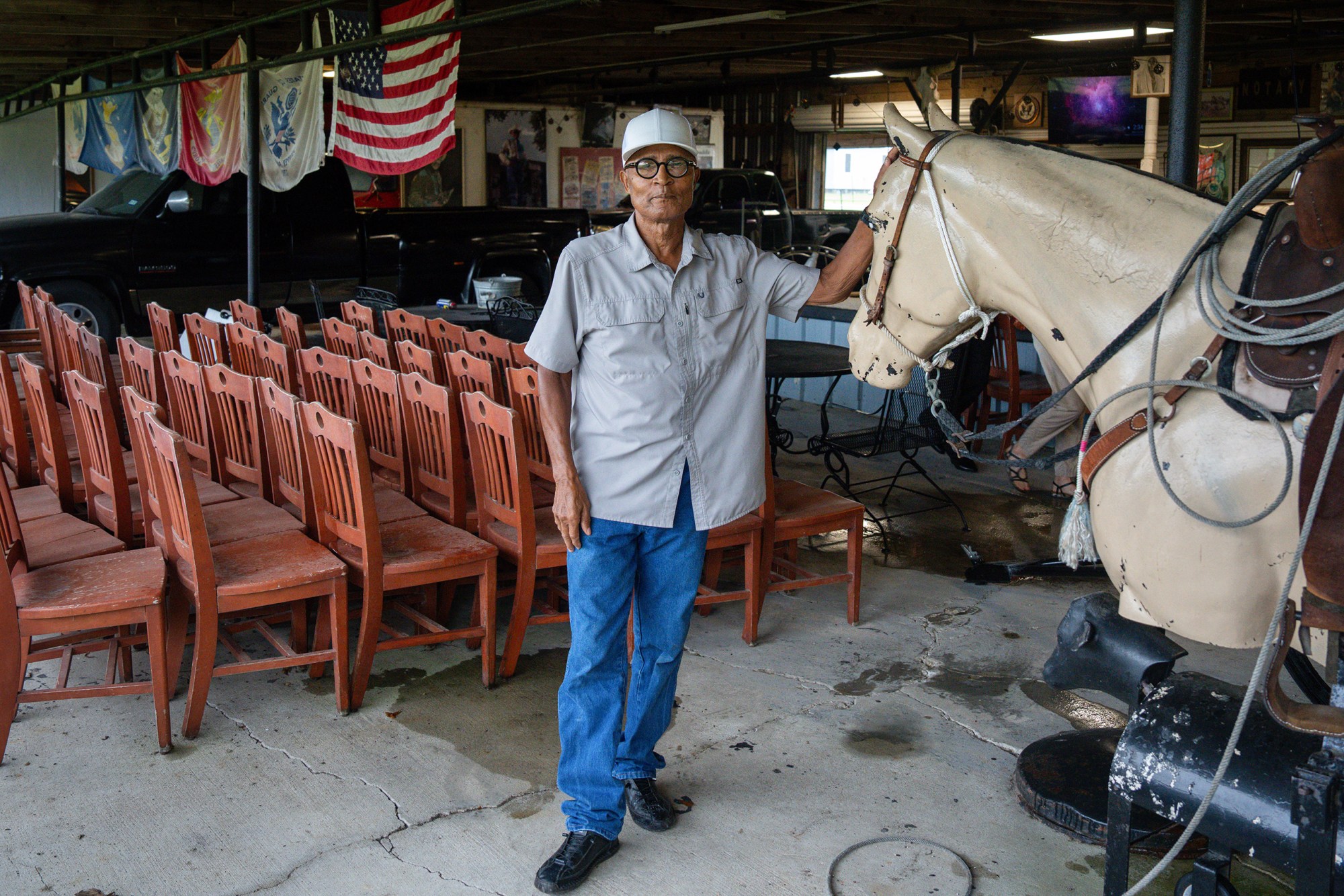
On a rural, quiet stretch of road outside Beaumont, Texas, a massive energy infrastructure undertaking is quietly taking shape, poised to alter the landscape of domestic climate policy and industrial emissions management. Exxon Mobil is finalizing preparations to compress carbon dioxide into a near-liquid state and pump it thousands of feet beneath the Earth’s surface, permanently entombing the greenhouse gas in microscopic pore spaces within deep geological rock formations. This project, known locally as the "Rose" initiative, is on track to become the very first operational Class VI underground carbon storage facility of its kind in Texas.
For the oil and gas sector, this milestone has been years in the making. Industry leaders, fossil fuel trade groups, and state lawmakers have long championed carbon capture and storage (CCS) as an indispensable technological bridge. They argue it is critical for neutralizing hard-to-abate industrial emissions while allowing traditional energy production to continue under an "all-of-the-above" approach. Yet, as the state accelerates its push toward industrial decarbonization, it has collided head-on with vulnerable, historic rural communities who fear they are being used as guinea pigs for a largely unproven and potentially catastrophic technology.
The Regulatory Landscape: State Primacy and the Rush to Permit
The path to the Exxon Mobil facility in Jefferson County was paved by a coordinated, decade-long political and regulatory campaign by Texas officials to wrest oversight authority away from the federal government. In 2009, the Texas Legislature passed Senate Bill 1387, directing the Texas Railroad Commission—the state agency that regulates the oil and gas industry—to design a regulatory framework for permanent carbon dioxide storage.
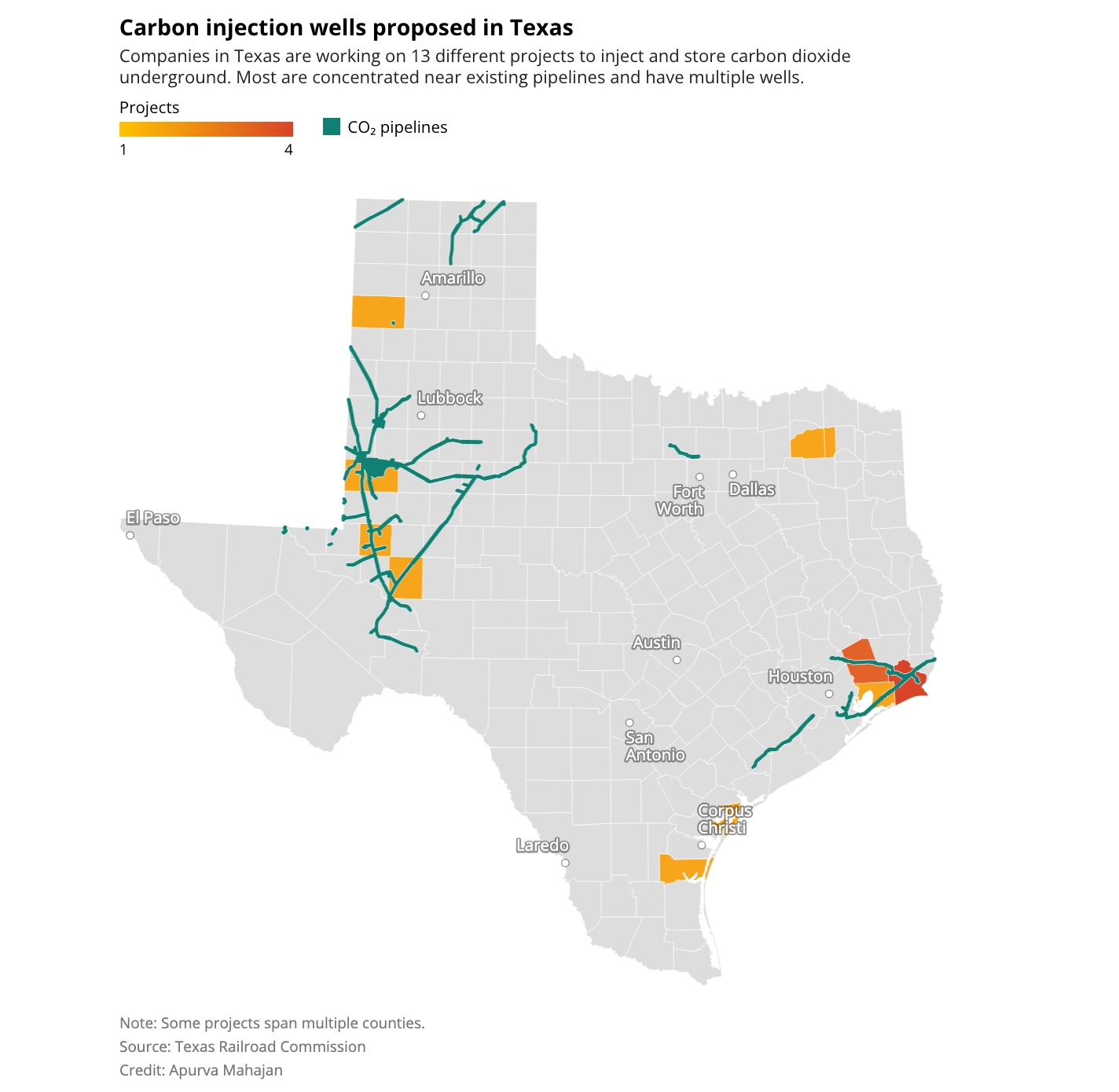
For years, permitting authority for Class VI wells rested exclusively with the U.S. Environmental Protection Agency (EPA). However, state leaders argued that federal oversight was too sluggish, threatening Texas’s economic competitiveness and energy leadership. Following formal applications submitted by the state in 2022 and intense lobbying by organizations like the Texas Oil and Gas Association, the EPA ultimately granted Texas primary enforcement authority over Class VI wells late last year.
Seizing upon this newly won authority, the Railroad Commission approved Exxon Mobil’s permit for the Cheek project in September. The approval came under immense pressure from legislative leaders, including state Representative Drew Darby, a Republican from San Angelo and chair of the House Energy Resources Committee, who urged regulators at a September hearing to advance carbon capture projects at the "utmost pace while protecting the public."
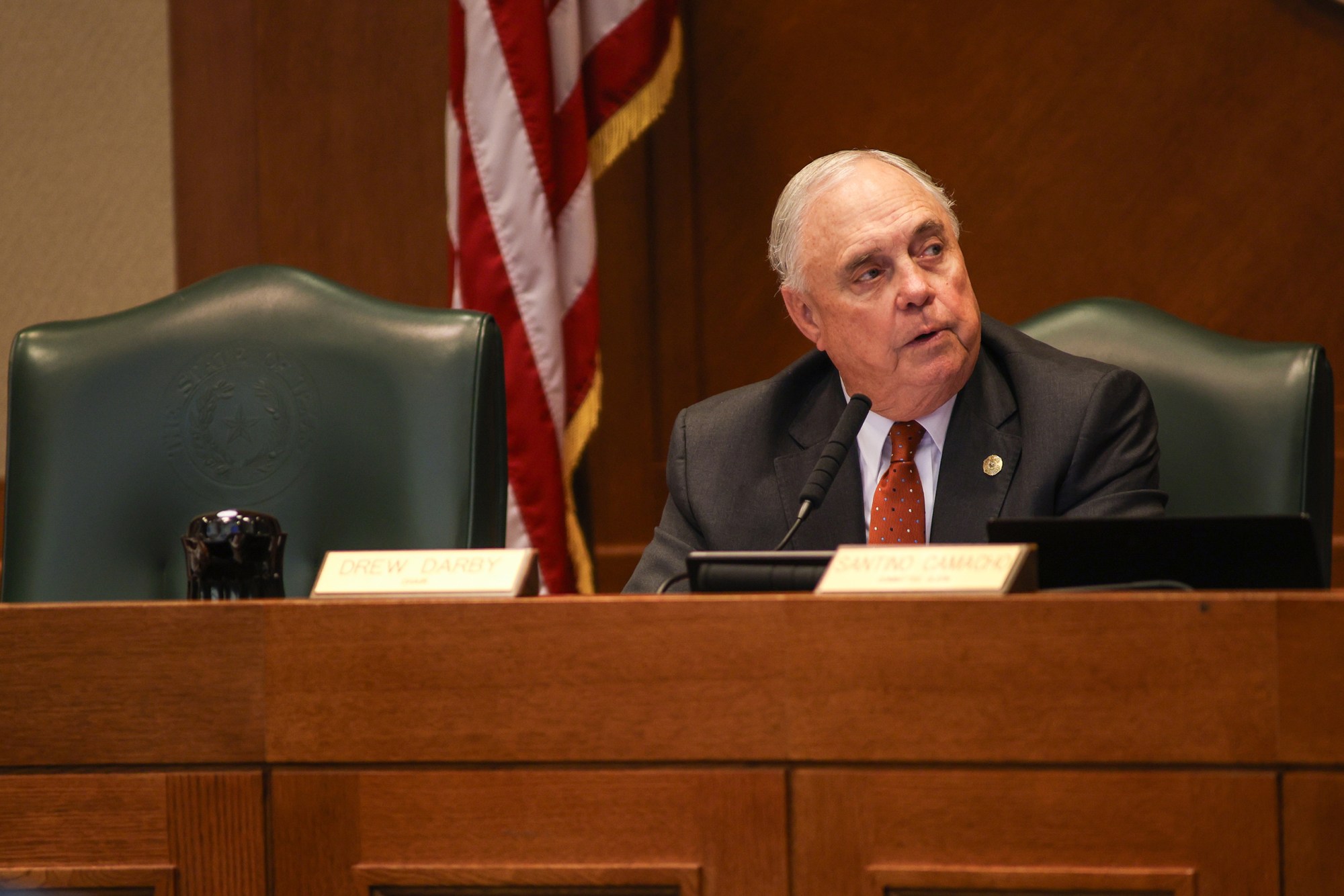
Proponents view this regulatory shift as a triumph for economic growth and innovation. Todd Staples, president of the Texas Oil and Gas Association, lauded the acquisition of permitting power as "essential for our state’s economic future and energy leadership." Similarly, Scott Castleman, a spokesperson for the Gulf Coast Carbon Capture and Storage Alliance, emphasized that injecting carbon dioxide into deep geological formations is built on decades of precedent, pointing to enhanced oil recovery operations that have utilized subsurface CO2 injection safely for over half a century.
Environmental Justice and Community Resistance in Cheek
Despite the enthusiasm from Austin boardrooms and industry trade groups, the residents of Cheek—a predominantly Black, working-class, and elderly unincorporated community just west of Beaumont—are sounding the alarm. To locals, the rush to deploy carbon capture infrastructure feels less like a climate solution and more like a targeted environmental injustice.
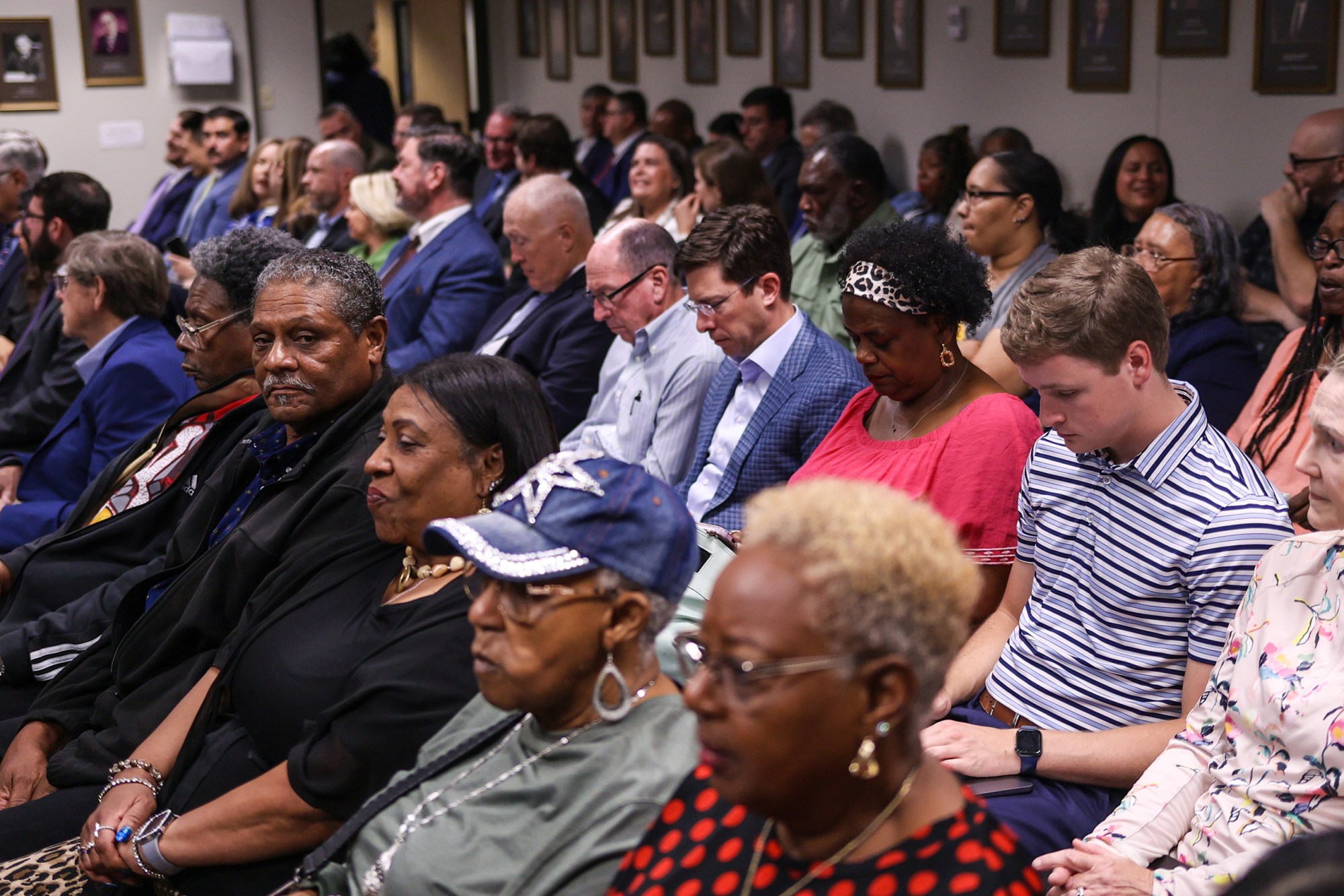
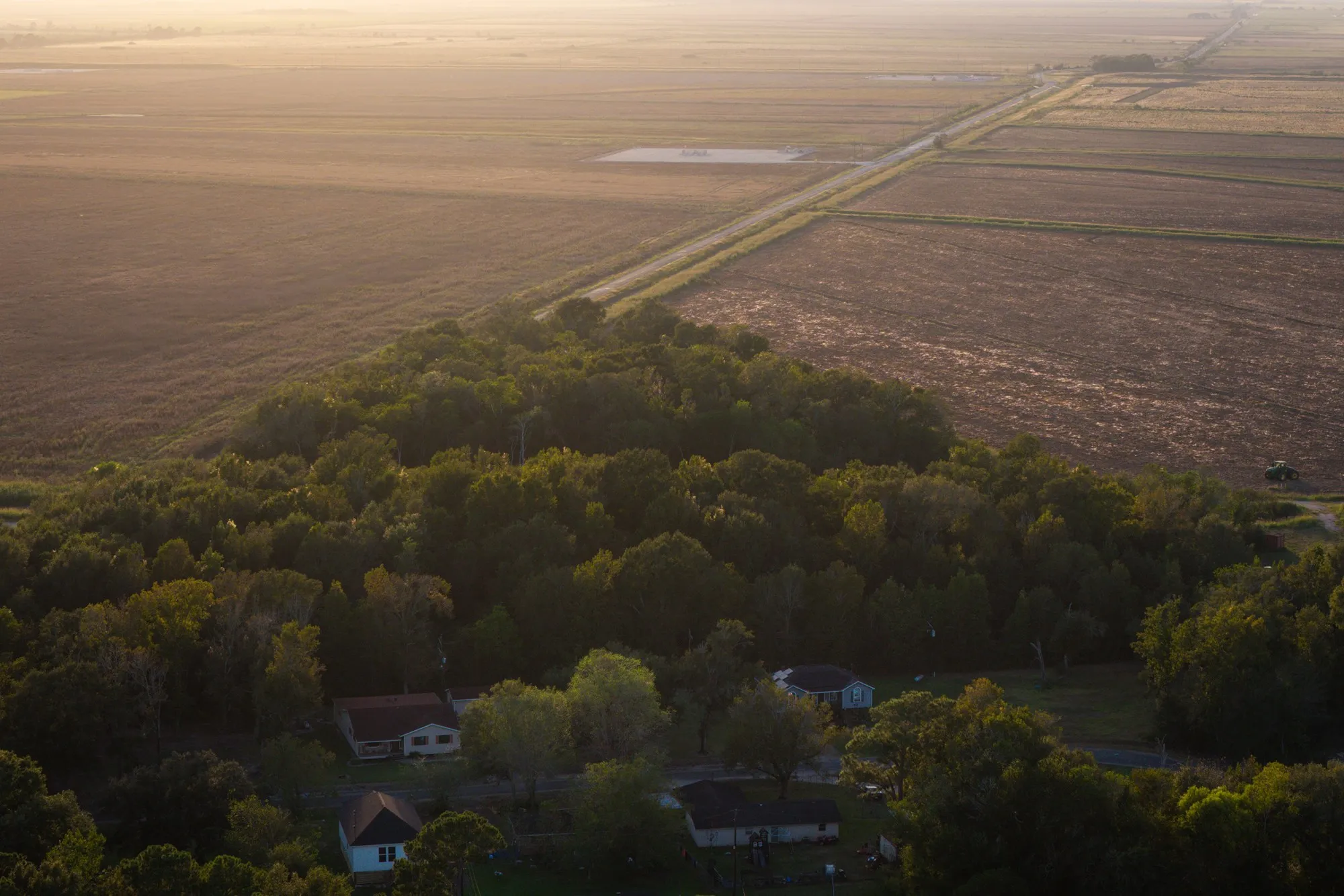
Douglas Cormier, the 67-year-old president of the Cheek Texas Community Association, voiced the profound disbelief felt by his neighbors. "We’re just shocked that they would want to do this so close to homes," said Cormier, who grew up in the rural town and lives near his daughters and grandchildren.
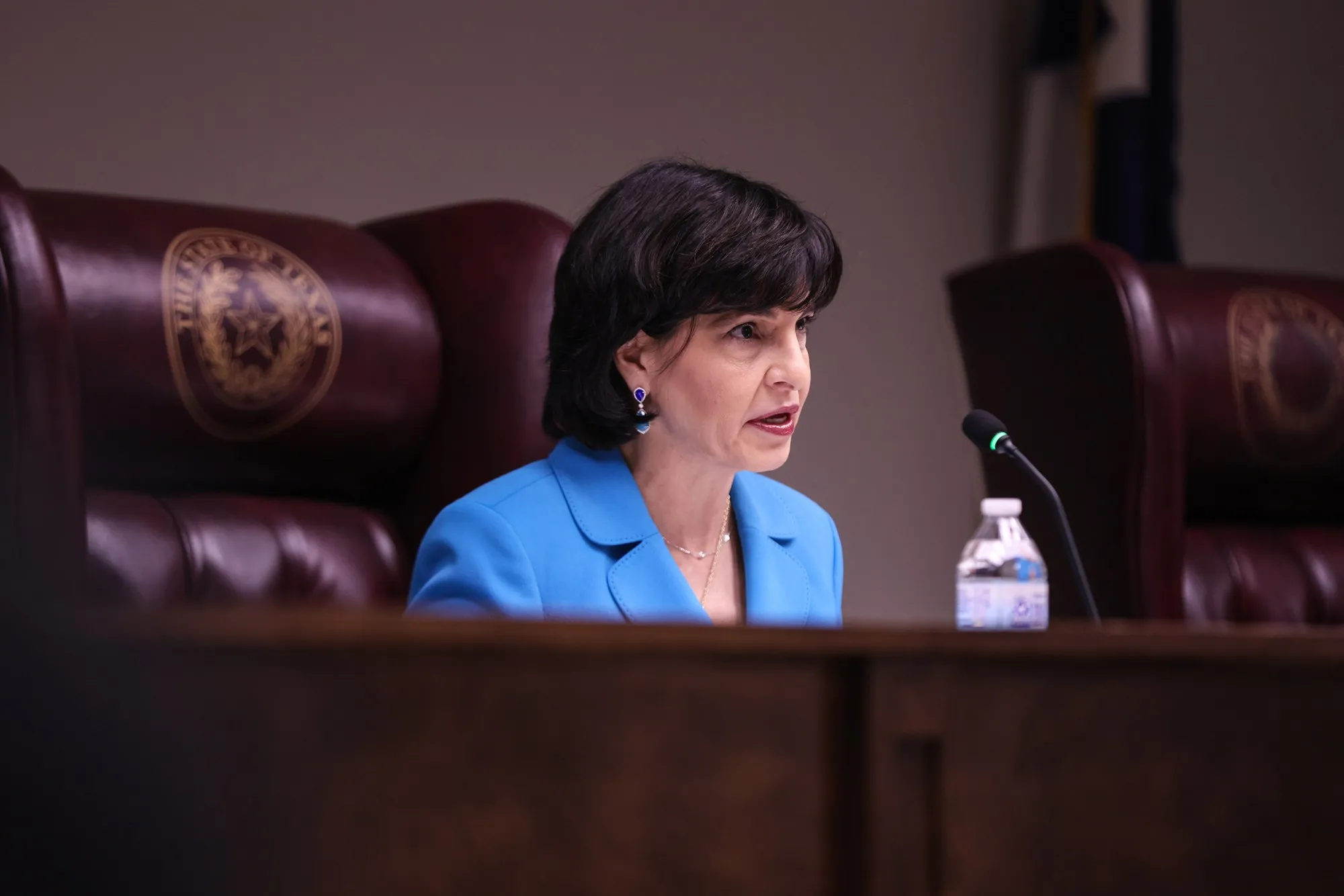
Residents like Preston Frank, an 81-year-old upholsterer who maintains a self-made museum documenting the area’s decades-long history of rodeos and community life, view their land as a vital vehicle for generational wealth. "That’s the reason why we’ve been fighting Exxon Mobil," Frank explained. "We don’t want them coming in here and diminishing the value of the land."
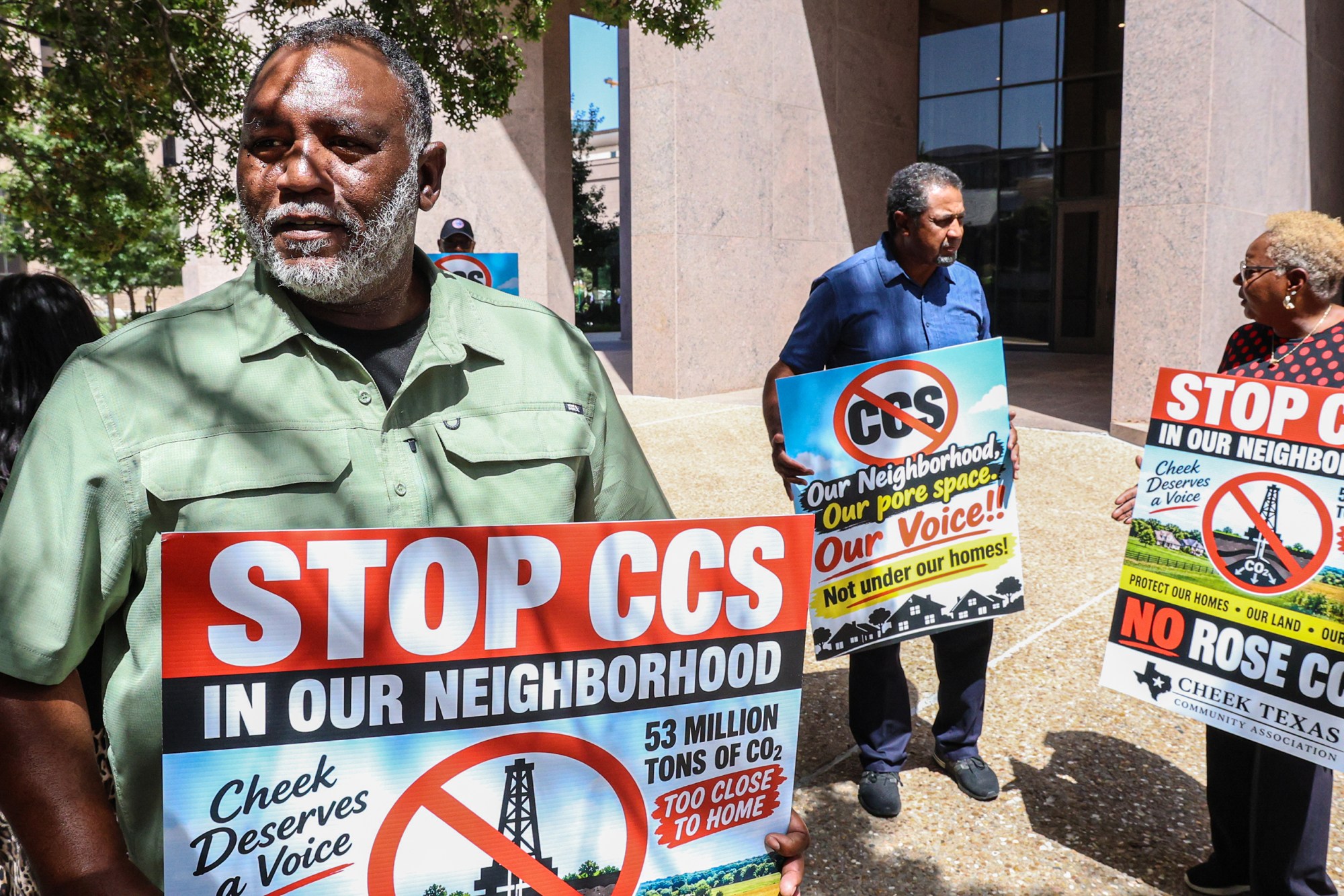
In July 2025, the Cheek Texas Community Association partnered pro bono with attorneys from the nonprofit environmental law firm Earthjustice. They challenged the permit throughout administrative hearings, arguing that Exxon Mobil had failed to adequately model the underground migration of the carbon plume and had neglected to ensure public safety. Jen Powis, who leads Earthjustice’s Gulf regional office, noted the unprecedented nature of the stakes: "It’s the first one in an area so close to a community, and that’s why the water issues and the safety issues are so paramount here."
Residents’ fears are rooted in real, documented hazards associated with high-pressure carbon dioxide infrastructure. Unlike natural gas, CO2 is an odorless, colorless gas that, in high concentrations, can displace oxygen and cause asphyxiation. Furthermore, scientific studies by institutions like the Lawrence Berkeley National Laboratory have warned that if injected carbon dioxide leaks into shallow freshwater aquifers, it can increase water acidity, triggering the leaching of toxic heavy metals and permanently contaminating local drinking water sources.
National Precedents and Safety Concerns
Skepticism among community members is further fueled by high-profile industrial accidents elsewhere in the United States. In 2020, a Denbury Gulf Coast pipeline ruptured in Satartia, Mississippi, following heavy rains and a localized landslide. The resulting vapor cloud of high-pressure CO2 displaced oxygen, stalling gas-powered vehicles and hospitalizing dozens of residents. A subsequent federal investigation by the Pipeline and Hazardous Materials Safety Administration revealed that local emergency responders had received no prior safety training regarding CO2 pipelines and "had to guess" at the nature of the hazard.
More recently, a carbon capture and monitoring facility in Illinois suffered a subsurface leak, releasing fluids into "unauthorized zones" underground—a failure that local residents reportedly learned about only through media reports.
These incidents have prompted neighboring states to exercise caution. Louisiana Governor Jeff Landry paused the state’s review of new Class VI applications to ensure rigorous environmental compliance and public safety protocols, noting that while Louisiana has permitted three CO2 wells, none are yet operational.
Meanwhile, prominent climate scientists and economic researchers have challenged the foundational logic of the technology itself. Dr. Naomi Oreskes, a Harvard University history of science professor who studies climate disinformation, has categorized carbon capture and storage as "mostly a dangerous distraction." A joint investigative project by Drled and ProPublica similarly concluded that scaling CCS to levels required to meaningfully offset global warming would demand a level of resource extraction and infrastructure buildout that is practically unfeasible. Indeed, economic headwinds have already forced companies to cancel or pause nearly a third of the 19 proposed carbon storage projects initially slated for Texas.
Regulatory Fractures and Political Divisions
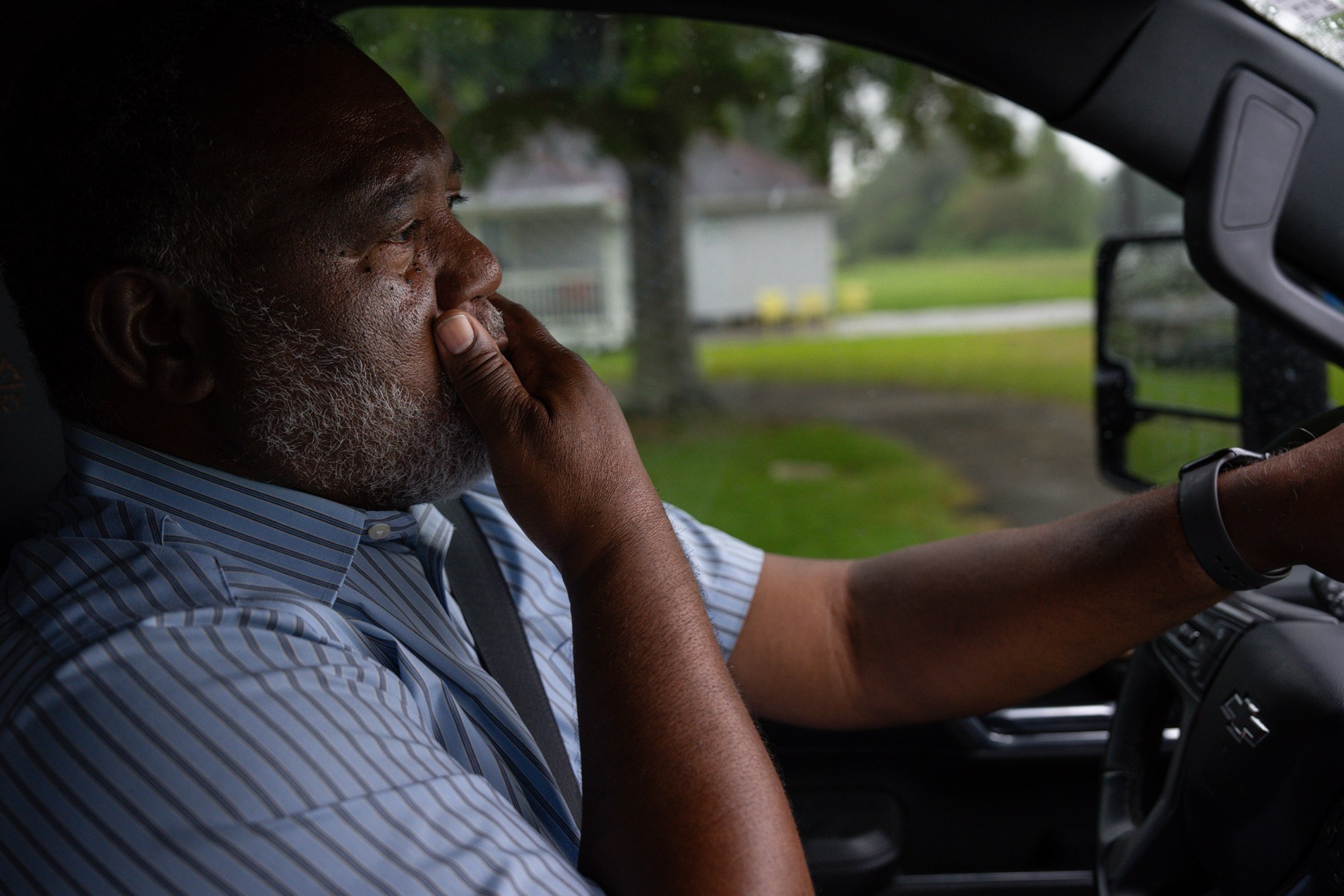
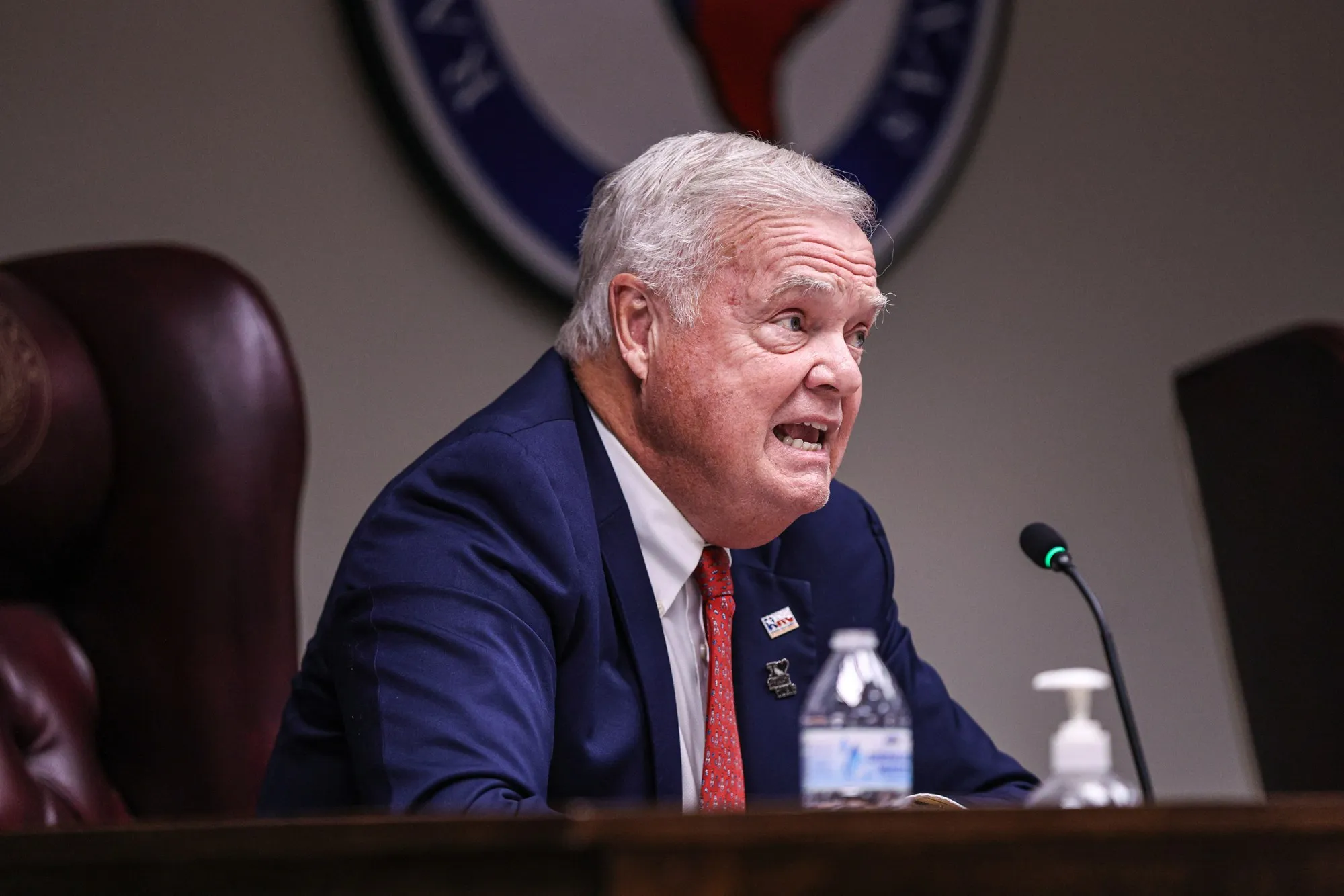
The friction surrounding the Exxon Mobil permit exposed deep divisions within the Texas Railroad Commission itself. During the September hearings, agency commissioners sparred over the adequacy of community outreach. Even Christi Craddick, chair of the Railroad Commission, openly criticized Exxon Mobil for failing to meaningfully engage with Cheek residents after they retained legal representation, remarking during a hearing: "Give them information. Be there for their safety. Give ’em a fire truck if that’s what they want."
Despite her sharp critique, Craddick ultimately voted to approve the permit.
The commission’s three-member panel remains ideologically fractured on the issue. Commissioner Wayne Christian voted against the Exxon Mobil permit, expressing safety reservations, though his broader skepticism toward climate change—having previously argued that carbon dioxide is beneficial to plant life—places him at odds with the scientific consensus on global warming. With newly elected Commissioner Jon Rosenthal joining the panel, the agency’s internal dynamics regarding industrial oversight and public safety are expected to remain contentious.
The Broader Rollout: The "Sunflower" Project in Nome
Even as the legal and social battles over the Rose project in Cheek continue to reverberate, Exxon Mobil is aggressively pressing forward with a second, neighboring initiative known as "Sunflower" in the nearby community of Nome.
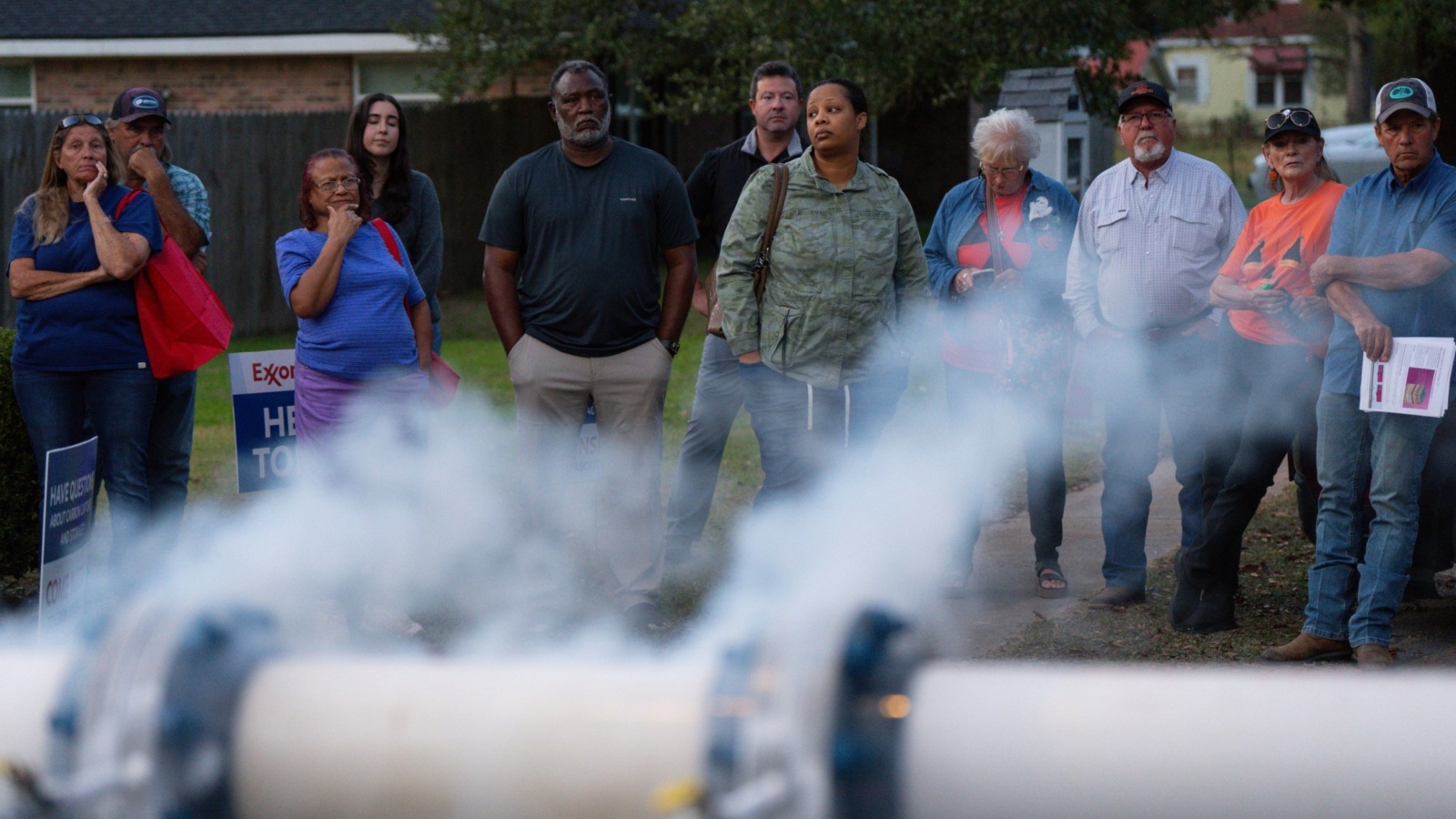
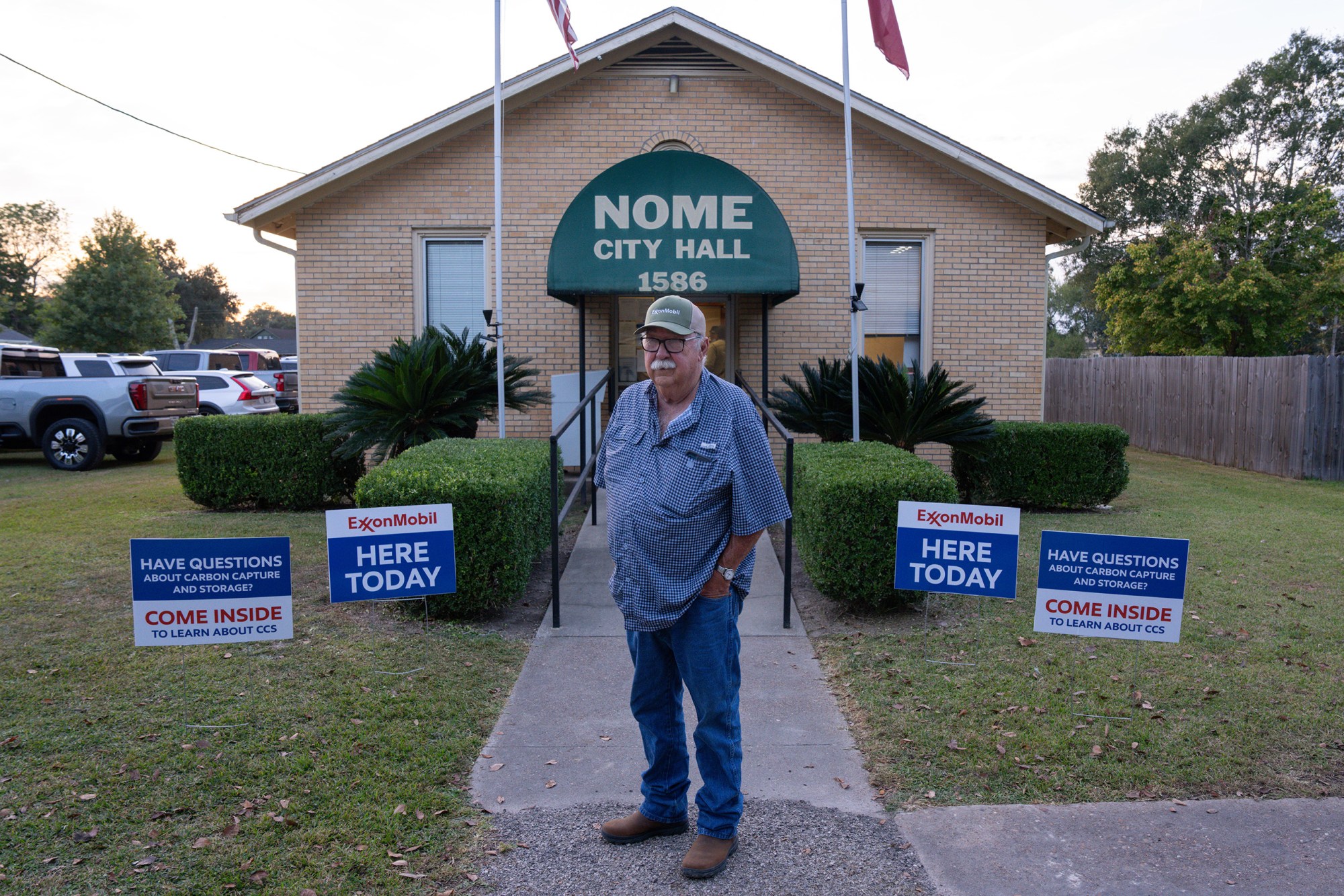
Public hearings and community meetings for the Sunflower project have highlighted a stark contrast in corporate strategy. While Cheek residents were largely caught unawares, Exxon Mobil hosted an open house in Nome at the municipal building, plying attendees with boudin balls, shrimp, and informational pamphlets detailing emergency response protocols. During the event, company representatives staged a live safety demonstration, venting CO2 from a test line to show how the gas behaves in the open air, punctuated by the cry of "let it rip, tater chip."
Reactions in Nome were more mixed than in Cheek. Local leaders, such as Mayor Kerry Abney—who wore an Exxon Mobil baseball cap and casually walked through the vented CO2 cloud—hailed the project as a major economic windfall that would generate municipal sales tax revenue and breathe new life into an agriculturally strained local economy. "Santa Claus came," Abney quipped.
Other residents, such as 72-year-old rice and turf farmer Mike Doguet—whose property sits directly across the street from a newly drilled Sunflower injection well—expressed confidence in the company’s safety measures, noting that Exxon Mobil has agreed to fund new firefighting equipment for the town.
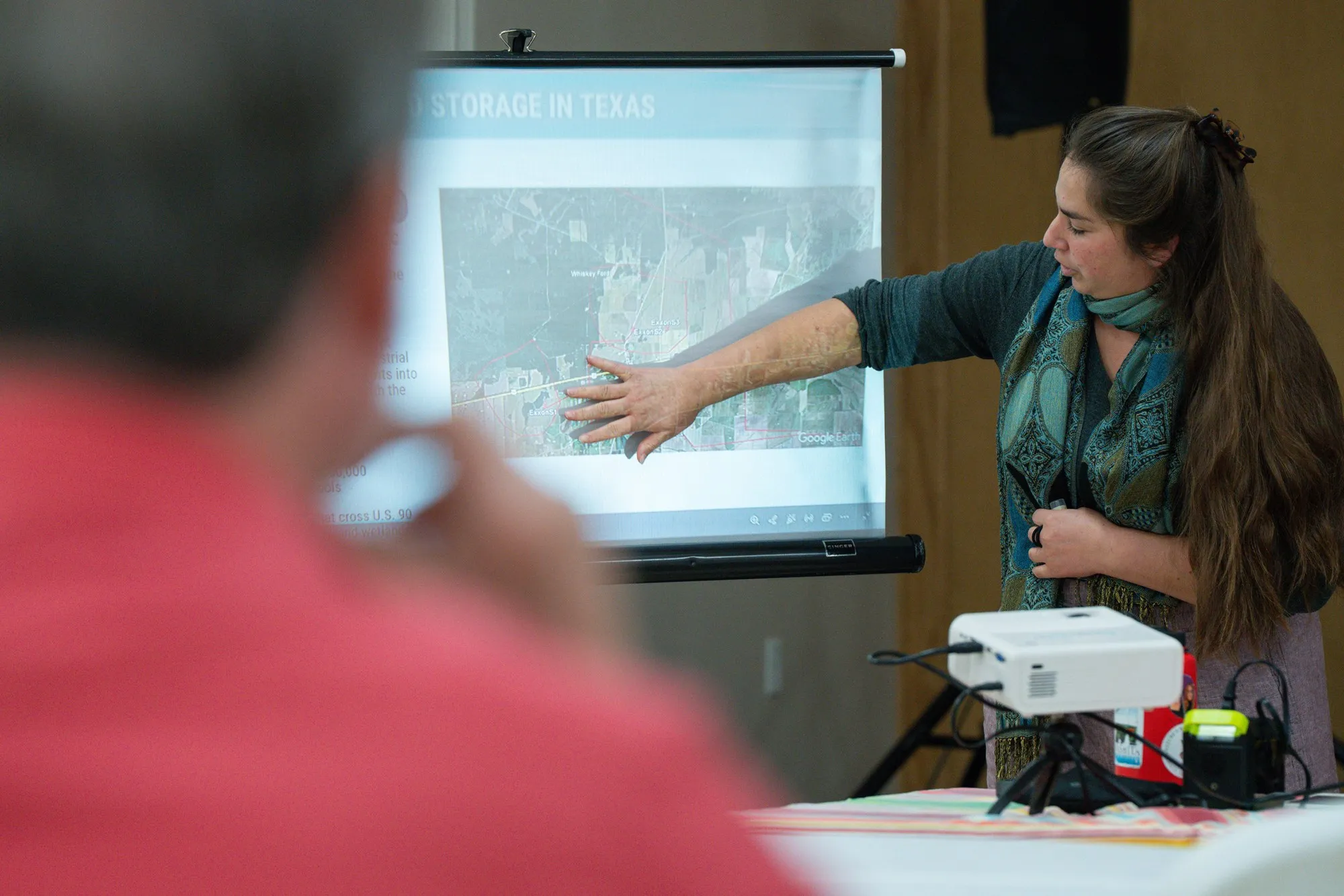
Nevertheless, skeptical observers remain unconvinced. During the Nome presentations, traveling advocates from Cheek aggressively questioned company representatives, highlighting the persistent trust gap between multinational energy conglomerates and the rural towns hosting their subterranean infrastructure.
As Texas positions itself as the national epicenter for industrial carbon management, the clashes in Cheek and Nome serve as a high-stakes stress test. They highlight an unresolved tension at the heart of the energy transition: whether a state government can successfully balance the trillion-dollar economic incentives of corporate decarbonization with the fundamental right of local communities to breathe clean air, protect their groundwater, and feel secure in their homes.