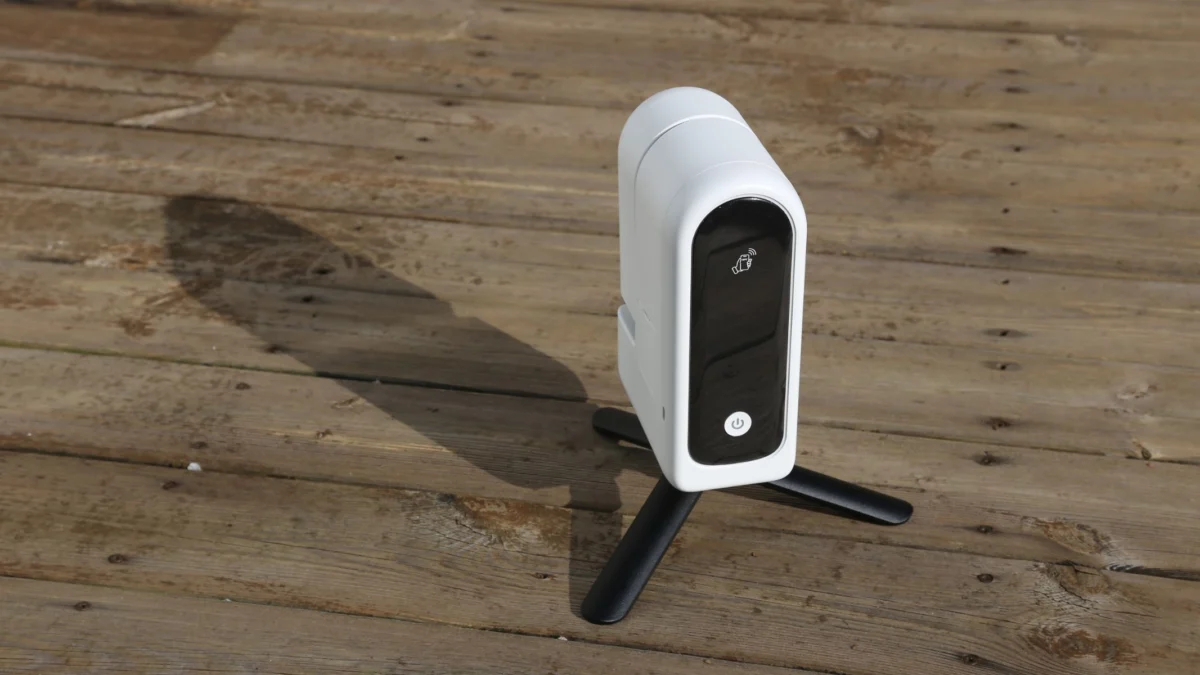
The advent of smart telescopes, exemplified by devices like the ZWO Seestar S30 Pro, has fundamentally reshaped the landscape of astrophotography and, arguably, urban astronomy. The Seestar S30 Pro distinguishes itself by pushing this concept further than many of its contemporaries. This compact unit, small enough to comfortably fit within a standard camera backpack, ingeniously integrates a refractor telescope, a motorized mount, dual cameras, and sophisticated image-processing software into a singular, cohesive device. Its operation is entirely managed through a smartphone interface, democratizing access to celestial imaging. Within mere minutes of powering on, the Seestar S30 Pro can autonomously align itself with the night sky, navigate to a designated celestial target, and commence the process of stacking exposures. This capability allows for the revelation of intricate details within galaxies, nebulas, and star clusters, even when observed from locations plagued by light pollution.
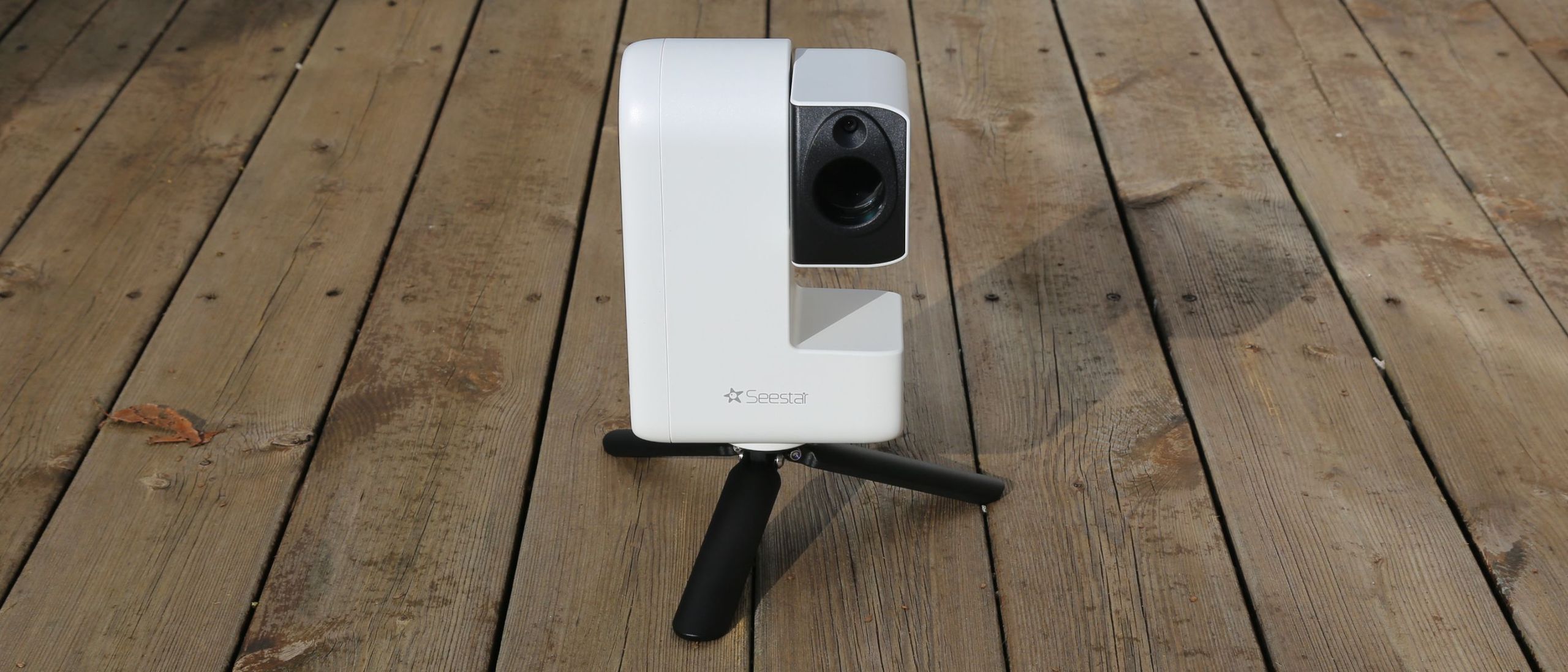
This technological leap makes astrophotography—a discipline historically associated with complexity and significant financial investment—accessible through a single, automated instrument. What makes the Seestar S30 Pro particularly compelling is not solely its user-friendly nature, but also its transformative impact on the observation experience. Instead of the traditional method of actively manipulating a telescope, users engage with a live, evolving digital image. While the human eye cannot directly perceive the faint photons emanating from distant galaxies, this shift in methodology addresses a critical limitation for urban astronomers, for whom many celestial objects are virtually invisible through conventional optical telescopes due to atmospheric and light pollution.
Positioned as an enhancement to its predecessor, the original Seestar S30, the Pro model introduces a higher-resolution 8.3MP imaging sensor, enhanced optical capabilities, and expanded imaging modes tailored for users seeking more advanced control and finer detail. This makes the Seestar S30 Pro an attractive proposition for beginners, urban astronomers, and seasoned astrophotographers alike who are in pursuit of a portable and capable imaging rig. It represents a convenient, effective, and novel approach to exploring the cosmos.
ZWO Seestar S30 Pro: Design and Portability
At first glance, the Seestar S30 Pro bears little resemblance to a conventional telescope. Its form factor is more akin to a high-powered telephoto lens than a traditional optical instrument, a deliberate design choice that underscores its portability. This compact size is one of its most significant advantages, rendering it a telescope that can be realistically transported and deployed in virtually any setting, from a backyard and balcony to a remote dark-sky location. Its diminutive size even suggests the possibility of inclusion as carry-on luggage for astronomical expeditions, such as witnessing a total solar eclipse in a distant locale.
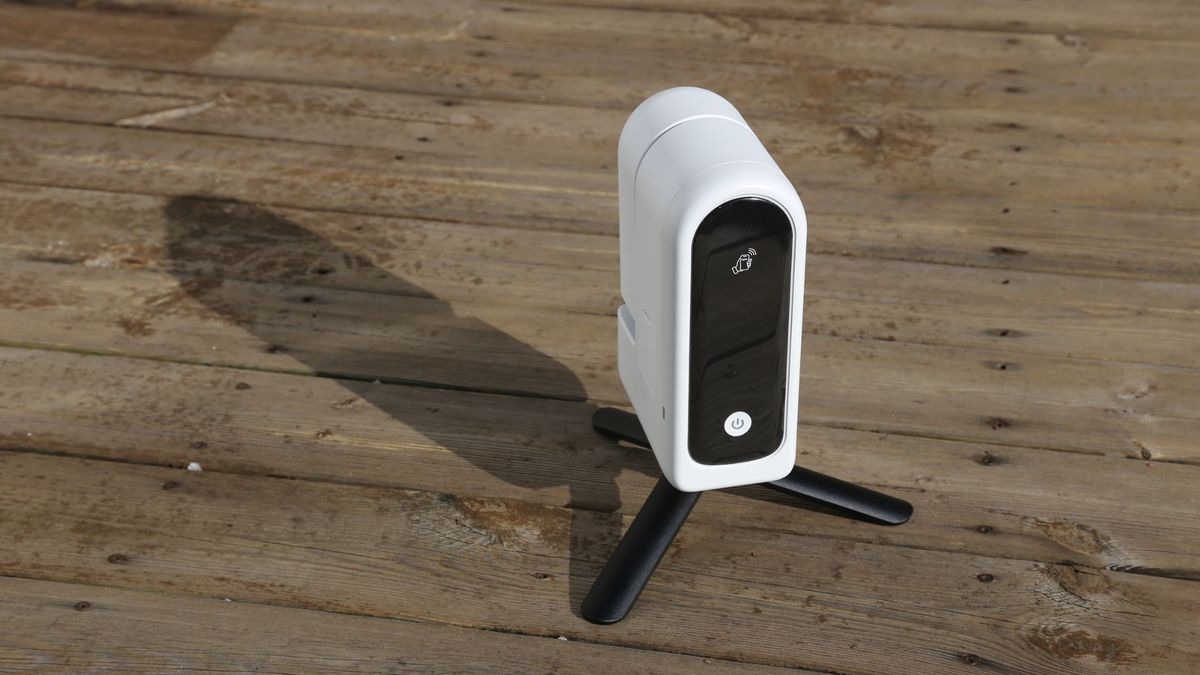
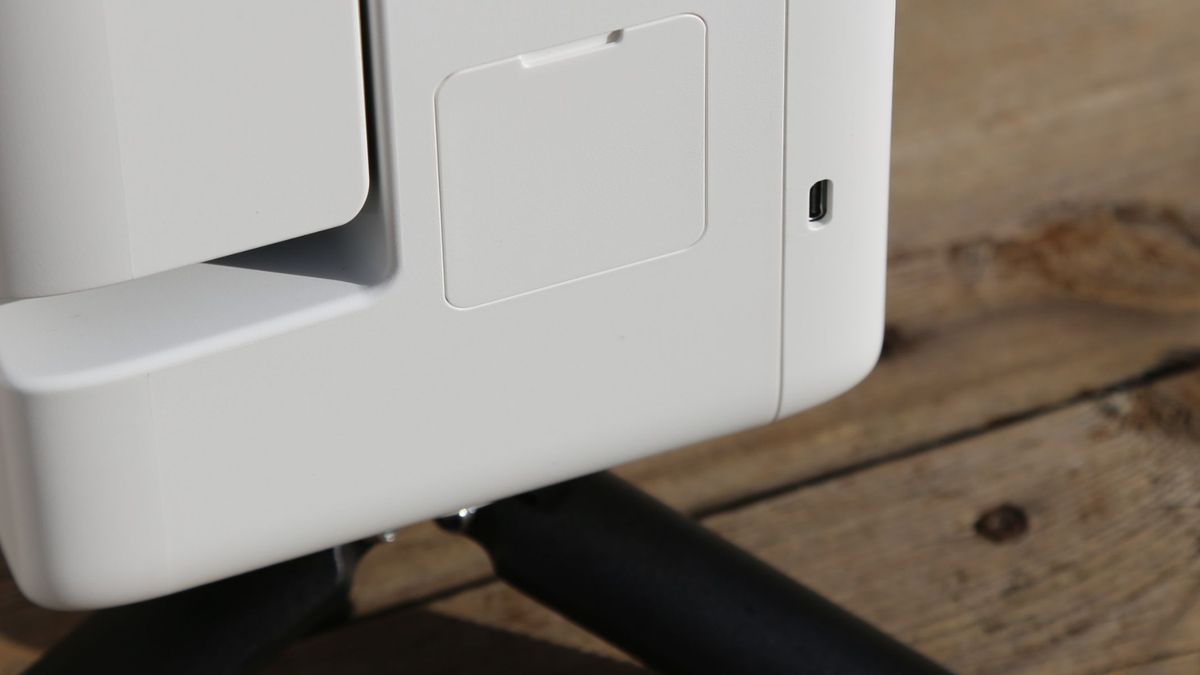
The aesthetic of the Seestar S30 Pro is deliberately minimalist. Beyond a discreet power button and a USB-C port for charging and data transfer, the device features no physical controls. The entire operational spectrum, encompassing telescope slewing, focusing, image capture, and post-processing, is managed through the intuitive Seestar application. Once connected to a smartphone via its dedicated Wi-Fi network, the system functions entirely offline, establishing a direct link to the user’s device without necessitating an external internet connection in the field. This self-contained operational capability enhances its utility in remote observation environments.
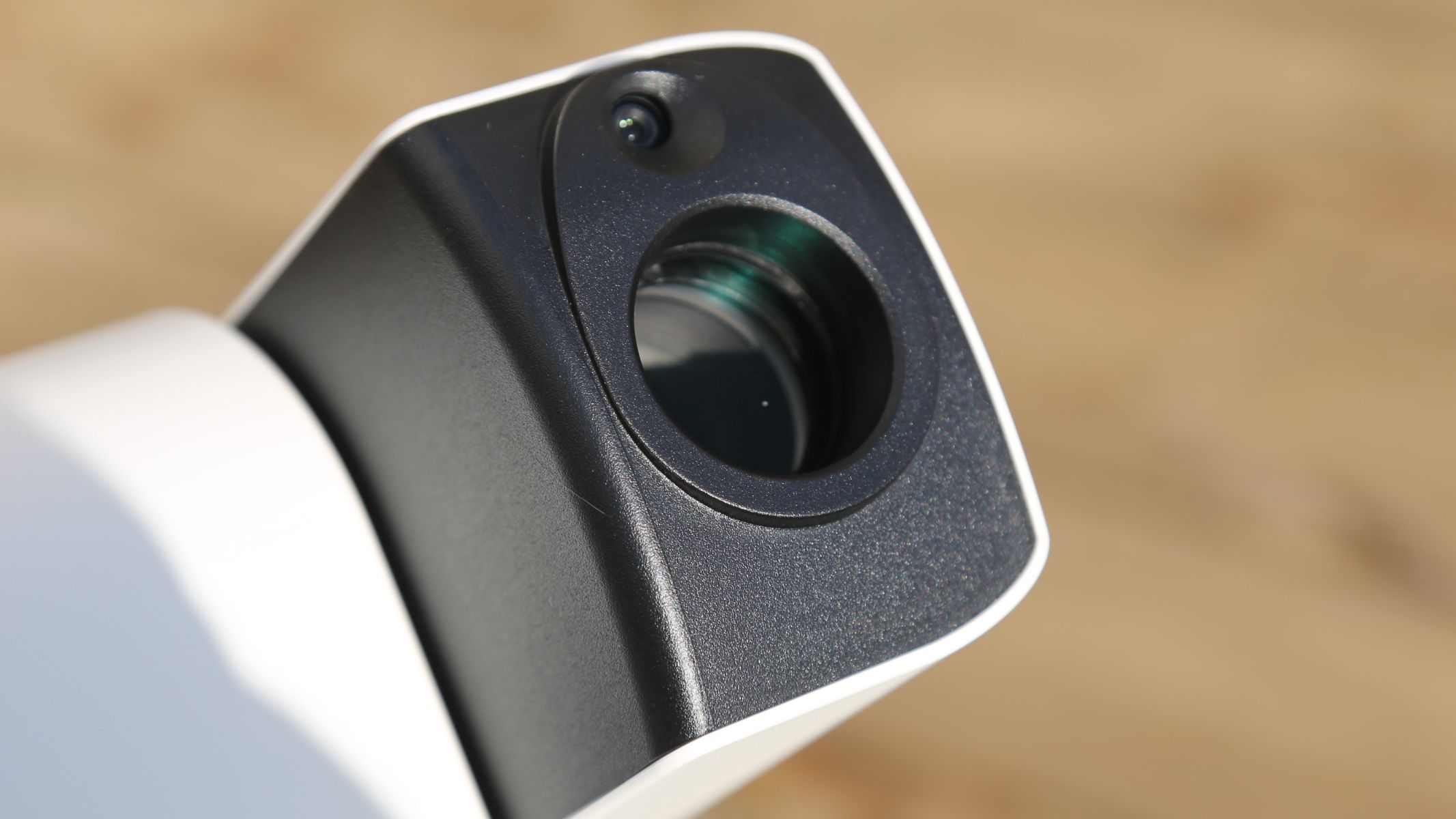
A cornerstone of this upgraded model is its advanced dual-camera system. The primary telephoto camera is specifically engineered for deep-sky astrophotography. It utilizes a high-performance Sony IMX585 sensor, capable of capturing images at an impressive 8.3-megapixel resolution (equivalent to 4K). Complementing this is a secondary wide-angle camera, also equipped with a capable Sony IMX586 sensor. This secondary camera plays a crucial role in sky alignment, providing a broader field of view for initial orientation and enabling specific wide-field imaging modes.
The optical configuration of the Seestar S30 Pro is a quadruplet apochromatic refractor, incorporating ED (Extra-low Dispersion) glass elements. This design aims to minimize chromatic aberration, ensuring sharper and more accurate color reproduction in the captured images. The specifications detail an aperture of 30mm and a focal length of 160mm, resulting in a focal ratio of f/5.3. These parameters are optimized for gathering sufficient light for deep-sky objects while maintaining a relatively compact optical train.
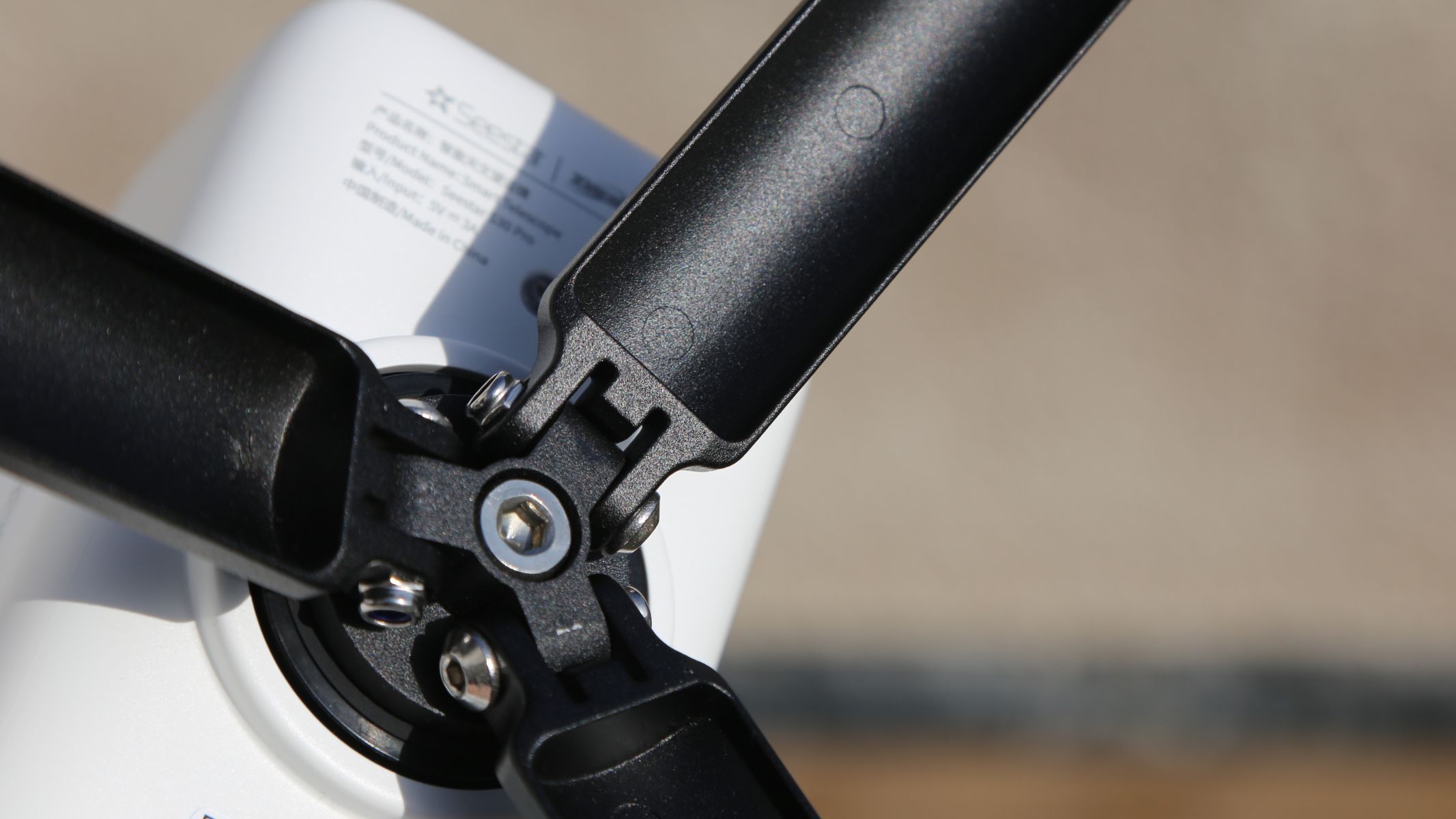
Included with the Seestar S30 Pro is a tabletop tripod. While functional for basic setup on a stable surface, its limited size may be a constraint for users whose observing locations are obstructed by buildings or trees. For enhanced stability and a better vantage point in such scenarios, mounting the device on a full-size photographic tripod is highly recommended. The package also comes with a well-designed, high-quality padded shoulder bag, providing secure storage and convenient transport for the telescope and all its essential accessories.
ZWO Seestar S30 Pro: Performance and Image Capture
The operational paradigm of the Seestar S30 Pro shifts the user’s role from active equipment operator to app-based observer. Upon powering on the device and establishing a Wi-Fi connection to a smartphone, the telescope initiates an automated process. It performs a plate-solving routine to analyze the star field overhead, accurately determining its position in the sky. Subsequently, it autonomously slews to the pre-selected target object. Within a short timeframe, the device begins capturing a series of short exposures, typically around 10 seconds each. These individual frames are then stacked in real-time by the integrated software. This stacking process is fundamental to astrophotography, as it significantly reduces image noise and enhances the subtle details of faint celestial objects. A critical feature of this automated stacking is its ability to intelligently discard poor-quality frames that may result from tracking errors, atmospheric disturbances, or star trailing, thereby ensuring the integrity and quality of the final stacked image.
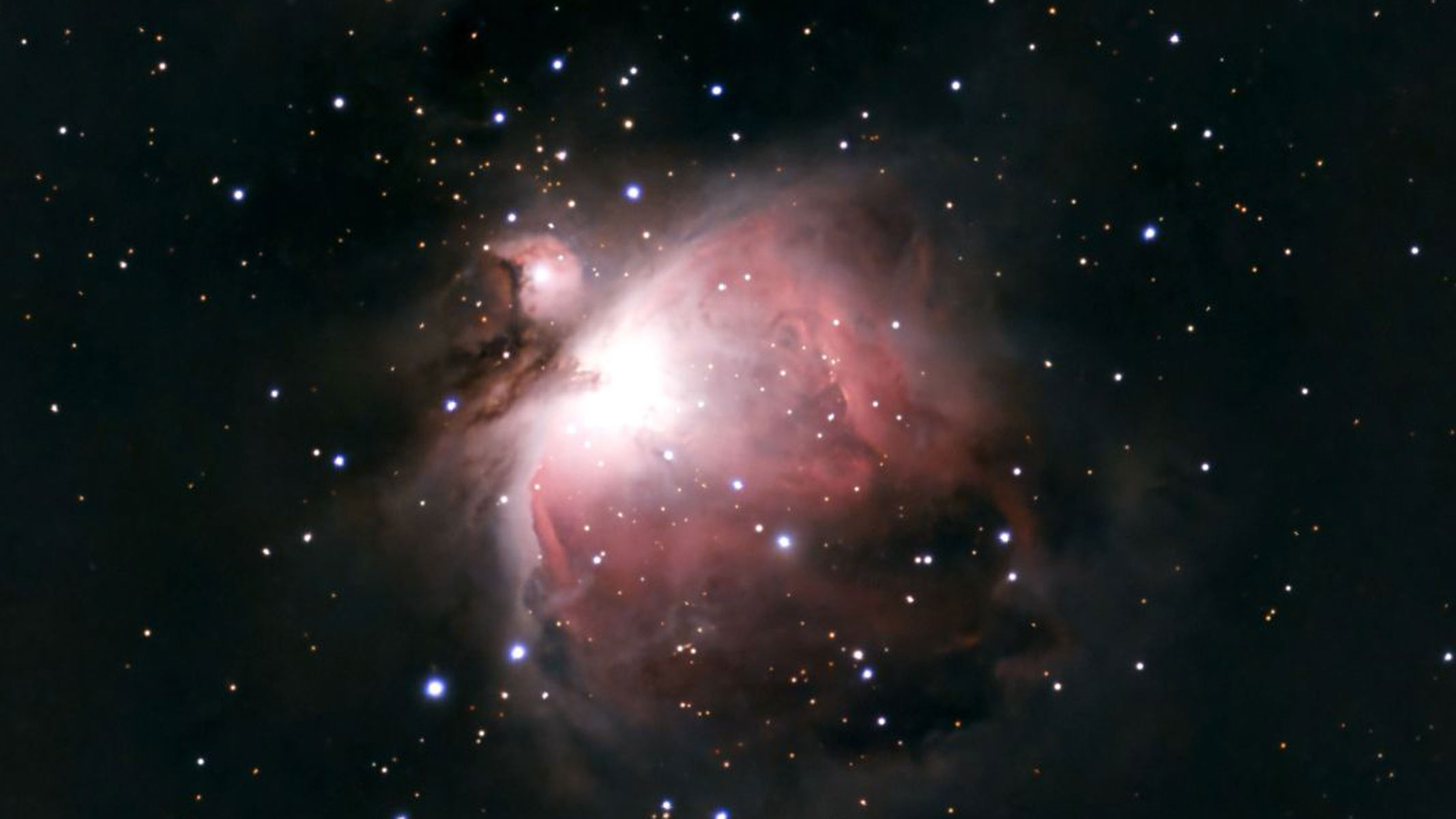
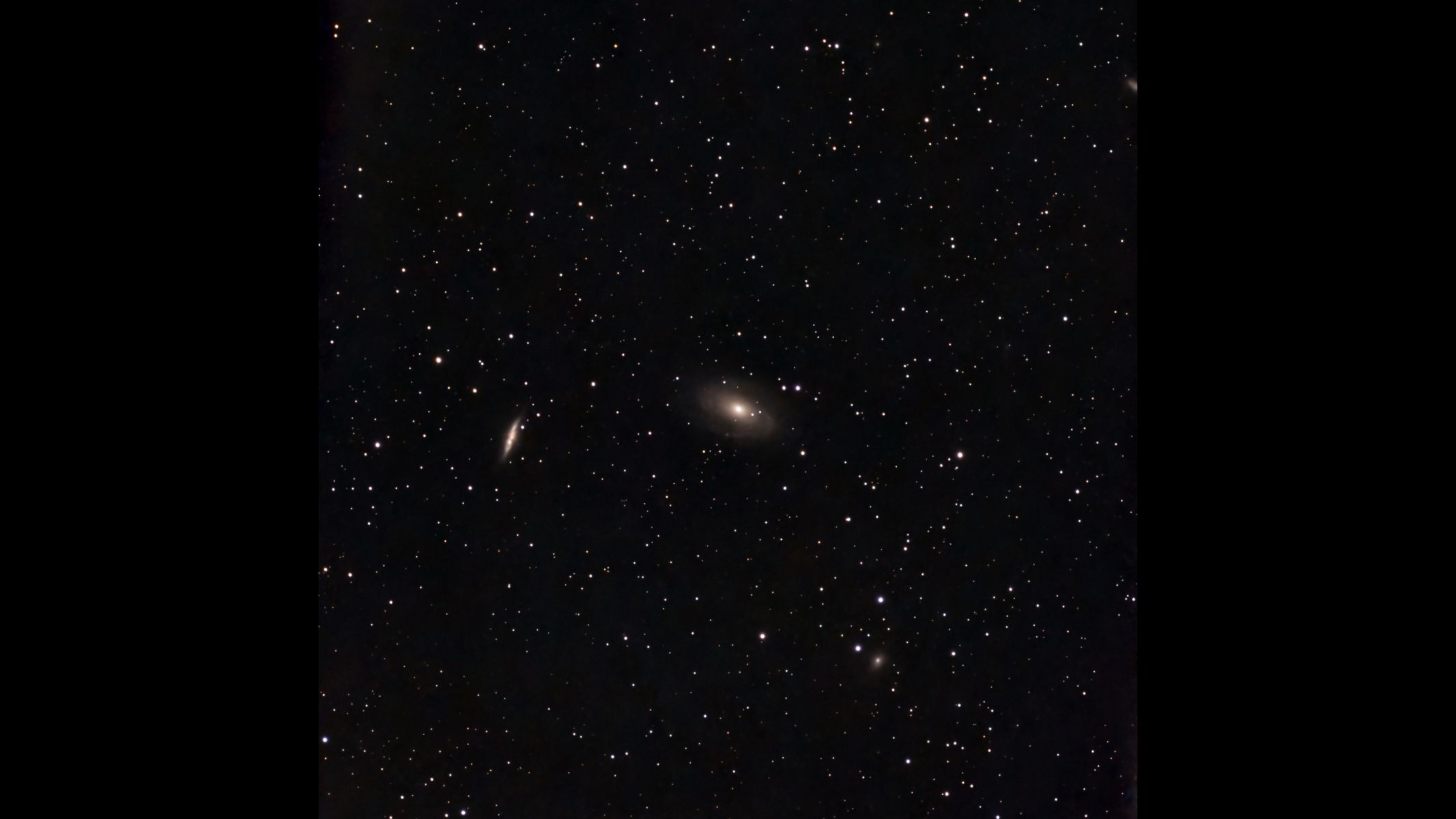
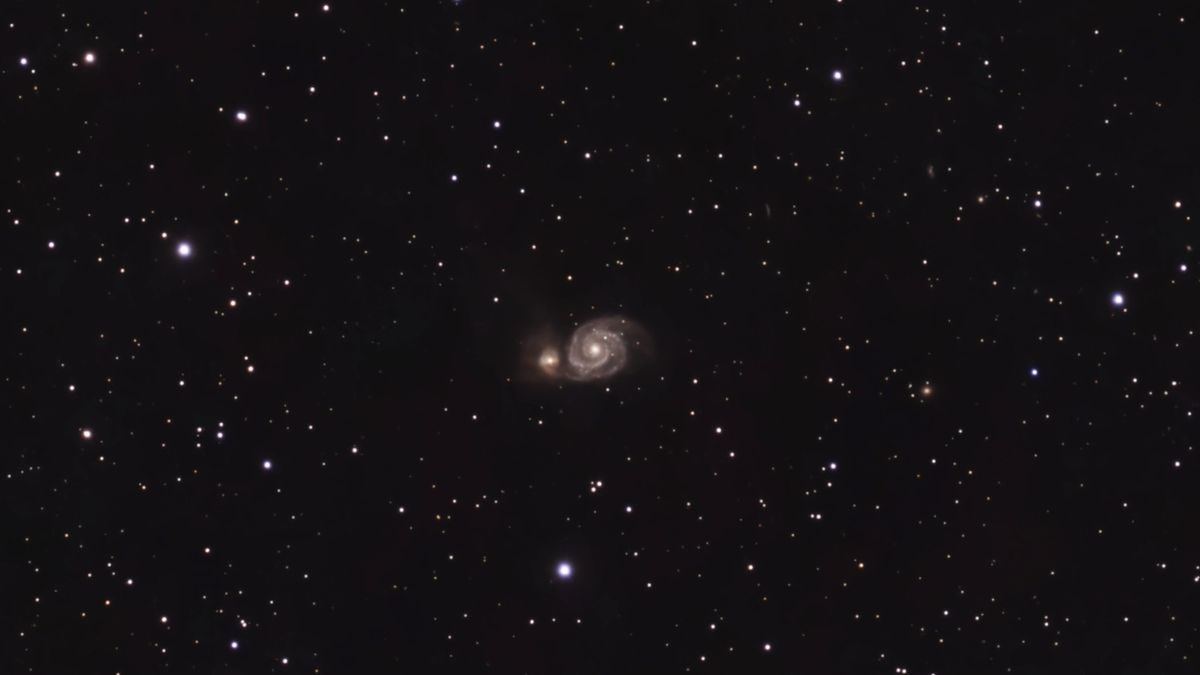
The visual impact of this image stacking process is a gradual revelation of celestial wonders. As more data is collected, faint smudges of light progressively resolve into discernible nebulas, intricate galactic structures, and detailed spiral arms. The sharpness of stars across the entire field of view is consistently maintained, attesting to the excellent optical quality of the Seestar S30 Pro, despite its modest aperture. During testing, the device produced remarkable images of prominent deep-sky objects, including the Orion Nebula (M42), Bode’s Galaxy (M81) and the Cigar Galaxy (M82), the Whirlpool Galaxy (M51), and the Great Globular Cluster in Hercules (M13).
The effectiveness of image stacking is particularly pronounced when observing from light-polluted urban environments. By accumulating multiple exposures and applying built-in filtering capabilities (offering three distinct filter options), the Seestar S30 Pro can bring out details in deep-sky objects that would remain invisible to the naked eye or through the eyepiece of a traditional optical telescope under such conditions.
Advanced Imaging Modes: EQ Mode and Beyond
The introduction of an all-new equatorial (EQ) mode represents a significant advancement in the Seestar S30 Pro’s capabilities, extending its performance envelope for more ambitious astrophotography. While the alt-azimuth mode provides a user-friendly experience, the EQ mode, which tracks celestial objects by compensating for Earth’s rotation, is essential for achieving longer exposure times and capturing finer details. To utilize this mode effectively, an optional accessory, the Seestar TH10 Fluid Tripod Head, is required. The setup process for the EQ mode is streamlined, guided by an intuitive in-app procedure that assists users in precisely aligning the tripod and ball head to facilitate accurate tracking.
Engaging "Expert Mode" within the app unlocks the potential for exposures of up to 60 seconds. This was rigorously tested on two challenging, faint targets: the Whirlpool Galaxy (M51) and the Great Globular Cluster in Hercules (M13). The results in EQ mode were demonstrably superior, revealing significantly greater detail and structure in these objects compared to observations made in the standard alt-azimuth mode.
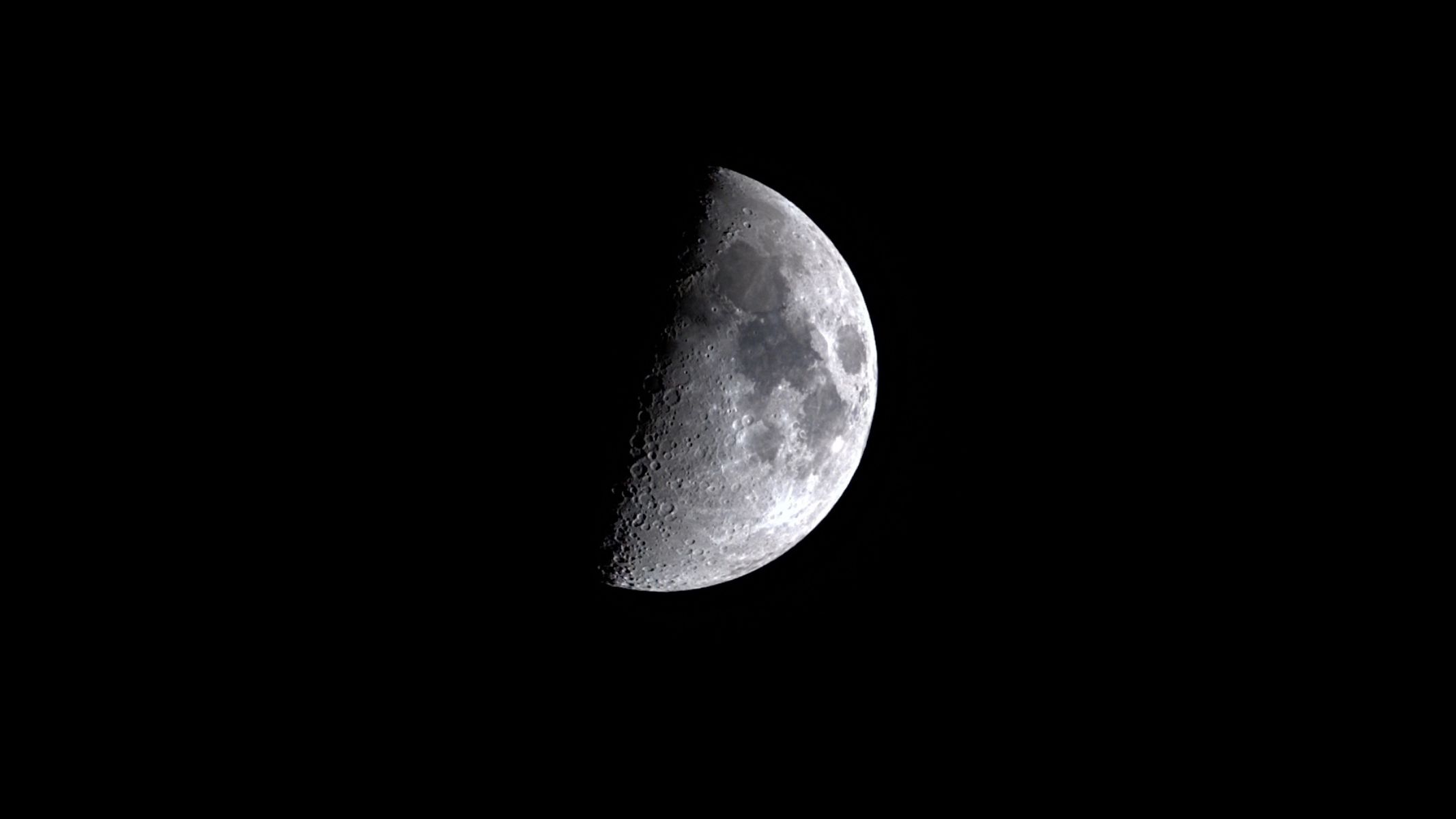
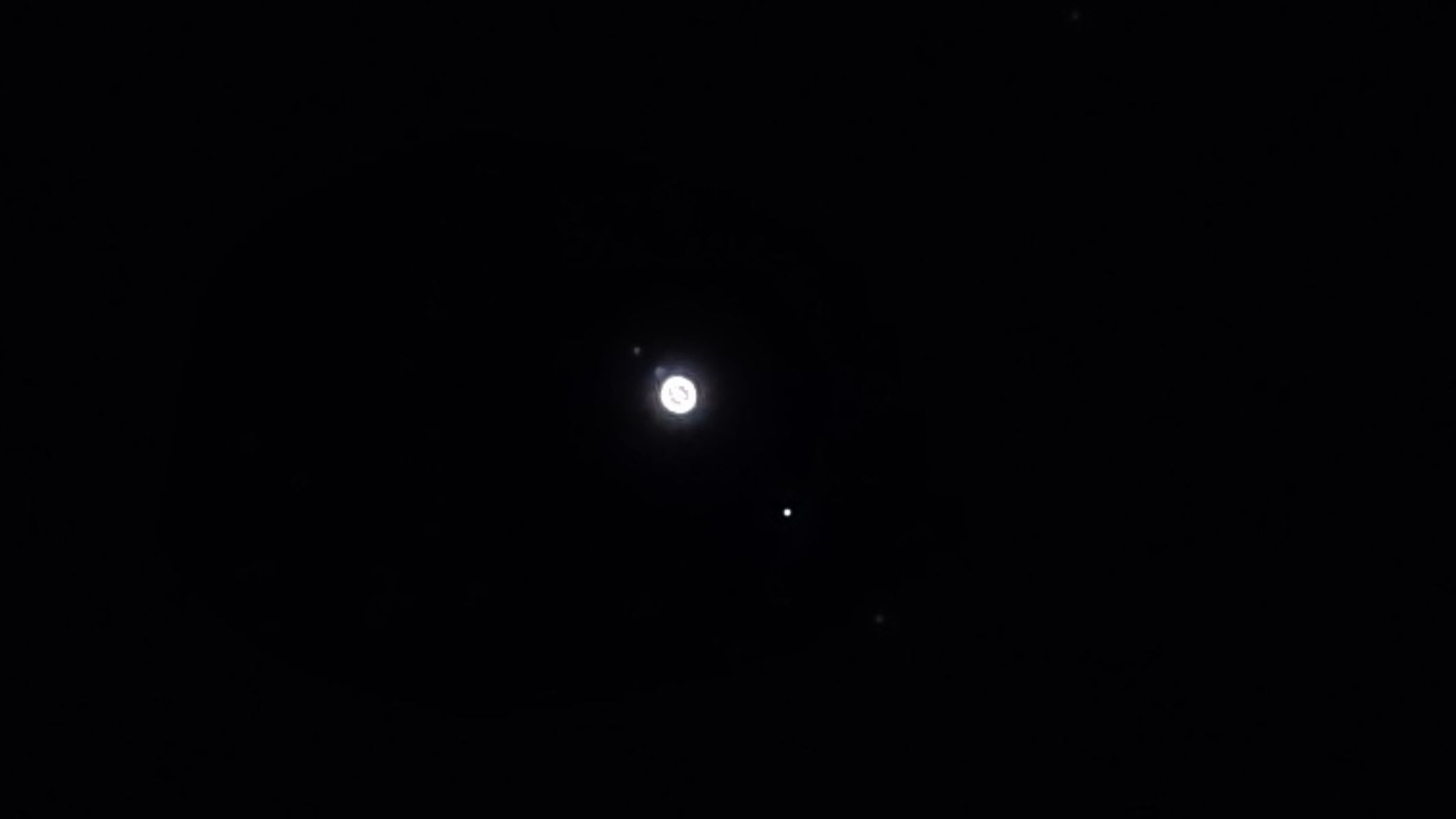
While the Seestar S30 Pro excels in deep-sky imaging, its performance with planetary subjects is comparatively less impressive. Planets appear relatively small in the captured images, and fine surface details are often lacking. This is an understandable trade-off, as the telescope’s optical design and sensor specifications are fundamentally optimized for the long-exposure requirements of capturing faint nebulae and galaxies, rather than the high-frame-rate, high-magnification demands of planetary astronomy. However, the Moon, with its bright surface and distinct features, proved to be an exception, rendering beautifully through the Seestar S30 Pro.
Functionality and the Seestar App Ecosystem
The Seestar application serves as the central nervous system for the entire Seestar S30 Pro experience. It functions as both the primary control interface and the integrated image-processing platform. The app features a planetarium-style sky atlas, which visually represents celestial objects visible from the user’s current location. The process of selecting a target object initiates a seamless sequence of automatic alignment, slewing to the target, and the commencement of image capture.
As the imaging session progresses, the app provides real-time updates on the progress, displaying metrics such as the number of exposures captured and the total integration time achieved. Users have the flexibility to terminate an imaging session at any point or allow it to continue for extended periods to gather more data and achieve deeper results. The telescope’s ability to operate largely autonomously significantly enhances its convenience, allowing users to initiate observations and then attend to other tasks or simply relax.
A particularly innovative feature is the app’s "Plan mode." This functionality enables users to schedule a series of celestial targets for observation throughout an entire night. For instance, if a desired object like the Orion Nebula is not optimally positioned until the early morning hours, or if a pre-sunrise comet is of interest, the Plan mode can manage the telescope’s operation, allowing the user to remain at rest. Provided that an initial check of sky conditions confirms clarity, the Seestar S30 Pro can effectively conduct observations overnight without manual intervention. It is important to note that the Plan mode has certain limitations; users cannot individually fine-tune exposure times or gain settings for each specific target, necessitating reliance on the system’s default parameters. However, for the majority of users, this limitation is unlikely to detract significantly from the overall experience.
For those with an inclination towards advanced post-processing, the Seestar S30 Pro supports the export of images in FITS (Flexible Image Transport System) file format. This standard format is widely used in astronomy and allows for detailed manipulation and enhancement in external software applications such as Siril, PixInsight, DeepSkyStacker, or Adobe Photoshop. It is worth noting that users who extensively work with FITS files might find the telescope’s 128GB internal storage capacity to be a limiting factor, requiring frequent data management. Alternatively, the app’s built-in Deep Sky Stack functionality offers a more immediate route to refined images with minimal user input. This integrated tool allows for the discarding of suboptimal frames and the application of an effective AI Denoise pipeline, which, while requiring some patience, consistently yields excellent results.
Testing Methodology and Real-World Performance
The evaluation of the ZWO Seestar S30 Pro was conducted over multiple observing sessions during the late winter and early spring seasons. Observations took place under varied sky conditions, including suburban Bortle 6 skies and darker Bortle 2 skies. The ambient temperatures ranged from mild to sub-zero, with the telescope’s integrated 6000 mAh battery consistently providing approximately six hours of operational time, even in colder conditions, demonstrating robust battery performance.
The testing protocol involved imaging a diverse array of deep-sky objects, with observation sessions ranging from short, focused captures to extended integrations lasting several hours. Both the standard alt-azimuth mode, celebrated for its user-friendliness, and the more advanced equatorial (EQ) mode were rigorously tested to assess their respective performance characteristics and image quality outputs.
Recommendation: Who Should Buy the ZWO Seestar S30 Pro?
Purchase the Seestar S30 Pro if:
- You desire an accessible and automated entry into astrophotography: The S30 Pro excels in its ease of use and portability, offering a high-quality optical system without the steep learning curve or significant technical barriers often associated with traditional astrophotography setups.
- You observe from light-polluted locations: The integrated image processing and stacking capabilities are particularly advantageous for astronomers operating under urban skies. These features enable the resolution of fine details in deep-sky objects that would otherwise be obscured by light pollution.
Do not purchase the Seestar S30 Pro if:
- You require full manual control over your imaging parameters: While the Seestar S30 Pro offers an equatorial (EQ) imaging mode and specialized modes for capturing the Milky Way and wide-field stitching, it lacks the granular control over custom exposure times and gain settings that advanced users might desire for precise image optimization.
- Your primary interest is planetary observation: Although the S30 Pro is capable of imaging planets, the resulting images do not possess the same level of detail and visual impact as its deep-sky counterparts. The device is fundamentally optimized for capturing the subtle nuances of distant galaxies and nebulae.
The ZWO Seestar S30 Pro should be understood not as a conventional telescope, but rather as a sophisticated, automated imaging system meticulously designed to democratize astrophotography. Its value proposition as an upgrade to the original Seestar S30 hinges on individual user needs and expectations. For novices venturing into the realm of astrophotography, it presents a clear and achievable pathway, circumventing the typical financial and technical hurdles. For more experienced astronomers, it serves as an efficient and convenient "grab-and-go" instrument, ideal for casual observation or supplementary imaging efforts.
Alternatives to Consider
Should the ZWO Seestar S30 Pro not align perfectly with your requirements, several alternative options warrant consideration. For those seeking a more budget-friendly entry into automated astrophotography, the original ZWO Seestar S30 remains a compelling choice. It offers similar ease of use and portability, albeit with a lower 2MP resolution sensor and fewer advanced features. It continues to be a strong contender for individuals prioritizing basic, shareable celestial images.
The DwarfLab Dwarf Mini presents an even more compact and portable solution, though its imaging capabilities are limited to 2MP resolution. At the higher end of the market, the Unistellar Odyssey represents a premium smart telescope. It boasts significantly larger apertures and provides access to citizen science campaigns, though it comes with a considerably higher price tag. For a comprehensive overview of the leading telescopes in this category, consult our guide to the best smart telescopes.