The "Trump Penny" Minting Cost Debate: An Explainer
The notion of minting a U.S. penny bearing the likeness of a former president, specifically Donald Trump, has ignited a significant debate regarding the cost of coin production, the historical precedent for such an honor, and the underlying economics that dictate the value and feasibility of U.S. currency. While the idea itself is largely symbolic and highly unlikely to materialize under current legislative and minting protocols, it serves as a potent catalyst for examining the real financial implications of producing the one-cent coin, often referred to as the penny. Understanding these costs is crucial for appreciating why any discussion of altering the penny’s design, especially for a commemorative purpose tied to a specific individual, immediately triggers scrutiny of its underlying production expenses.
The United States Mint is responsible for producing all U.S. coinage, including the penny. The cost of producing any coin is a complex calculation that involves several key components. These include the cost of raw materials, the labor involved in the minting process, the energy consumed by the minting facilities, the overhead associated with the Mint’s operations, and the expenses related to design, tooling, and distribution. For the penny, the primary material is zinc, which is clad with a thin layer of copper. While the market price of these metals fluctuates, their combined cost is a significant factor in the overall production expense. Beyond the raw materials, skilled labor is required to operate the sophisticated machinery, perform quality control, and manage the logistical aspects of coin production. Energy is consumed to power the massive presses and ancillary equipment, and facility maintenance and administrative costs contribute to the overhead. The design and engraving of any new coin, including the obverse (heads) and reverse (tails) sides, involve specialized artists and engravers, and the creation of the dies used to strike the coins is a substantial upfront investment. Finally, the distribution of newly minted coins from the Mint’s facilities to the Federal Reserve Banks and subsequently to commercial banks incurs additional logistical and transportation costs.
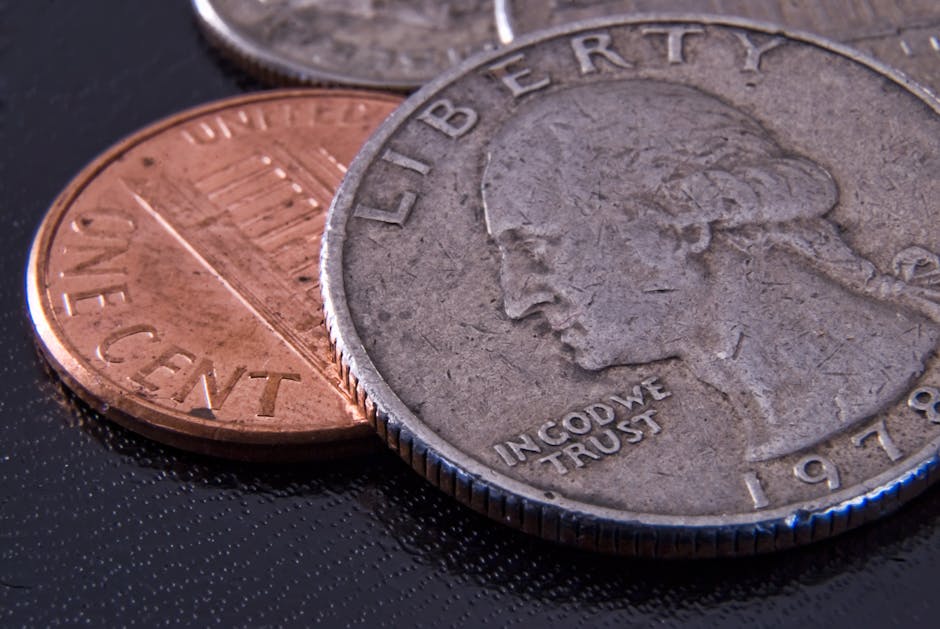
The United States Mint regularly publishes its production costs for each denomination of coinage. For many years, the cost to produce a single penny has exceeded its face value of one cent. This phenomenon, known as seigniorage, is when the cost of producing a coin or banknote is less than its face value, with the difference accruing to the issuer. In the case of the penny, the situation is reversed – negative seigniorage. In recent years, the cost to mint a penny has hovered around 1.5 to 2 cents. This means that for every penny minted and put into circulation, the U.S. government effectively loses money. This persistent deficit is a primary driver of the ongoing debate about whether the penny should be eliminated entirely. The "Trump Penny" discussion, therefore, is not just about a political figure but about the fundamental financial viability of the one-cent coin. If the current penny already costs more to produce than its worth, introducing a new design, even if it were to involve slightly different metal compositions or processes, would likely not alleviate this deficit and could potentially exacerbate it, especially if new design elements or special minting techniques were employed.
Historically, the practice of placing the likeness of a president or other prominent figures on U.S. coinage has been reserved for specific commemorative coins or series, rather than standard circulating coinage. The Lincoln cent, introduced in 1909 to commemorate the 100th anniversary of Abraham Lincoln’s birth, replaced the Indian Head cent. This was a significant departure from previous practice, as presidents had not previously appeared on circulating U.S. coins. The decision to place Lincoln on the penny was a response to a significant historical milestone and a reflection of his enduring legacy. Subsequent presidents have been honored on circulating coinage through series like the Presidential Dollar Coin program, but these were distinct issues and not replacements for the standard denominations. The idea of placing a living or recently departed president’s image on a circulating coin, particularly one as ubiquitous and historically significant as the penny, would require substantial legislative action and likely face considerable public and political opposition due to the rarity of such an honor and the potential for partisan division. The "Trump Penny" concept thus runs counter to established norms and the historical context of U.S. coin design.
The economic argument against minting a "Trump Penny" is multifaceted. Firstly, as established, the penny already operates at a loss. Any redesign or special minting effort would likely add to these costs, further increasing the deficit. The government would have to absorb this increased cost or find ways to offset it, which is unlikely for a low-value, widely circulated coin. Secondly, the cost of designing and preparing new dies for a "Trump Penny" would be a significant, one-time expense. These costs, while amortized over millions of coins, would still contribute to the overall financial burden. The more intricate or detailed the design, the higher the tooling costs. This investment would need to be justified by some tangible benefit, which, in the case of a partisan political figure, is debatable.
Furthermore, the economic value of the penny in circulation is often questioned. Many businesses have moved towards rounding prices to the nearest nickel, and cash transactions are declining. This raises questions about the continued necessity of the penny. If the penny is nearing obsolescence, investing in a new design, especially one that is politically charged, seems financially imprudent. The cost of production versus the utility of the coin becomes a critical point of analysis. The debate around a "Trump Penny" forces a re-evaluation of these underlying economic realities.
The legislative hurdles for minting a "Trump Penny" would be immense. Any change to the design of circulating U.S. coinage requires an act of Congress. This means both the House of Representatives and the Senate would have to pass legislation authorizing the change. Given the highly partisan nature of discussions surrounding Donald Trump, such legislation would likely face intense political debate and potential gridlock. Furthermore, the U.S. Mint has specific guidelines regarding the depiction of individuals on coinage. Generally, only deceased individuals who have been deceased for at least two years can be depicted on coins. This would be a significant legal and regulatory obstacle to any proposal involving a living former president. The debate, therefore, transcends mere cost and enters the realm of political feasibility and established precedent.
The cost of raw materials for the penny, primarily zinc and copper, is subject to global commodity market fluctuations. While the U.S. Mint has mechanisms to manage these price volatilities, significant spikes can impact production costs. The current composition of the penny is 97.5% zinc and 2.5% copper. The cost of zinc has been a primary driver of the penny’s production cost exceeding its face value. If a "Trump Penny" were to be minted, the Mint would likely use the same or a very similar composition unless a deliberate design choice necessitated a change. However, any deviation from the current material mix would require further research, testing, and approval, adding to the overall cost and timeline. The economic viability of the penny hinges on the cost of these metals relative to the one-cent face value, a relationship that has been unfavorable for many years.
The administrative and operational costs of the U.S. Mint are also factored into coin production. These include salaries for personnel, maintenance of facilities and equipment, research and development, and security. While these costs are spread across all denominations of coinage, any increase in production volume or complexity, such as that potentially associated with a new design, would have an incremental impact. The Mint operates as a government agency, and its budget is subject to congressional oversight. Any proposal that would demonstrably increase its operational costs without a clear public benefit would likely face significant scrutiny. The "Trump Penny" discussion implicitly raises questions about the efficiency and cost-effectiveness of the entire minting operation.
The potential for public reaction to a "Trump Penny" is another significant consideration, although not directly a "cost" in the financial sense. Introducing a coin with the likeness of a polarizing political figure could lead to widespread public debate, criticism, and even boycotts. While the Mint’s primary mission is to produce coinage for the nation, the political ramifications of such a decision cannot be entirely disregarded. The historical precedent of honoring individuals on coinage is typically reserved for figures with broad national consensus and historical significance, avoiding partisan figures to maintain the currency’s neutrality. The debate surrounding a "Trump Penny" highlights the tension between the desire for commemorative coinage and the need for a politically neutral medium of exchange.
The concept of eliminating the penny has been debated for decades, driven by the persistent cost of production exceeding face value. Various proposals have been put forth, including rounding prices, eliminating the penny entirely, or changing its composition to a less expensive metal. Each of these proposals has its own economic and logistical implications. The "Trump Penny" debate, while seemingly focused on a political figure, ultimately circles back to the fundamental economic questions surrounding the penny’s existence and cost. If the penny is already a financial burden, investing in a new design, particularly one that is politically charged, appears economically irrational. The cost of minting the penny, regardless of its design, remains a central issue.
In conclusion, the debate surrounding a hypothetical "Trump Penny" serves as a potent illustration of the economic realities of U.S. coin production. The already unfavorable cost-to-face-value ratio of the penny, coupled with the significant expenses associated with design, tooling, and production, makes the idea of a special commemorative penny for a political figure highly improbable from a cost-benefit perspective. The historical precedent for such honors on circulating coinage is also limited, further complicating the feasibility of such a proposal. Ultimately, the discussion highlights the ongoing debate about the future of the penny itself and the financial sustainability of producing a currency that costs more to mint than it is worth. Any consideration of altering the penny’s design, particularly for a partisan figure, would necessitate a thorough examination of these deeply entrenched economic and historical factors. The "Trump Penny" concept, while a hypothetical, forces a confrontation with the stark financial realities of the one-cent coin.
