Azerbaijan-Turkey Caspian Sea Oil and Gas Production: A Landmark BP Deal Shaping Regional Energy Geopolitics
The Azerbaijan-Turkey Caspian Sea oil and gas production deal, primarily orchestrated through the groundbreaking Production Sharing Agreement (PSA) involving Azerbaijan’s State Oil Company of the Azerbaijan Republic (SOCAR) and international consortiums led by BP, represents a cornerstone of regional energy security and economic development. This multifaceted agreement, initiated with the "Contract of the Century" in 1994, has facilitated the exploration, development, and production of vast hydrocarbon reserves in the Caspian Sea, with Turkey serving as a crucial transit nation and increasingly, a significant consumer. The success of this partnership underscores the strategic importance of the Caspian basin and its potential to influence global energy markets, with both Azerbaijan and Turkey reaping substantial economic and geopolitical benefits. The continuous evolution and expansion of these production and transportation agreements highlight a long-term commitment to harnessing these resources for mutual prosperity and regional stability.
The foundation of this extensive energy collaboration was laid with the signing of the PSA for the Azeri-Chirag-Guneshli (ACG) fields in the Azerbaijani sector of the Caspian Sea. This monumental deal, signed in September 1994, involved a consortium of international oil companies, with BP taking the lead as operator. The ACG fields are among the largest oil fields ever discovered in the Caspian, and their development has been instrumental in transforming Azerbaijan’s economy from a post-Soviet state reliant on Soviet-era infrastructure to a significant oil and gas producer on the world stage. The PSA itself is a complex legal framework that defines the rights and responsibilities of the host government (Azerbaijan) and the investing companies (the consortium). Under this agreement, the consortium bears the financial and technical risks associated with exploration and production, and in return, it is entitled to a share of the produced hydrocarbons once cost recovery has been achieved. This model has proven highly effective, attracting substantial foreign investment and expertise to Azerbaijan’s challenging offshore environment. The ongoing production from ACG continues to be a primary driver of Azerbaijan’s export revenue and a significant contributor to its GDP.
Beyond the ACG fields, the PSA framework has been extended to other promising offshore blocks in the Caspian. The Shah Deniz gas field, discovered in 1999, is another colossal project that has become central to Azerbaijan’s energy strategy and its role as a gas exporter. The development of Shah Deniz, also operated by BP, is a multi-phase endeavor, with Shah Deniz 1 already producing substantial volumes of natural gas. Shah Deniz 2, the most ambitious phase to date, has significantly increased Azerbaijan’s gas production capacity, with the primary objective of supplying gas to European markets. The success of these projects is a testament to the robustness of the PSA model and the strategic vision of Azerbaijan in leveraging its hydrocarbon wealth. The continued exploration and appraisal activities in other blocks further underscore the long-term potential of the Caspian Sea basin and the enduring commitment of international partners to its development.
Turkey’s role in this energy nexus is equally critical. While Azerbaijan is the producer, Turkey is increasingly becoming a vital transit route and a significant consumer of Azerbaijani oil and gas. The Baku-Tbilisi-Ceyhan (BTC) oil pipeline, commissioned in 2006, was a game-changer, enabling the export of light crude oil from the ACG fields directly to global markets via Turkey’s Mediterranean coast. This pipeline bypasses traditional Russian export routes, enhancing Azerbaijan’s energy independence and geopolitical leverage. The BTC pipeline has a significant carrying capacity, allowing for the efficient and secure transportation of millions of barrels of oil annually. Its strategic location and state-of-the-art infrastructure have made it a highly reliable and cost-effective export route for Caspian crude. The ongoing maintenance and capacity optimization of the BTC pipeline are crucial for ensuring its continued operational efficiency and its ability to meet market demands.
The South Caucasus Pipeline (SCP) is another critical piece of infrastructure connecting Azerbaijan’s gas reserves to Turkey. The SCP transports natural gas from the Shah Deniz field to Turkey, and its expansion, as part of the Southern Gas Corridor project, has been instrumental in supplying gas to both Turkey and, increasingly, to European countries. The Southern Gas Corridor is a megaproject comprising the SCP expansion, the Trans-Anatolian Natural Gas Pipeline (TANAP), and the Trans-Adriatic Pipeline (TAP). TANAP, which runs through Turkey, is a key component of this corridor, connecting the SCP to the TAP at the Turkish-Greek border. This integrated system of pipelines is designed to deliver significant volumes of Azerbaijani gas to a growing number of European consumers, thereby diversifying Europe’s energy sources and reducing its reliance on traditional suppliers. The construction and operation of these pipelines represent a monumental engineering and logistical undertaking.
The economic implications of these production and transit deals for both Azerbaijan and Turkey are profound. For Azerbaijan, oil and gas revenues have fueled significant economic growth, infrastructure development, and social programs. The country has invested heavily in diversifying its economy, but hydrocarbon exports remain its primary source of foreign exchange. The stability and predictability of the PSA framework have attracted billions of dollars in foreign direct investment, creating jobs and fostering technological advancements. The revenues generated have also enabled Azerbaijan to undertake ambitious infrastructure projects, from transportation networks to urban development. The strategic management of these revenues is crucial for ensuring long-term sustainable development and avoiding the "resource curse."
For Turkey, hosting these vital energy pipelines translates into a significant transit revenue stream and enhanced energy security. By being a key transit country for Azerbaijani oil and gas, Turkey solidifies its position as a major energy hub in the region. This strategic role strengthens its geopolitical influence and fosters closer economic ties with Azerbaijan and the Caspian producers. Furthermore, Turkey is a significant consumer of Azerbaijani gas, which helps to meet its growing domestic energy demand at competitive prices. The participation in and ownership stake in TANAP also provide Turkey with direct economic benefits and greater control over its energy supply. The country’s commitment to developing its energy infrastructure is a testament to its ambition to be a central player in global energy flows.
The strategic partnership between Azerbaijan and Turkey in the energy sector extends beyond mere production and transit. It is a relationship built on shared historical, cultural, and economic interests, often referred to as "one nation, two states." This strong political will underpins the successful implementation of complex energy projects. The ongoing dialogue and cooperation between the governments and national oil companies of both countries are essential for navigating the challenges and opportunities in the dynamic energy landscape. This close collaboration fosters trust and facilitates the seamless execution of joint ventures and future energy initiatives.
Looking ahead, the Azerbaijan-Turkey Caspian Sea oil and gas production deal continues to evolve. Exploration efforts in the Caspian are ongoing, with the potential for discovering new reserves that could further bolster production and export capacity. The expansion of the Southern Gas Corridor and the development of new gas fields like Absheron and Umid are testament to this ongoing commitment. Furthermore, discussions are underway regarding the potential for increased gas supply to Europe and the exploration of new markets for Azerbaijani hydrocarbons. The growing emphasis on energy efficiency and the transition to renewable energy sources also present new challenges and opportunities for the long-term sustainability of hydrocarbon production.
The geopolitical implications of this energy partnership are far-reaching. It has helped to solidify Azerbaijan’s sovereignty and its ability to chart its own foreign policy course, unhindered by reliance on a single energy export route. For Turkey, it enhances its regional influence and its ability to play a pivotal role in connecting energy producers in the East with consumers in the West. This strategic positioning strengthens Turkey’s role in both regional security and global energy governance. The success of this collaboration also serves as a model for other energy-producing nations seeking to develop their resources and secure reliable export markets.
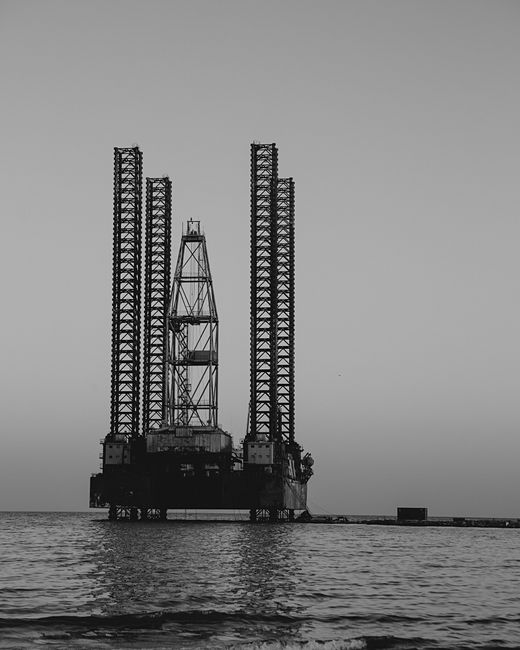
The technical challenges associated with offshore oil and gas production in the Caspian Sea are significant. Deep water, complex geological formations, and harsh environmental conditions require advanced technologies and highly skilled personnel. The consortium led by BP has invested heavily in state-of-the-art drilling, extraction, and processing technologies to overcome these hurdles. The continuous innovation and adoption of new technologies are crucial for maintaining efficient production and minimizing environmental impact. The expertise developed through these projects has also contributed to the growth of Azerbaijan’s domestic oil and gas sector, fostering local employment and the development of a skilled workforce.
The environmental considerations of large-scale oil and gas production are also paramount. The Caspian Sea is a unique and sensitive ecosystem, and rigorous environmental protection measures are implemented throughout the exploration, production, and transportation phases. Companies involved in these projects adhere to strict international environmental standards and invest in technologies aimed at minimizing emissions, preventing spills, and mitigating any potential environmental impact. The long-term sustainability of these operations is intrinsically linked to responsible environmental stewardship.
The ongoing development of the Caspian energy sector, driven by the Azerbaijan-Turkey production deals, also influences global energy markets. The significant volumes of oil and gas flowing through Turkey provide a crucial alternative supply for many countries, impacting global price dynamics and reducing reliance on more volatile regions. The strategic importance of these supplies to European energy security, particularly in light of geopolitical shifts, cannot be overstated. The reliability and diversification of energy sources are critical for economic stability and national security.
In conclusion, the Azerbaijan-Turkey Caspian Sea oil and gas production deal, spearheaded by BP’s leadership and underpinned by robust Production Sharing Agreements, represents a triumph of strategic vision, international cooperation, and technological advancement. It has irrevocably transformed the energy landscape of the Caspian region and beyond, fostering economic prosperity for Azerbaijan, cementing Turkey’s role as an energy hub, and contributing significantly to global energy security. The continued evolution of these partnerships and the ongoing exploration of the Caspian’s vast hydrocarbon potential ensure that this landmark collaboration will remain a pivotal force in the global energy arena for decades to come. The intricate interplay of resource endowment, strategic geography, and strong bilateral relationships has created a powerful synergy that continues to shape regional and international energy dynamics.
