Wales Fan Hospitalised After Fall During Belgium Match: A Deep Dive into the Incident and Its Implications
The roar of the crowd at a major football tournament is a familiar sound, a symphony of passion and anticipation. However, for one dedicated Wales supporter during the recent match against Belgium, the experience took a terrifying turn. A moment of fervent celebration led to a significant fall, resulting in hospitalisation and raising crucial questions about stadium safety and the ecstatic, sometimes overwhelming, nature of international football. This article will dissect the incident, explore the factors contributing to such occurrences, and examine the broader implications for fan experience and venue management.
The incident, which occurred during a pivotal moment in the match as Wales pressed for a crucial goal or celebrated a significant play, saw a fan sustain serious injuries after falling. Eyewitness accounts suggest the individual was standing, perhaps on their seat or a nearby surface, in a burst of uncontainable excitement. The exact circumstances of the fall are still being investigated, but the immediate aftermath was one of alarm, with fellow supporters quickly raising the alarm. Medical personnel were on the scene promptly, providing initial care before the fan was transported to a local hospital for further treatment. While the specific nature and severity of the injuries are not publicly detailed, reports indicate they were substantial enough to warrant inpatient care. This event serves as a stark reminder that the thrill of the game, amplified by the collective energy of thousands, can, in rare instances, have severe consequences. The emotional investment of fans, while a cornerstone of the sport’s appeal, can also lead to actions that, in retrospect, might be deemed unsafe.
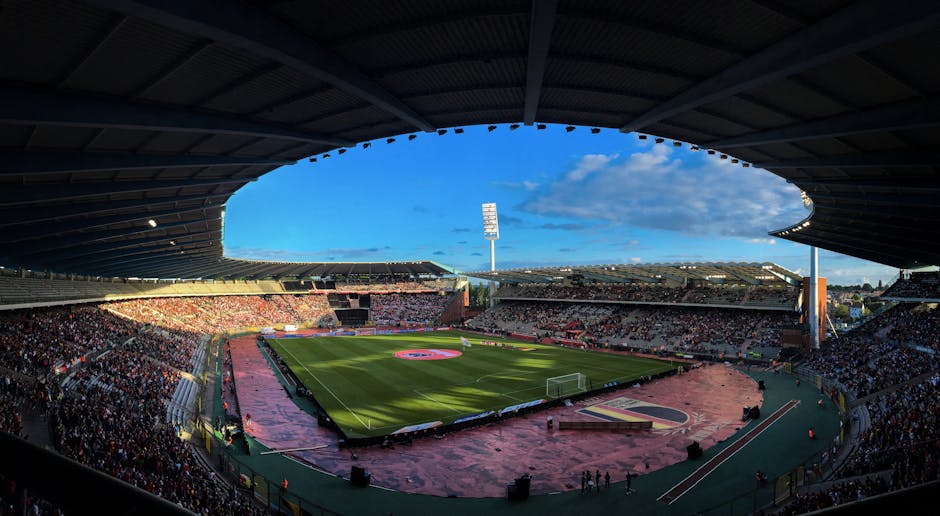
Stadium safety protocols are a multi-faceted undertaking, encompassing everything from structural integrity and emergency evacuation plans to the behaviour of spectators. In the context of a football stadium, where emotions run high and physical exertion is common, venues are designed with specific safety measures. This includes the provision of sturdy seating, clear signage for exits, and designated areas for movement. However, the dynamic nature of fan behaviour, particularly during high-stakes matches, presents ongoing challenges. The incident in question highlights the potential disconnect between designed safety and the reality of crowd dynamics. Fans, caught up in the moment, may disregard established rules or personal safety for the sake of expressing their support. This raises the question of how effectively stadiums can anticipate and mitigate against such spontaneous, albeit often well-intentioned, acts of exuberance. The design of seating areas, the height of barriers, and the proximity of elevated positions all play a role in determining the risk of falls. Furthermore, the presence and visibility of stewards and security personnel are crucial in monitoring crowd behaviour and intervening when necessary, though their effectiveness can be challenged by the sheer scale and density of the supporter base.
The emotional intensity of international football, particularly for a nation like Wales with a passionate and deeply connected fanbase, cannot be overstated. Matches against strong opponents like Belgium carry immense historical and emotional weight. The desire to witness these games live, to be part of the collective outpouring of national pride, draws hundreds, if not thousands, of supporters to the stadium. This emotional investment can lead to an environment where rational decision-making can be temporarily suspended in favour of uninhibited expression. The surge of adrenaline, the collective hope for victory, and the shared experience with fellow fans create a powerful emotional cocktail. For some, this manifests in standing, cheering, and even climbing or leaning on structures to gain a better vantage point or to amplify their vocal support. While this behaviour is often viewed as an integral part of the fan experience, it inherently carries risks. The incident underscores the need for a balance between fostering this passionate atmosphere and ensuring the physical safety of every individual within the stadium.
The role of stadium management and governing bodies in preventing such incidents is paramount. Following this hospitalisation, a review of the safety measures at the venue, and potentially at similar stadiums hosting major events, is likely to be initiated. This review would typically involve an examination of:
- Seating Design and Integrity: Are seats designed to withstand people standing on them? Are there sufficient handrails or support structures? Are there any areas where a fall is more likely due to structural design?
- Crowd Control and Stewarding: Were stewards adequately positioned and trained to identify and address unsafe behaviour? Was there sufficient communication to fans regarding safe conduct?
- Signage and Public Information: Were there clear visual cues and announcements warning against standing on seats or other elevated areas? Was information about emergency procedures readily available?
- Alcohol Consumption Policies: While not directly implicated in this specific incident, excessive alcohol consumption can impair judgment and increase the likelihood of risky behaviour.
- Post-Incident Analysis: A thorough investigation into the precise cause of the fall, including the specific actions of the fan and any contributing environmental factors, is crucial for implementing targeted improvements.
The fan’s experience, while overshadowed by the injury, is also a critical consideration. The desire to be fully immersed in the game, to celebrate every nuance of play, is a natural and understandable impulse. However, this needs to be reconciled with the inherent risks of a crowded public space. Future fan engagement strategies might need to incorporate more proactive educational campaigns about stadium safety, perhaps delivered through official channels, fan groups, and even during match broadcasts. This is not about stifling passion, but about channeling it safely. The narrative around fan behaviour often oscillates between celebrating unwavering loyalty and condemning disruptive actions. This incident necessitates a more nuanced approach, acknowledging that genuine enthusiasm can inadvertently lead to dangerous situations.
The medical response to such an incident is also a critical component. The prompt attention received by the Wales fan speaks to the well-established emergency protocols within modern sporting venues. Having trained medical staff readily available, and efficient procedures for transporting injured individuals, are essential safeguards. The continued recovery of the fan will be a focus, and the football community, as it often does, will likely rally around them in support.
Looking ahead, this incident could influence future stadium designs and event management practices. There might be a greater emphasis on:
- Tiered Seating with Enhanced Safety Features: Potentially incorporating more integrated safety barriers or altered seating configurations.
- Technological Solutions: Exploring the use of crowd monitoring technology to identify potential safety risks in real-time, though ethical considerations and privacy concerns would need careful navigation.
- Collaborative Efforts between Governing Bodies, Clubs, and Fan Groups: Fostering a shared responsibility for safety, where all stakeholders contribute to promoting responsible fan behaviour.
- Refined Communication Strategies: Developing more effective and engaging ways to convey safety messages to diverse fan demographics.
The incident involving the Wales fan serves as a potent reminder that while the thrill of sport is undeniable, it must be tempered with a commitment to safety for all involved. The passion of supporters is a vital element of the game, but this passion should not come at the cost of well-being. By understanding the contributing factors, examining current protocols, and fostering a culture of shared responsibility, the footballing world can continue to celebrate the beautiful game while ensuring the safety of its most ardent followers. The focus now shifts to the individual’s recovery and a comprehensive review of stadium safety to prevent future occurrences, ensuring that the roar of the crowd remains a sound of joy and not of alarm. The lessons learned from this unfortunate event will undoubtedly shape the future of fan experience and stadium management, striving for an environment where exhilarating support and absolute safety coexist harmoniously. The recovery of the fan is the immediate priority, but the long-term implications for how we approach fan safety in the exhilarating world of international football are significant and far-reaching.
