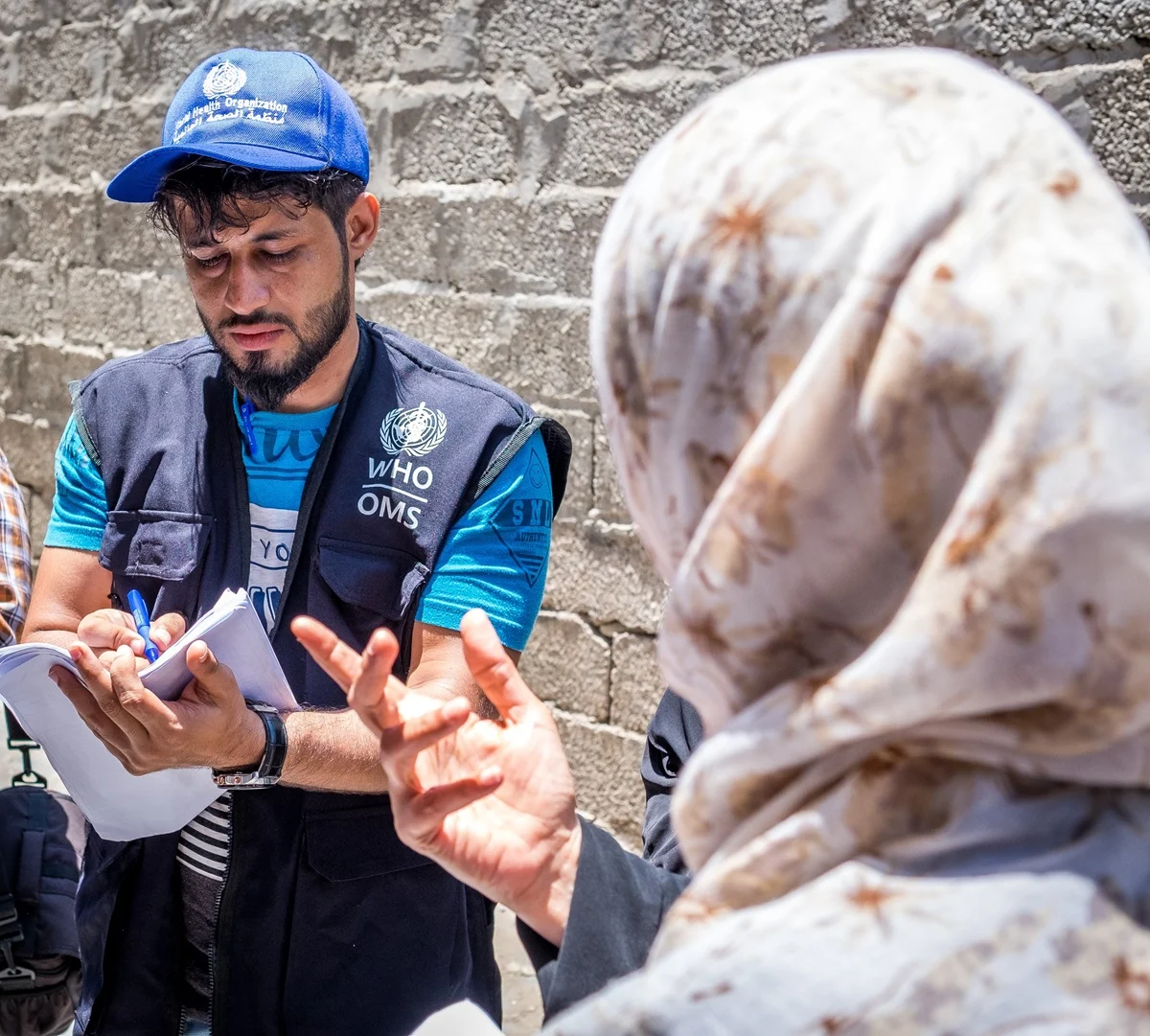
In an ambitious move to fortify global healthcare infrastructure and address critical data deficiencies exposed by the COVID-19 pandemic, the World Health Organization (WHO) has officially unveiled the SCORE for Health Data Technical Package. Designed as a comprehensive, harmonized resource, the initiative aims to transform how nations gather, analyze, and utilize health information to drive strategic public health interventions, optimize the allocation of scarce medical resources, and safeguard vulnerable populations.
The launch of the technical package comes at a critical juncture in modern public health history. For decades, international health agencies have grappled with chronic underinvestment in statistical infrastructure, leaving numerous low- and middle-income countries struggling to collect reliable, routine health data. The coronavirus pandemic brutally laid bare these systemic vulnerabilities, demonstrating that the absence of timely and disaggregated data severely impairs emergency response coordination, obscures epidemiological trends, and ultimately costs lives.
Understanding the Anatomy of the SCORE Technical Package
At its core, the acronym SCORE stands for Survey, Count, Optimize, Review, and Enable. This five-pillar framework represents a unified, standardized methodology intended to guide governments in elevating the performance of their national health information systems.
The first pillar, Survey, focuses on monitoring population health and risk factors through regular population-based surveys. The second pillar, Count, emphasizes the necessity of full birth, cause-specific death, and civil registration systems. Optimize highlights the need to monitor health service availability, quality, and utilization. Review centers on analyzing and synthesizing data for improved decision-making, while Enable underlines the importance of reinforcing national legislation, infrastructure, and workforce capacity to support data systems.
By consolidating more than 90 universally accepted tools and standards into a single framework, the WHO has eliminated the fragmented approach that has historically plagued global health initiatives. Governments no longer need to navigate a labyrinth of disparate guidelines; instead, they have access to an actionable, flexible roadmap tailored to enhance national healthcare standards and meet international development benchmarks.
The Genesis of the Initiative and the Role of Strategic Partnerships
The formulation of the SCORE Technical Package was catalyzed by alarming findings published in the WHO World Health Statistics 2020 report, which underscored widespread global deficiencies in health data availability. Recognizing that no single organization could bridge these monumental gaps alone, the WHO forged a vital strategic alliance with Bloomberg Philanthropies through its Data for Health Initiative.
Financial and technical contributions from philanthropic partners enabled the WHO to accelerate the development and initial rollout of the package. This collaboration highlights a growing recognition within the global health community that public-private partnerships are indispensable for tackling systemic challenges of this magnitude.
Public health advocates and foundation leaders have widely praised the initiative. Experts note that high-quality technical guidance is precisely what developing nations require to transition from reactive data collection to proactive, evidence-based policymaking. By strengthening local statistical agencies, countries can achieve greater self-reliance, ensuring that health policies are shaped by accurate, localized realities rather than generalized assumptions.
Global Leaders Sound the Alarm on Data Gaps
During the official announcement, WHO Director-General Dr. Tedros Adhanom Ghebreyesus emphasized the foundational role that robust information systems play in human development.
"Countries must be able to measure progress to make progress," Dr. Tedros stated. "Particularly during COVID-19, reliable data is the best way to coordinate response efforts and improve health in all areas."
Echoing this sentiment, Dr. Samira Asma, WHO Assistant Director-General for Data, Analytics and Delivery for Impact, stressed the urgency of immediate financial and institutional investment. She pointed out that the global community is rapidly running out of time to meet the United Nations Sustainable Development Goals (SDGs) and the ambitious Triple Billion targets.
"We must keep score to save lives," Dr. Asma asserted. "WHO is committed to working with countries and partners to rapidly scale up capacity for data collection and use in order to improve policy and performance. We must act now to invest in statistical systems in countries, respond to this pandemic, and meet the SDGs and the Triple Billion targets. Our window of opportunity is closing, and we cannot wait to address data gaps. Data use to address country needs has to be a priority today."
Dr. Kelly Henning, Director of Public Health Programs at Bloomberg Philanthropies, underscored the practical utility of the framework for national governments.
"Using data to inform public health priorities and strategies has never been more important," Dr. Henning said. "The SCORE Technical Package provides country governments around the world with high-quality, essential technical guidance so that countries can strengthen their own data systems."
A Step-by-Step Chronology and Implementation Roadmap
The introduction of the SCORE Technical Package is part of a phased rollout strategy designed to ensure maximum adoption and impact across diverse geographical and political landscapes.
Phase one, launched today, includes the initial release of core foundational documents establishing the overarching philosophy, structure, and operational mechanics of the five SCORE pillars. These foundational texts serve as an introductory blueprint for ministries of health, national statistical offices, and international development agencies.
Phase two, scheduled for deployment later in the year, will introduce the highly anticipated SCORE Assessment Instrument. This evaluative tool will allow individual nations to conduct self-assessments, systematically identifying specific vulnerabilities within their existing health information architectures. Following the assessments, the WHO plans to publish comprehensive global, regional, and country status reports, offering a transparent, comparative overview of worldwide health data maturity.
These subsequent releases are intended to equip policymakers with the necessary benchmarks to plan, execute, and monitor national and subnational health interventions effectively, ensuring alignment with overarching global health agendas.
Implications for Post-Pandemic Healthcare Resilience
The implications of the SCORE Technical Package extend far beyond the immediate horizon of the COVID-19 pandemic. By institutionalizing rigorous data practices, nations will be vastly better prepared to detect, track, and contain future disease outbreaks before they escalate into global health emergencies.
Furthermore, disaggregated data—information broken down by categories such as age, gender, socioeconomic status, and geographic location—will empower governments to identify marginalized and underserved populations. This granular visibility ensures that healthcare funding, medical supplies, and personnel are directed precisely where the need is greatest, promoting health equity and reducing systemic disparities.
Analysts suggest that the long-term success of the package will depend heavily on sustained political will at the national level and predictable, long-term funding from international donors. Building resilient health information systems requires continuous training of biostatisticians, upgrading digital infrastructure, and fostering a culture of transparency within government institutions.
As the international community continues to navigate the complexities of post-pandemic recovery, initiatives like SCORE serve as a powerful reminder that solidarity, shared standards, and evidence-based planning remain humanity’s most effective defenses against future health crises. Through sustained collaboration, the WHO and its partners aim to turn the lessons of a global tragedy into a lasting legacy of institutional strength and operational excellence.