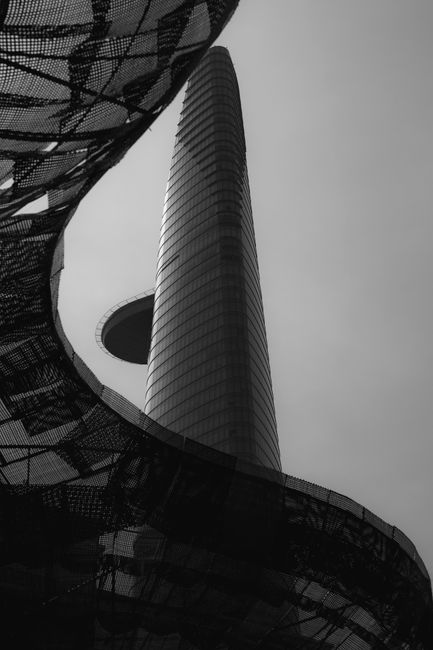
Trump Tower Vietnam: $1 Billion Project Reportedly Greenlit for 2025 Start
A monumental $1 billion real estate development, reportedly bearing the Trump brand and known as Trump Tower Vietnam, is on the cusp of commencement, with sources suggesting construction could begin as early as next year. This ambitious project, if realized, promises to be a significant addition to Vietnam’s burgeoning urban landscape, particularly in Ho Chi Minh City, a metropolis experiencing rapid economic growth and an insatiable appetite for high-end residential and commercial spaces. While details remain somewhat guarded, the sheer scale of the investment and the association with a globally recognized name like Trump signal a project of considerable international importance and potential impact on the Vietnamese real estate market. The project’s potential to inject substantial foreign direct investment into Vietnam’s property sector underscores the country’s attractiveness as an investment destination.
The reported $1 billion valuation for Trump Tower Vietnam places it among the most significant foreign-invested real estate ventures in the nation. This figure is not merely an abstract number; it represents a vast injection of capital that will fuel construction, create jobs, and stimulate ancillary industries. For Vietnam, a nation actively seeking to attract foreign investment to drive its economic development, a project of this magnitude is a crucial indicator of confidence in its market stability and future growth prospects. The choice of Ho Chi Minh City as the likely location is strategic. As Vietnam’s economic powerhouse, the city boasts a young, increasingly affluent population, a growing expatriate community, and a robust business environment that makes it an ideal market for luxury real estate. The demand for premium accommodations, office spaces, and retail outlets in Ho Chi Minh City has consistently outpaced supply, creating fertile ground for developments of this caliber.
The Trump Organization, known for its iconic luxury hotels, residential towers, and golf courses worldwide, lending its name to such a project immediately elevates its profile. While the exact nature of the Trump Organization’s involvement – whether as a developer, a brand licensor, or a strategic partner – is not fully disclosed, the association is undeniable. This branding power carries significant weight, attracting both domestic and international buyers and investors drawn to the perceived prestige and quality associated with the Trump name. The project’s success hinges on its ability to cater to the aspirations of a discerning clientele seeking world-class amenities, sophisticated design, and prime locations. The construction of Trump Tower Vietnam, therefore, is not just about building structures; it’s about cultivating an image of luxury, exclusivity, and aspirational living within the Vietnamese context.
Sources close to the development indicate that the project could break ground in 2025, a timeline that, while ambitious for a development of this scale, aligns with Vietnam’s accelerated pace of infrastructure development and project execution. The lead-up to construction involves extensive planning, site acquisition, securing permits, and finalizing architectural and engineering designs. The timeline suggests that these critical pre-construction phases are either well underway or have been significantly streamlined. The potential commencement date also places the project in a favorable position within the broader economic cycle, capitalizing on anticipated continued growth in Vietnam and Southeast Asia. The anticipation surrounding this timeline fuels speculation about the specific features and amenities that Trump Tower Vietnam will offer, setting a benchmark for future luxury developments in the region.
The economic implications of Trump Tower Vietnam are far-reaching. Beyond the initial construction phase, which will create thousands of jobs for skilled and unskilled labor, the operational phase of the tower will generate long-term employment opportunities in hospitality, property management, retail, and services. The project is expected to boost local economies through increased consumer spending and the demand for goods and services. Furthermore, a high-profile development like this can act as a catalyst for further investment in the surrounding area, potentially leading to urban regeneration and improved infrastructure. The ripple effect of such a substantial foreign investment can be transformative for a developing economy like Vietnam’s, demonstrating its capacity to host and manage large-scale international projects. The successful execution of this project could pave the way for similar ventures, further solidifying Vietnam’s position on the global investment map.
From an investment perspective, Trump Tower Vietnam presents an opportunity for both local and international investors to participate in Vietnam’s rapidly expanding real estate market. The project’s association with the Trump brand, coupled with its prime location and luxury positioning, is likely to attract significant interest from high-net-worth individuals and institutional investors seeking attractive returns. The Vietnamese property market has historically offered competitive yields, and a development of this caliber is expected to command premium pricing and rental rates, ensuring a strong return on investment. The security and stability offered by the Vietnamese government’s policies towards foreign investment are also crucial factors in attracting such large-scale projects. Investors will be closely watching the project’s progress, as it will serve as a bellwether for the future of luxury real estate in Vietnam.
Architecturally and aesthetically, Trump Tower Vietnam is anticipated to be a landmark structure, embodying contemporary design principles and state-of-the-art construction techniques. While specific design details have not been released, it is reasonable to expect a design that is both visually striking and functionally superior, reflecting the Trump brand’s commitment to opulence and grandeur. The tower will likely incorporate a mix of luxury residential units, high-end office spaces, a boutique hotel, and premium retail outlets, creating a self-contained ecosystem of urban living and working. The integration of green building technologies and sustainable design practices will also be a key consideration, aligning with global trends and Vietnam’s own commitment to environmental sustainability. The design will need to be sensitive to the local context, perhaps incorporating elements of Vietnamese culture and heritage while maintaining a modern, international appeal.
The challenges and opportunities associated with a project of this magnitude cannot be understated. Navigating Vietnamese regulatory frameworks, securing necessary permits, and managing local labor and supply chains are critical aspects that require meticulous planning and execution. Potential environmental impact assessments and community engagement will also be crucial to ensure the project’s long-term success and social acceptance. On the opportunity side, the project has the potential to set new standards for luxury real estate in Vietnam, driving innovation in design, construction, and property management. The competition it fosters will likely lead to improvements across the sector, benefiting consumers and the broader economy. The successful delivery of Trump Tower Vietnam could solidify Ho Chi Minh City’s reputation as a global hub for luxury real estate and business.
The market dynamics in Ho Chi Minh City are characterized by robust demand from both local buyers and international investors. The city’s growing middle class, coupled with the influx of foreign direct investment, has created a strong appetite for quality housing and commercial spaces. Luxury condominiums, serviced apartments, and premium office spaces are in high demand, and projects that offer superior quality, amenities, and location are poised for success. Trump Tower Vietnam, with its proposed luxury positioning, is well-placed to capitalize on these market trends. The project’s ability to attract both end-users and investors will be a key determinant of its financial success. The long-term outlook for Vietnam’s real estate market remains positive, driven by favorable demographics, ongoing urbanization, and a stable economic environment.
The political and economic landscape of Vietnam provides a conducive environment for such large-scale foreign investments. The Vietnamese government has consistently prioritized economic growth and actively sought to attract foreign capital through a series of reforms and incentives aimed at simplifying investment procedures and protecting foreign investors’ rights. The country’s commitment to free trade agreements and its strategic geographical location further enhance its appeal as an investment destination. The stability of the political system also provides a sense of security for investors committing to long-term projects. The success of Trump Tower Vietnam will undoubtedly be influenced by the continued favorable policies and economic trajectory of Vietnam.
The global real estate market, particularly in emerging economies, is constantly evolving. Developers are increasingly focusing on creating integrated developments that offer a comprehensive lifestyle experience, encompassing residential, commercial, retail, and hospitality components. Trump Tower Vietnam, by its very nature, is likely to be such an integrated development, providing residents and visitors with a world-class urban experience. The trend towards smart buildings, sustainable design, and advanced technology integration will also be critical considerations for a project aiming to be at the forefront of luxury real estate. The success of this project will depend on its ability to adapt to these evolving market demands and anticipate future trends in urban living and working.
The potential impact on the local real estate market’s competitive landscape is also noteworthy. The introduction of a project of this scale and caliber is likely to elevate the benchmark for luxury developments, pushing existing developers to innovate and improve their offerings. This increased competition can ultimately benefit consumers by leading to higher quality developments and a wider range of choices. The project could also attract talent from the global real estate development and management sectors, further enhancing the expertise within Vietnam. The presence of a globally recognized brand like Trump can also inspire local developers and entrepreneurs to pursue more ambitious projects, fostering a culture of innovation and excellence.
In conclusion, the potential commencement of the $1 billion Trump Tower Vietnam project in 2025 signifies a major development in Vietnam’s real estate sector. Backed by substantial foreign investment and the globally recognized Trump brand, the project is poised to become a landmark addition to Ho Chi Minh City. Its success will not only depend on navigating the complexities of large-scale development in an emerging market but also on its ability to meet the evolving demands of the luxury real estate sector. The economic, social, and architectural implications are substantial, promising job creation, economic growth, and the setting of new standards for urban living in Vietnam. The project’s progress will be closely monitored as a key indicator of Vietnam’s growing prominence as a destination for significant international investment and luxury development.
