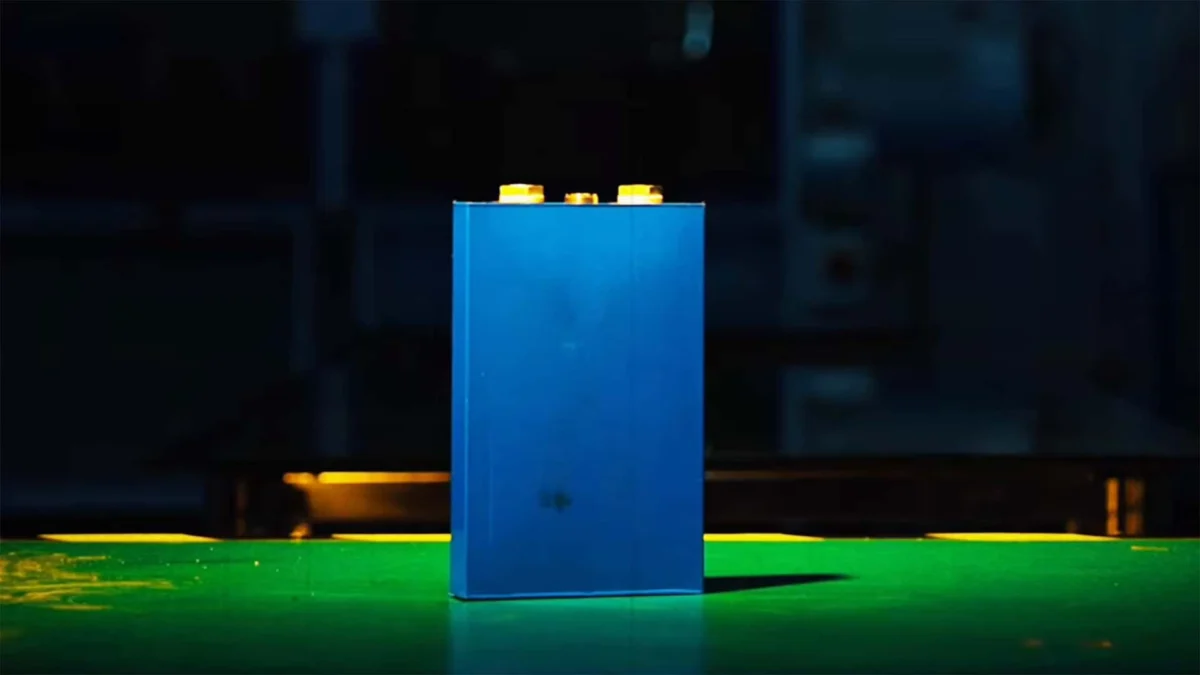
The widespread adoption of electric vehicles and large-scale renewable energy systems has long been tethered to a single, persistent consumer concern: the lifespan of the battery pack. However, recent empirical data from Contemporary Amperex Technology Co. Limited (CATL), the world’s leading battery manufacturer, suggests that modern lithium iron phosphate (LFP) technology is significantly more resilient than previously estimated. By examining cells harvested from the decommissioned Zhangbei Project—a pioneering energy storage facility—engineers have provided a compelling case that high-voltage battery technology is evolving from a consumable component into a long-term infrastructure asset.
The findings, released following the formal decommissioning of the Zhangbei Project in June 2025, offer a rare, long-term look at how LFP chemistry performs under sustained operational stress. The data indicates that after 14 years of continuous charge and discharge cycles, the tested cells retain 85% of their original capacity, a performance threshold that effectively challenges industry-standard assumptions regarding degradation and recycling timelines.
A Chronology of the Zhangbei Project
The Zhangbei Project holds a unique place in the history of green technology. Commissioned in 2011, the 63-megawatt-hour battery storage system was designed to stabilize power grids fed by wind and solar energy. It served as a critical testbed for integrating intermittent renewable energy into a major metropolitan supply chain. Over its 14-year lifespan, the system functioned as a backbone for regional energy stability, notably playing a role in providing green energy for the 2022 Winter Olympics in Beijing.
From its inception in 2011 through its retirement in mid-2025, the facility operated without a single cell replacement. This operational record is particularly notable given the environmental and thermal fluctuations the system endured over more than a decade. In 2020, nine years into the project’s lifecycle, initial spot checks conducted by CATL indicated that the cells remained in prime condition, with an estimated capacity to endure an additional 6,000 charge/discharge cycles. These early indicators proved to be accurate predictors of the technology’s long-term endurance.
Decommissioning and Forensic Analysis
Following the facility’s shutdown in June 2025, a team of CATL chemists and engineers conducted a forensic evaluation of more than 50 prismatic LFP cells. The methodology was designed to look past mere capacity loss and inspect the microscopic structural integrity of the battery components.
The results were statistically significant. Despite 14 years of service, the internal architecture of the cells—specifically the alignment of the anodes and cathodes—remained largely pristine. The study noted a lack of significant lithium plating or graphite aging, which are the primary culprits in battery failure. The 85% capacity retention suggests that these cells have not reached their end-of-life but have instead reached a transition point. According to CATL’s technical report, these cells are suitable for "second-life" applications, such as localized energy storage or smaller residential backup systems, where they could potentially serve for an additional decade with roughly 1,000 remaining cycles.
The Rise of LFP Chemistry
The durability observed in the Zhangbei cells highlights the structural advantages of Lithium Iron Phosphate (LFP) chemistry over the more traditional Nickel Manganese Cobalt (NMC) alternatives. While NMC cells are prized for their high energy density—a metric that allows electric vehicles to achieve longer ranges in a smaller, lighter package—LFP cells offer superior thermal stability and a longer cycle life.
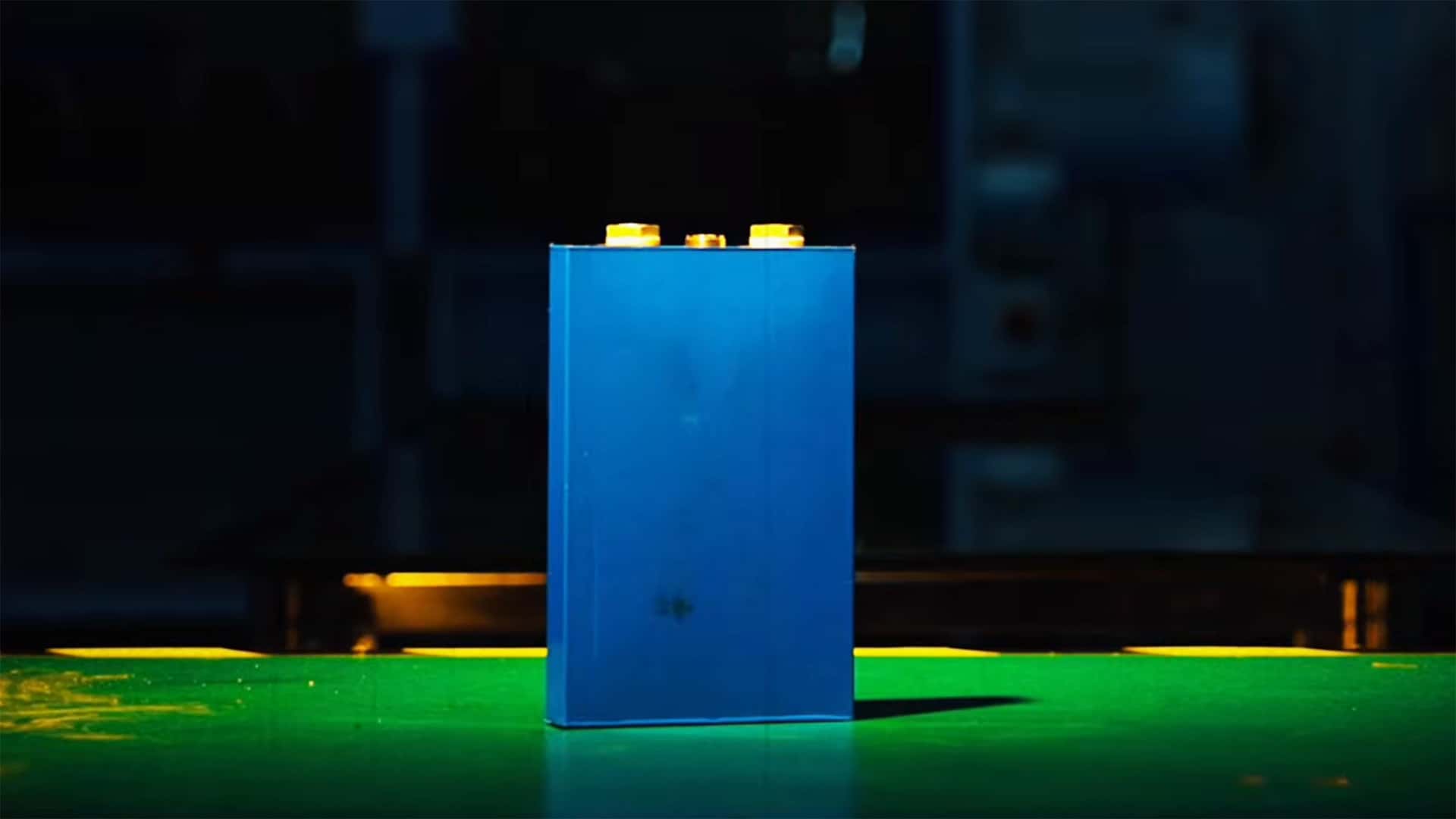
For the automotive industry, the implications of this shift are profound. As manufacturers like Ford, with its Fathom pickup, and other emerging electric truck brands incorporate LFP technology, the narrative surrounding EV ownership is beginning to change. If the battery outlives the structural chassis of the vehicle, the value proposition for the consumer shifts from a temporary purchase to a long-term investment. This longevity also mitigates the environmental impact of battery production, as the carbon footprint of manufacturing is amortized over a much longer period of usage.
Economic and Environmental Implications
The economic impact of these findings cannot be overstated. Battery packs represent the single most expensive component of an electric vehicle. If the industry can confidently offer 15-to-20-year lifespans for these units, the secondary market for used electric vehicles will likely stabilize. Buyers will no longer fear the "battery cliff," where a vehicle becomes a liability due to imminent replacement costs.
Furthermore, this data supports the growing trend of "Circular Economy" initiatives. If utility-scale batteries can be repurposed into second-life energy storage systems, the strain on mining raw materials like lithium and cobalt is reduced. A 14-year-old battery that is still 85% efficient is not "waste"; it is a functional component that can provide load-balancing for home solar arrays or commercial microgrids for years to come.
Industry Context and Safety Standards
CATL’s emphasis on these results is also a calculated move to reinforce their safety standards. In the battery industry, "safety" is often synonymous with chemical stability. LFP chemistry is inherently less prone to thermal runaway than its NMC counterparts, making it the preferred choice for massive energy storage projects where fire safety is a paramount concern. By demonstrating that their cells not only survive but excel over 14 years, CATL is effectively setting a new benchmark for what utility providers and automotive OEMs should expect from their suppliers.
Other players in the industry, such as Factorial and various solid-state battery startups, are currently pushing the envelope on energy density. However, the Zhangbei data serves as a reminder that for mass-market adoption and grid-scale stability, the industry is increasingly favoring reliability and longevity over pure performance metrics.
Broader Outlook
As the automotive world moves toward the 2030 electrification targets, the "battery problem" is being slowly redefined. The conversation has evolved from whether batteries can last to how they can be managed to last as long as possible. The data from the Zhangbei Project provides a foundational pillar for this discussion.
For the average consumer, the message is clear: the technology underpinning the transition to electric mobility is maturing rapidly. The ability of LFP cells to withstand over a decade of continuous, rigorous use without failure suggests that the next generation of EVs will likely be the most durable vehicles on the road. As these batteries find their way into a wider array of applications—from the Ford Fathom to various home storage solutions—the global energy infrastructure will benefit from a more stable, predictable, and long-lasting energy source.
Moving forward, the industry is expected to focus on modular design, ensuring that as these long-lasting cells reach the end of their primary utility, they can be easily extracted and re-integrated into secondary markets. With global demand for energy storage projected to continue its exponential growth, the lessons learned from the Zhangbei Project will likely dictate the manufacturing standards for the next decade of lithium-ion development. While researchers continue to experiment with solid-state and lithium-sulfur chemistries, the proven longevity of existing LFP technology ensures that it will remain the cornerstone of the energy transition for the foreseeable future.