The contemporary discourse surrounding global pollution has increasingly shifted from purely environmental considerations to pressing public health concerns, particularly regarding the insidious accumulation of microplastics and nanoplastics within the human body. In a groundbreaking development that bridges traditional culinary heritage and advanced biotechnology, the World Institute of Kimchi (WiKim)—a prominent government-funded research organization operating under the auspices of South Korea’s Ministry of Science and ICT—has announced a remarkable scientific discovery. Researchers at the institute have successfully identified a specific strain of lactic acid bacterium, naturally isolated from traditional kimchi, that possesses the unique ability to bind to nanoplastics within the gastrointestinal tract and significantly promote their excretion from the human body.
This discovery marks a pivotal intersection between microbiology, nutritional science, and environmental toxicology. Led by distinguished researchers Dr. Se Hee Lee and Dr. Tae Woong Whon, the research team has opened new horizons for addressing what medical professionals and toxicologists increasingly view as an invisible yet pervasive threat to modern human health. By demonstrating that microorganisms rooted in traditional fermented foods can actively interact with and neutralize environmental micropollutants, this study elevates kimchi from a cultural staple and dietary delight to a subject of profound biomedical significance.
The Threat of Nanoplastics: A Modern Environmental and Health Crisis
To fully appreciate the magnitude of the World Institute of Kimchi’s discovery, one must examine the pervasive nature of plastic pollution in the twenty-first century. Over the past several decades, mass production and consumption of synthetic polymers have saturated global ecosystems. As macro-plastics—ranging from single-use packaging to industrial materials—are exposed to physical friction, ultraviolet radiation, and mechanical weathering, they progressively fracture into smaller fragments.
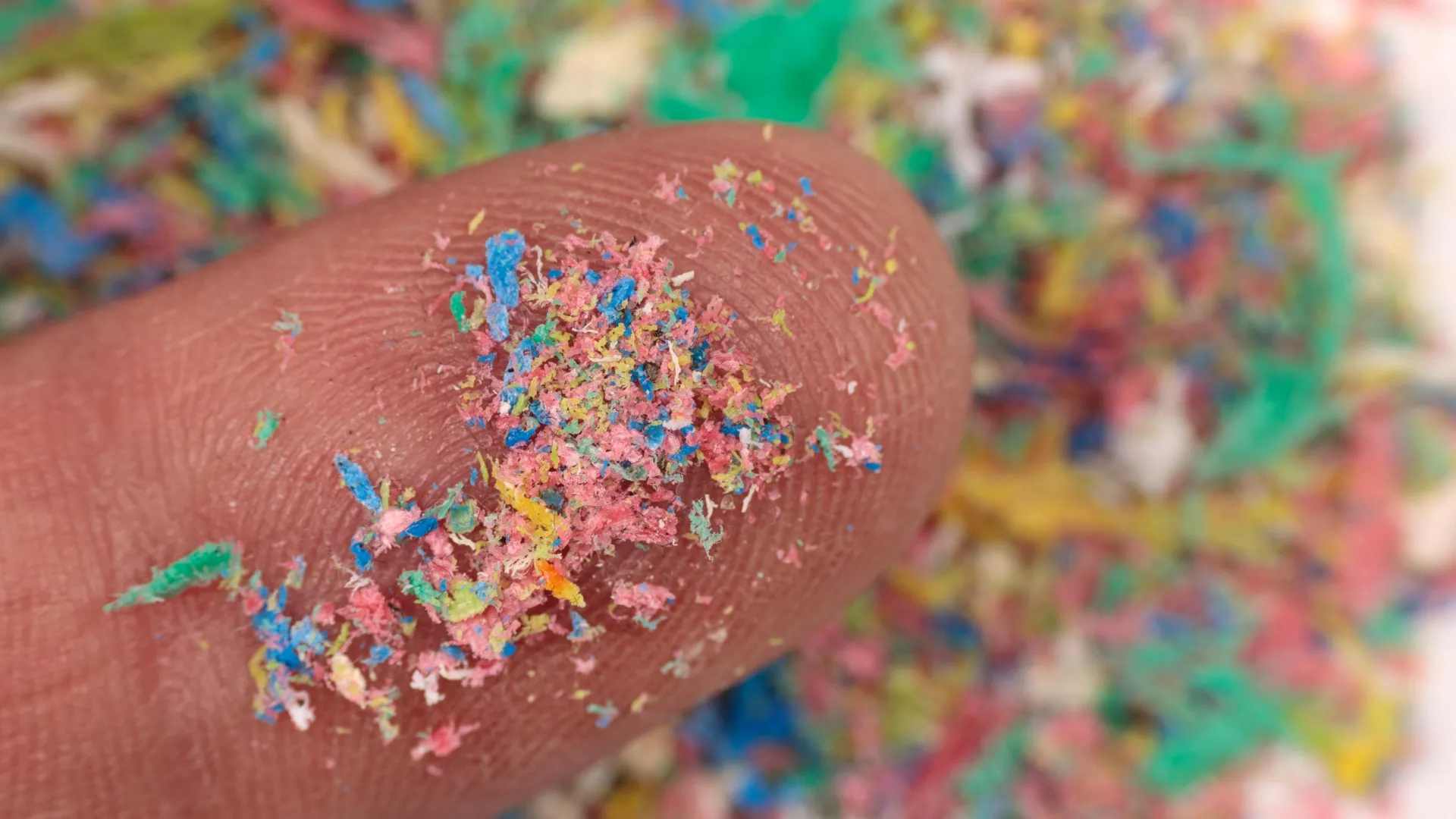
While particles measuring less than five millimeters are classified as microplastics, the degradation process continues far beyond the naked eye. Nanoplastics are defined as ultrafine plastic particles measuring less than one micrometer—equivalent to one-thousandth of a millimeter. Because of their microscopic dimensions, these particles behave fundamentally differently from larger debris. They are capable of suspending indefinitely in aquatic environments, permeating agricultural soils, and, most alarmingly, infiltrating the human food chain.
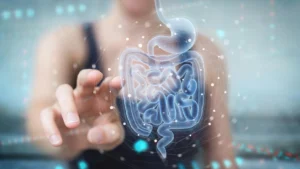
Current scientific literature indicates that humans consume and inhale varying quantities of nanoplastics daily through seafood, table salt, bottled and tap water, and even the air we breathe. Once ingested, these foreign particles do not simply pass harmlessly through the digestive tract. Due to their minute scale and hydrophobic properties, nanoplastics can breach the delicate intestinal epithelial barrier—the body’s primary selective filter. Once this barrier is crossed, these synthetic particles enter the circulatory and lymphatic systems, ultimately translocating and accumulating in vital internal organs, including the liver, kidneys, lungs, and even the brain.
Laboratory studies on animal models have linked nanoplastic accumulation to oxidative stress, cellular damage, inflammatory responses, and disruptions in endocrine signaling. Yet, despite the growing alarm within the scientific community, biological strategies designed specifically to mitigate or reverse the accumulation of nanoplastics within the human gastrointestinal tract have remained sparse, with most research confined to early-stage theoretical frameworks. It is within this vacuum of actionable solutions that the WiKim research team initiated their targeted investigation.
Chronology of the Research: From Isolation to Simulation and Vivo Testing
The journey toward this scientific breakthrough followed a rigorous, multi-stage methodology spanning several months of laboratory experimentation, in vitro environmental simulation, and in vivo animal trials.
Phase One: Isolation and Initial Screening
The investigation began with the systematic screening of various lactic acid bacteria strains harvested from diverse samples of traditionally prepared kimchi. Kimchi is a complex matrix teeming with diverse microbial communities, primarily driven by lactic acid bacteria that flourish during the fermentation process. The WiKim research team isolated numerous candidate strains, seeking microbes that exhibited not only high viability and resilience in acidic environments but also unique surface adsorption properties. Among the candidates, a specific strain designated as Leuconostoc mesenteroides CBA3656 emerged as a primary focus of interest due to its robust structural and biochemical characteristics.
Phase Two: In Vitro Adsorption Efficiency Testing
During the second phase of the study, the research team evaluated the adsorption capacity of strain CBA3656 against polystyrene nanoplastics (PS-NPs), which are among the most common plastic polymers found in environmental samples. Under standard laboratory conditions, the results were exceptionally promising. Strain CBA3656 demonstrated a high adsorption efficiency of 87%. For comparative baseline analysis, the team tested a well-established reference strain, Latilactobacillus sakei CBA3608, which yielded a comparable adsorption efficiency of 85%.
However, laboratory conditions do not reflect the hostile, dynamic environment of the human digestive tract. To test the true viability of the strains, the researchers subjected them to simulated human gastrointestinal conditions, exposing the bacteria to varying pH levels, digestive enzymes, and bile salts.
Phase Three: Simulated Gastrointestinal Stress Testing
The stress test revealed a stark divergence in performance between the two bacterial strains. While the adsorption rate of the reference strain, Latilactobacillus sakei CBA3608, plummeted precipitously to a negligible 3% under simulated intestinal conditions, strain CBA3656 demonstrated remarkable resilience. The kimchi-derived Leuconostoc mesenteroides CBA3656 maintained a substantially higher adsorption level of 57%. This pivotal finding indicated that strain CBA3656 possesses unique surface protein structures or biochemical properties that allow it to stably bind nanoplastics even in the complex, enzymatic environment of the human gut, without losing its structural integrity or binding capacity.
Phase Four: Germ-Free Animal Model Validation
Having established the strain’s durability in vitro, the research team advanced to in vivo testing utilizing a germ-free mouse model. This controlled biological environment allowed researchers to observe the precise interactions of the probiotic without interference from an established resident gut microbiome.
Male and female mice were administered strain CBA3656 over a structured experimental period, alongside a control group of mice that did not receive the probiotic supplementation. The results were striking. Quantitative analysis of fecal excretion revealed that both male and female mice administered strain CBA3656 exhibited more than a twofold increase in the concentration of nanoplastics detected in their feces compared to the control group. This empirical evidence strongly supports the hypothesis that the probiotic acts as a biological vehicle, binding to suspended nanoplastics within the intestinal lumen and facilitating their safe, natural expulsion from the body via defecation before they can cross the intestinal wall and accumulate in bodily tissues.
Supporting Data and Comparative Analysis
To contextualize the achievements of the World Institute of Kimchi, industry experts and toxicologists have evaluated the quantitative metrics of the study against existing bioremediation technologies. Traditionally, the removal of micro- and nanoplastics has been approached through physical filtration and chemical degradation methods applicable to water treatment plants and industrial waste streams, rather than internal human biological remediation.
The capacity of a naturally occurring food-grade bacterium to adsorb up to 57% of polystyrene nanoplastics under simulated physiological conditions represents an unprecedented benchmark in nutritional microbiology. Polystyrene is notoriously hydrophobic and chemically stable, making it difficult for natural biological agents to engage with it without synthetic chemical modification. The fact that Leuconostoc mesenteroides CBA3656 achieves this through natural cellular interactions points toward surface-level electrostatic forces or hydrophobic binding mechanisms inherent to the bacterial cell wall.
Furthermore, the dual-gender success observed in the animal models reinforces the universal applicability of the mechanism. Toxicological studies frequently encounter gender-specific metabolic variations in drug and pollutant processing; however, the twofold increase in fecal nanoplastic excretion was consistently observed across both male and female subjects. This suggests that the probiotic intervention operates independently of sex-linked metabolic disparities, broadening its potential future utility across diverse human populations.
Official Responses and Perspectives from the Research Leadership
The implications of this study have drawn widespread attention from the scientific community, agricultural authorities, and public health advocates alike. Dr. Se Hee Lee, the lead researcher of the study, emphasized the broader societal dimensions of the findings during a press briefing following the publication of the research.
"Plastic pollution is increasingly recognized not only as an environmental issue affecting our oceans and soils, but also as a direct and mounting public health concern," Dr. Lee stated. "Our findings suggest that microorganisms derived from traditional fermented foods could represent an entirely new biological approach to address this emerging challenge. Rather than viewing microbes solely through the traditional lens of fermentation and gut health optimization, we are beginning to uncover their potential as internal cleansing agents against modern environmental pollutants."
Dr. Lee further elaborated on the institute’s future strategic vision, noting that the research team intends to continue expanding the scientific valuation of kimchi’s diverse microbial ecosystem. "We will not stop at this initial discovery," she added. "Our ongoing research aims to further elucidate the precise molecular mechanisms governing the binding affinity between strain CBA3656 and various polymer types. By doing so, we hope to contribute tangible, science-backed solutions to both public health and environmental crises."
President Hae Choon Chang of the World Institute of Kimchi also underscored the institutional commitment to advancing biotechnology through the lens of traditional heritage. Under President Chang’s leadership, WiKim has consistently prioritized multidisciplinary research that elevates kimchi microbiology to address contemporary global challenges, ranging from immune modulation to metabolic health and now environmental toxicology.
Broader Implications and Future Applications for Public Health
The publication of this study opens several critical avenues for future research, commercial product development, and public health policy. As environmental nanoplastic burdens continue to rise globally, preventative health strategies are shifting toward interventions that can safely intercept pollutants before they inflict systemic biological damage.
-
Functional Food and Probiotic Development
The most immediate commercial application of this research lies in the formulation of next-generation probiotic supplements and functional foods. By incorporating Leuconostoc mesenteroides CBA3656 into dietary supplements, yogurts, or specialized fermented products, manufacturers may offer consumers a proactive dietary defense mechanism against ingested nanoplastics. Given that kimchi is already a widely consumed dietary staple in various parts of the world, utilizing an indigenous food-safe bacterium minimizes regulatory hurdles regarding human consumption safety, as the strain already possesses a long history of safe human exposure. -
Clinical Trials and Human Efficacy Studies
While the in vitro simulations and germ-free animal trials provide robust foundational evidence, the transition from murine models to human clinical trials remains the essential next frontier. Researchers must determine whether the adsorption efficiency observed in mice translates effectively to humans, whose complex, highly diverse resident gut microbiota interact dynamically with introduced probiotics. Clinical studies will need to measure baseline nanoplastic excretion rates in human cohorts before and after targeted supplementation with strain CBA3656 over extended periods. -
Broadening the Spectrum of Pollutant Binding
Polystyrene is only one of several major plastic polymers proliferating in the environment. Other common synthetic materials, including polyethylene (PE), polypropylene (PP), and polyethylene terephthalate (PET), possess distinct chemical structures and surface charges. Future research at the World Institute of Kimchi will likely investigate whether strain CBA3656—or other related kimchi-derived lactic acid bacteria—exhibits similar binding affinities toward these alternative polymers. Expanding the spectrum of targetable plastics could position these microbial strains as universal biological chelators for micro- and nanoplastics. -
Interdisciplinary Synergy Between Agriculture and Medicine
This discovery highlights the profound value of preserving and thoroughly investigating traditional bio-resources. As industrialization introduces novel synthetic stressors into the biosphere, ancient biological systems—honed through centuries of fermentation and human dietary co-evolution—may hold hidden keys to human resilience. The collaboration between the Ministry of Science and ICT and specialized institutions like WiKim exemplifies how targeted governmental investment in fundamental microbiological research can yield unexpected, high-impact dividends for global welfare.
Conclusion
The identification of the lactic acid bacterium Leuconostoc mesenteroides CBA3656 by the World Institute of Kimchi represents a landmark achievement in the ongoing battle against invisible environmental pollution. By proving that a traditional kimchi-derived microbe can safely bind to nanoplastics within the intestinal tract and double their excretion rate through natural physiological pathways, the research team has bridged the gap between culinary tradition and modern biomedical innovation.
As the scientific community moves forward into clinical validation and broader polymer testing, this discovery offers a renewed sense of possibility. While systemic reduction of plastic pollution at the manufacturing and policy levels remains the ultimate solution to the global ecological crisis, biological mitigation strategies such as those pioneered by WiKim provide an invaluable second line of defense—protecting human health from the pervasive legacy of the plastic age.