The cinematic landscape of the late 1990s was defined by the charm and intellectual wit of Nora Ephron’s romantic comedies, a genre hallmark currently undergoing a significant transition as studios revisit legacy intellectual property for contemporary audiences. Warner Bros. has officially initiated development on a new iteration of the 1998 classic You’ve Got Mail. While the project is in its nascent stages, the announcement signals a broader industry trend of reimagining mid-budget, character-driven dramas that once dominated the box office to fit the rapid-fire digital communication norms of the 2020s.
The Historical Context and Narrative Origins
To understand the significance of this reboot, one must look at the lineage of the material. The 1998 film was not an original screenplay but an adaptation of Miklós László’s 1937 Hungarian play, Parfumerie. The narrative—two rivals who detest one another in the physical world while unknowingly falling in love through anonymous correspondence—has proven remarkably resilient over the last century.
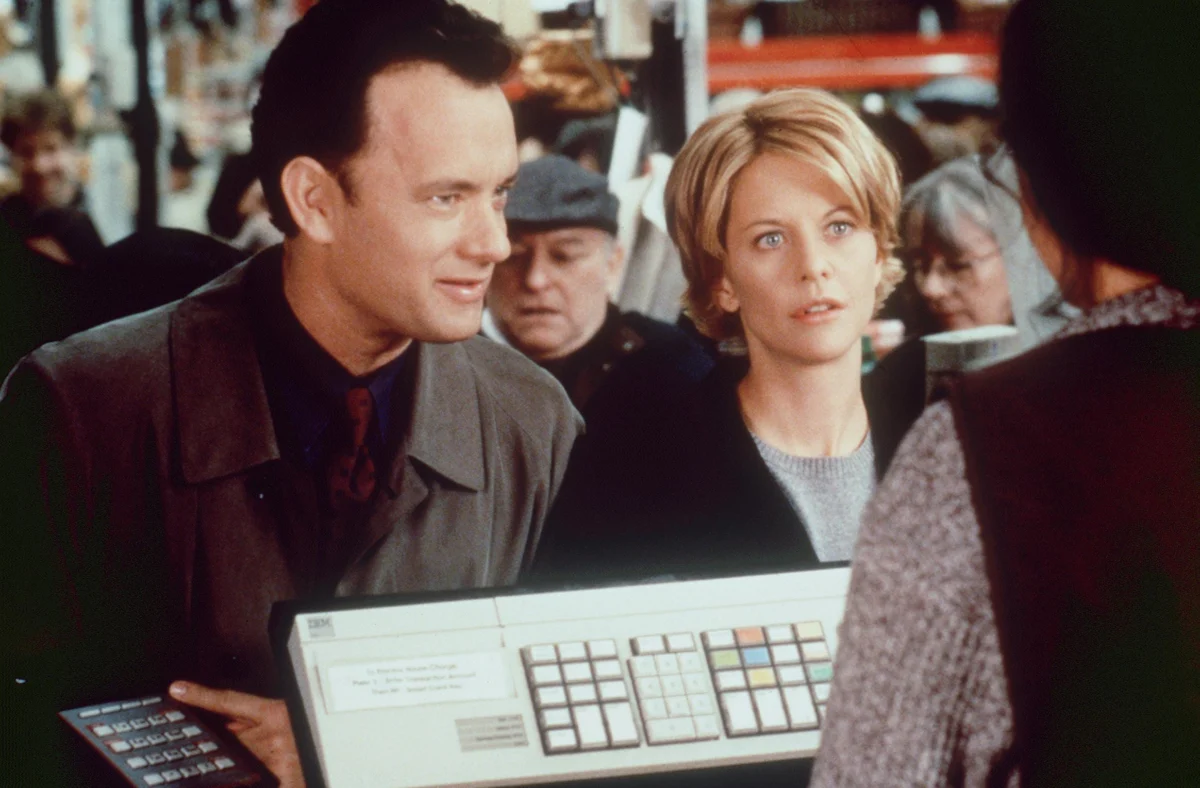
Before the Nora Ephron iteration, the story served as the foundation for the 1940 film The Shop Around the Corner, directed by Ernst Lubitsch, and the 1949 musical In the Good Old Summertime. By the time Meg Ryan and Tom Hanks stepped into the roles of Kathleen Kelly and Joe Fox, the medium of communication had shifted from handwritten letters to the burgeoning phenomenon of AOL Instant Messenger and dial-up email. The film became a cultural time capsule, capturing the anxieties of a pre-social media world where the internet was a mysterious, text-based frontier rather than an omnipresent surveillance tool.
Project Leadership and Creative Direction
The upcoming production is being shepherded by a team that balances contemporary sensibilities with industry veterans. Jason Orley, known for his work on projects such as Close Personal Friends, Bupkis, and the 2022 romantic comedy I Want You Back, has been tapped to write the current draft and direct the feature. Orley’s involvement suggests a shift toward the dry, character-focused humor that defines modern streaming-era comedies.
Behind the scenes, the project retains a sense of institutional memory. Neal Moritz and Tania Landau, both of whom served as producers on the original 1998 film, are attached to the new project. Their return is a strategic move, ensuring that the DNA of the original story remains intact while the narrative structure is overhauled to reflect the technological shift from email to the era of Instagram, TikTok, and ephemeral messaging platforms. The screenplay is being developed from an earlier draft by Deborah Kaplan and Harry Elfont, writers with an extensive track record in the teen and romantic comedy genres.
The Evolution of the Rom-Com Business Model
The decision to revisit this specific title occurs against the backdrop of a changing film economy. In 1998, You’ve Got Mail was a financial powerhouse, grossing over $250 million worldwide against a $65 million budget. It exemplified the "event" romantic comedy—a category that has largely migrated from theatrical multiplexes to streaming platforms like Netflix and Prime Video.
Data from the Motion Picture Association (MPA) indicates that the theatrical market share for traditional romantic comedies has declined since the early 2000s, replaced by high-concept franchise films and superhero epics. However, the consistent performance of "legacy" reboots—as evidenced by the successes of recent adaptations like the reboot of Clueless or the enduring popularity of 13 Going on 30—has convinced studios that there is a dormant, high-value audience for stories that prioritize emotional stakes over spectacle.
The Digital Transformation: From Dial-Up to DMs
The most significant hurdle for any reboot of this nature is the central conceit. In the 1998 film, the tension was built upon the "anonymity" of the internet. In 2024, total anonymity is a logistical challenge in a world of integrated profiles, location tagging, and algorithm-driven suggestions.
Industry analysts suggest that the new film will likely pivot from the "enemies-to-lovers" bookstore dynamic to a more contemporary conflict. While the original focused on the friction between a small, independent boutique and a corporate conglomerate, the modern version will likely explore the precarious nature of independent content creation or small-scale e-commerce in an age dominated by global logistics and social media influencers. The "You’ve Got Mail" notification sound—a distinct audio cue that once signaled a world of possibility—will almost certainly be replaced by the haptic vibration of a smartphone DM, reflecting the urgency and constant connectivity of contemporary romance.
Cast Uncertainty and Industry Speculation
As of the current reporting, there is no confirmation regarding the involvement of original stars Tom Hanks or Meg Ryan. While the internet has been rife with fan speculation, industry sources indicate that the project is being developed as a standalone story rather than a direct sequel. The narrative is expected to feature a new cast, allowing for a fresh interpretation of the dynamic between the two leads.
The absence of the original stars creates both a challenge and an opportunity. By distancing the project from the 1998 actors, the studio avoids the common pitfall of "legacy sequel" fatigue, where audiences prioritize nostalgia over plot. Instead, this strategy allows the film to stand as a distinct creative work, free from the shadow of one of cinema’s most famous on-screen pairings.
Broader Implications for Hollywood
The development of this project is part of a larger trend of "IP mining," where studios leverage existing brand recognition to reduce the risks associated with original screenplays. However, unlike traditional sequels, this reboot falls into the category of "re-imagination." By utilizing the framework of a classic story, the production benefits from a pre-established emotional baseline, allowing the director more freedom to experiment with the modern social context.
The success of this project will likely determine whether other Nora Ephron classics receive similar treatments. If the film resonates with younger audiences—specifically Gen Z, who have shown a surprising interest in the aesthetics and media of the 90s and early 2000s—it could spark a renaissance for the romantic comedy genre. If, however, the film fails to translate the warmth and intellectual curiosity of the original into a modern setting, it may serve as a cautionary tale for studios attempting to commodify nostalgia without maintaining the specific, humanistic touch that made the source material a classic in the first place.
The Timeline Ahead
The project remains in the development phase, with no official production start date or release window announced by Warner Bros. As the script undergoes final revisions, casting directors will likely begin the search for leads who can embody the same "spark" that defined the original.
For now, the project stands as a testament to the enduring power of the "anonymous connection" trope. Regardless of the technology—be it letters, dial-up, or high-speed data—the core human desire for genuine connection in a disconnected world remains the driving force of the genre. Whether the new iteration can capture the same lightning in a bottle remains the central question for the production team.
Industry observers will be watching closely as further updates are released. With the original film holding a 70% rating on major review aggregators and a permanent place in the lexicon of popular culture, the burden of proof rests on the filmmakers to prove that this story is not just a relic of the 90s, but a narrative that is fundamentally required for the digital landscape of the 2020s. Further details, including casting announcements and production schedules, are expected to emerge in the coming fiscal quarters.