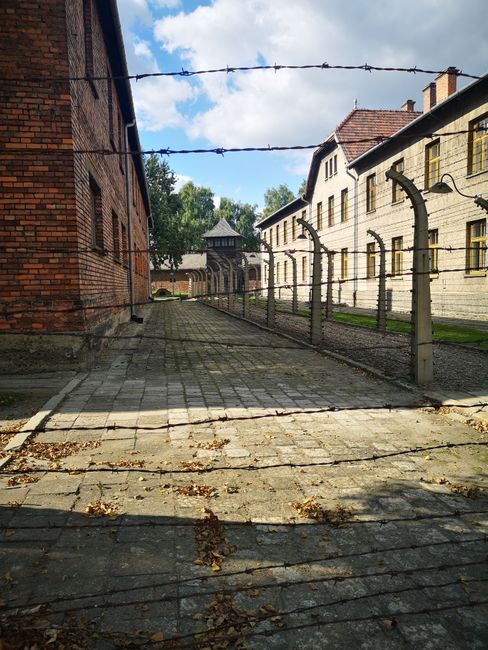
80 Years After Auschwitz Liberation: The Enduring Fight Against Antisemitism
Eighty years after the liberation of Auschwitz-Birkenau on January 27, 1945, the world stands at a critical juncture in its ongoing battle against antisemitism. The horrors of the Holocaust, meticulously planned and executed by the Nazi regime, represent the ultimate manifestation of this ancient hatred, a systematic attempt to annihilate an entire people. While the physical extermination camps are no more, the venom of antisemitism continues to fester, adapting its form and finding new avenues of expression in the 21st century. Understanding the historical context of Auschwitz’s liberation is not merely an act of remembrance; it is a vital prerequisite for confronting and dismantling contemporary antisemitic ideologies and actions. The liberation marked the end of unimaginable suffering for the survivors and the world’s dawning realization of the depths of human depravity, but it simultaneously underscored the urgent need for vigilance and a sustained, multifaceted approach to combatting prejudice.
The legacy of Auschwitz is inextricably linked to the propaganda and dehumanization that preceded and facilitated the Holocaust. Nazi ideology, deeply rooted in centuries of antisemitic tropes, successfully portrayed Jews as an existential threat to the German nation and the Aryan race. This manufactured narrative of the "other" was disseminated through sophisticated propaganda machinery, exploiting existing prejudices and creating a climate of fear and hatred. The systematic stripping of rights, the segregation into ghettos, and ultimately, the mass murder in concentration and extermination camps like Auschwitz were the logical, albeit horrific, culmination of this ideological campaign. Therefore, the fight against antisemitism today must acknowledge and actively counter the power of misinformation, conspiracy theories, and the demonization of Jewish people, mirroring the tactics employed by the Nazis. Social media platforms, while offering avenues for connection, also provide fertile ground for the rapid spread of hateful rhetoric, necessitating robust digital literacy initiatives and platform accountability.
The liberation of Auschwitz was not a singular event that eradicated antisemitism, but rather a turning point that exposed its genocidal potential and galvanized international efforts to prevent future atrocities. The establishment of the United Nations and the subsequent adoption of the Universal Declaration of Human Rights were direct responses to the lessons learned from the Holocaust. The concept of "never again" became a global imperative, translating into legal frameworks, educational programs, and diplomatic initiatives aimed at protecting vulnerable groups and upholding human dignity. However, the persistence of antisemitism across continents and within diverse societies demonstrates that these institutional safeguards, while crucial, are not sufficient on their own. The fight requires continuous engagement at individual, community, and governmental levels, fostering empathy, critical thinking, and a commitment to inclusivity.
Globally, antisemitism manifests in various forms, often blending traditional stereotypes with contemporary political grievances. While some expressions are overt and violent, others are more insidious, cloaked in anti-Zionist rhetoric or Holocaust denial. Anti-Zionism, when it crosses the line into denying the Jewish people’s right to self-determination or employs classic antisemitic tropes to criticize Israel, presents a particularly challenging facet of modern antisemitism. Distinguishing legitimate criticism of Israeli government policies from antisemitic attacks on the Jewish state and its people is paramount. Ignoring this distinction risks alienating Jewish communities and emboldening those who seek to delegitimize Jewish existence. Educational initiatives that foster nuanced understanding of the Israeli-Palestinian conflict, coupled with clear condemnation of antisemitic expressions within that discourse, are essential components of this struggle.
The historical memory of Auschwitz serves as a stark reminder of the consequences of unchecked prejudice and the fragility of democratic societies. The systematic nature of the Holocaust, involving the complicity of ordinary citizens and the bureaucratic machinery of the state, highlights the importance of civic education and the promotion of democratic values. Teaching about the Holocaust in schools is no longer merely a historical imperative; it is a vital tool for inoculating future generations against the seductive allure of extremist ideologies. Curricula must extend beyond factual recounting of events to explore the moral choices individuals faced, the dangers of indifference, and the responsibility of each citizen to actively oppose injustice. This educational endeavor must be dynamic, incorporating survivor testimonies, digital archives, and interactive learning experiences to resonate with contemporary learners.
The rise of far-right and far-left extremist groups in various parts of the world has contributed to a resurgence of antisemitic sentiments. These groups often employ conspiracy theories, blaming Jewish people for societal ills, economic instability, or political corruption. The scapegoating of minority groups is a recurring theme in history, and the Jewish community has historically been a primary target. The fight against these extremist ideologies requires not only the condemnation of their hateful rhetoric but also a comprehensive understanding of the socio-economic and political factors that contribute to their appeal. Addressing legitimate grievances and fostering inclusive societies can help to undermine the fertile ground upon which such extremism thrives.
Holocaust denial and distortion represent a particularly virulent form of antisemitism, aiming to erase the historical record and diminish the suffering of victims. These tactics are often employed by neo-Nazi and white supremacist groups to legitimize their hateful ideologies and recruit new members. Combating Holocaust denial requires a multi-pronged approach, including historical scholarship, public awareness campaigns, and legal measures to prohibit such distortions where they constitute hate speech. International cooperation among researchers, educators, and policymakers is crucial to effectively counter this insidious form of antisemitism.
In the 80 years since Auschwitz’s liberation, the global Jewish community has undertaken significant efforts to preserve the memory of the Holocaust, educate the public, and advocate for the eradication of antisemitism. Institutions like Yad Vashem and the United States Holocaust Memorial Museum play a critical role in documenting the Shoah, providing educational resources, and fostering dialogue. Jewish organizations worldwide actively engage in advocacy, working with governments and civil society to combat antisemitism through legislation, educational programs, and interfaith initiatives. These efforts are vital, but they require broader societal engagement to be truly effective.
The fight against antisemitism is not solely a Jewish struggle; it is a universal human responsibility. The erosion of democratic norms, the rise of populism, and the spread of misinformation create an environment where antisemitism can flourish. Therefore, the lessons of Auschwitz must be extended to encompass a broader commitment to human rights, tolerance, and the protection of all minority groups. Building resilient societies that value diversity and actively reject prejudice is the most effective long-term strategy to prevent the recurrence of such atrocities. This requires sustained effort, cross-cultural understanding, and a collective commitment to the principles of justice and equality.
The 80th anniversary of Auschwitz’s liberation compels a renewed commitment to this enduring fight. It demands that we look beyond mere historical commemoration and actively engage in the ongoing struggle against antisemitism in all its manifestations. This includes challenging antisemitic tropes online and offline, supporting victims of antisemitic harassment and violence, and advocating for educational initiatives that promote critical thinking and empathy. The memory of Auschwitz should serve not as a passive lament, but as a powerful catalyst for action, inspiring us to build a world where such hatred has no place.
Ultimately, the liberation of Auschwitz was a triumph of humanity over barbarism, a testament to the resilience of the human spirit in the face of unimaginable evil. However, the fight against antisemitism, the root cause of the Holocaust, remains unfinished. The echoes of Auschwitz serve as a constant reminder of the dangers of indifference and the imperative to remain vigilant. By learning from the past, confronting contemporary challenges with courage and determination, and fostering a global culture of tolerance and respect, we can strive to ensure that the horrors of Auschwitz are never repeated, and that the fight against antisemitism is finally won. The commitment to this fight requires a deep understanding of the historical roots of this hatred, its modern manifestations, and a collective resolve to uphold the dignity and safety of all people.
