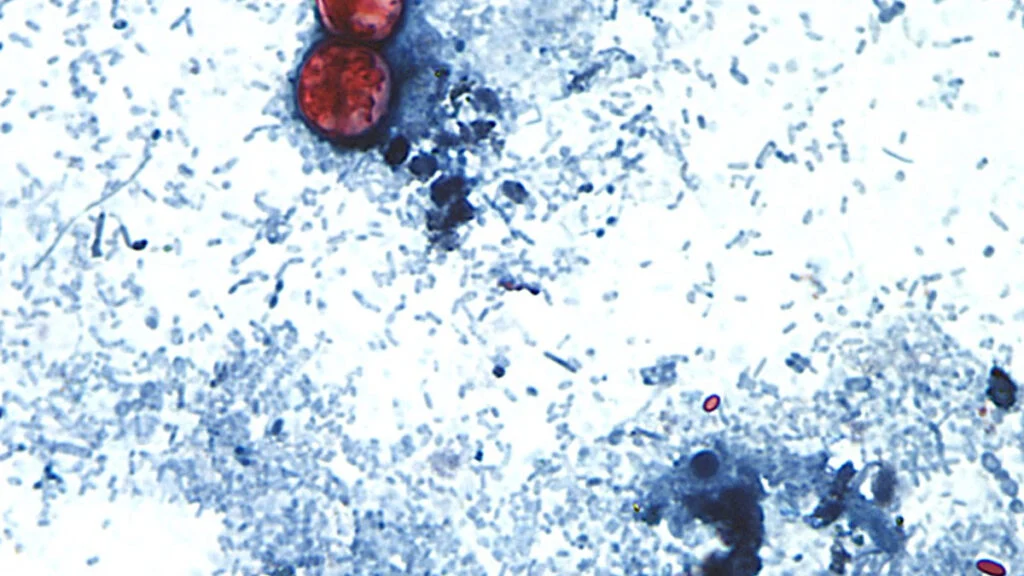
Federal health authorities confirmed this past Friday that the most significant outbreak of Cyclospora in American history has officially come to an end. The U.S. Food and Drug Administration (FDA) announced that all iceberg lettuce identified as the vector for this specific multistate event has been successfully removed from the commercial supply chain. While the immediate threat to public health has been mitigated, the scale of the crisis—which involved nearly 13,000 confirmed cases tied directly to the outbreak—has left a lasting impact on food safety protocols and regulatory scrutiny regarding international produce imports.
This year’s surge in cyclosporiasis, a parasitic infection characterized by severe, watery, and often explosive diarrhea, stands as an anomaly in the landscape of American foodborne illnesses. Since May 1, nearly 20,000 lab-confirmed cases have been reported to government agencies. This figure is more than 16 times the number of cases recorded during the same period in 2023, representing an unprecedented spike in the incidence of the illness. To provide further context, the previous record for the highest number of reported cases in a single year occurred in 2019, when the total reached approximately 4,700. The sheer volume of cases this year has overwhelmed clinical reporting systems and highlighted the persistent vulnerabilities in the nation’s fresh produce supply chain.
Anatomy of the Outbreak and Chronology
The outbreak began to materialize in late spring, a time when cyclosporiasis typically sees a seasonal uptick. Cyclospora cayetanensis, the microscopic, spherical parasite responsible for the illness, is famously difficult to track because it is transmitted through the ingestion of food or water contaminated with human feces. Unlike more common pathogens like Salmonella or E. coli, which often have established industrial testing benchmarks, Cyclospora remains elusive due to its life cycle and the complexity of testing fresh produce for its presence.
By mid-year, public health investigators had identified a definitive pattern. Epidemiological evidence pointed toward iceberg lettuce as the common denominator among thousands of affected individuals across 21 states. The investigation, a collaborative effort between the Centers for Disease Control and Prevention (CDC) and the FDA, eventually focused on Taylor Farms, a major producer and processor. The investigation determined that the contaminated iceberg lettuce had been sourced from central Mexico.
Following the identification of the source, Taylor Farms issued a widespread recall of various packaged salad products containing iceberg lettuce. These products were distributed extensively to major restaurant chains, most notably Yum Brands, which operates the Taco Bell, Pizza Hut, and KFC franchises. The recall necessitated a massive logistical operation to scrub the supply chain, as the affected greens had been integrated into a wide variety of menu items across thousands of locations.
Michigan emerged as the epicenter of the crisis. State health officials reported the highest concentration of cases in the country, and tragically, the state also recorded the two deaths directly linked to the outbreak. These fatalities underscored the potential severity of the illness, which, while usually self-limiting in healthy adults, can pose significant risks to the elderly, the immunocompromised, and those unable to maintain proper hydration.
Scientific and Regulatory Perspectives
The fundamental question remaining is how such a massive volume of lettuce became contaminated with human waste. Ellen Shumaker, director of outreach for the North Carolina State University food safety program, Safe Plates, emphasized that the contamination vector is almost certainly tied to the environment. "This contamination can happen if produce is grown in soil or comes into contact with water that has been contaminated," Shumaker explained. The challenge, however, lies in the fact that the parasite can persist in environmental conditions for extended periods, and current agricultural water testing protocols do not always catch the presence of such low-level, sporadic contaminants.
The FDA has concluded its on-site inspections at the lettuce growers and processing facilities in Mexico. While the agency has stated that all products are off the market, they are still in the process of analyzing samples collected during these inspections. These laboratory results are expected to provide more definitive data on how the contamination event occurred, though the results may not be released to the public for several weeks or months.
A Systemic Failure in Oversight?
The magnitude of this outbreak has reignited a contentious debate regarding the efficacy of U.S. food safety inspections on foreign soil. Critics and food safety advocates have pointed out that U.S. regulators have been conducting fewer international inspections over the past several years. As the demand for fresh, year-round produce has pushed U.S. retailers to look toward Central and South American growers, the regulatory framework has struggled to keep pace.
The "worsening problem" of oversight is not merely a matter of bureaucratic staffing but a fundamental issue of global supply chain management. When produce is harvested in one country, processed in another, and shipped to a third, the chain of custody for food safety becomes increasingly fragmented. The fact that the 2024 outbreak was so much larger than any in previous history suggests that current "farm-to-table" safety initiatives may be insufficient to handle the risks posed by imported leafy greens.
Long-term Implications for Public Health
While this specific outbreak is officially over, the thousands of cases that were not linked to the iceberg lettuce recall remain a cause for concern. The existence of these "orphan" cases suggests that there may be other, unidentified sources of contamination that have yet to be discovered. Cyclosporiasis is notoriously underreported, and many individuals who contract the illness likely do not seek medical attention, or if they do, they are not always tested for the parasite specifically.
The CDC notes that cyclosporiasis typically involves symptoms that begin about a week after ingesting the parasite. Patients frequently experience watery diarrhea, loss of appetite, weight loss, abdominal cramps, bloating, and fatigue. If left untreated, symptoms can last from a few days to more than a month and may even relapse. The surge in cases this year has forced healthcare providers to become more vigilant in testing for Cyclospora, which may explain some, but not all, of the statistical increase in case numbers.
Moving forward, the FDA is expected to face pressure from consumer advocacy groups and legislative bodies to bolster its international inspection program. Proposals currently under discussion include stricter mandates for imported produce testing, increased funding for the FDA’s foreign inspection divisions, and potential updates to the Food Safety Modernization Act (FSMA) to better address the unique challenges of parasites that thrive in irrigation water.
Furthermore, the industry is looking toward technological solutions, including improved genetic tracking of pathogens and blockchain-based supply chain transparency. Such technologies could potentially allow retailers to trace a contaminated head of lettuce back to the specific plot of land where it was harvested within minutes, rather than the weeks or months currently required by traditional epidemiological investigations.
Conclusion
The 2024 Cyclospora outbreak stands as a stark reminder of the complexities inherent in the global food trade. While the immediate danger posed by the contaminated iceberg lettuce has passed, the event has left a profound mark on public health records and exposed critical gaps in the oversight of imported foods. As the FDA wraps up its final analysis of the Mexico-based facilities, the industry, regulators, and consumers are left to grapple with a new, higher baseline for what constitutes a manageable risk in the modern produce market. Whether this event serves as a catalyst for meaningful systemic change remains to be seen, but the urgency for enhanced vigilance is clearer than it has ever been.