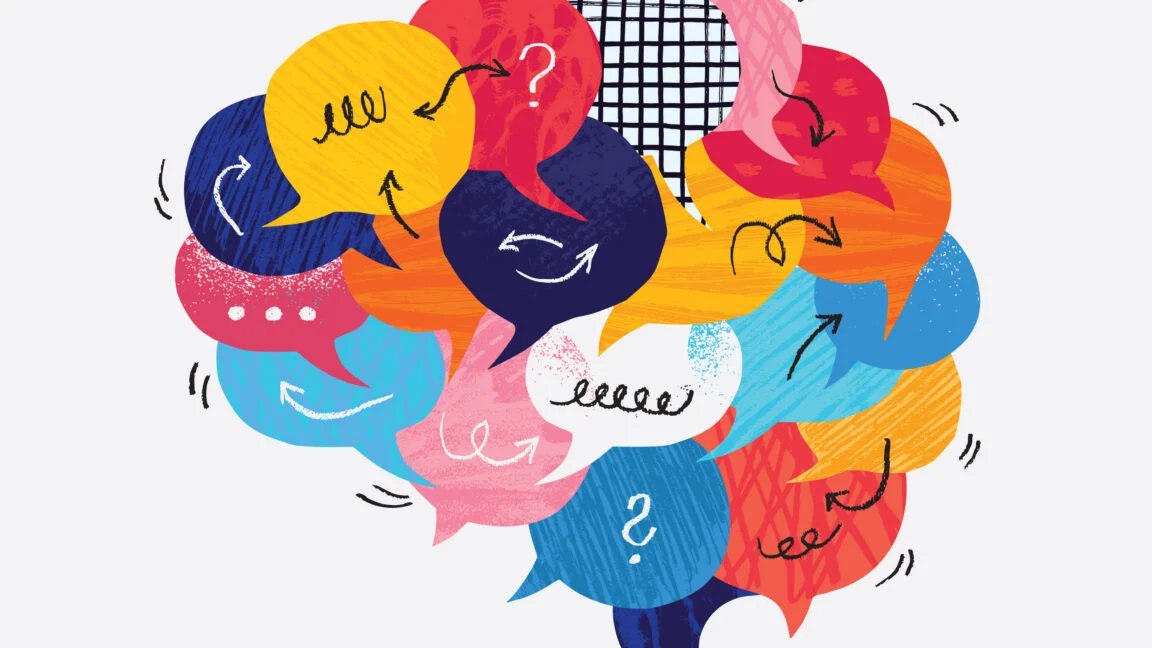
The pervasive myth that language acquisition is a closed door once adulthood is reached has long been challenged by modern linguistics and neurobiology. While it is true that the plasticity of the childhood brain allows for a unique, intuitive grasp of phonology and grammatical structures, the adult brain possesses a distinct set of advantages that facilitate language learning in a different, yet highly effective, capacity. As global populations age, the intersection of cognitive health and lifelong learning has become a focal point of academic research, suggesting that the pursuit of a second language may be one of the most robust tools available for fostering cognitive resilience.
The Neurology of Lifelong Learning
To understand why language learning is particularly beneficial for the aging brain, one must first distinguish between the mechanisms used by children and adults. Children, in what linguists often call the "critical period," rely on implicit learning—a process that is largely unconscious and excels at mimicking sounds and internalizing complex syntax. Adults, conversely, utilize explicit learning. They leverage their existing extensive vocabularies, meta-linguistic awareness, and advanced problem-solving strategies to decode new linguistic systems.
Neuroscience has demonstrated that the adult brain is not a static organ. Through a process known as neuroplasticity, the brain continues to reorganize itself by forming new neural connections throughout life. When an adult engages with a new language, they are not merely memorizing vocabulary lists; they are forcing the brain to navigate new patterns of sound, logic, and social context. This sustained, high-level cognitive effort requires the integration of multiple brain regions, including the prefrontal cortex, which governs executive functions such as attention, planning, and inhibitory control.
Chronology of Research: From Language Acquisition to Cognitive Maintenance
The shift in academic focus from "how we learn" to "how learning affects the aging process" has evolved significantly over the last two decades.
In the early 2000s, studies primarily focused on bilingualism as a lifelong trait, often citing the "bilingual advantage," which suggested that lifelong bilinguals might experience a delayed onset of dementia symptoms by several years compared to monolinguals. By 2010, researchers began to pivot toward intervention studies—examining whether individuals who begin learning a language later in life could reap similar cognitive rewards.
Recent years have seen a surge in longitudinal studies. In 2021, research published in journals such as Frontiers in Aging Neuroscience examined the efficacy of various learning modalities, ranging from immersive classroom environments to digital applications. While the results regarding absolute fluency are mixed, the findings regarding cognitive engagement remain consistent: the process of learning, rather than the attainment of a specific proficiency level, is the key variable in maintaining cognitive health.
Supporting Data and Methodology
Evidence suggests that there is no singular "magic number" of hours required to derive cognitive benefits. The variance in study methodology—comparing intensive, multi-year immersion programs against daily, fifteen-minute sessions on mobile platforms—highlights that the nature of the engagement is more critical than the volume of study.
Data indicates that language learning functions as a "cognitive reserve." Cognitive reserve is a theoretical framework explaining why some individuals remain functionally intact despite age-related brain changes, such as the accumulation of amyloid plaques associated with Alzheimer’s disease. Those who engage in complex, novel activities—like learning a new language—build a buffer that allows the brain to continue functioning effectively even when physical changes occur.
In a meta-analysis of cognitive interventions, researchers noted that tasks requiring active recall, error correction, and shifting between linguistic systems provided a "richer" mental workout than passive activities like reading or listening to music. The demand placed on the working memory during conversation practice, for example, is significantly higher than that required for solitary study, suggesting that the social component of language learning provides a secondary, yet equally vital, layer of cognitive stimulation.
The Social and Cultural Dimension
Beyond the neurobiological impact, the social benefits of language learning cannot be overstated. Interpersonal communication is perhaps the most complex cognitive task humans perform. It requires the simultaneous processing of auditory input, social cues, emotional intelligence, and linguistic retrieval.
When an older adult learns a new language, they are often expanding their social network. This creates opportunities for intergenerational interaction and cross-cultural exchange, both of which are documented protective factors against the loneliness and social isolation that often accelerate cognitive decline in older populations. By fostering empathy and deepening cultural understanding, language learning encourages a mindset of openness and adaptability, which are essential for psychological well-being in later life.
Official Perspectives and Expert Consensus
Linguists and gerontologists increasingly agree that while language learning is not a "cure" for age-related neurological disorders, it is an essential component of a holistic approach to brain health. Dr. Karen Stollznow, a prominent linguist, emphasizes that the goal of adult language learning should not necessarily be perfect fluency or native-like pronunciation. Instead, it should be viewed as a commitment to lifelong cognitive maintenance.
"The most useful way to think about language learning is not as a way to keep the brain young," notes the current academic consensus, "but as a way to support cognitive resilience." This perspective shifts the burden of expectation from the learner. If the objective is to maintain function, adapt to change, and keep the mind engaged, then the "failure" to achieve perfect fluency becomes irrelevant. The success lies in the sustained, challenging effort of the learning process itself.
Analysis: Implications for Public Health
The implications of these findings for public health policy are profound. If engaging in a challenging, sustained activity like language learning can potentially delay the functional impacts of cognitive decline, then community-based language programs should be prioritized alongside physical exercise initiatives for seniors.
Current health guidelines for aging adults typically emphasize physical fitness, nutrition, and stress management. Integrating linguistic training into these recommendations would provide a multi-modal approach to aging. Public libraries, community centers, and educational institutions are uniquely positioned to host these programs, providing the social environments necessary to maximize the benefits of the learning experience.
Furthermore, the democratization of language learning through technology has lowered the barrier to entry. While digital tools cannot replace the nuance of human-to-human interaction, they provide a consistent, accessible, and low-cost means of maintaining daily cognitive activity. For the aging population, the ability to access these tools from home is a significant development, ensuring that geographic or mobility-related limitations do not prevent participation in intellectually stimulating activities.
Toward a Future of Cognitive Resilience
As our understanding of the aging brain continues to improve, so too does our ability to mitigate the challenges that come with the passage of time. Aging is an inevitable biological process, but the rate and impact of that aging can be influenced by our choices.
The evidence is clear: the brain thrives on challenge. By embracing the difficulties inherent in learning a new language—navigating complex grammar, struggling with new phonetic patterns, and reaching out to communicate in a different tongue—adults can provide their minds with the necessary stimulation to adapt and flourish.
In conclusion, the decision to learn a new language in later life is an investment in one’s own future. It is a commitment to the idea that growth does not end with youth, and that the brain’s capacity to learn, connect, and evolve is a lifelong resource. While it may not offer a guarantee against the diseases of aging, it provides something perhaps more important: the tools to remain actively, vibrantly engaged with the world, regardless of one’s age. This pursuit of knowledge, grounded in the resilience of the human mind, represents one of the most effective strategies for aging with purpose, clarity, and continued cognitive health.