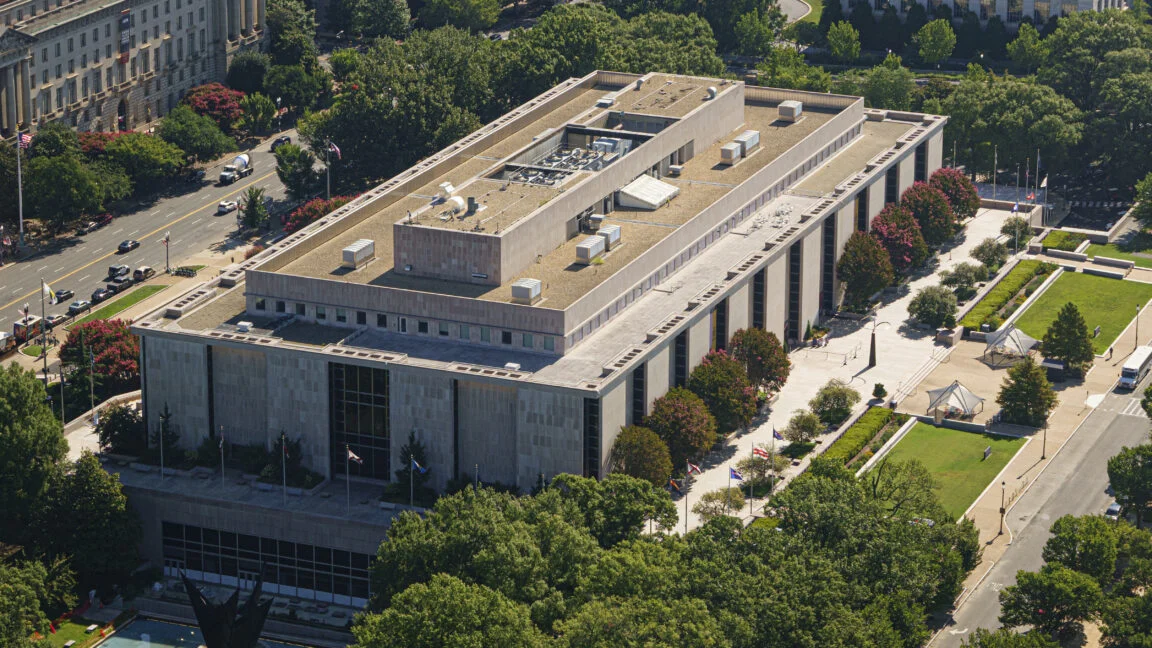
For over 175 years, the Smithsonian Institution has stood as the world’s largest museum, education, and research complex, generally operating with a degree of bipartisan insulation that allowed it to serve as the nation’s primary repository of history, science, and cultural heritage. Today, that stability has been shattered. Following a series of high-profile clashes over exhibit content, staff training materials, and the institution’s overarching narrative, the Smithsonian finds itself at the center of a volatile national culture war that has culminated in the resignation of Secretary Lonnie Bunch and a direct threat to the institution’s federal funding.
The Catalyst: Historical Reinterpretation Under Scrutiny
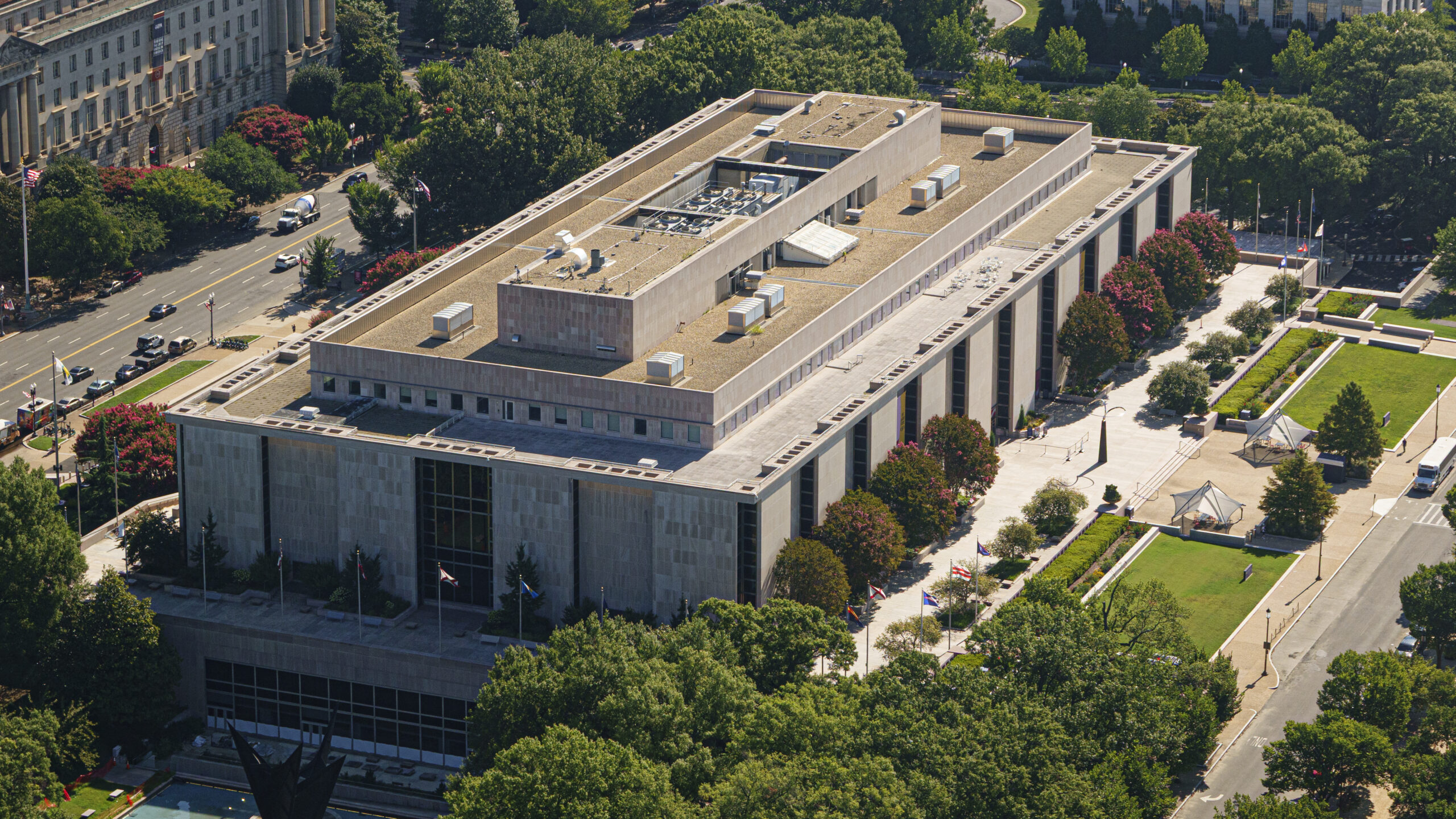
The current tensions, which have been brewing for years, reached a boiling point following a 162-page White House report released in July 2026. The report, titled "Saving America’s Story," leveled severe accusations against the Smithsonian, specifically targeting the National Museum of American History. The document argued that the institution had succumbed to "ideological capture," accusing leadership of abandoning objective historical scholarship in favor of a political agenda.
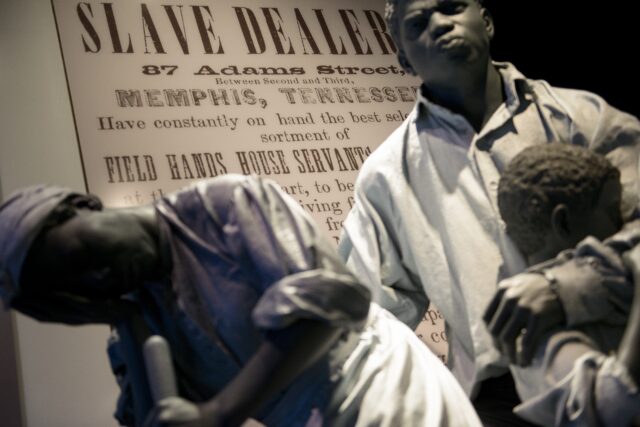
Central to this critique was the 2021 exhibit, "The Electric Dr. Franklin." The exhibit, which explored Benjamin Franklin’s scientific contributions, notably included speculative claims that the Founding Father may have used enslaved people in his electrical experiments. Critics, including those in the Trump administration and various Republican congressional committees, argued that such assertions were not supported by rigorous evidence and served to deliberately diminish the legacy of the nation’s founders through a lens of modern identity politics.
A Chronology of Escalation
The friction between the executive branch and the Smithsonian did not emerge in a vacuum. The institution had already begun a pivot toward more contemporary, identity-focused historical inquiry following the 2020 COVID-19 pandemic and the national protests surrounding the murder of George Floyd.
- June 2020: Smithsonian Secretary Lonnie Bunch briefed the Board of Regents on new institutional priorities, focusing on "dual pandemics" of health and racial inequity.
- March 2025: President Donald Trump signed an executive order labeling the Smithsonian’s direction as a "divisive, race-centered ideology."
- July 2025: The White House issued a formal 120-day ultimatum, demanding the removal of "ideologically driven language" from exhibits.
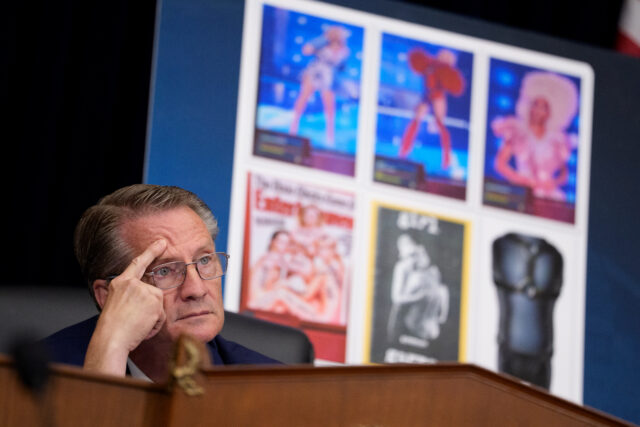
- July 2026: Congressional hearings were held by House committees, forcing leadership to defend specific exhibit items, including controversial displays related to gender identity and sexual history.
- September 2026: Secretary Lonnie Bunch, the first African American to lead the institution, announced his resignation at age 73, citing the intense political stress surrounding the position.
The Legislative and Administrative Conflict
The Smithsonian’s governance structure is unique. While it is an independent entity, it receives roughly 62% of its funding—exceeding $1 billion annually—from the federal government. This financial dependence has made it vulnerable to political shifts. In late August 2026, Interior Secretary Doug Burgum signaled that federal agencies could no longer support the Smithsonian under its existing leadership, raising the specter of severe budget cuts in the next fiscal cycle.
During the July 2026 hearings, the atmosphere was markedly hostile. Republican lawmakers questioned Director Anthea Hartig on several specific items, including the inclusion of a "chrome and rubber crotch harness" in an exhibit on LGBTQ history and a diary excerpt in the "Girlhood (It’s Complicated)" exhibit that discussed early gender identity. These items became flashpoints for a broader argument that the museum had lost its mandate to serve as a unifying national institution.
Conversely, defenders of the Smithsonian, including historian David Blight, have characterized these attacks as a dangerous move toward state-controlled history. Democratic lawmakers, such as Rep. Kweisi Mfume, have described the pressure as an assault on the museum’s integrity, arguing that the institution must reflect the "whole story" of the nation, including its darker chapters.
Data and Institutional Challenges
The challenge for the Smithsonian is compounded by an ongoing debate regarding its structural and narrative coherence. Opened in 1964 as the National Museum of History and Technology, the museum has long struggled to reconcile its dual missions of showcasing technological ingenuity and teaching a broad, often painful, American history.

Data suggests that the museum is in a period of transition, with attendance numbers showing a decline in recent years. Critics like former board member Ivan Selin argue that the Smithsonian lacks a clear, unified theory of history. "Unless you have a clear strategy, you’re going to have some apples and oranges," Selin noted, pointing to the disjointed nature of the exhibits as a symptom of a deeper failure to define what the American history museum should represent in the 21st century.
The museum’s curators have historically favored "material culture"—the study of objects—over the "great man" narrative style favored by traditionalists. This has created a gap between the academic approach of the staff and the expectations of a public that often seeks a cohesive, inspiring national narrative.
Broader Implications for National Cultural Institutions
The conflict at the Smithsonian is indicative of a wider trend in American public life: the weaponization of cultural institutions in the partisan divide. As the nation approaches the 250th anniversary of the Declaration of Independence, the Smithsonian’s struggle represents a fundamental disagreement over how the United States should reconcile its revolutionary ideals with its historical shortcomings.
For the Trump administration, the goal is to enforce a "consensus view" of history that avoids what it deems "woke excesses." For the Smithsonian, the challenge is maintaining its status as a scholarly, research-driven institution while operating under the intense scrutiny of a government that controls its purse strings.
The upcoming appointments to the Board of Regents, which include three currently vacant seats and three more expected to be vacant by the end of the year, will be the next major indicator of the institution’s direction. With the Vice President serving on the board and Chief Justice John Roberts presiding, the selection process for a new Secretary will likely dictate whether the Smithsonian attempts to steer back toward a more traditional, unifying narrative or continues to navigate the complexities of identity and social justice.
As the institution stands at this crossroads, the fundamental question remains: Can a national museum truly be all things to all people, or is the effort to provide a "unified narrative" in an increasingly polarized society an impossible mandate? The resolution of this battle will likely set a precedent for how all federally funded cultural institutions in the United States operate for decades to come.

The Smithsonian now finds itself in a precarious position. The "care and feeding" of congressional relationships, once the bedrock of the institution’s survival, has proved insufficient in the current political climate. Whether the institution can regain its bipartisan consensus or whether it will be permanently reshaped by the current administration’s influence is a matter that will define the legacy of the nation’s 250th anniversary.