A recent decision by a federal appeals court has formally established that the United States Constitution does not guarantee citizens a fundamental right to clean, safe drinking water, dealing a severe legal blow to the residents of Jackson, Mississippi. Handed down by the Fifth U.S. Circuit Court of Appeals, the September 4 ruling addresses a decades-long infrastructure and public health crisis in one of the largest majority-Black cities in the United States. Furthermore, the court determined that the Constitution does not secure a right to truthful disclosures from public officials during a public health emergency, closing off key legal pathways for communities grappling with municipal negligence.
The ruling arrives against a backdrop of systemic environmental injustice, highlighting deep structural vulnerabilities within public utility management across the country. As federal data indicates that minority communities are disproportionately exposed to Safe Drinking Water Act violations, the decision underscores a growing legal divide between systemic environmental degradation and constitutional protection. Despite years of grassroots organizing, legal actions, and community outcry, the appellate decision confirms that residents living in majority-Black capital cities facing catastrophic infrastructure failures may find themselves without a federal constitutional remedy.
Anatomy of a Legal Battle
The federal litigation originated from a 2022 class-action lawsuit filed by Jackson residents against the city and former Mayor Chokwe Antar Lumumba. The plaintiffs alleged that municipal authorities knowingly distributed lead-contaminated water to households while publicly assuring residents that the supply was entirely safe for consumption. Additionally, the lawsuit contended that state and local officials violated federal civil rights protections by repeatedly channeling infrastructure funds away from Jackson toward predominantly white municipalities.
Invoking the 14th Amendment, the plaintiffs argued that the city’s actions violated their constitutional right to bodily integrity, seeking financial damages alongside mandated overhauls of municipal water management and crisis communication strategies. Residents pointed to years of unreliable service, noting that brownish, impure water routinely trickled from residential taps, while frequent system failures left thousands entirely without running water.
A lower court initially dismissed the lawsuit, prompting the appeal to the Fifth Circuit. In the September 4 ruling, a majority panel affirmed the lower court’s dismissal. Writing for the majority, Judge Kurt Engelhardt acknowledged that access to safe drinking water is undoubtedly important, but asserted that such a privilege does not constitute a right "deeply rooted in our Nation’s history and tradition"—the prevailing judicial standard for determining substantive due process protections under the Constitution.
Addressing the plaintiffs’ claims regarding misleading public statements, Judge Engelhardt ruled that governmental deception surrounding lead contamination does not equate to unconstitutional physical intrusion. He wrote that lying about water quality "is a far cry from the state’s physically extracting evidence from a criminal suspect or conducting an invasive medical procedure without consent." While acknowledging the hardships endured by the populace, the court concluded that the Constitution "does not provide redress for every governmental wrongdoing."
A sharp dissenting opinion was filed by Judge Catharina Haynes, who argued that the plaintiffs had successfully presented plausible claims that municipal officials violated residents’ rights to bodily integrity by knowingly exposing them to severe environmental hazards. Nevertheless, the majority ruling stands as binding precedent within the jurisdiction of the Fifth Circuit.
A Chronology of Crisis: How Jackson Reached the Breaking Point
The water emergency in Jackson is not a sudden anomaly, but rather the cumulative result of decades of deferred maintenance, shrinking municipal revenues, aging treatment facilities, and chronic understaffing.
- Decades of Neglect: Generations of Jackson residents, including families who lived through structural issues dating back to the late 20th century, experienced intermittent water discoloration, low pressure, and frequent boil-water notices.
- March 2020: The U.S. Environmental Protection Agency (EPA) issued an emergency order warning that conditions at Jackson’s water treatment facilities posed an "imminent and substantial endangerment" to public health, citing critical vulnerabilities in treatment and distribution networks.
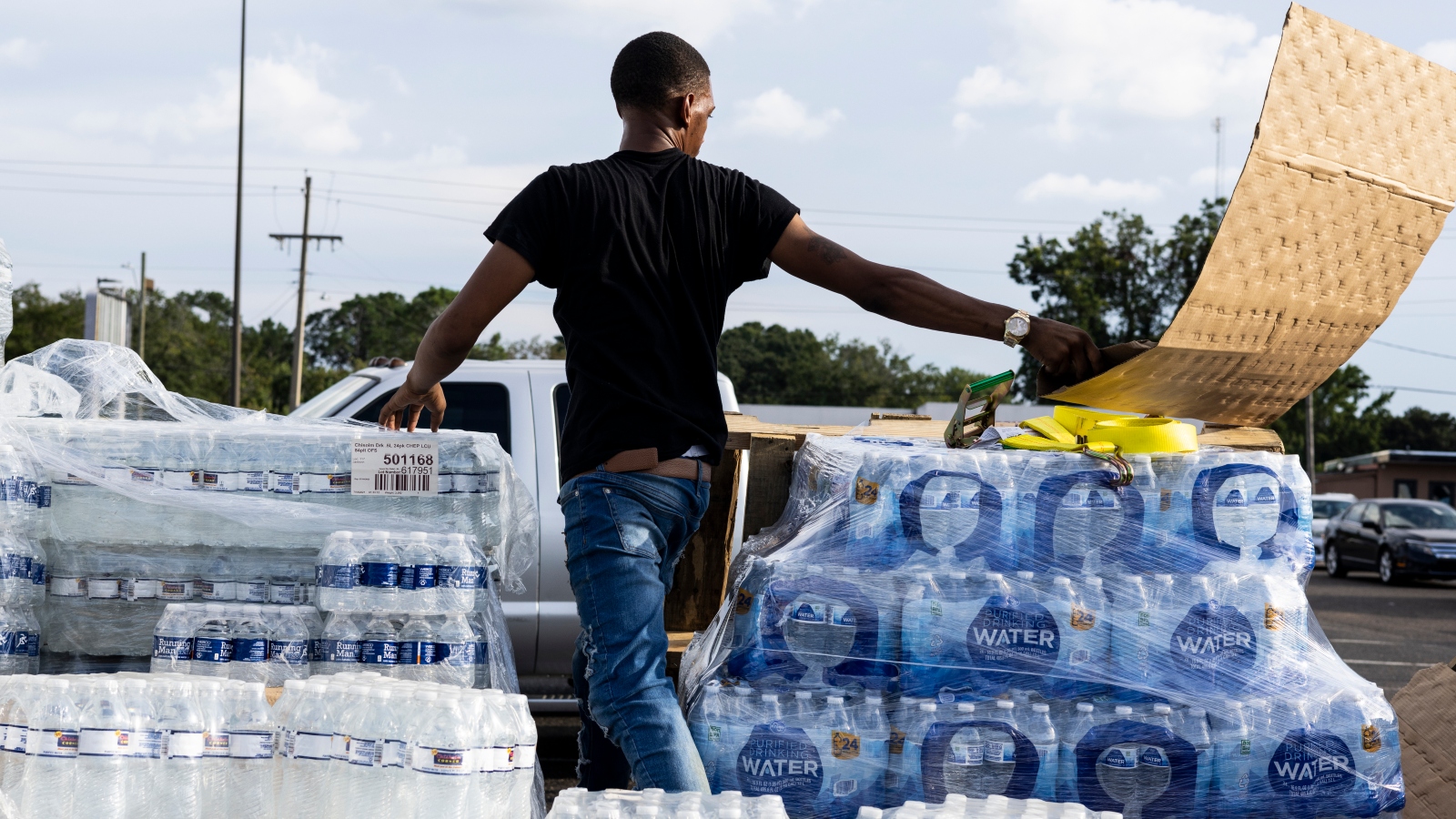
- February 2021: Severe winter storms swept across the region, freezing aging equipment and rupturing water mains. The freeze left tens of thousands of residents without running water for weeks, forcing communities to rely on bottled water distribution sites.
- August 2022: Catastrophic flooding and operational failures at the O.B. Curtis Water Treatment Plant triggered a complete shutdown of the city’s primary water source. The collapse left nearly 150,000 residents without reliable access to drinking water for months, forcing schools and businesses to close and prompting immediate federal intervention.
- Late 2022 to Present: Following federal intervention, a court-appointed third-party manager, JXN Water, assumed operational control of the system. While infrastructure repairs and operational stabilization efforts have progressed, the utility remains under federal oversight and continuous financial strain.
Data, Disparities, and Disproportionate Impacts
The legal hurdles faced by Jackson reflect broader national patterns regarding environmental justice and public infrastructure. Federal data compiled by environmental researchers and public health agencies consistently demonstrate that communities of color are significantly more likely to be served by water systems with ongoing health-based violations of the Safe Drinking Water Act. Furthermore, academic studies indicate that municipal water systems serving predominantly Black populations experience longer delays before receiving necessary federal or state remediation funds compared to systems in predominantly white areas.

In Jackson, where more than 80 percent of the population is Black and the poverty rate is more than double the national average, the public health consequences have been severe. Long-term exposure to lead and contaminated water has been linked by numerous medical studies to permanent cognitive impairment in children, developmental delays, and chronic illnesses such as kidney infections. Residents have reported altering their daily routines entirely—driving miles to relatives’ homes to wash laundry, bathe, and secure potable water.
Critics of the judicial system argue that these disparities are systematically reinforced by legal doctrines that fail to recognize environmental safety as a constitutional baseline. Danyelle Holmes, a senior national organizer with Mississippi’s Poor People’s Campaign, summarized the sentiment of local advocates following the Fifth Circuit decision. "Jackson residents did everything this country tells poor people to do," Holmes stated. "They organized, they testified, they boiled their water, they filed suit, they trusted the courts. And at every step the answer has been no."
Official Responses and Financial Burdens
Reactions to the appellate decision varied starkly along institutional lines. Municipal leadership under Jackson Mayor John Horhn released a brief statement following the ruling: "We are pleased that the Fifth Circuit upheld the dismissal of these claims. The City remains committed to the health, safety, and well-being of every Jackson resident."
Meanwhile, JXN Water, operating under federal oversight, has sought to address the systemic operational failures by upgrading treatment protocols and stabilizing revenue generation. However, these improvements have introduced new economic pressures on a populace already grappling with high poverty rates.
In March, a court-approved 12 percent rate increase raised the average residential water and sewer bill by roughly $8.88 a month, bringing the baseline to approximately $88. Additional rate hikes proposed in JXN Water’s long-term financial plan—including a 10 percent increase slated for spring 2027, followed by 9 percent in 2028 and 8 percent in 2029—threaten to place an increasingly heavy financial burden on low-income households.

Community organizers emphasize that asking impoverished residents to shoulder the financial cost of repairing decades of systemic neglect creates an untenable cycle of economic hardship. Activists maintain that grassroots mobilization, political engagement, and alternative civil rights strategies will remain essential moving forward, independent of federal judicial relief.
Broader Implications for Environmental Justice
The Fifth Circuit’s ruling carries significant implications beyond the municipal boundaries of Mississippi’s capital. By establishing that the U.S. Constitution does not confer an affirmative right to clean water or transparent public health communication, the decision narrows the scope of federal litigation available to marginalized communities facing infrastructure failures.
Legal analysts note that the ruling places the burden of protection almost entirely on statutory regulations, such as the Safe Drinking Water Act and the Clean Water Act, rather than constitutional guarantees. However, when enforcement mechanisms under these statutes are constrained—or when civil rights complaints filed through federal agencies like the EPA face administrative dismissals—affected populations are left with few judicial remedies to hold negligent governing bodies accountable.
As climate change, aging infrastructure, and shifting demographic pressures place unprecedented strains on municipal water systems nationwide, the Jackson case serves as a critical test study for the limits of American environmental law. For local residents, the fight for safe, drinkable tap water continues on multiple fronts—transcending the courtroom and centering on community-led advocacy, legislative reform, and the fundamental assertion of public health as an essential human right.