The BMW Group, a perennial leader in the premium automotive segment, has reported a sharp contraction in its global electric vehicle (EV) deliveries for the first quarter of 2026. Despite a flurry of interest in its latest models and a strategic pivot toward electrification, the Munich-based automaker saw its all-electric sales plummet by 20.1% compared to the same period in the previous year. This downturn comes at a critical juncture for the company, as it navigates a volatile global market characterized by shifting regulatory incentives, intensifying competition in China, and a cooling of consumer enthusiasm in the United States.
From January through March 2026, the BMW Group—which encompasses the BMW, Mini, and Rolls-Royce brands—delivered 87,458 fully electric vehicles (BEVs) to customers worldwide. This figure represents a significant retreat from the growth trajectory the company maintained throughout much of 2025. While the automotive group concluded 2025 with a modest 3.6% year-over-year increase in total EV sales, the momentum began to stall in the final months of that year. Fourth-quarter sales in 2025 had already dipped by 10.5%, signaling the onset of the headwinds that have now fully materialized in the opening months of 2026. When compared sequentially to the fourth quarter of 2025, the drop is even more pronounced, with the company moving 26% fewer EVs in the first three months of this year.
Regional Disparities: The European Stronghold vs. Global Headwinds
The first-quarter results highlight a stark geographical divide in BMW’s performance. While global totals were dragged down by poor performance in the world’s two largest automotive markets—China and the United States—Europe emerged as a resilient stronghold for the brand’s electric ambitions.
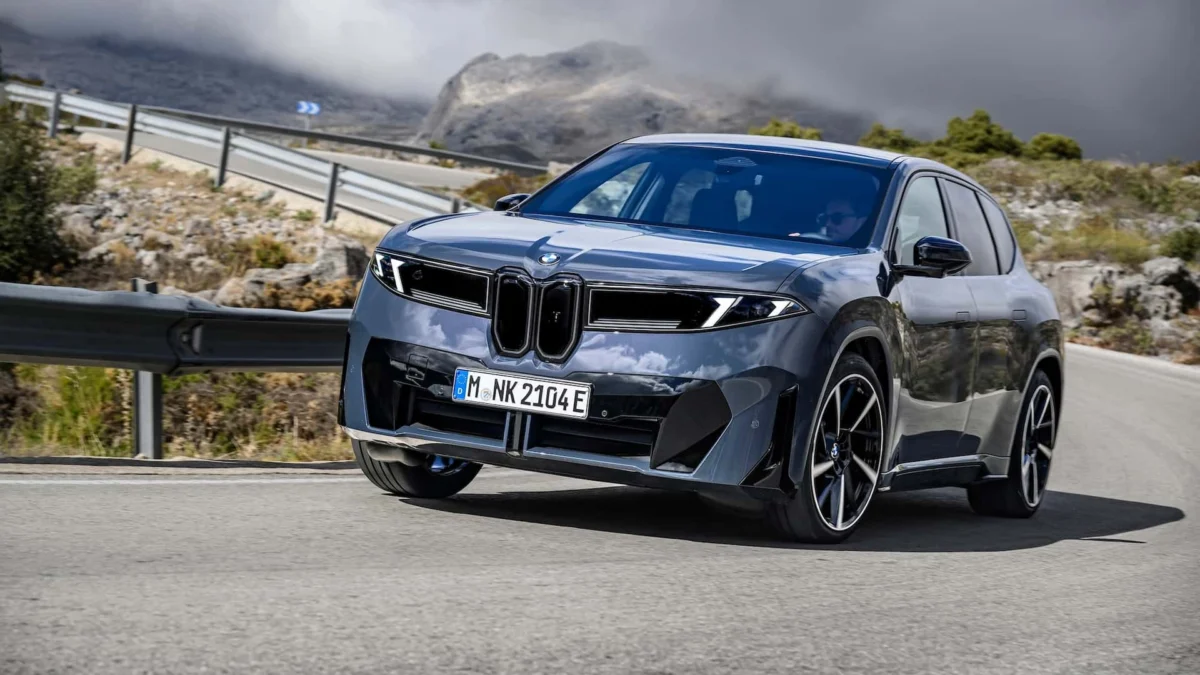
In Europe, the demand for BMW’s electric lineup remains robust. The company reported that total EV orders on the continent surged by 40% year-over-year. A primary driver of this optimism is the new iX3 SUV. Although deliveries of the refreshed iX3 only commenced in March in European markets, the model has already accumulated over 50,000 orders. In a telling statistic for the future of the brand, the iX3 now accounts for more than half of all BMW X3 series orders in Europe, suggesting that when the product-market fit is precise, European consumers are still eager to transition away from internal combustion engines (ICE).
Conversely, the situation in the United States and China presents a more challenging narrative. In the U.S. market, the BMW brand moved 9,856 electrified vehicles (combining both BEVs and PHEVs) in Q1 2026. This marks a staggering 50% decrease from the 19,761 units sold in the first quarter of 2025. Third-party data from Cox Automotive further isolates the struggle of pure electric models, noting that BMW sold only 4,963 BEVs in the U.S. during the quarter—a 63.3% year-over-year decline.
BMW leadership attributed the U.S. slump largely to the "discontinuation of EV incentives," which has impacted the broader domestic market. As federal and state tax credits have become more restrictive or have expired for various models, the price-sensitive premium segment has seen a noticeable shift back toward hybrid or traditional gasoline options.
In China, the world’s largest market for electric vehicles, BMW faced a different set of obstacles. Despite claiming to have outperformed the total market in terms of relative stability, the company still faced "faltering" sales numbers. The Chinese market is currently defined by a brutal price war led by domestic giants like BYD and Xiaomi, as well as a rapid shift in consumer preference toward domestic tech-heavy EVs, leaving traditional European luxury brands in a defensive posture.
The iX3 Factor: A Beacon of Hope Amidst Production Shifts
The iX3 SUV remains the focal point of BMW’s immediate recovery strategy. Recognized by industry critics as one of the most balanced electric vehicles currently on sale, the iX3’s popularity in Europe has forced the company to adjust its industrial footprint. To meet the backlog of 50,000 orders, BMW has had to boost output at its manufacturing facilities, implementing double shifts ahead of the original schedule.
The success of the iX3 is critical because it serves as a bridge to the "Neue Klasse" (New Class) of vehicles—BMW’s upcoming dedicated electric platform slated to debut later this decade. The high take-rate for the electric version of the X3 suggests that BMW’s "Power of Choice" strategy—offering the same model with gasoline, diesel, plug-in hybrid, and electric powertrains—is resonating with consumers who want the familiarity of a traditional SUV with the benefits of an electric drivetrain.
Performance Across the Portfolio: Mini and Rolls-Royce
The sales decline was not limited to the flagship BMW brand. The Group’s other marques also felt the pressure of a tightening market. Overall, the BMW Group recorded a 3.5% dip in total sales across all powertrain types, delivering 565,748 vehicles globally in Q1.
Mini, which is in the midst of a significant brand overhaul and a transition to an all-electric future, saw mixed results. While the brand experienced a 10.7% increase in its home market of Germany, its international performance was marred by the same red ink affecting the parent company.
Even Rolls-Royce, a brand typically insulated from the cyclical nature of the global economy due to its ultra-high-net-worth clientele, was not immune. The luxury house saw sales decline by 8% in the first quarter, reaching 1,271 units. While the brand is currently rolling out the Spectre, its first fully electric coupe, the overall decline suggests a cooling of demand in the ultra-luxury sector, perhaps reflecting broader geopolitical uncertainties and economic caution among the world’s wealthiest buyers.
Chronology of a Market Correction
To understand the Q1 2026 results, one must look at the timeline of the preceding eighteen months:
- Mid-2024 to Early 2025: BMW enjoyed a period of sustained growth, buoyed by the successful launch of the i4 and i7 sedans. The company was frequently cited as a legacy automaker that had successfully navigated the EV transition.
- Late 2025: Global interest rates remained high, and the initial wave of "early adopters" for EVs had largely been satisfied. The market began to transition to the "early majority," a demographic more concerned with price, charging infrastructure, and resale value.
- Q4 2025: BMW’s EV sales dipped 10.5%, the first major signal that the triple-digit growth percentages of previous years were coming to an end.
- January 2026: Significant changes to EV incentive structures in the U.S. and several European nations (notably Germany’s earlier subsidy cuts) began to weigh heavily on order banks.
- March 2026: The launch of the iX3 in Europe provided a late-quarter surge in orders, though not enough to offset the slow start to the year in other regions.
Market Analysis: Why the Slump?
Industry analysts point to several factors contributing to the 20.1% decline. First is the "incentive cliff." In many markets, governments have begun to wind down the generous subsidies that previously made luxury EVs price-competitive with their ICE counterparts. Without these buffers, the high MSRP of premium electric vehicles becomes a significant hurdle, especially as interest rates for auto loans remain elevated.
Second is the resurgence of the Plug-in Hybrid (PHEV). While the BMW Group’s total electrified sales (BEVs and PHEVs combined) fell 15.9% to 132,518 units, the decline was less severe than that of pure BEVs alone. This indicates that a segment of the market is retreating from full electrification in favor of the "safety net" provided by a combustion engine, a trend seen across the industry as charging infrastructure growth fails to keep pace with vehicle sales in many regions.
Third is the competitive landscape in China. BMW’s traditional strengths—driving dynamics and brand prestige—are being challenged by Chinese competitors who prioritize software-defined features, in-car entertainment, and aggressive pricing.
Strategic Outlook and Future Implications
Despite the sobering Q1 figures, BMW remains committed to its long-term electrification roadmap. The company’s leadership has consistently argued that the transition to electric mobility will not be a linear progression but rather a "marathon with various phases of intensity."
The 40% increase in European orders suggests that the appetite for BMW EVs remains high in markets where the infrastructure is mature and the product lineup is fresh. The company is betting heavily that as the iX3 reaches more global markets and as the "Neue Klasse" models begin to appear in showrooms, the current slump will be viewed as a temporary market correction rather than a long-term decline.
However, the Q1 results serve as a stark reminder of the challenges facing legacy automakers. Unlike pure-play EV manufacturers, BMW must balance the massive capital expenditures required for electric R&D with the need to maintain a profitable ICE and hybrid business. The 3.5% overall sales dip suggests that even the company’s traditional profit centers are feeling the squeeze of a tightening global economy.
As the second quarter of 2026 begins, all eyes will be on BMW’s ability to convert its massive European order bank for the iX3 into delivered units. Furthermore, the industry will be watching to see if BMW adjusts its pricing strategy in the U.S. and China to reclaim lost ground, or if it will prioritize margin over volume in an increasingly fractured global marketplace. For now, the "Ultimate Driving Machine" finds itself in a difficult gear, navigating a transition that is proving to be more turbulent than many had anticipated.