The landscapes of health diplomacy and humanitarian action intersected sharply in Amman this week as Dr. Tedros Adhanom Ghebreyesus, Director-General of the World Health Organization (WHO), embarked on a high-profile, two-day State visit to the Hashemite Kingdom of Jordan. The diplomatic mission, designed to spotlight Jordan’s exemplary role as a pillar of regional stability and healthcare resilience, brought together global health authorities, national leaders, and international philanthropists. Throughout the opening day, discussions coalesced around universal health coverage (UHC), innovative mental health integration, and the monumental strains and triumphs associated with hosting millions of refugees from neighboring conflict zones, including Syria and Gaza.
Against a backdrop of protracted geopolitical instability in the Middle East, Jordan has consistently punched above its economic weight in humanitarian outreach. The visit underscored the strategic partnership binding the WHO and the Jordanian government, a synergy that has grown increasingly critical as regional health systems face unprecedented compounding crises. From medical evacuations of critically ill children to the systematic expansion of primary healthcare and mental health services, the Hashemite Kingdom has repeatedly positioned itself as a laboratory for compassionate, forward-thinking health governance.
High-Level Engagements at the Royal Court
The cornerstone of the visit’s opening day was an audience with His Majesty King Abdullah II. This high-level dialogue underscored the personal commitment of the Jordanian monarch to advancing health both as a fundamental domestic right and as an indispensable tool for regional peace and security. Conversations in the royal chambers centered on fortifying fragile health architectures, expanding equitable access to clinical care, and maintaining robust, uninterrupted support for emergency medical responses across the Levant.
Particular focus was paid to Jordan’s ongoing humanitarian operations supporting the Palestinian people. This includes the intricate logistics surrounding patients evacuated directly from war-torn Gaza to specialized Jordanian medical facilities, alongside the millions of displaced individuals who have found refuge within the kingdom’s borders over decades of regional upheaval.
Following the audience, Dr. Tedros voiced his deep admiration for the nation’s leadership. "I wish to express my appreciation to His Majesty King Abdullah II for his commitment to advancing universal health coverage," Dr. Tedros remarked. "I also extend my thanks to His Majesty and the people of Jordan for their solidarity and generosity in providing health services to more than three million refugees, primarily from Gaza and Syria, who are living in the country."
The WHO chief explicitly praised the operational reach of Jordan’s humanitarian architecture, drawing specific attention to the King’s Medical Corridor initiative. This vital logistical and clinical pathway has successfully delivered critical, life-saving care to scores of ill and injured children evacuated from the Gaza Strip, navigating immense operational hurdles to deliver treatment for complex trauma, oncology, and other life-threatening conditions. "Jordan continues to show the world what it truly means to put health and humanity first," Dr. Tedros added.
Witnessing the Frontlines of Care: Specialized Pediatric Hospitals and Evacuation Corridors
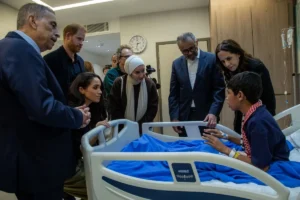
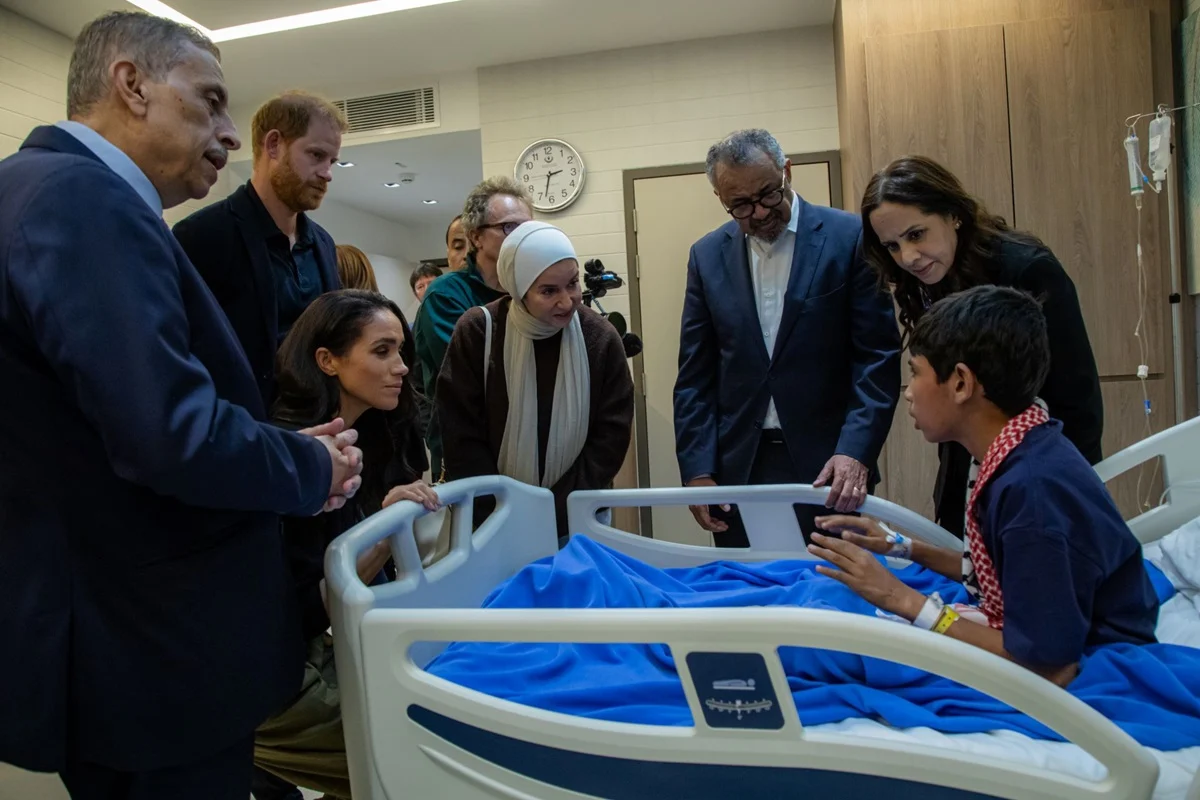
Translating diplomatic commitments into tangible realities, Dr. Tedros spent a significant portion of the day touring a major WHO-supported hospital in Amman dedicated to treating pediatric patients evacuated from Gaza. The visit offered a sobering window into the human cost of contemporary conflict, as the Director-General walked the wards to meet young patients, their families, and the multidisciplinary teams of frontline health workers.
These medical professionals work tirelessly under immense emotional and physical pressure, delivering life-saving interventions for severe traumatic injuries, advanced-stage cancers, and other catastrophic health conditions. The visit served to amplify a pressing global appeal: the medical evacuation corridor through Jordan is a lifeline that requires guaranteed security, predictable funding, and sustained international backing. Without robust global solidarity, health systems in transit nations risk buckling under the sheer volume of high-acuity cases requiring specialized tertiary care.
Mobilizing Resources: The Partner and Donor Roundtable
Recognizing that moral leadership must be matched by financial sustainability, Dr. Tedros convened a high-level strategic roundtable later in the day. The gathering brought together key health partners, donor governments, United Nations agencies, and philanthropic organizations to tackle the complex financing architecture required to sustain Jordan’s health system.
Discussions at the forum focused heavily on resource mobilization for primary healthcare strengthening, the scaling up of comprehensive mental health services, and the continuous support mandated for host nations absorbing disproportionate refugee populations. Participants evaluated current funding gaps and established collaborative frameworks to ensure that investments in Jordanian health infrastructure yield long-term resilience rather than merely short-term fixes. The Director-General lauded the participants for their steadfast commitment, noting that robust international investment in Jordan directly bolsters the health security of the entire Eastern Mediterranean region.
Advancing Universal Health Coverage and Mental Health Integration
In a separate bilateral meeting, Dr. Tedros sat down with Jordan’s Minister of Health to dissect domestic health reforms and the accelerated path toward universal health coverage. Jordan has earned international acclaim for its pioneering primary healthcare strategy, which treats community-level clinics as the frontline defense of the national wellness system.
Crucially, Jordan has broken new ground by integrating mental health services directly into routine primary healthcare consultations. Historically siloed from general medicine, mental healthcare in Jordan is now increasingly accessible at the neighborhood level, ensuring that psychological trauma, anxiety, and depression are treated with the same urgency as physical ailments. This progressive integration has been actively supported by the WHO through the Director-General’s Special Initiative for Mental Health, serving as a regional blueprint for destigmatizing psychological care and embedding it deeply within public health frameworks.
The Role of Philanthropy and High-Profile Advocacy
Adding a unique dimension to the state visit, Dr. Tedros was accompanied during several key engagements by Prince Harry, The Duke of Sussex, and Meghan, The Duchess of Sussex. Participating in their capacities as the founders of Archewell Philanthropies and long-standing global advocates for public health, the couple brought international visibility to the mission.
Archewell has historically partnered with the WHO on numerous fronts, ranging from advocating for equitable global distribution of COVID-19 vaccines to supporting targeted medical evacuation programs and psychological resilience initiatives. During the visit, Prince Harry actively participated as an ally of the WHO’s mental health campaigns, emphasizing the critical imperative of investing in psychological support systems across communities destabilized by conflict and crisis. Particular emphasis was placed on the mental health vulnerabilities of men, adolescents, and children navigating protracted displacement.
Reflecting on the collaboration, Dr. Tedros stated, "I want to thank our partners, including Prince Harry, Duke of Sussex and Meghan, Duchess of Sussex, whose commitment to mental health and humanitarian action has helped bring visibility, resources and hope to some of the world’s most vulnerable communities. Their collaboration is helping to advance WHO’s mission to ensure health for all."
Prince Harry echoed these sentiments, highlighting the moral clarity and resilience demonstrated by the host nation. "It is an honour to join the Director-General of the World Health Organization in Jordan, a country that is leading by example in compassion, resilience and innovation," the Duke of Sussex said. "Through our work with Archewell Philanthropies, my wife and I have seen first-hand the impact of WHO’s efforts to support mental health and deliver life-saving care in emergencies. We remain deeply committed to advancing awareness, reducing stigma and expanding access to mental health support for all those affected by conflict and crisis. Mental health is fundamental to recovery, dignity and long-term peace, and we are proud to stand with WHO and partners around the world to make it a global priority."
Looking Ahead: Day Two Itinerary and Broader Regional Implications
As the first day of the state visit drew to a close, preparations were finalized for a dense itinerary marking the conclusion of the mission. The second day is scheduled to feature a comprehensive tour of Jordan’s National Center for Rehabilitation of Addicts. Supported extensively by the WHO, the facility provides holistic, integrated medical, psychological, and social services for individuals battling substance use disorders, reflecting a humane, public-health-centered approach to addiction recovery.
Furthermore, Dr. Tedros is slated to engage directly with local community leaders and women’s empowerment organizations, including prominent bodies such as the Jordanian Hashemite Fund for Human Development (JOHUD). These grassroots interactions are designed to evaluate how community-led initiatives bolster health literacy and social cohesion at the local level. The day will also include a high-level site visit to the internationally renowned King Hussein Cancer Center to explore cutting-edge advancements in oncology care, research partnerships, and cross-border clinical collaborations.
The state visit will ultimately wrap up with final consultations involving international organizations and operational partners steering humanitarian logistics within the kingdom. By reinforcing Jordan’s irreplaceable standing as a regional hub for medical evacuations, rapid emergency response, and health system reinforcement, the WHO’s visit serves as a timely reminder of the power of multilateral cooperation in an era defined by overlapping global crises.
Media Contacts and Institutional Information
For further media inquiries, press credentials, or detailed background documents regarding the WHO Director-General’s state visit to the Hashemite Kingdom of Jordan, accredited journalists and news desks may reach out to the designated communications officers:
Paul Garwood
Communications Officer
World Health Organization (WHO)
WHO Media Team
World Health Organization (WHO)
[Media liaison channels active via official WHO regional portals for the Eastern Mediterranean]