As Capitol Hill prepares for a temporary exodus ahead of the high-stakes midterm elections, a bipartisan coalition of senators is locked in intense, eleventh-hour negotiations over a sweeping energy permitting reform bill. Proponents argue that the legislation is vital to avert a looming national energy crisis, driven by an unprecedented surge in electricity demand from domestic manufacturing, broad economic electrification, and an exponential expansion of artificial intelligence data centers.
Despite achieving a rare consensus that the federal permitting apparatus is fundamentally broken, lawmakers find themselves trapped between the urgent physical demands of the nation’s power grid and a volatile public relations landscape. With the draft bill balancing the acceleration of both renewable energy and fossil fuel projects, the path forward remains fraught with political hurdles, environmental compromises, and strategic repositioning as politicians look toward November.
The Anatomy of a Broken Permitting Process
For years, energy developers, industry executives, and policymakers from across the political spectrum have warned that federal bureaucracy is choking American energy infrastructure. Under the current system, getting any major energy project online requires navigating a labyrinth of complicated environmental impact studies, lengthy bureaucratic reviews across multiple federal agencies, and persistent legal challenges from environmental organizations and local opponents.
These delays affect every corner of the energy sector. Industry surveys consistently demonstrate that transmission lines, natural gas pipelines, and clean energy deployments face years of regulatory limbo before breaking ground. Lawmakers have repeatedly attempted to fix the system—most notably through the Energy Permitting Reform Act of 2024, which successfully advanced out of committee but ultimately stalled before reaching a full floor vote in the Senate.
This year, however, the pressure cooker of escalating power demand has injected fresh momentum into legislative halls. Senior members representing both parties on the Senate’s primary energy-related committees have taken the helm of the negotiations, drafting legislative language designed to streamline approvals. While the complete text of the draft bill remains private, energy stakeholders anticipate it will include provisions to narrow the scope of environmental and social impacts agencies must evaluate, weaken rigid Clean Water Act and Endangered Species Act hurdles for critical transmission and pipeline projects, and insulate successfully issued permits from protracted post-approval litigation.
The Compounding Pressures of Surging Electricity Demand
The urgency behind the current legislative push is rooted in a fundamental shift in American energy consumption. For decades following the 2008 financial crisis, widespread adoption of energy-efficient appliances, LED lighting, and stringent building codes kept U.S. electricity demand largely flat. That era has officially ended.
Today, the American economy is undergoing a massive structural transformation. Consumers are rapidly electrifying their daily lives through the adoption of heat pumps, residential and commercial electric water heaters, and electric vehicles. Concurrently, federal industrial policies aimed at reshoring critical supply chains have triggered a boom in domestic manufacturing, requiring reliable, heavy-duty industrial power.
However, the factor accelerating and intensifying this power-demand spike beyond all previous projections is the explosive growth of the tech industry. Big Tech companies are racing to construct massive data centers to power the computational requirements of artificial intelligence and cloud computing. These facilities require gigawatts of continuous, uninterrupted power, placing an unprecedented strain on regional electric grids and national supply chains.
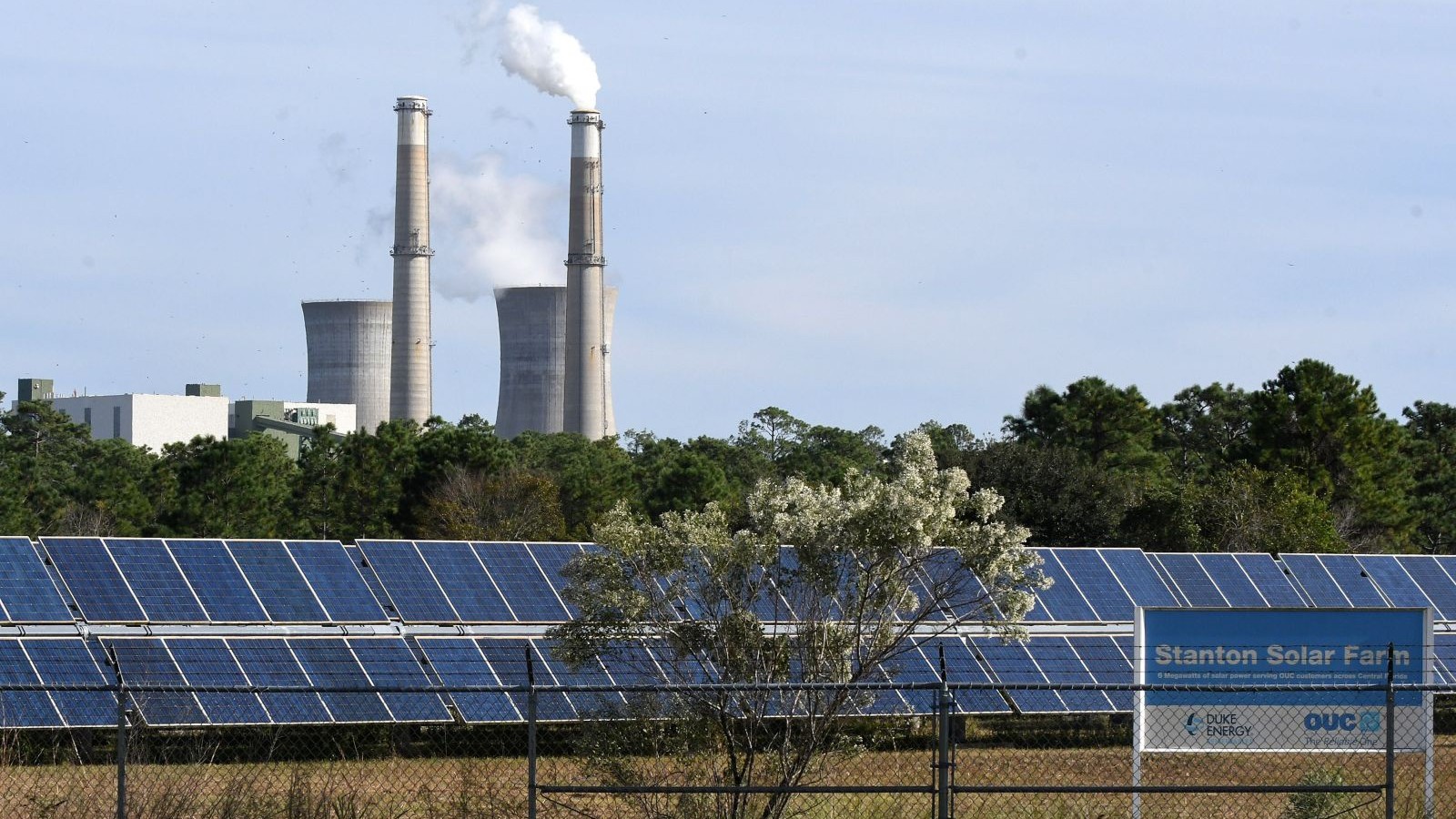
The energy mix to feed this demand is shifting rapidly. Solar power and battery storage systems account for nearly 80 percent of all new power generation expected to come online in the United States throughout 2026. Meanwhile, natural gas remains the single largest source of electricity generation nationwide, with projections showing sustained growth as a primary baseload fuel—particularly for powering data centers over the coming decade. Consequently, both the solar and natural gas industries have thrown their weight behind permitting reform, with Solar Energy Industry Association President Tim Pawlenty bluntly warning that the nation’s energy capacity risks becoming severely constrained without legislative intervention.
The Geopolitical Imperative and the AI Arms Race
Beyond domestic grid reliability and consumer pricing, a powerful geopolitical subtext is driving lawmakers to fast-track energy infrastructure. Both congressional leaders and administration officials are increasingly vocal about the perceived race for global technological supremacy, particularly against China.
Lawmakers in Washington harbor deep-seated anxieties that slowing down the build-out of data centers, and the artificial intelligence infrastructure they support, will cede technological, economic, and military dominance to Beijing. During the Clean Energy Week conference held in Washington, D.C., energy industry executives and bipartisan legislators framed the permitting debate as an existential test of American competitiveness.
"While Communist China cuts corners to get ahead, a mountain of red tape has America fighting the energy war with one hand tied behind our tied back," Senator Rick Scott, a Republican, emphasized in a recent legislative statement.
Senator Marsha Blackburn echoed these sentiments in an August press release, noting, "America’s energy demand is surging due to advanced technology and manufacturing, but our outdated federal permitting process remains a massive barrier to building the infrastructure we need to stay competitive."
The Public Relations Quagmire: Data Centers and Voter Sentiment
Despite the high-level alignment between lawmakers, tech developers, and energy executives regarding the necessity of reform, legislators face a severe political vulnerability: data centers are profoundly unpopular with the American electorate.
Recent public opinion research highlights a significant disconnect between Washington’s priorities and kitchen-table concerns. Alex Lundry, president of the Washington-based public opinion research firm Redbud Consulting, notes that data centers have effectively become a "toxic" subject for voters. Across partisan lines, public polling reveals strong, localized opposition to the construction of data centers within residential and rural communities alike.
"If you phrase permitting reform as serving data centers, the polling results get way worse," Lundry explained, highlighting the difficult tightrope facing lawmakers running for reelection in November. While these politicians recognize the necessity of upgrading electrical infrastructure to support modern technological demands, they are acutely aware that voters frequently associate these projects with localized disruption, industrial blight, and climbing utility bills.
Furthermore, traditional political messaging centered on geopolitical competition with China appears to be losing resonance among everyday voters. Instead, pollsters advise reframing the conversation around tangible economic benefits. Recent polling from Redbud Consulting indicates that 71 percent of Americans agree that increasing the share of renewable energy in the national grid is the correct path forward, while 70 percent report that their utility bills have increased over the past year.
Recognizing this public anxiety, lawmakers in the House of Representatives recently passed legislation encouraging states to mandate that data centers finance their own dedicated electricity generation rather than shifting transmission costs onto residential ratepayers. Although that specific measure has stalled in the Senate—where some Democrats argue the text lacks sufficient enforcement mechanisms—it underscores how sensitive Congress is to voter anger over rising energy costs.
Executive Action, Environmental Compromises, and Legislative Chronology
The legislative machinery has also had to adapt to shifting signals from the executive branch. President Donald Trump’s administration recently signaled a willingness to lift roadblocks on renewable energy projects as a bargaining chip to secure a bipartisan permitting deal.
For months, congressional Democrats feared that even if permitting reform codified the expansion of solar and wind energy, the White House could effectively kneecap clean energy deployment through administrative obstruction. While the administration’s stated shift has opened the door for serious compromise, key negotiators are demanding explicit clarity.
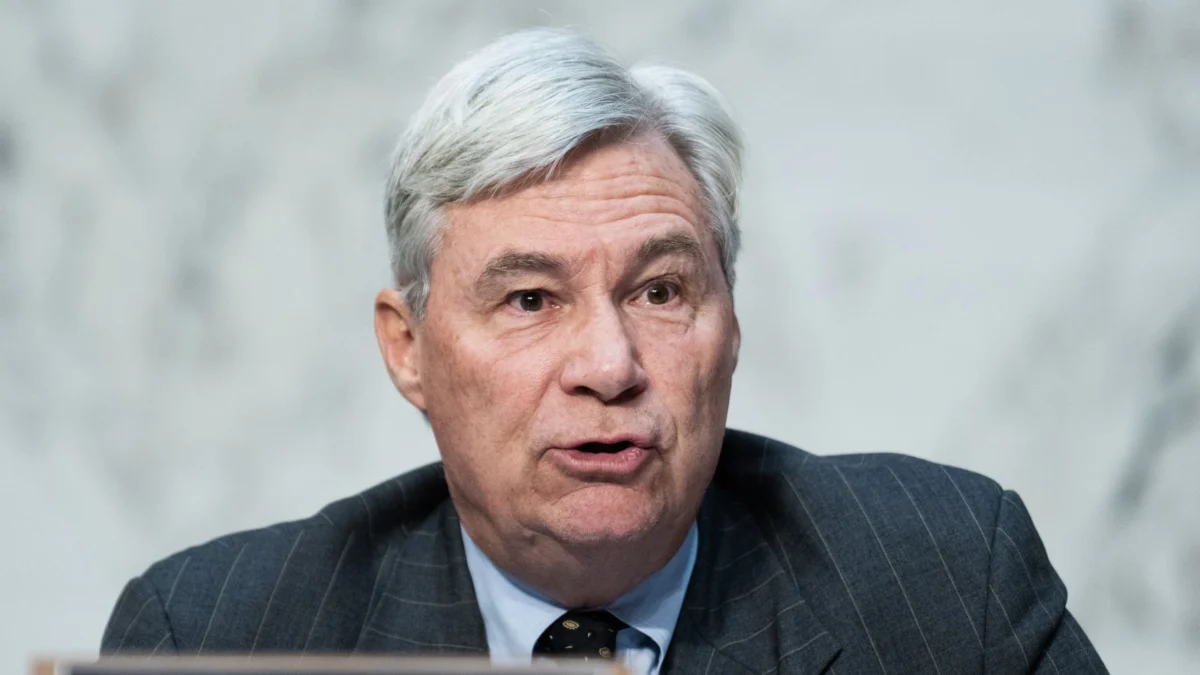
"I appreciate very much what the Trump administration has done to move in this direction, but in order to brief colleagues on what this really means, we need just a bit more clarity on exactly what return to regular order for wind and solar projects looks like," Senator Sheldon Whitehouse, the top Democrat on the Senate Environment and Public Works Committee and a core negotiator, told reporters. "So that’s still to be done, but that I think can happen in fairly short order."
Environmental organizations, such as the Natural Resources Defense Council, have urged lawmakers to streamline clean energy deployment without dismantling bedrock environmental protections like the National Environmental Policy Act. However, facing the sheer velocity of the power-demand crisis, pragmatic Democrats are actively weighing compromises on environmental reviews to ensure grid reliability and accelerate zero-emission energy.
Ultimately, logistical constraints and the impending midterm elections have forced negotiators to adjust their timelines. According to reports from Capitol Hill, senators intend to continue refining the legislative framework during the upcoming congressional recess, positioning the bill for a more concerted push after the elections.
As the legislative debate pauses momentarily, the fundamental challenges facing the nation remain unchanged. Whether Congress can successfully reconcile the intense power demands of the technological revolution with the political realities of voter sentiment and environmental protection will determine the trajectory of American economic and energy infrastructure for decades to come.