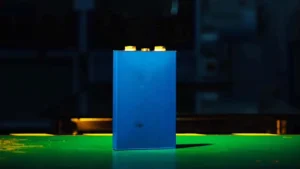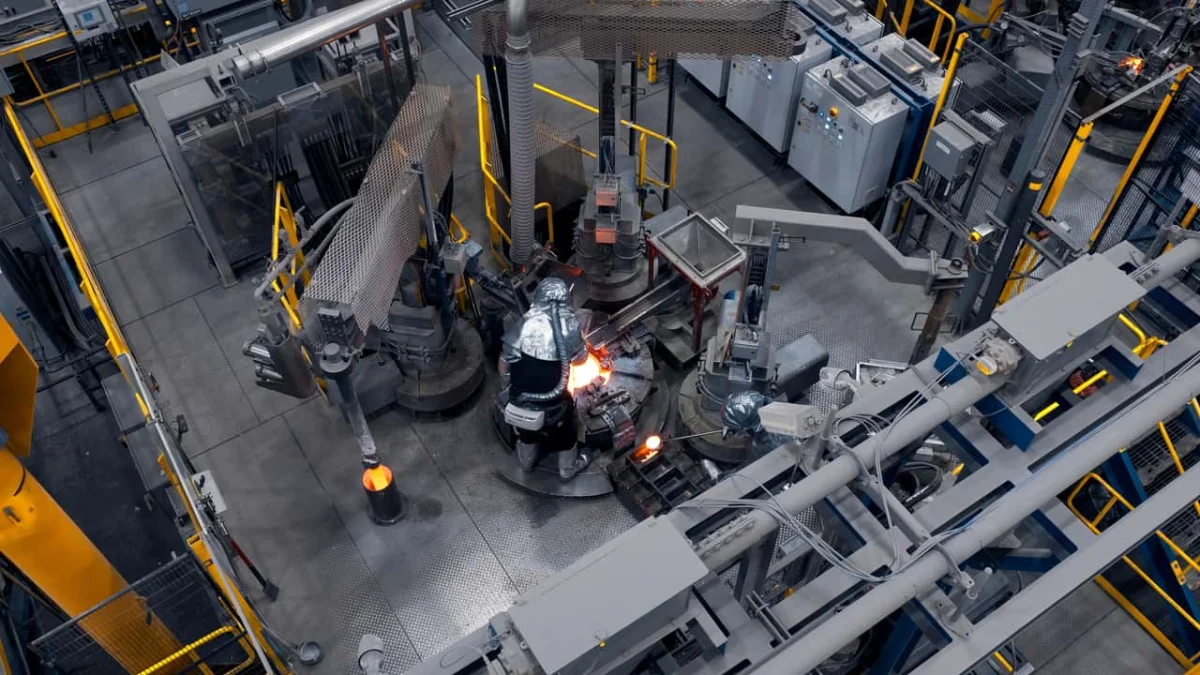
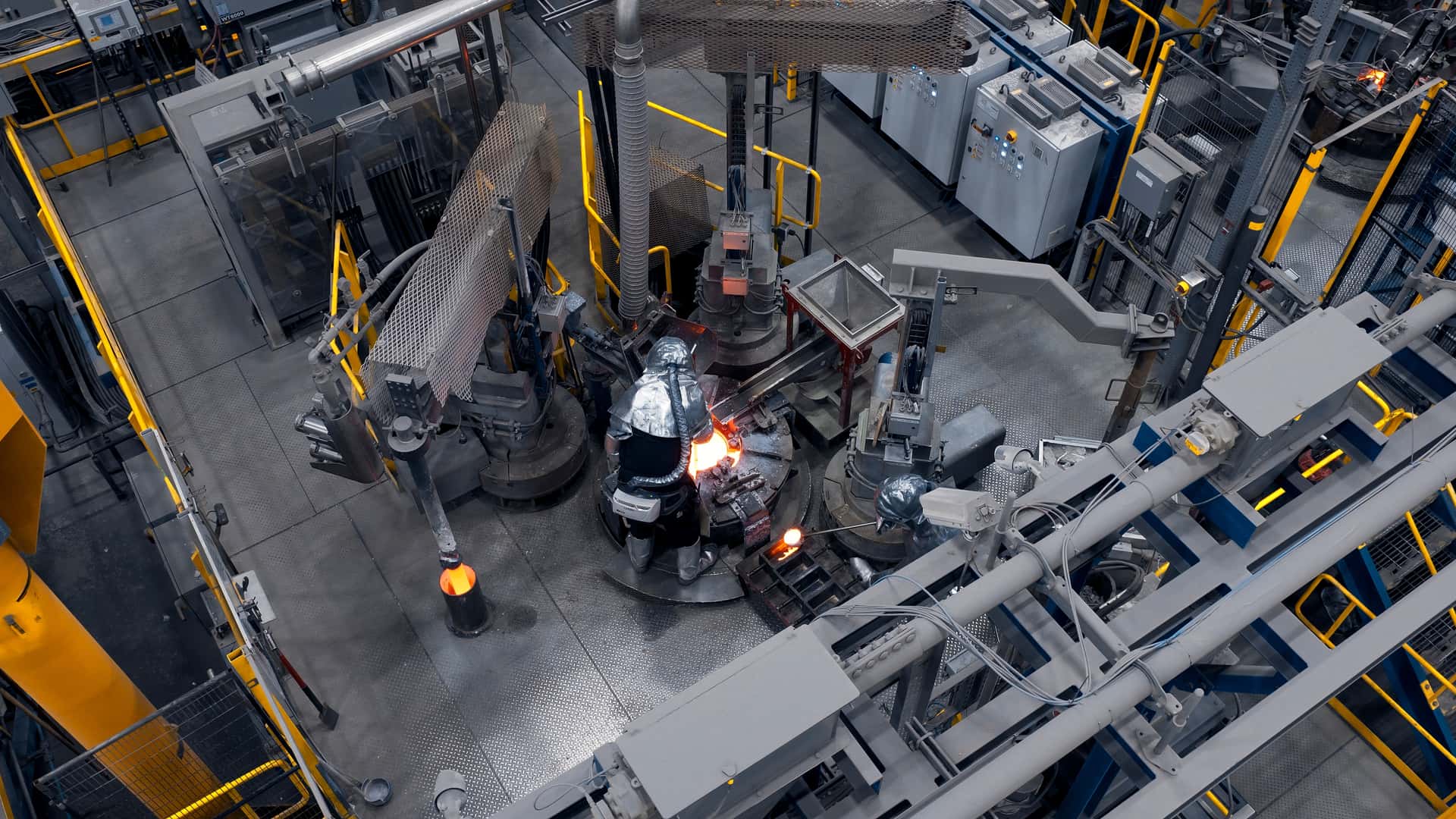
Inside the sprawling Independence facility in Fort Worth, Texas, the atmosphere is a study in industrial precision. Employees in specialized thermal protective gear navigate a high-heat environment where temperatures routinely climb above 1,000 degrees Celsius, tending to equipment that represents the vanguard of a massive, government-backed effort to reclaim a vital piece of the American industrial supply chain. On a central inspection table, the disassembled electric motor of a Cadillac Vistiq sits under sterile white lighting, its rotor laid bare to reveal the tiny, metallic components that serve as the heartbeat of modern electric vehicles: rare earth magnets.
These magnets, each roughly the size of a miniature Hershey’s bar, possess a surprising heft and a smooth, polished finish. While they appear unassuming, they are perhaps the most strategic objects in the modern global economy. Neodymium-iron-boron (NdFeB) magnets are the essential ingredients for the high-torque, high-efficiency traction motors that define the performance of electric vehicles. Beyond the automotive sector, these materials are indispensable to the production of advanced fighter jets, missile guidance systems, consumer electronics like iPhones, and critical medical diagnostic equipment.
The current challenge, however, is a profound geopolitical imbalance. According to data from the International Energy Agency (IEA), China controls approximately 49% of the world’s rare earth reserves and commands a significantly higher percentage of the refining and processing capacity. This dominance has granted Beijing unprecedented leverage in trade disputes. The vulnerability of the U.S. supply chain was laid bare when, in response to sweeping tariff measures imposed by the Trump administration last year, China implemented strict export controls on rare earth magnets. The resulting disruption forced companies like Ford to temporarily halt production of the Explorer SUV due to critical shortages, illustrating just how precarious the reliance on foreign supply chains has become for American automakers.
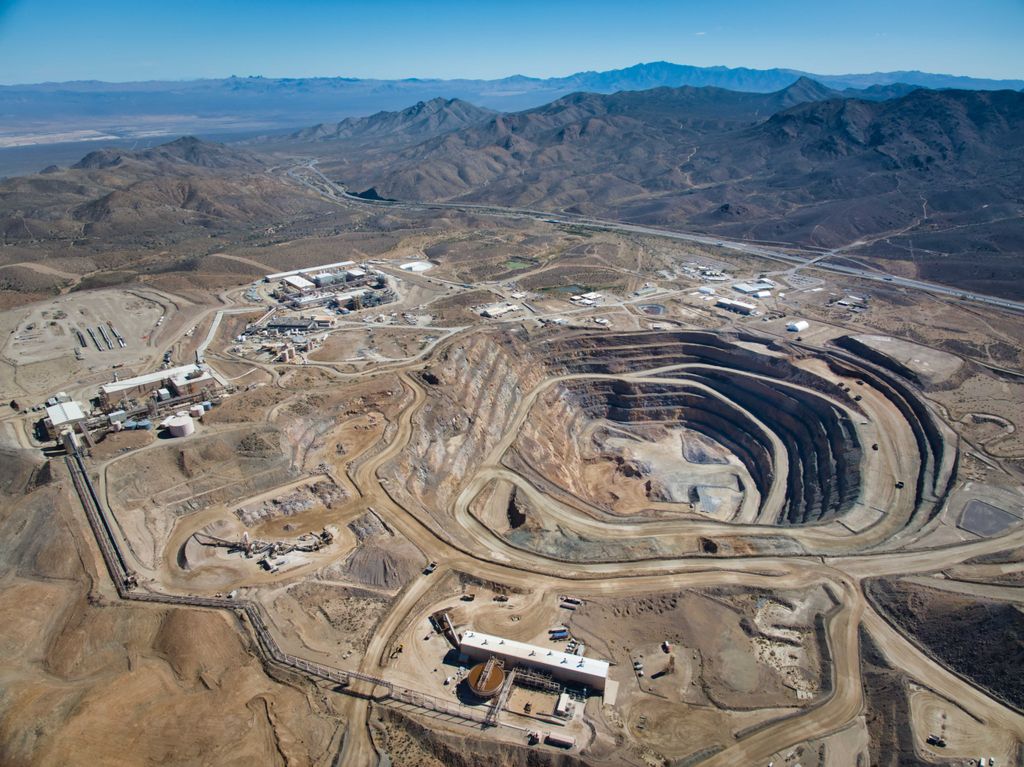
The path to independence for the U.S. automotive industry currently rests on the shoulders of MP Materials, a company attempting a feat of industrial resuscitation not seen in decades. MP Materials operates the Mountain Pass mine in California’s Mojave Desert, which is the only active rare earth mining and refining facility in the Western Hemisphere. By connecting the extraction capabilities of Mountain Pass with the processing and manufacturing infrastructure of the Fort Worth Independence factory, the company is building a vertically integrated, domestic supply chain designed to insulate manufacturers like General Motors from geopolitical volatility.
The Evolution of the Rare Earth Crisis
The urgency behind this transition is not a recent development, though it has been accelerated by current trade tensions. For GM, the strategy of domestic sourcing began in earnest following the global semiconductor shortage of 2021. That crisis served as a wake-up call for automakers, forcing a comprehensive audit of their supply chains to identify materials most susceptible to geopolitical bottlenecks. Lithium-ion batteries, semiconductors, and rare earth magnets were identified as the highest-risk categories.
Shilpan Amin, global chief supply chain and procurement officer at General Motors, noted during a media briefing at the Texas plant that the decision to prioritize U.S.-made magnets was a long-term strategic pivot. "We changed our strategy to buy where you build," Amin stated, highlighting the shift toward localizing production to mitigate the risk of supply shocks. This strategic alignment led to an offtake agreement between GM and MP Materials, signed while the Independence facility was still in its pilot phase.
The partnership is bolstered by the U.S. Department of Defense, which has entered into a multi-billion-dollar agreement with MP Materials to ensure that domestic rare earth magnets are available for defense applications. This public-private partnership is designed to foster a sustainable, long-term industrial base that can survive without relying on Chinese processing.
The Mechanics of Magnet Manufacturing
The process of converting raw earth into a high-performance magnet is an intricate display of advanced metallurgy. It begins at the Mountain Pass mine, where rare earth elements are extracted and then refined into neodymium-praseodymium (NdPr) oxide. This oxide, a fine, powder-like substance, is transported to the Fort Worth facility.
At the Independence plant, the manufacturing process employs sophisticated techniques such as hydrogen decrepitation and grain boundary diffusion. The oxide is compressed into metallic bricks, which are subsequently broken down into particles resembling metal flakes. These are then converted into a fine powder and compressed into dense magnetic blocks under precise pressure and temperature conditions. The final stage involves cutting, shaping, and applying specialized coatings to the magnets.

While rare earth elements provide the essential magnetic properties, they typically constitute only about 25% to 30% of the finished magnet, with iron making up the remainder. This technical complexity explains why the U.S. lost its initial edge; over the past thirty years, the specialized knowledge required for this level of metallurgy migrated largely to China. MP Materials is currently working to close that gap, with plans to produce one million magnets per day at the Fort Worth facility.
A Historic Context: From Discovery to Dependence
The story of Mountain Pass is a cautionary tale of American industrial decline. Discovered in 1949 by prospectors searching for uranium in the Mojave Desert, the site quickly became the world’s primary source of rare earths. For decades, the U.S. was the global leader in this sector, producing the materials that enabled everything from early color television screens to the first generation of permanent magnet motors.
The invention of the NdFeB magnet in 1982, a milestone achieved independently by researchers at General Motors and by Japanese engineer Masato Sagawa, was a high-water mark for American innovation. However, the subsequent decades saw a trend of off-shoring production. Owners of the Mountain Pass site, including Chevron at one point, faced financial difficulties and underinvestment, while China aggressively subsidized its domestic industry. By the time MP Materials purchased the bankrupt mine for $20.5 million in 2017, the global supply chain was firmly under Beijing’s control.
Future Implications and Economic Reality
While the progress at the Independence facility is significant, analysts from Benchmark Mineral Intelligence suggest that the U.S. has a long road ahead. Even with the ramp-up of domestic production, projections indicate that China will still account for roughly 86% of global rare earth supply by 2030, with the U.S. share expected to reach only 5%.
Furthermore, the economic challenge of domestic production remains a primary hurdle. As GM’s Shilpan Amin acknowledged, American-made magnets currently command a "premium" price compared to their Chinese counterparts due to the inefficiencies of a low-volume startup phase. The goal is to reach a scale where the unit cost becomes competitive through high-utilization operations.
"When operations are running at high utilization, that brings you down the affordability curve to get competitive," Amin explained. "On a fair and level playing field, this will beat anything else in the world."
The scale of the investment is significant, extending beyond the automotive sector. Apple has committed $500 million to the Independence facility to produce magnets made from recycled rare earth elements, and a new 1.2-million-square-foot facility is currently under construction in Northlake, Texas, to fulfill defense-related orders.
Conclusion
The effort to onshore the production of rare earth magnets is more than just a business endeavor; it is an attempt to reconstruct a critical industrial capability that was allowed to wither for decades. By integrating the Mountain Pass mine with the advanced manufacturing capabilities in Texas, the U.S. is attempting to insulate its most strategic industries—automotive, technology, and defense—from the whims of international trade policy.
While the current reliance on Chinese supply chains remains an acute vulnerability, the collaboration between private enterprises like MP Materials, major corporations like GM and Apple, and the U.S. government represents a concerted, multi-year strategy to derisk the American economy. The road to total independence is long, and the path to cost-parity with foreign competitors is steep, but the opening of the Independence factory marks a definitive shift in the American industrial landscape, moving away from the era of outsourcing and toward a new, albeit challenging, model of localized, strategic manufacturing.