The contemporary automotive secondary market, dominated by peer-to-peer digital platforms such as Facebook Marketplace, continues to yield an eclectic mix of vintage preservation projects, eccentric modifications, and heavy-duty utility vehicles. A recent survey of regional listings across the northeastern United States highlights a diverse inventory ranging from mid-century art cars and rally-tribute motorcycles to imported Japanese sedans and military-surplus armored personnel carriers. This assortment underscores evolving consumer interest in niche automotive preservation and bespoke customization, reflecting broader economic and cultural trends within the collector car community.
Mid-Century Preservation and Art Car Evolution
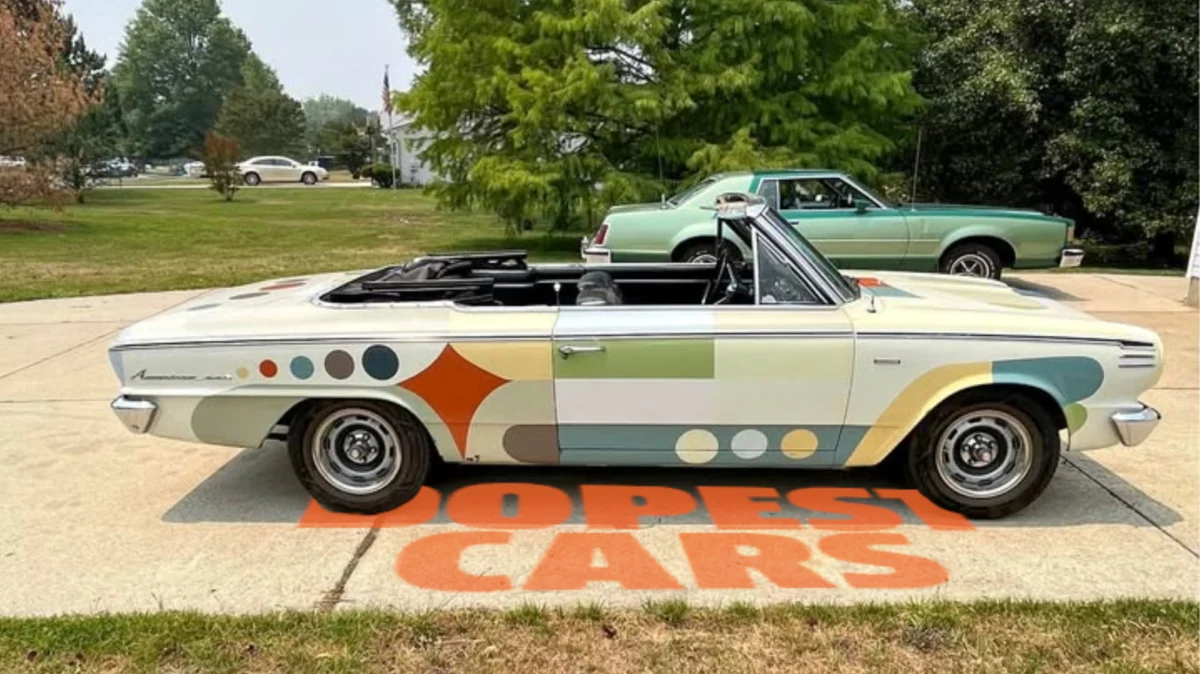
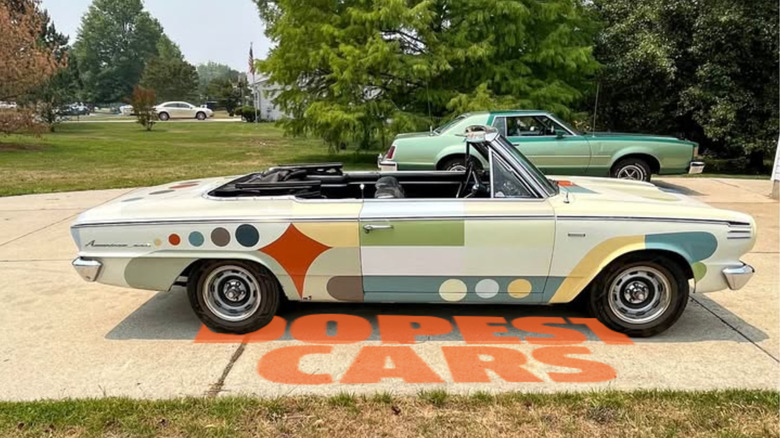
Among the standout listings is a 1965 AMC Rambler 440, priced at $13,500. This vehicle represents a distinct era of American automotive manufacturing under American Motors Corporation, which sought to capture market share through compact and practical design during the 1960s. According to the seller’s documentation, the vehicle underwent a comprehensive restoration during the 1990s following a period of deferred maintenance.
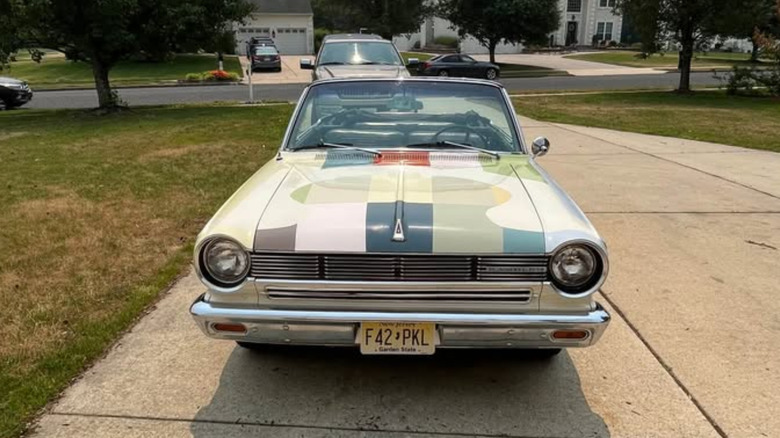
The Rambler features contemporary upgrades, including replacement shock absorbers and braking components, alongside the inclusion of a secondary convertible top. However, the vehicle’s defining characteristic is its multi-colored art car finish, shifting its classification from a standard factory restoration to a rolling piece of folk art. While mechanical systems such as the onboard radio remain non-functional, the vehicle is verified to be in running and driving condition, appealing to collectors interested in rolling sculptures rather than concours-grade restorations.
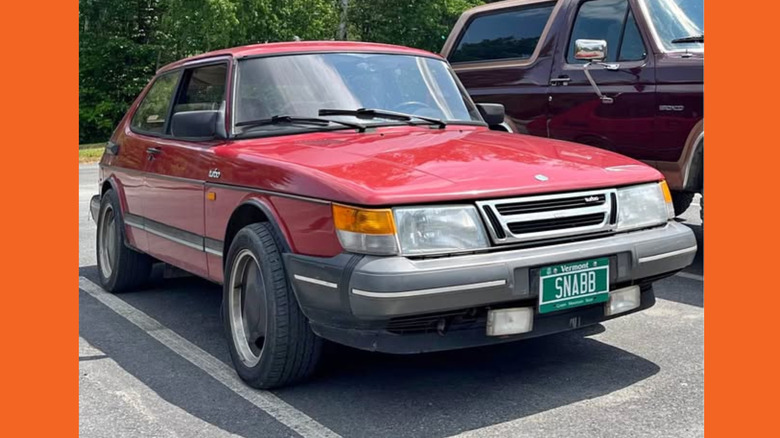
Similarly rooted in the heritage of the late 20th century is a 1990 Saab 900 Turbo, listed at $5,000. Representing the quintessential Swedish engineering ethos of Trollhättan before the brand’s eventual dissolution, this hatchback model retains the iconic turbocharged inline-four engine configuration that defined Saab’s performance identity. The listing notes that the vehicle is nearly rust-free—a notable preservation milestone for automobiles originating from the Northeast, where winter road salting frequently compromises structural integrity. The vehicle’s presence on regional plates highlights the enduring cult following of classic Saab models, which have seen a resurgence in valuation among enthusiasts valuing analog driving dynamics and distinctive aerodynamic styling.
Customization and Tribute Engineering
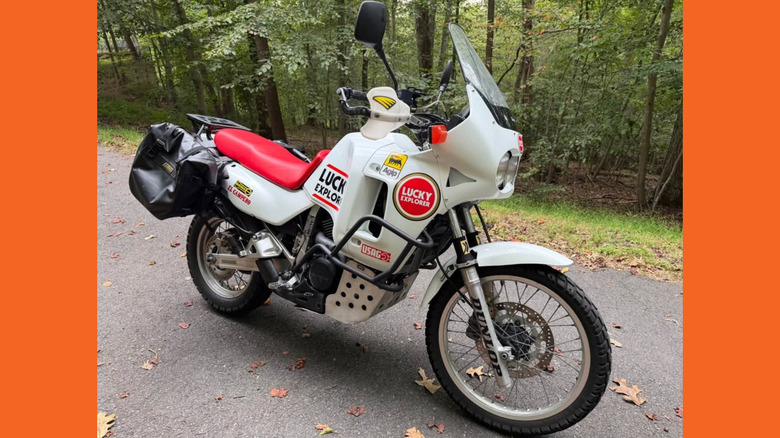
The market for specialized modifications is further illustrated by a pair of distinctive two-wheeled and four-wheeled builds. A 1989 Honda Transalp, offered at $5,500, has been modified as an Africa Twin tribute. Utilizing the foundational frame and engine of the Transalp dual-sport motorcycle, the builder integrated fuel tanks, suspension components, and body panels sourced from the larger Africa Twin model to replicate the aesthetics of Honda’s legendary Dakar Rally competitors. Industry analysts note that while such aesthetic and mechanical conversions are rarely executed on a commercial scale, they reflect a dedicated subculture of motorcycle enthusiasts prioritizing bespoke Dakar styling over factory-stock configurations.
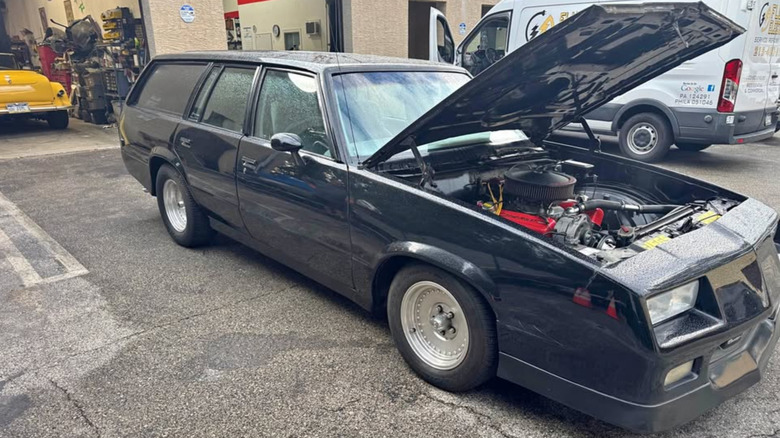
On four wheels, a 1983 Chevrolet Malibu station wagon demonstrates the popular American hot-rodding tradition of engine and cosmetic swapping. Priced at $7,500, the wagon features a 355-cubic-inch small-block Chevrolet V8 engine paired with a Ford 9-inch differential, alongside interior and exterior trim components harvested from a Chevrolet Camaro Z/28. Despite some incongruities noted in the vehicle’s specification—such as a non-limited-slip differential configuration and heavily blacked-out rear glazing—the build exemplifies the enduring appeal of the GM G-body platform as a versatile canvas for custom performance configurations.
Import Market Dynamics and Modern Classics
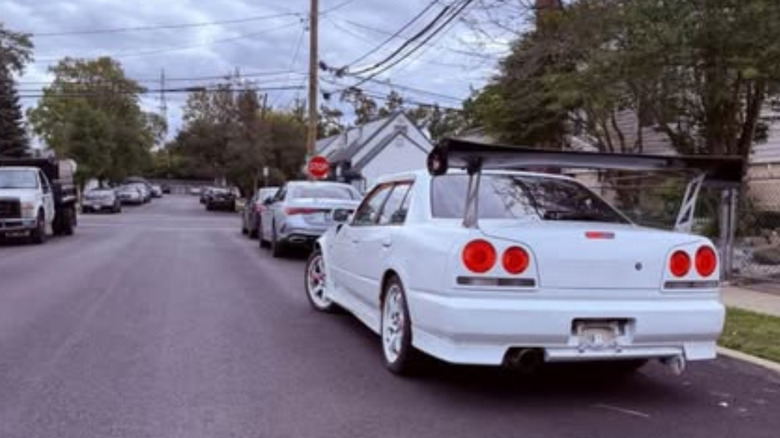
The demand for gray-market imports remains robust, evidenced by the listing of a 1998 Nissan Skyline sedan priced at $21,000. While not bearing the legendary GT-R moniker or coupe body style associated with the model’s highest-tier performance variants, this four-door sedan features the coveted RB26 engine architecture. Market specialists observe that four-door Skyline variants offer a more accessible entry point for enthusiasts seeking classic Japanese performance engineering without the inflated valuations commanded by GT-R models. This listing highlights the increasing normalization and legal importation of Japanese Domestic Market (JDM) vehicles under the United States 25-year import rule, shifting perceptions of sedans within the tuning community.
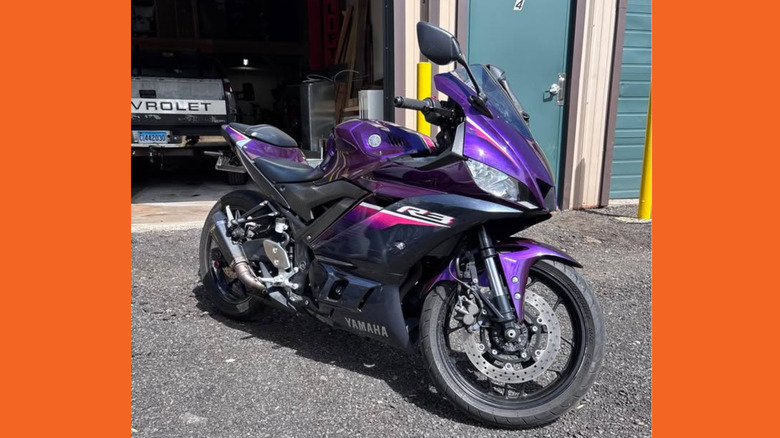
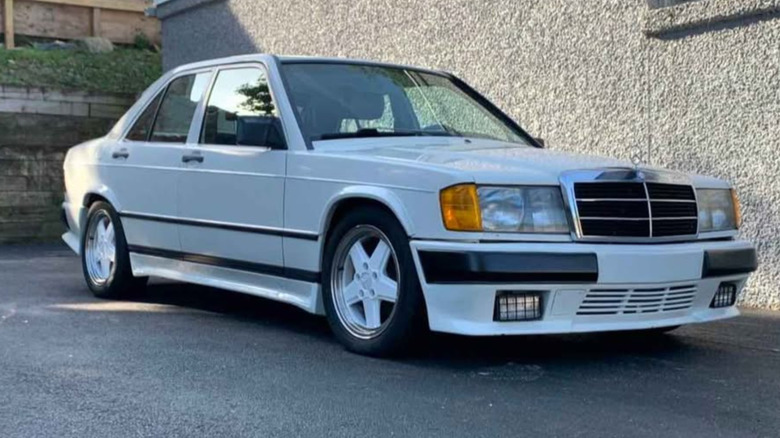
Complementing the import sector is a European market classic: a 1984 Mercedes-Benz 190E, listed at $11,000. This compact executive sedan has been outfitted with a period-correct AMG body kit, color-matched factory alloy wheels, and European-specification lighting assemblies. Powered by Mercedes-Benz’s robust mechanical engineering from the 1980s, the vehicle requires minor cosmetic and maintenance attention, such as an accessory belt adjustment. The listing underscores the enduring desirability of the W201 chassis as a reliable, stylish daily driver for enthusiasts navigating urban environments.
Heavy Utility and Surplus Vehicles
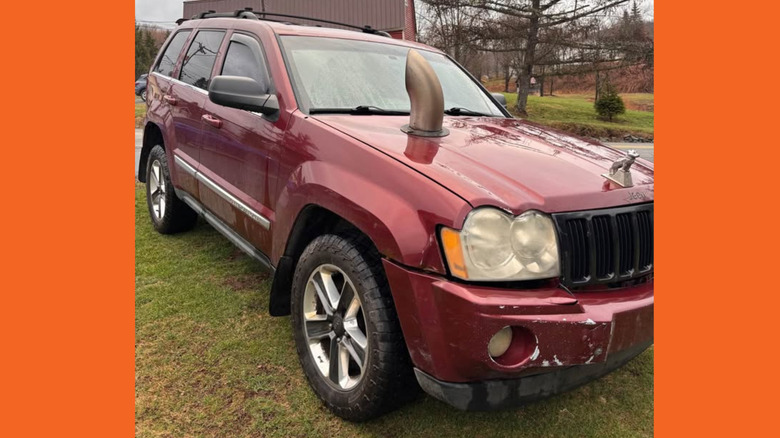
At the extreme end of the marketplace spectrum are heavy-duty utility and military-surplus vehicles, which cater to specialized collectors and prepper demographics. A 2007 Jeep Grand Cherokee, modified with a Mercedes-Benz turbodiesel engine producing a claimed 320 horsepower and 480 lb-ft of torque, is offered at $4,000. The vehicle features a custom hood-exit exhaust configuration designed to accommodate the high-output diesel powerplant, illustrating a convergence of modern utility platforms and custom diesel performance modifications.
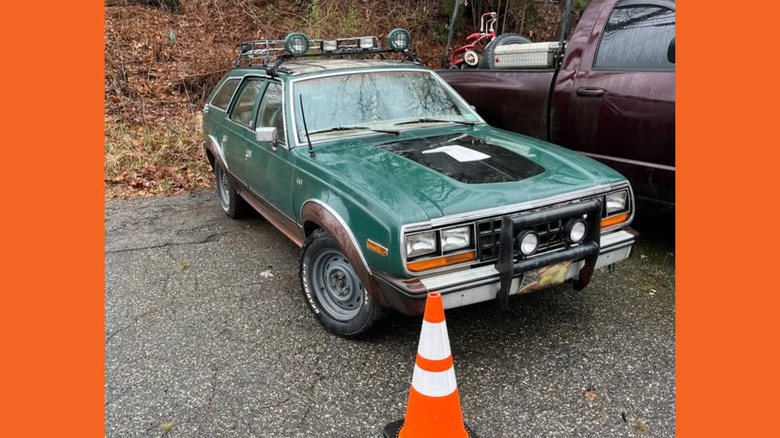
For buyers seeking maximum structural protection, a 1982 Spartan FV103 Armored Personnel Carrier (APC) is available for $79,999. Originally developed for military service, tracked armored vehicles of this classification occasionally enter the civilian market through specialized surplus brokers. These listings attract niche collectors interested in heavy military hardware, offering fully articulated track systems and heavy-gauge steel plating that far exceed the utility requirements of conventional civilian transport.
Market Implications and Future Outlook
The breadth of these online marketplace listings indicates a resilient and highly diversified collector car market. While pristine, investment-grade vehicles continue to command high prices at traditional auction houses, peer-to-peer digital platforms provide an accessible marketplace for projects, art cars, and utilitarian conversions. As vehicle manufacturing trends increasingly shift toward electrification and digital integration, the sustained demand for analog internal combustion engines, bespoke modifications, and military-surplus hardware suggests that automotive individualism remains a driving force among modern enthusiasts.