The Physics of Seasonal Rubber
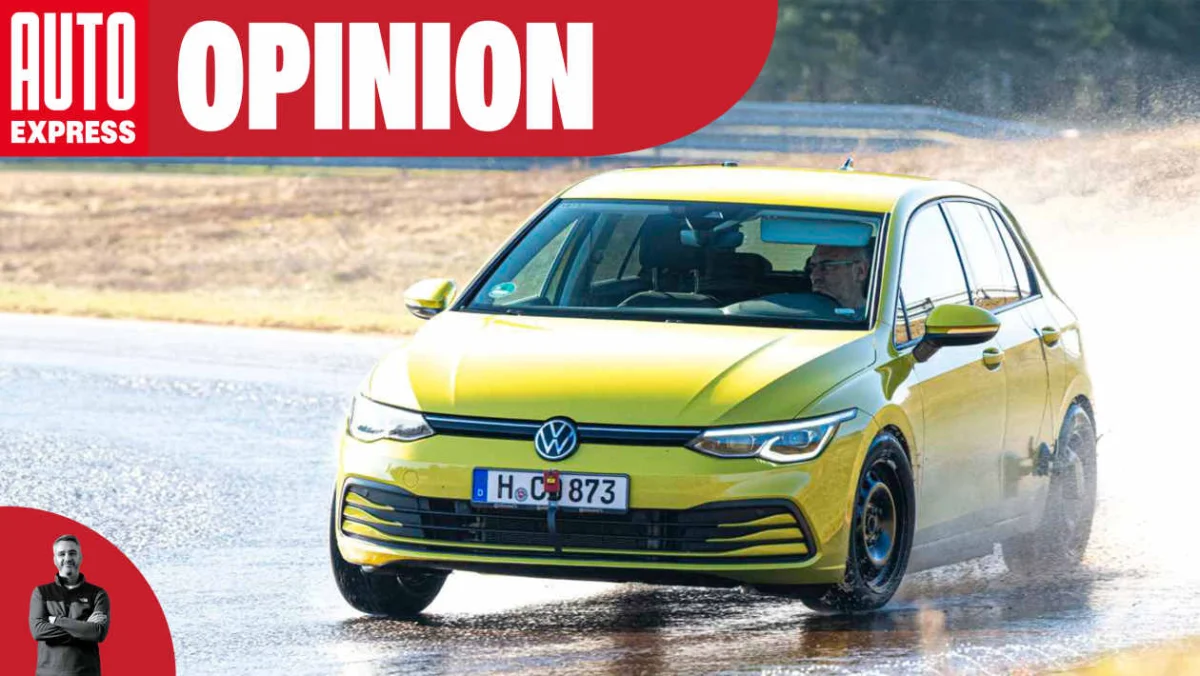
The performance of a tyre is fundamentally dictated by its chemical compound and tread pattern. Summer tyres are engineered with harder rubber compounds designed to remain stable under high-temperature conditions. As temperatures drop below 7°C, these compounds begin to harden, significantly reducing their ability to grip the road surface. This "glass transition" effect leads to increased braking distances and a loss of lateral stability during cornering.
Conversely, all-season tyres utilize a hybrid compound that remains pliable in cold weather while maintaining sufficient rigidity to avoid rapid degradation during warmer spells. Furthermore, their tread patterns incorporate a higher density of "sipes"—small slits in the tread blocks—which act as biting edges on cold, damp, or icy surfaces. This design evolution has rendered the "summer-only" mentality increasingly obsolete for the average British motorist who faces unpredictable, temperate weather patterns rather than extreme, consistent climates.
Chronology of the Seasonal Shift
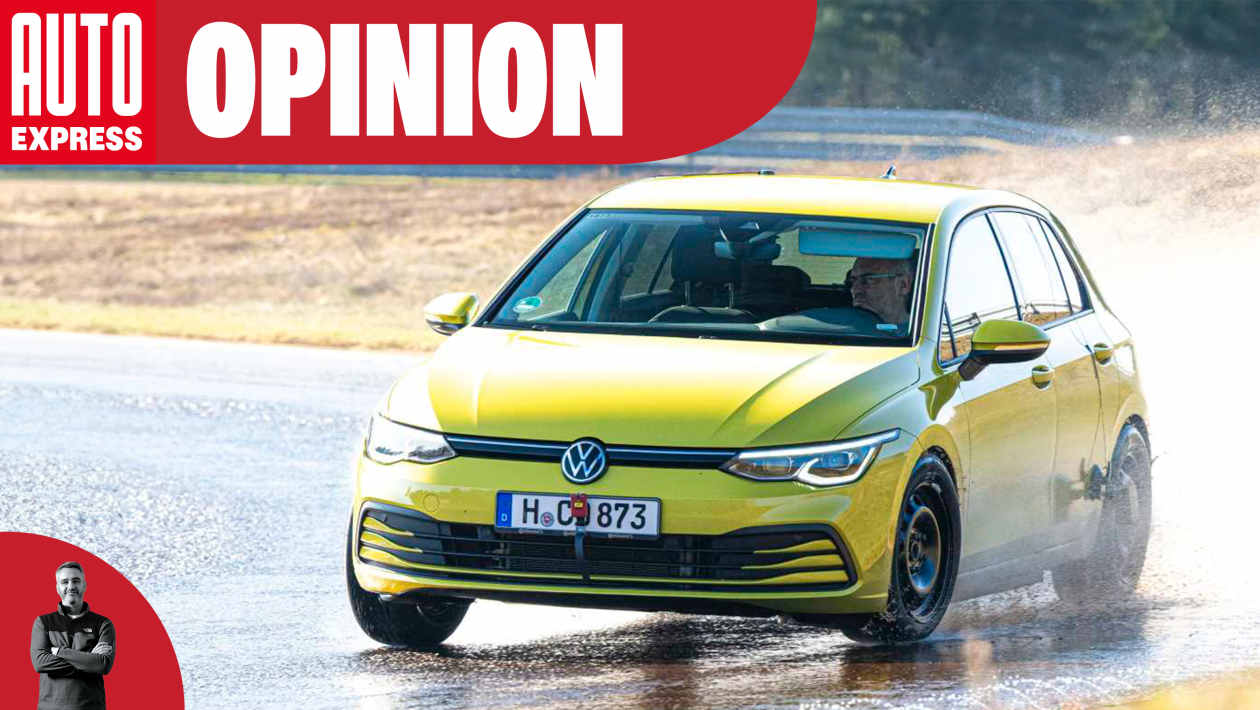
The debate regarding seasonal tyre adoption in the UK follows a well-documented trajectory. Historically, the UK market has been dominated by summer tyres, with a negligible percentage of drivers opting for winter-specific sets.
- 2015-2018: The rise of the "All-Season" category begins, with major manufacturers like Goodyear, Michelin, and Continental investing heavily in R&D to bridge the gap between dedicated summer and winter tyres.
- 2020: A marked increase in interest occurs as pandemic-related travel patterns shift, leading to more "staycation" driving during winter months.
- 2023-2025: Insurance data begins to reflect the correlation between tyre maintenance and collision frequency during the Q4 and Q1 periods, prompting calls from groups like the RAC and TyreSafe for better public education.
- September 2026: Current industry consensus moves toward the standardization of all-season tyres as the default choice for the UK’s primary fleet and family vehicles.
Comparative Data and Safety Implications
According to recent data from the RAC and independent automotive testing bodies, fewer than 10 per cent of UK drivers proactively switch their tyres for the winter months. This is in stark contrast to countries such as Germany, Austria, and Sweden, where seasonal tyre mandates are legally enforced.
In controlled testing environments, the performance disparity is stark. A vehicle equipped with high-quality all-season tyres can see a reduction in braking distance of up to 20 per cent on wet, cold roads compared to a vehicle on worn summer tyres. When temperatures drop below the 7°C threshold, the risk of a "skidding" incident increases by approximately 15 per cent for those relying on summer rubber with low tread depth. The legal minimum tread depth in the UK remains 1.6mm across the central three-quarters of the tyre; however, safety experts argue that this is insufficient for effective water displacement in winter conditions, recommending a minimum of 3mm for optimal performance.

Industry and Regulatory Perspectives
While the UK Department for Transport has not moved toward a legislative mandate for winter tyres, there is a growing consensus among automotive stakeholders that consumer education is the preferred path. Manufacturers argue that the "all-season" category has reached a level of maturity where the performance penalty in summer is now negligible, making the switch a "fit and forget" solution for the vast majority of drivers.
Automotive safety advocates suggest that the financial outlay for a set of all-season tyres—often perceived as a significant barrier—is offset by the extended lifespan of the tyres, as they are not subject to the extreme hardening and cracking associated with using summer tyres in freezing conditions. Furthermore, by rotating two sets of tyres (summer and winter), the overall rate of wear is spread over a longer period, potentially providing a neutral long-term cost profile.
The Technological Integration of Modern Vehicles
Modern vehicle architecture also plays a vital role. The surge in popularity of 4x4s and SUVs, equipped with sophisticated all-wheel-drive (AWD) and traction control systems, often provides a false sense of security. While AWD systems excel at putting power down, they offer no advantage in braking or cornering; in these scenarios, the physical interface of the tyre becomes the sole arbiter of safety.

Industry analysts note that as electric vehicles (EVs) become more prevalent, the importance of tyre choice is further amplified. EVs generally possess higher kerb weights due to battery mass and deliver instant torque, both of which place greater demands on tyre compounds. As manufacturers continue to refine electric platforms, the adoption of all-season or winter-rated tyres is being integrated into the recommended maintenance schedules for new vehicle owners.
Economic and Environmental Impact
The broader implication of widespread all-season tyre adoption extends to insurance premiums and road congestion. Fewer collisions during the winter months directly correlate to lower insurance claim volumes, which could theoretically stabilize premium costs. Additionally, the reduction in minor accidents during the first frost or rainfall of the season would significantly improve traffic flow on major arterial roads, preventing the gridlock often caused by stranded or crashed vehicles.
From an environmental standpoint, the focus is shifting toward "sustainable mobility." Many tyre manufacturers are now utilizing bio-based materials and recycled rubber in their all-season ranges to improve the sustainability credentials of the product. By providing a tyre that performs across a wider temperature range, the industry is also reducing the volume of manufacturing required to support seasonal swapping, as consumers are less likely to discard tyres that are not fit for purpose in specific conditions.

Strategic Recommendations for Motorists
For the average driver, the strategy should be proactive rather than reactive. Waiting for the first snowfall is often too late, as demand typically outstrips supply, leading to lengthy waiting times at fitting centres.
- Assess Tread Depth: Before the temperatures drop, use a gauge to ensure all tyres are well above the 1.6mm legal limit, ideally at 3mm or higher.
- Monitor Temperature Trends: Once local morning temperatures consistently fall below 7°C, the window for switching to all-season rubber is open.
- Check Pressure and Alignment: Cold air causes tyre pressure to drop; ensuring correct inflation is critical for the tyre to maintain its designed contact patch.
- Consult Manufacturer Guidance: Always verify the correct speed and load ratings for your specific vehicle make and model, as these remain critical even when switching to all-season alternatives.
Conclusion
The transition to all-season rubber represents a significant step toward modernizing UK road safety standards. While the UK lacks the extreme alpine conditions of its continental neighbours, the combination of high-density traffic, variable road surfaces, and increasingly volatile weather patterns makes the case for specialized rubber compelling. As motorists look toward the winter months, the decision to invest in tyre technology that bridges the seasonal gap is not merely a luxury for the performance-focused driver, but a vital component of responsible vehicle maintenance. By treating tyre safety with the same rigor as vehicle servicing or MOT compliance, drivers can ensure a higher level of protection for themselves, their passengers, and other road users.