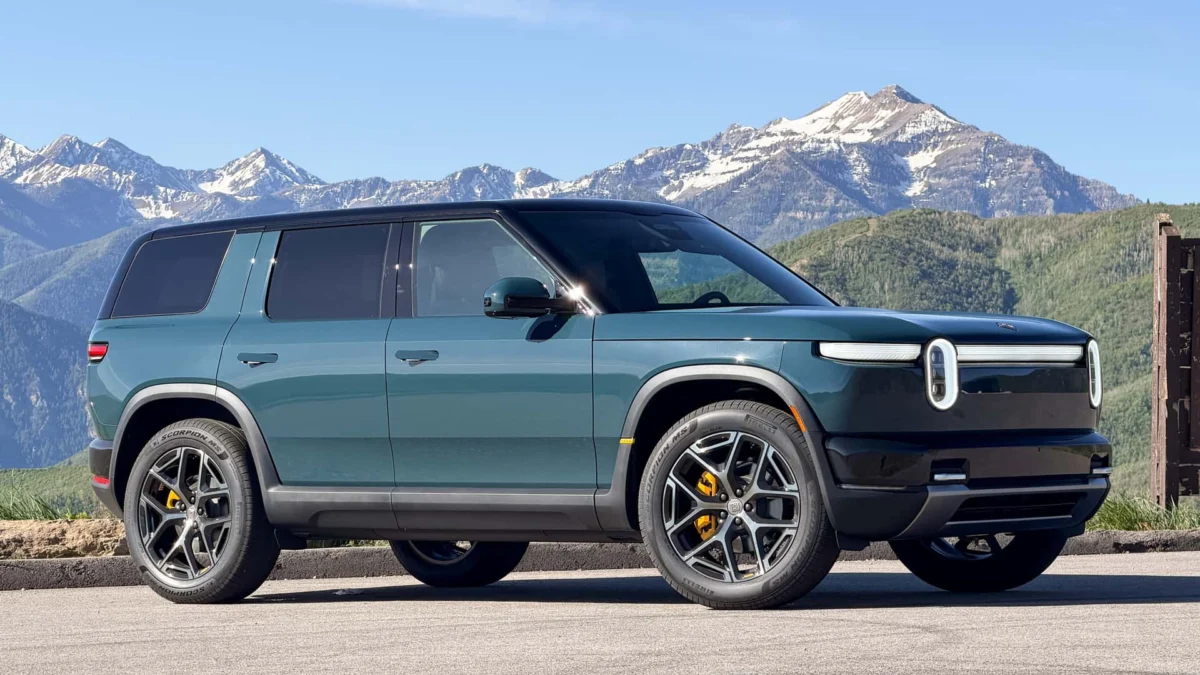
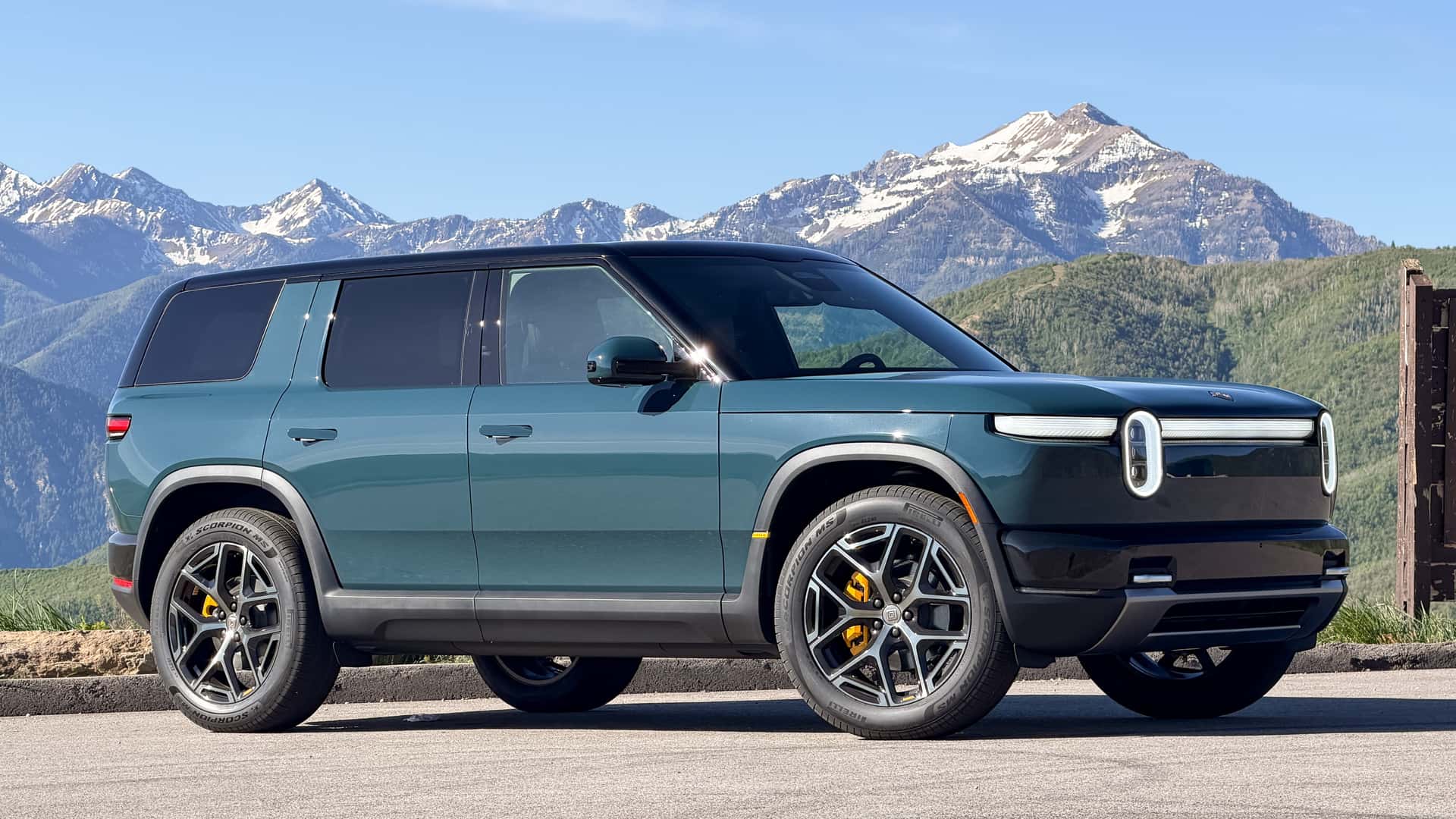
The Rivian R2 has officially cemented its status as the cornerstone of the California-based electric vehicle manufacturer’s growth strategy, emerging as the company’s best-selling model just months after the commencement of initial deliveries. According to the company’s third-quarter earnings report released this past Thursday, the midsize electric SUV has rapidly outperformed the legacy R1T pickup, the R1S SUV, and the specialized electric delivery vans (EDV) in terms of total volume between July and September. This surge in popularity signals a pivotal shift for the startup, which has long relied on its premium, high-cost R1 platform to establish its brand identity in a crowded EV market.
In light of this strong consumer reception, Rivian has revised its annual delivery guidance for the second time this year. The company has raised its baseline target from the previous range of 65,000–70,000 units to a more ambitious 67,000–70,000 vehicles. This adjustment follows a record-breaking performance in the third quarter, during which the automaker successfully delivered 19,751 vehicles. The upward revision highlights a growing confidence within the executive team regarding their manufacturing ramp-up and supply chain stability.
A Strategic Pivot in Volume and Production
The success of the R2 is not merely a quantitative win; it represents a qualitative transition toward the "mass-market" segment that investors have been demanding since the company’s inception. By positioning the R2 as a direct competitor to the ubiquitous Tesla Model Y, Rivian is targeting a broader demographic that prioritizes value, efficiency, and everyday utility over the ultra-premium specifications of its earlier offerings.
During the earnings call, Rivian CEO RJ Scaringe emphasized that the R2 has exceeded internal expectations. "We had great results with R2 becoming our best-selling vehicle by volume in the third quarter," Scaringe noted. "Customer and media feedback on R2 has been exceptional."
To sustain this momentum, the company has officially initiated a second shift at its manufacturing facilities. This operational expansion is critical, as Rivian aims to reach a production run rate that can meet the growing order backlog. Interim CFO Derek Mulvey confirmed that the company anticipates the majority of its remaining deliveries for the year will consist of R2 models, a clear indication that the vehicle is now the primary engine of the company’s assembly line.
Financial Performance and the Path to Profitability
Rivian’s financial results for the third quarter reflect a complex picture of rapid growth tempered by the harsh economic realities of scaling an automotive startup. The company reported $2.1 billion in revenue, representing a 38% increase compared to the same period in the previous year. This revenue growth was driven by a combination of higher delivery volumes, a robust contribution from regulatory credits, and a significant expansion in the company’s software and services division.
The software and services segment, in particular, saw a 45% growth in revenue, reaching $605 million. Much of this growth is attributed to the strategic partnership with the Volkswagen Group, which has provided both capital and technical collaboration opportunities. Despite these gains, Rivian remains in a capital-intensive phase. The company reported a net loss of $913 million for the quarter. While this figure is substantial, it marks a significant improvement from the $1.17 billion loss reported during the third quarter of the prior year, suggesting that the company is effectively managing its "burn rate" as it scales.
The overarching goal for Rivian is to achieve a positive automotive gross margin by the end of the current year. Management believes that the R2’s production ramp is the essential catalyst for this turnaround. By achieving economies of scale and streamlining manufacturing processes, Rivian hopes to move away from the high per-unit costs that have historically hindered its profitability.
The Technological Horizon: Autonomy and Beyond
Beyond the immediate success of the R2, Rivian is aggressively investing in its technological roadmap. Central to this strategy is the development of its advanced driver assistance system, branded as Autonomy+. This system is designed to challenge incumbents like Tesla’s "Full Self-Driving (Supervised)" software. Currently, Autonomy+ offers hands-free highway driving and automated lane changes, but the company’s ambitions extend into point-to-point urban navigation. A limited release of these advanced capabilities is slated for the end of this year.
To bolster these efforts, Rivian recently completed the acquisition of Third Dimension, a U.K.-based startup specializing in synthetic data. This technology is instrumental in training machine learning models for autonomous vehicles, allowing developers to simulate complex driving scenarios that are difficult or dangerous to capture in real-world testing.
Furthermore, the company has secured a long-term partnership with Uber to supply up to 50,000 robotaxis starting in 2028. This deal underscores Rivian’s intent to play a significant role in the future of mobility-as-a-service, moving beyond the traditional model of personal vehicle ownership. The R2 platform is expected to provide the technological foundation for these future autonomous deployments, as well as the upcoming R3 and R4 models, which are intended to round out the brand’s product portfolio.
Market Context and Challenges
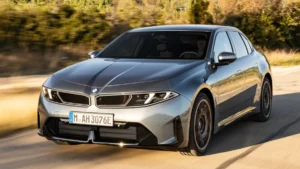
While the news of the R2’s success is overwhelmingly positive, the competitive landscape remains fierce. The electric vehicle market is currently experiencing a period of price volatility and shifting consumer demand. While the R2 is currently performing well, it faces intense pressure from established competitors, such as the BMW iX3 and various models from Hyundai and Kia, which are also competing for the midsize electric crossover segment.
Analysts note that Rivian’s ability to maintain this pace will depend largely on its ability to navigate potential supply chain bottlenecks and interest rate volatility. The company’s reliance on regulatory credits is also a factor to watch; as more automakers increase their own EV production, the market for these credits may shrink, requiring Rivian to rely more heavily on vehicle margins to drive profitability.
However, the rapid adoption of the R2 suggests that Rivian has successfully transitioned from a niche luxury manufacturer to a viable player in the broader automotive industry. By diversifying its offerings and doubling down on proprietary software, the company is building a defensive moat against competitors.
A Chronology of Progress
The trajectory of the R2 reflects a well-executed plan that began with high-level conceptualization and culminated in a rapid, successful launch.
- Initial Development: Rivian identified the need for a lower-cost, high-volume vehicle early in its product planning phase.
- Announcement: The R2 was unveiled to significant fanfare, capturing the attention of both the enthusiast market and potential mass-market buyers.
- Production Ramp: Following the official launch earlier this year, Rivian focused on overcoming the "production hell" that has claimed other EV startups, successfully implementing a second shift in Q3 to meet demand.
- Revenue Milestone: The Q3 report validates this strategy, showing that the R2 has successfully overtaken older, higher-margin models in terms of sheer volume.
As the company looks toward the final quarter of the year, the focus will remain on the execution of the R2 ramp. If the current trajectory holds, Rivian may finally be on a clear, if still challenging, path toward sustained financial independence and a dominant position in the electric vehicle hierarchy.
The Road Ahead
The coming months will be critical for Rivian. The company must prove that the initial success of the R2 is not a short-term anomaly but a sustainable trend. The transition from a loss-making startup to a profitable manufacturer is the final hurdle in the company’s evolution. With a clear focus on the R2 as its flagship, an expanding software division, and a long-term commitment to autonomy, Rivian appears well-positioned to continue its climb in the global automotive market.
The reception of the R2 has confirmed that the market is hungry for the specific blend of rugged utility and modern technology that the Rivian brand offers. If the company can continue to deliver on its production promises while refining its autonomous capabilities, it is likely to remain one of the most significant disruptors in the automotive industry for the foreseeable future. The integration of the R2 into the broader ecosystem of the R3 and R4, coupled with the potential revenue from its autonomy-focused partnerships, paints a picture of a company that is not just surviving the current EV transition, but actively shaping it.