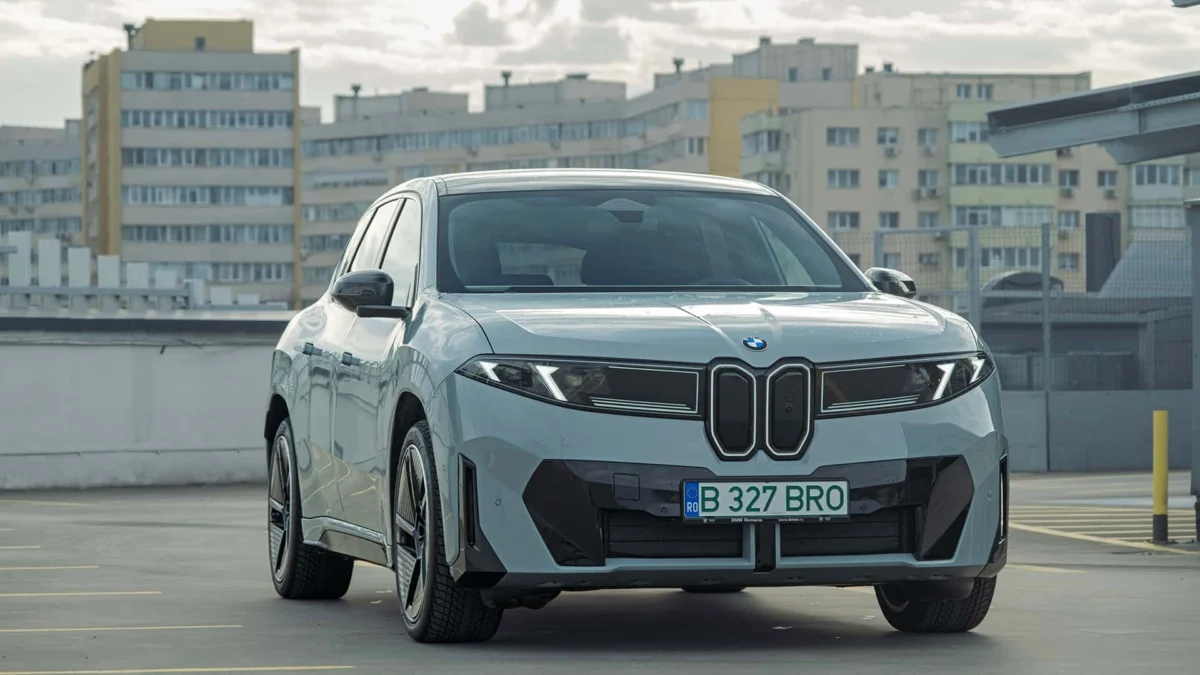
The enduring debate surrounding electric vehicle (EV) adoption continues to be dominated by the concept of "range anxiety." As consumers transition from traditional internal combustion engine (ICE) vehicles to battery-electric platforms, the unfamiliarity of charging infrastructure and the logistical shifts required for long-distance travel remain significant barriers. Because the majority of drivers have decades of experience with the refueling patterns of gasoline-powered vehicles, range is often the primary metric used to evaluate an EV’s viability. To address these concerns, a recent head-to-head comparison conducted by the automotive channel Chasing Cars provides a transparent look at how modern electric technology compares to high-performance combustion powertrains under identical real-world conditions. By pitting the battery-electric BMW iX3 50 xDrive against the mild-hybrid, turbocharged BMW X3 M50 xDrive, the test offers a granular look at the trade-offs between current automotive propulsion technologies.
The Methodology of the Real-World Road Test
The comparative trial, which took place along a long-distance route from Sydney to Byron Bay, Australia, was designed to mimic the typical behavior of a private motorist rather than a controlled laboratory cycle. The total distance covered was 459.8 miles (740 kilometers). To ensure data integrity, the researchers implemented strict controls: both vehicles were operated in their respective "Eco" drive modes, and climate control systems were set to their most efficient configurations. Furthermore, the drivers adhered to posted speed limits for the duration of the journey and performed necessary stops as required, ensuring that the results reflected the logistical realities of a standard road trip.
The baseline expectations for the test were established at the outset. When the journey commenced, the BMW iX3 50 xDrive projected an estimated range of 692 kilometers (430 miles), while the gasoline-powered BMW X3 M50 xDrive, equipped with a larger fuel reservoir and the inherent energy density advantage of gasoline, displayed an estimated range of 784 kilometers (487 miles). Despite the initial 92-kilometer deficit, early telemetry from the iX3 suggested that its energy efficiency was sufficient to potentially bridge the gap, provided the driving conditions remained favorable.
Technical Specifications and Powertrain Dynamics
Understanding the discrepancy in performance requires a deeper dive into the engineering philosophies of these two vehicles. The BMW X3 M50 xDrive represents the pinnacle of the traditional X3 lineup, featuring a 3.0-liter turbocharged inline-six engine paired with a 48-volt mild-hybrid system. This configuration produces 393 horsepower and 428 lb-ft of torque. While the M50 is engineered for performance, it is inherently "thirsty" due to its focus on power delivery, representing the upper echelon of the X3’s consumption profile until the arrival of a full-fledged M variant.
Conversely, the iX3 50 xDrive is a pure battery-electric vehicle, delivering 463 horsepower and 476 lb-ft of torque. It is, by most objective measures, the more powerful vehicle in the segment. The challenge, however, lies in the energy density of the lithium-ion battery pack versus the hydrocarbon fuel. Even with the superior efficiency of an electric motor—which converts a much higher percentage of stored energy into kinetic energy compared to the thermal losses seen in an ICE vehicle—the weight and capacity constraints of the battery pack impose limitations that simply do not exist in the same way for a gasoline engine.

Chronology of the 740-Kilometer Journey
The journey began with the iX3 showing a 430-mile estimate, which fell short of the 459.8-mile destination. This created an immediate psychological tension: could the vehicle’s regenerative braking and high-efficiency power management compensate for the initial deficit?
As the vehicles navigated the Australian landscape, the data showed a consistent trend. The combustion-powered X3 M50, while less efficient in energy conversion, utilized the dense energy storage of its fuel tank to maintain a comfortable lead. By the 30-kilometer mark, the X3 M50 continued to show a projected range of 487 miles, reflecting the relative stability of its fuel-consumption rate during highway cruising.
The iX3, however, demonstrated a remarkable ability to exceed its own manufacturer’s projections. As the miles accumulated, the EV’s regenerative systems captured energy during deceleration, particularly on undulating terrain. This "recouping" effect is a major differentiator between EVs and ICE vehicles. While a combustion engine loses energy as heat during braking, the EV effectively extends its range through this process. By the end of the 740-kilometer trek, the iX3 had achieved an impressive real-world range of 747 kilometers (464 miles), effectively outperforming its EPA-rated range of 434 miles by a significant margin.
Results and Comparative Analysis
The final tally revealed the limitations and the triumphs of both technologies. The iX3 fell just 23 kilometers (14.2 miles) short of reaching Byron Bay without an additional charge. In contrast, the X3 M50 not only arrived at the destination with ease but finished the trip with 332 kilometers (206 miles) of fuel remaining in the tank.
From a purely logistical standpoint, the X3 M50 was the clear victor. For a consumer who demands the ability to complete a 460-mile trip without planning a stop, the ICE vehicle remains the superior choice. However, the result for the iX3 is far from a failure. Achieving 747 kilometers on a single charge is an engineering feat that would have been considered impossible for a mainstream SUV just a few years ago. It demonstrates that for the vast majority of daily commutes and even most regional road trips, the iX3’s range is more than sufficient.
Implications for the EV Market
This comparison highlights a critical turning point in the automotive industry. The "range anxiety" that many consumers fear is increasingly becoming a mathematical calculation rather than an existential threat to the vehicle’s utility. As battery chemistry improves and charging infrastructure expands, the gap between the refueling frequency of ICE vehicles and the recharging frequency of EVs will continue to narrow.

Moreover, the test illustrates that the "winner" of a road trip is often defined by the specific use case of the driver. If a driver prioritizes absolute freedom from charging stops, the mild-hybrid M50 remains the gold standard. But for the driver who operates primarily in urban and suburban environments, or for those who utilize the rapidly expanding high-speed charging networks, the iX3 offers a compelling, high-performance alternative that provides massive, near-ICE-level range.
Future Considerations and Industry Response
Automotive manufacturers, including BMW, have signaled that the future of the X3 platform will be increasingly bifurcated. By offering both high-performance combustion variants like the M50 and high-capacity electric variants like the iX3, brands are hedging against the uneven global adoption of EV technology.
Industry analysts note that while tests like the Chasing Cars study are anecdotal, they are vital for public perception. They move the conversation away from abstract, often unrealistic, laboratory range ratings (such as the EPA or WLTP cycles) and toward tangible, "seat-of-the-pants" metrics. As these vehicles become more ubiquitous, the data suggests that the fear of running out of power is being replaced by a more nuanced understanding of how to manage vehicle energy, regardless of the powertrain.
Ultimately, the results of this 740-kilometer journey validate that both technologies are maturing rapidly. While the gas-powered engine retains a lead in pure endurance, the electric vehicle has reached a threshold of capability that makes it a viable, high-performance alternative for the long-distance traveler, provided they are willing to adapt their travel habits to the realities of the current charging ecosystem.