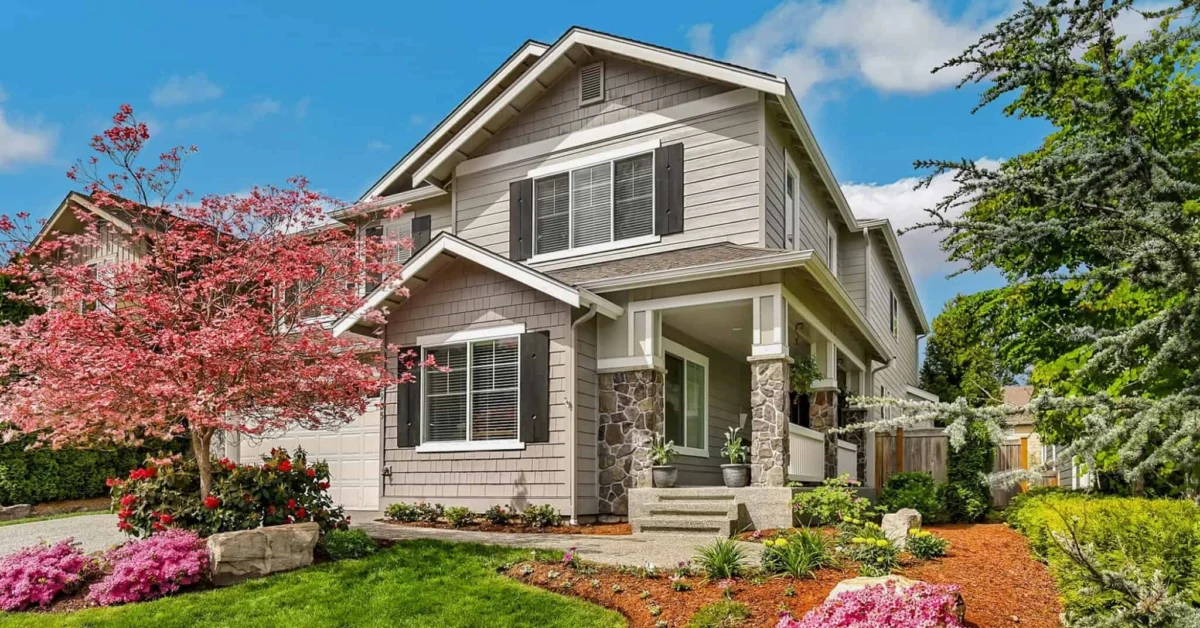
In the contemporary real estate market, the initial visual encounter between a prospective buyer and a property serves as a critical determinant of the transaction’s eventual success. This phenomenon, colloquially known as "curb appeal," encompasses the aesthetic and structural condition of a home’s exterior as viewed from the street. Industry data suggests that a well-maintained exterior does more than merely facilitate a welcoming atmosphere; it functions as a high-return investment strategy. According to the National Association of Realtors (NAR), property curb appeal can account for up to 7% of a home’s sale price, particularly in competitive markets where first impressions are solidified within seconds of arrival. Whether a homeowner is preparing to list a property in the temperate climate of South Burlington, Vermont, or the variable plains of Stillwater, Oklahoma, the principles of exterior optimization remain a cornerstone of effective residential asset management.
The Financial and Psychological Impact of Exterior Aesthetics
The economic rationale for enhancing curb appeal is supported by extensive market research. A study conducted by Michigan State University found that a home with professional landscaping can see a value increase of 5% to 11% compared to properties with neglected exteriors. Beyond the quantitative data, there is a profound psychological component to the home-buying process. Behavioral economists often cite "thin-slicing"—the human ability to find patterns in events based only on "thin slices," or narrow windows, of experience. When a buyer encounters a pristine driveway, manicured lawn, and updated fixtures, they subconsciously infer that the interior systems—such as HVAC, plumbing, and electrical—have been equally well-maintained. Conversely, a neglected exterior often triggers an immediate "maintenance deficit" mindset, leading buyers to lower their offers in anticipation of hidden repair costs.
The Chronology of a Potential Buyer’s Arrival
Expert analysis suggests that the evaluation of curb appeal begins long before a visitor reaches the threshold of the front door. The journey starts at the street level and follows a specific sequence of visual checkpoints. Megan Brenn-White, founder and CEO of Upstate Curious, emphasizes that the journey to the front door is as vital as the entry itself. To optimize this transition, homeowners must ensure that house numbers are clearly visible and aesthetically aligned with the home’s architecture. Mailboxes, gates, and entry pads must be clean and functional.
The condition of the driveway and parking areas represents the next phase of the chronology. Fresh gravel or newly sealed paving, complemented by intentional hardscaping and lighting, creates a narrative of care and attention to detail. This sequence establishes a "resort-like" experience that guides the buyer’s eye toward the primary focal point: the front entry.
Prioritizing Maintenance Over Cosmetic Upgrades
While decorative elements like seasonal flowers and modern doormats are visually appealing, they cannot mask underlying structural or maintenance issues. Real estate professionals advocate for a "maintenance-first" approach. This involves a rigorous assessment of the home’s envelope to ensure it is tidy, functional, and in good repair.
- Vegetation Management: Overgrown shrubs and trees not only obscure the home’s architectural features but can also pose risks to the roof and siding. Mowing the lawn, removing weeds, and clearing fallen debris are fundamental requirements.
- Surface Restoration: Pressure washing is one of the most cost-effective ways to revitalize a property. Removing years of built-up grime from siding, walkways, and patios can restore a home’s original luster without the expense of a full repaint.
- Structural Repairs: Visible damage, such as cracked walkways, loose railings, or peeling paint on trim and shutters, serves as a "red flag" for neglect. Addressing these issues early prevents them from becoming negotiation points during the inspection phase.
- Utility and Safety Checks: Ensuring that all exterior lighting is functional and that gutters are free of debris is essential. Clean gutters indicate to a buyer that the property is protected from water damage and foundation issues.
Strategic Landscaping for Immediate Value
Landscaping serves as the "soft" architecture of a property, bridging the gap between the natural environment and the built structure. Gigi Gallinghouse of McCarthy Group Realtors notes that a home’s exterior tells a story before the door ever opens. To craft a compelling narrative, homeowners should consider several high-impact, low-cost landscaping updates.
The application of fresh mulch is perhaps the most efficient way to provide an instant lift to flower beds, providing a clean, finished appearance that defines the landscape’s borders. Furthermore, the integration of seasonal greenery—specifically plants that are native to the local climate—ensures longevity and ease of maintenance. For instance, drought-resistant plants in Oklahoma or hardy perennials in Vermont demonstrate a thoughtful approach to regional environmental conditions.
The Front Entry: A Focal Point for Conversion
The front door is the primary point of physical contact between the buyer and the home. Melody Norris, owner and designer at Sandia Staging and Design, highlights that small changes in this area can yield disproportionate results. A fresh coat of paint in a sophisticated, contrasting color can make the entrance a standout feature. This should be paired with updated hardware—such as a modern handle set and a high-quality door knocker—to convey a sense of security and quality.
Complementary elements such as a new welcome mat, symmetrical potted plants, and clear, stylish house numbers complete the vignette. This "staged" entry allows buyers to pause and appreciate the home’s character before entering, building positive anticipation for the interior tour.
High-Impact, Low-Cost Upgrades and the Luxury Market
In the luxury real estate segment, the expectations for curb appeal are significantly higher. Pantea Bionki of Bionki Interiors suggests that swapping outdated light fixtures for contemporary designs is a high-impact detail that communicates "pride of ownership." For premium properties, the focus shifts toward "luxury-level" details that distinguish the home from standard listings.
Joseph Satto of the Fresh Air Team recommends professional landscaping tailored to the specific buyer profile of the market. This may involve sophisticated "layered" lighting, which includes uplighting on specimen trees and architectural wash lighting on the façade. Such lighting schemes create a dramatic, elevated presence at dusk, showcasing the home as a high-value asset. Additionally, high-end finishes on hardware and the strategic use of professional staging can reinforce the lifestyle brand that a luxury property represents.
Digital Curb Appeal: The Modern Marketplace
In the digital age, curb appeal is no longer limited to the physical street view. The vast majority of home searches begin online, making "digital curb appeal" equally important. Professional photography that captures the home during the "golden hour"—just before sunset—can highlight the exterior lighting and landscaping in a way that attracts more clicks and, ultimately, more showings. A property that looks exceptional online but fails to meet those expectations in person will lead to buyer disappointment. Therefore, maintaining the exterior in a "photo-ready" state throughout the listing period is essential for consistent marketability.
Regional Analysis and Year-Round Maintenance
Curb appeal strategies must be adapted to regional climates and seasonal shifts. In Northern regions like South Burlington, winter curb appeal relies on well-cleared paths and warm, inviting exterior lighting to combat shorter days. In Southern or Midwestern markets like Stillwater, the focus may shift toward heat-tolerant lawns and shaded outdoor living spaces.
Regardless of geography, the most successful homeowners treat curb appeal as a year-round commitment rather than a one-time task. Regular maintenance prevents the accumulation of "deferred maintenance" costs and ensures that the home is always prepared for a spontaneous valuation or market entry.
Conclusion and Broader Implications
The enhancement of a home’s exterior is a multi-faceted endeavor that combines aesthetic design, structural maintenance, and strategic investment. By focusing on the chronology of the buyer’s experience—from the initial street-side view to the physical interaction at the front door—homeowners can significantly influence the perceived value of their property.
As the real estate market continues to evolve, the importance of a strong first impression remains constant. Strategic updates to landscaping, lighting, and entryways do more than sell a house; they protect the homeowner’s equity and contribute to the overall desirability of the neighborhood. In the final analysis, curb appeal is the ultimate marketing tool, ensuring that when a buyer finally walks through the front door, they are already predisposed to make an offer.