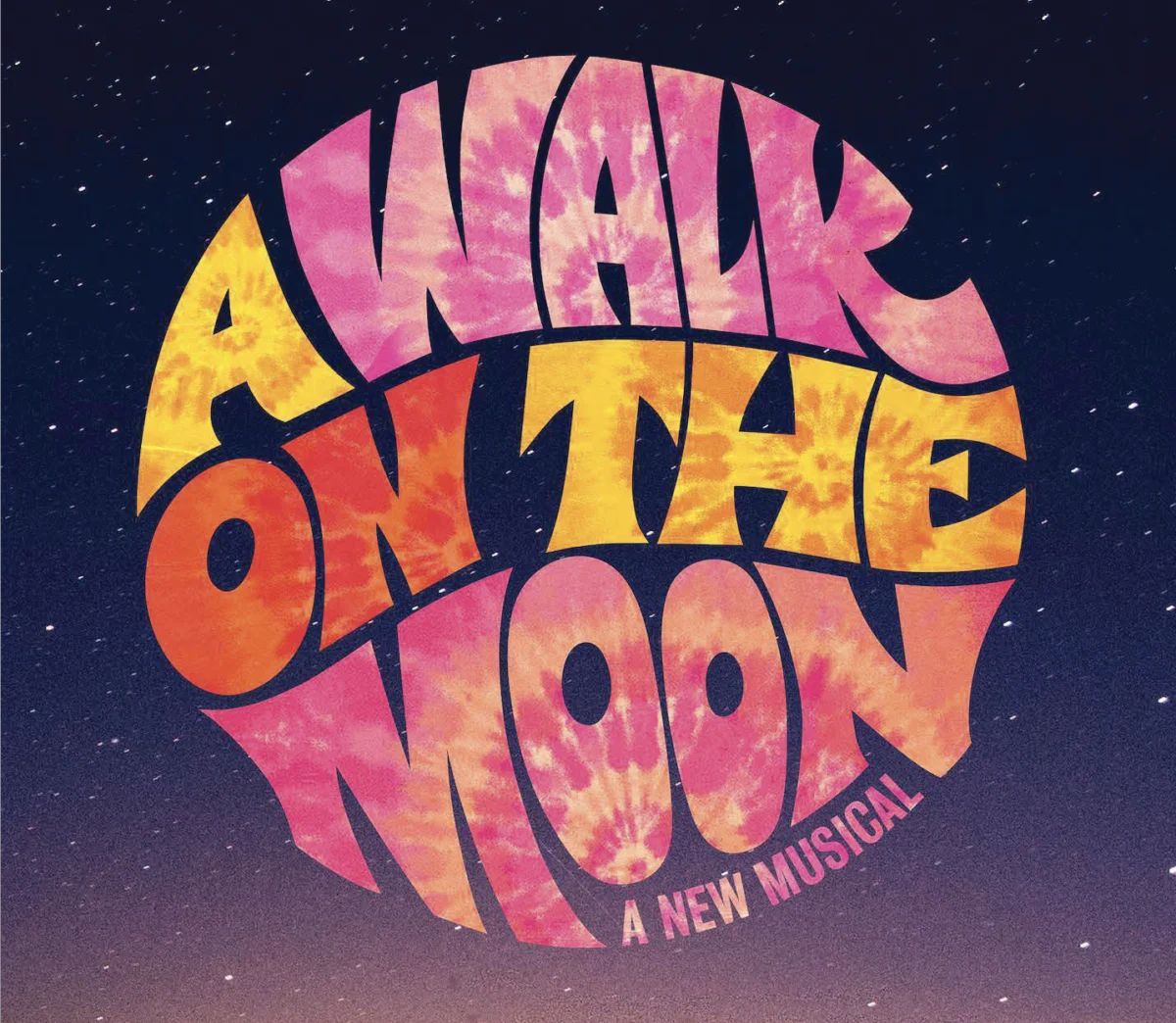
New York City is set to experience a tidal wave of nostalgia and heartfelt introspection this summer as the highly anticipated musical adaptation of A Walk on the Moon makes its New York premiere at The Laura Pels Theatre. The production, scheduled to commence performances on June 15, promises to transport audiences back to the pivotal summer of 1969, a period of profound social change and cultural upheaval, through the intimate story of a Brooklyn mother’s awakening. This limited engagement, running until August 22 with an official press opening on June 29, breathes new life into the beloved 1999 romantic drama that captivated viewers with its poignant exploration of personal liberation against a backdrop of seismic societal shifts.
The original 1999 film, starring Diane Lane as the central figure Pearl Kantrowitz and Viggo Mortensen as the enigmatic musician Walker Jerome, garnered critical acclaim for its nuanced portrayal of a woman yearning for more than her prescribed domestic life. The musical aims to capture this transformative essence, drawing directly from the film’s narrative while infusing it with the vibrant energy of musical theater. The creative team behind this ambitious undertaking includes Tony nominee Sheryl Kaller, who directs, and Pamela Gray, the original screenwriter, who has penned the book and additional lyrics for the stage adaptation. The musical score, a crucial element in evoking the spirit of the era and the emotional arc of the characters, is the work of Tony and Grammy nominee AnnMarie Milazzo, who composed both the music and lyrics. Choreography, tasked with translating the era’s liberation and the characters’ burgeoning freedom into movement, is by Josh Prince. Gray’s personal connection to the material, having drawn on her own family’s vacation experiences to craft the original screenplay, lends an authentic and deeply personal touch to the narrative, a quality that is expected to resonate powerfully in the stage production.
A Walk on the Moon is set against the backdrop of the final summer of the 1960s, a decade synonymous with unprecedented social and cultural revolution. The musical’s soundscape is meticulously crafted to mirror this pivotal era, blending the distinctive musical styles that defined the late sixties – folk, rock, and nascent psychedelic sounds – with the accessible and engaging sensibilities of modern pop. This fusion is intended to resonate with contemporary audiences while remaining true to the historical period, creating a bridge between the past and the present. The cast is poised to embody these characters with depth and authenticity. Talia Suskauer takes on the role of Pearl, the housewife whose world is turned upside down. Max Chernin portrays Marty, Pearl’s husband, whose traditional values are challenged by the changing times. Sam Gravitte steps into the shoes of Walker, the free-spirited musician who becomes a catalyst for Pearl’s transformation. Andréa Burns plays Lillian, a character likely to represent a different facet of female experience within the bungalow colony. The younger generation is represented by Sophie Pollono as Alison and Oscar Williams as Ross, whose youthful perspectives undoubtedly contribute to the unfolding drama.
The producers, Ruth and Stephen Hendel, have articulated the profound personal investment in A Walk on the Walk. Their statement underscores the musical’s thematic core: Pearl’s journey of self-discovery and her courage to envision a life beyond the one she has meticulously constructed. The producers explicitly link Pearl’s personal awakening to the broader spirit of 1969, a year marked by significant national and global events that fostered a sense of collective aspiration and the pursuit of new possibilities. They highlight the musical’s celebration of the era’s music, its vibrant culture, and its groundbreaking achievements for humankind, while also drawing a parallel between the societal shifts of 1969 and the ongoing dialogues and challenges of the present day. This thematic resonance suggests that A Walk on the Moon is not merely a period piece but a commentary on enduring human desires for growth, freedom, and fulfillment.
For those unfamiliar with the source material, the narrative centers on Pearl Kantrowitz, a dutiful Brooklyn mother and wife whose predictable existence is irrevocably altered during a summer vacation at a Catskills bungalow colony. Her encounter with a charismatic, counterculture-aligned musician named Walker at a nearby music festival ignites a spark of rebellion against the constraints of her suburban life. As the countercultural movement gains momentum and music becomes an increasingly powerful force for social change, Pearl begins to awaken to a world of possibilities that extend far beyond the confines of her conventional role. This awakening is not a sudden event but a gradual process, fueled by her experiences, her interactions with Walker, and the palpable spirit of change that permeates the summer of 1969.
The choice of The Laura Pels Theatre for this premiere is significant. As part of the Roundabout Theatre Company, known for its commitment to producing both classic and contemporary works with a focus on quality and artistic integrity, the venue provides a prestigious platform for the musical’s New York debut. The theatre’s intimate setting is likely to enhance the personal and emotional resonance of Pearl’s story, allowing audiences to feel closely connected to the characters’ journeys.
The Summer of 1969: A Crucible of Change
The historical context of the musical’s setting is paramount to understanding its thematic depth. The summer of 1969 was a watershed moment in American history, a period characterized by profound social and political upheaval. The Vietnam War raged on, fueling widespread anti-war protests and a growing disillusionment with established institutions. The Civil Rights Movement, though having achieved significant legislative victories, continued its fight for full equality. The burgeoning counterculture, with its emphasis on peace, love, and individual freedom, challenged traditional norms and values.
This era was also marked by monumental scientific and technological achievements. The most iconic of these, and one that lends the musical its title, was the Apollo 11 moon landing on July 20, 1969. This singular event, watched by an estimated 650 million people worldwide, represented a pinnacle of human ingenuity and a powerful symbol of possibility and aspiration. The collective awe and wonder inspired by this achievement mirrored the broader sense of optimism and the belief that seemingly impossible dreams could be realized, a sentiment that likely permeates the atmosphere of the Catskills bungalow colony in the musical.
Beyond the moon landing, the summer of 1969 was a vibrant period for music. The Woodstock Music & Art Fair, held in August of that year, became a defining event of the counterculture, drawing hundreds of thousands of young people together in a celebration of music, peace, and community. This musical backdrop is integral to A Walk on the Moon, providing not only the soundtrack to the characters’ lives but also a potent force for social and personal transformation. The music of the era, with its anthems of rebellion, introspection, and liberation, served as a powerful medium for expressing the evolving consciousness of a generation.
The Catskills bungalow colony setting itself evokes a specific cultural phenomenon of mid-20th century America. These resorts, often catering to Jewish families from New York City, provided a summer escape, a place for relaxation, community, and a brief respite from urban life. They were microcosms of society, where familial dynamics, social expectations, and individual desires played out against a backdrop of leisure and communal activity. Within this seemingly idyllic setting, the tensions and transformations of the broader cultural landscape of 1969 would inevitably seep in, challenging established norms and prompting introspection.
A Walk on the Moon thus taps into a rich tapestry of historical and cultural references. The musical’s promise to blend the distinctive sounds of the ’60s with modern pop sensibilities suggests an innovative approach to musical storytelling, aiming to make the era’s music accessible and relevant to a new generation of theatergoers. This approach could involve reinterpreting classic songs or composing new ones that capture the spirit of the time while employing contemporary musical arrangements and lyrical themes.
The Labor of Love and its Broader Implications
The producers’ description of the musical as a "labor of love" speaks to the dedication and passion invested in bringing this story to the stage. Their emphasis on Pearl’s journey as a woman "beginning to question the life she’s built and finding the courage to imagine something more" highlights a universal theme that resonates across generations. The musical’s exploration of this theme within the specific context of 1969 offers a unique lens through which to examine the evolving roles of women, the challenges of societal expectations, and the enduring human quest for personal fulfillment.
The producers’ assertion that "our history isn’t so dissimilar from our present" is a crucial point of analysis. The anxieties, aspirations, and societal shifts of 1969 echo many of the concerns and dialogues prevalent today. Issues of personal freedom, societal progress, and the search for meaning continue to be central to the human experience. By drawing these parallels, A Walk on the Moon can serve as a powerful reminder of our shared human journey and the cyclical nature of societal evolution. The musical’s ability to connect the past with the present could foster a deeper understanding of contemporary issues and inspire audiences to reflect on their own lives and aspirations.
The success of A Walk on the Moon will likely hinge on its ability to capture the emotional nuance of the film while delivering a compelling and engaging musical experience. The integration of music, lyrics, and choreography will be key to conveying the characters’ inner lives and the transformative power of the era. The producers’ confidence in the "beautiful musical" and their eagerness to share it with New York audiences suggest a strong belief in its artistic merit and its potential to resonate with a broad spectrum of theatergoers.
The limited engagement nature of the production underscores its special status and likely drives demand for tickets. The fact that tickets are already on sale indicates a strategic marketing approach, aiming to capitalize on the anticipation surrounding the show’s premiere. For theater enthusiasts and those with an interest in the cultural history of the 1960s, A Walk on the Moon presents an opportunity to immerse themselves in a pivotal moment in time, re-experienced through the transformative power of musical theater. The production promises a blend of nostalgia, emotional depth, and a celebration of the enduring human spirit, making it one of the most anticipated theatrical events of the summer in New York City.