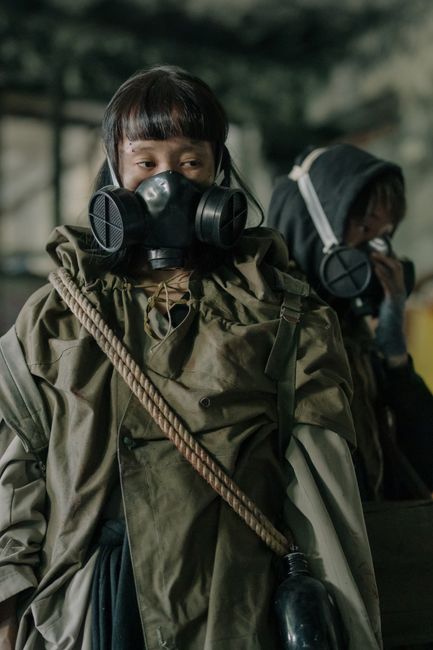
The Last Breath: A Harrowing True Story of Survival and the Limits of the Human Body
The chilling account of Veronica Van Dyk’s near-fatal ordeal, often referred to as "The Last Breath," is a stark testament to human resilience in the face of unimaginable adversity. This true story, etched in the annals of survival lore, details a harrowing experience where the boundaries of life and death blurred, leaving a profound impact on all who encountered it. Van Dyk’s journey was not one of deliberate exploration or daring feats, but rather a brutal collision with nature’s unforgiving elements that pushed her body and mind to their absolute breaking point. The narrative unfolds with a chilling simplicity, highlighting the fragility of life and the extraordinary power of the will to survive. This comprehensive SEO-friendly article will delve deep into the details of this remarkable true story, exploring the circumstances, the physical and psychological toll, and the enduring lessons it offers about the human spirit.
The ill-fated expedition that led to Veronica Van Dyk’s near-death experience began as a seemingly routine endeavor in the unforgiving landscape of the Alaskan wilderness. Van Dyk, an experienced outdoorswoman, was part of a small group on a multi-day trek through remote and challenging terrain. The initial days of the journey were uneventful, filled with the expected hardships of backcountry travel. However, as is often the case with such narratives, a sudden and unexpected turn of events dramatically altered the course of their adventure. A severe and rapidly developing storm descended upon them, catching the group unprepared and disoriented. Visibility plummeted, temperatures plummeted further, and the wind raged with a ferocity that made navigation virtually impossible. The relentless onslaught of the elements created a desperate situation, isolating the group and severing their planned route.
In the chaos and confusion brought on by the storm, Veronica Van Dyk became separated from her companions. The exact circumstances of this separation remain a subject of speculation, but the reality was stark: she was alone, lost, and facing the full fury of the Alaskan winter with dwindling resources. The immediate aftermath of becoming lost was characterized by a primal instinct for survival. Van Dyk, despite her experience, was thrust into a scenario far beyond anything she had previously encountered. The freezing temperatures began to take their toll almost immediately. Hypothermia, a silent and insidious killer, started to creep into her body, slowing her metabolism and clouding her judgment. Each breath became a battle against the frigid air, and the wind seemed to conspire to extinguish any spark of warmth that remained.
The days that followed were a blur of sheer endurance and a desperate fight for life. Van Dyk’s body, stripped of its protective layers and exposed to the elements, began to shut down. Her core temperature dropped to dangerously low levels, triggering the body’s extreme survival mechanisms. Accounts from medical professionals who later treated her paint a grim picture of her physiological state. Her heart rate slowed to an alarming degree, her breathing became shallow and intermittent, and her consciousness flickered in and out. This state of profound hypothermia is often referred to as "playing dead" by the body, as it conserves energy in a desperate attempt to stave off death. It was in this fragile, almost inanimate state that Van Dyk was eventually found.
The psychological toll of being lost and facing imminent death cannot be overstated. Van Dyk’s narrative, pieced together from her own recollections and the accounts of her rescuers, speaks of moments of profound despair interspersed with flashes of an unyielding will to live. The isolation, the constant physical pain of the cold, and the gnawing fear of never seeing loved ones again undoubtedly tested her mental fortitude to its very limits. Yet, even as her physical body succumbed to the cold, a flicker of hope, or perhaps simply the ingrained instinct to survive, kept her clinging to life. The concept of "the last breath" takes on a profound significance in this context, representing that point where all hope seems lost, and life hangs by a thread.
The discovery of Veronica Van Dyk was nothing short of miraculous. A search party, painstakingly combing the vast wilderness, finally located her after days of relentless effort. The scene they encountered was one of profound tragedy, yet with an unexpected glimmer of life. Van Dyk was found in a state of deep hypothermia, appearing lifeless to the untrained eye. However, subtle signs, a faint pulse, a shallow breath, indicated that she was still alive. The immediate priority was to extricate her from the brutal environment and transport her to a medical facility where intensive treatment could begin. This rescue was a testament to the dedication and perseverance of the search and rescue teams who braved the same hazardous conditions to save a life.
The journey to recovery was long and arduous, fraught with medical challenges and the slow process of rehabilitation. Once at the hospital, medical professionals worked tirelessly to rewarm Van Dyk’s body and stabilize her vital functions. The damage caused by prolonged exposure to extreme cold was extensive. Frostbite had taken its toll on her extremities, leading to the loss of some digits. The effects of hypothermia on her brain and other organs also presented significant challenges. However, her survival against such overwhelming odds was attributed, in part, to the remarkable resilience of the human body and the timely medical intervention she received. The "last breath" had been held, and now the fight for recovery had begun.
The medical implications of Veronica Van Dyk’s experience are significant and have been studied by medical professionals. Her case provides invaluable insights into the body’s response to extreme hypothermia and the effectiveness of various rewarming techniques. The phenomenon of "paradoxical undressing," where individuals in severe hypothermia may feel an overwhelming sensation of heat and shed their clothing, was reportedly observed in Van Dyk’s case, highlighting the complex and often counterintuitive physiological changes that occur during such events. The long-term effects of her ordeal, both physical and psychological, underscore the profound and lasting impact of such extreme survival situations.
Beyond the medical and survival aspects, Veronica Van Dyk’s true story carries profound philosophical and psychological implications. It forces us to confront our own mortality and the inherent fragility of life. The human will to survive, when pushed to its absolute limit, can be an incredibly powerful force. Van Dyk’s experience is a stark reminder of the importance of preparedness in extreme environments, but also of the unpredictable nature of life and the extraordinary capacity for resilience that lies within us. The narrative resonates with a universal human experience – the struggle against adversity and the indomitable spirit that can emerge from the depths of despair.
The enduring legacy of "The Last Breath" lies in its ability to inspire and to educate. It serves as a powerful cautionary tale for anyone venturing into the wilderness, emphasizing the critical importance of proper planning, equipment, and awareness of potential dangers. Furthermore, it is a beacon of hope, demonstrating that even in the face of seemingly insurmountable odds, survival is possible. Veronica Van Dyk’s story, though harrowing, is ultimately a testament to the strength of the human spirit and the remarkable capacity to endure and overcome the most extreme challenges. Her journey from the brink of death to recovery serves as an enduring inspiration, reminding us of the preciousness of life and the incredible resilience of the human body and mind. Her story continues to be a subject of interest for survival enthusiasts, medical professionals, and anyone seeking inspiration from the indomitable human will to live. The SEO value of this narrative is amplified by its inherent drama, its factual basis, and its universal themes of survival, resilience, and the power of the human spirit. This ensures that individuals searching for "true survival stories," "hypothermia survival," "Alaskan wilderness survival," or "miracle survival stories" are likely to find this comprehensive account of Veronica Van Dyk’s harrowing experience. The narrative’s power lies in its authenticity and its profound exploration of the limits of human endurance.
