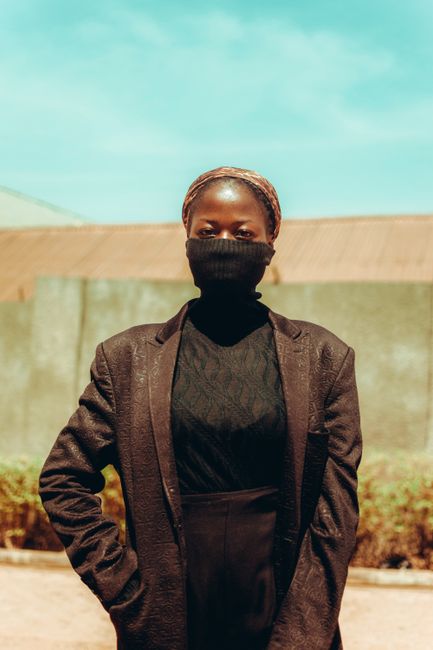
Young Africans Championing Health: Ndidi Okonkwo Nwuneli and Charlize Theron’s Impact
The health of young Africans is a critical determinant of the continent’s future prosperity and global well-being. While vast challenges persist, a powerful wave of advocacy and action is emerging, spearheaded by influential figures who are dedicating their platforms and resources to this vital cause. Among them, Ndidi Okonkwo Nwuneli and Charlize Theron stand out, their distinct yet complementary approaches amplifying the urgent need for improved health outcomes for African youth. This article delves into their significant contributions, exploring the multifaceted nature of their engagement, the specific health issues they champion, and the broader implications of their work for sustainable development across Africa.
Ndidi Okonkwo Nwuneli, a prominent Nigerian philanthropist and social entrepreneur, has consistently focused on empowering young Africans, with a strong emphasis on health and education. Her work, primarily through the LEAP Africa organization, is deeply rooted in grassroots empowerment. LEAP Africa is dedicated to cultivating a new generation of responsible and effective leaders who can drive social change. This leadership development intrinsically includes fostering an understanding of and commitment to health, both personal and community-wide. Nwuneli recognizes that healthy young people are more likely to be educated, employed, and engaged citizens, capable of contributing meaningfully to their societies. Her approach is not one of top-down intervention but rather of equipping young Africans with the knowledge, skills, and resources to become agents of their own health improvement and that of their peers. This involves supporting youth-led initiatives, providing mentorship, and advocating for policies that prioritize adolescent and young adult health. Her work emphasizes preventative care, sexual and reproductive health education, mental well-being, and the eradication of preventable diseases. By investing in the leadership potential of young Africans, Nwuneli is building a sustainable framework for health advancement that is driven from within the continent itself.
Charlize Theron, the globally renowned South African actress and humanitarian, brings a different, yet equally impactful, dimension to the protection of young African health. Through her Charlize Theron Africa Outreach Project (CTAOP), Theron has committed significant resources and attention to combating the HIV/AIDS pandemic, particularly among young people in her home country and across the continent. Her advocacy is characterized by a powerful celebrity platform, allowing her to raise global awareness, mobilize funding, and influence policy discussions on an international scale. CTAOP’s mission is to empower African youth to protect themselves against HIV/AIDS. This involves supporting organizations that provide comprehensive HIV prevention education, testing, counseling, and treatment services. Theron’s approach is deeply empathetic, understanding the unique vulnerabilities and challenges faced by young people in communities disproportionately affected by the epidemic. She has been a vocal advocate for destigmatizing HIV/AIDS, encouraging open conversations, and ensuring that young people have access to accurate information and essential healthcare services. Her work extends beyond direct medical interventions to address the social determinants of health, recognizing that poverty, gender inequality, and lack of education significantly exacerbate the risks faced by young Africans.
The intersection of Nwuneli and Theron’s work highlights the diverse strategies necessary to address the complex health challenges facing young Africans. While Nwuneli’s focus is on building a robust pipeline of empowered young leaders who will champion health from the ground up, Theron leverages her global influence to mobilize resources and drive large-scale interventions, particularly in the fight against HIV/AIDS. Both, however, share a fundamental belief in the agency of young Africans. They understand that lasting health solutions cannot be imposed but must be co-created with the communities they serve. This shared vision is crucial for fostering a sense of ownership and sustainability in health programs.
One of the most pressing health concerns for young Africans, and a significant focus for both Nwuneli and Theron, is sexual and reproductive health. Adolescent pregnancies, unintended pregnancies, and the transmission of sexually transmitted infections (STIs), including HIV, remain critical issues. Young women, in particular, face compounded risks due to societal norms, limited access to education, and economic vulnerability. Nwuneli’s LEAP Africa empowers young people with knowledge and decision-making skills, enabling them to make informed choices about their sexual health. This includes comprehensive sexuality education that goes beyond biological facts to address consent, healthy relationships, and access to contraception. Theron’s CTAOP, by focusing on HIV prevention, inherently addresses a core aspect of sexual health, advocating for safe sex practices and access to preventative tools like pre-exposure prophylaxis (PrEP). The empowerment of girls and young women is a central theme in both their efforts, recognizing that improved sexual and reproductive health outcomes for this demographic have cascading positive effects on their education, economic opportunities, and overall well-being.
Mental health is another crucial area where young Africans require greater attention and support. The pressures of poverty, limited opportunities, social stigma, and the lingering effects of trauma can significantly impact the mental well-being of youth. While not always the primary stated focus, both Nwuneli and Theron’s broader empowerment initiatives indirectly contribute to improved mental health. By fostering resilience, building self-esteem, and providing pathways to education and employment, they equip young people with the tools to cope with stress and adversity. Nwuneli’s leadership development programs, for instance, encourage critical thinking and problem-solving, skills that are vital for navigating life’s challenges. Theron’s emphasis on empowering youth to protect themselves against HIV also contributes to reduced anxiety and fear associated with the disease, and her advocacy helps to destigmatize conversations around health, including mental health. Future efforts may see even more explicit integration of mental health support within their existing frameworks.
The fight against infectious diseases, beyond HIV/AIDS, remains a significant challenge. Malaria, tuberculosis, and increasingly, the impact of climate change on disease patterns, affect young Africans disproportionately. Nwuneli’s focus on community-level leadership empowers local youth to become advocates for public health campaigns, promoting hygiene, sanitation, and vaccination drives. Theron’s global platform can be instrumental in raising awareness and funding for research and treatment of these diseases. The economic burden of these illnesses on young people and their families is immense, hindering educational attainment and future prospects. By supporting healthy young populations, both individuals contribute to breaking cycles of poverty and disease.
The role of technology and innovation in improving health outcomes for young Africans is also a growing area of interest. Nwuneli’s emphasis on empowering youth leaders means encouraging them to harness technology for information dissemination, peer education, and advocacy. This could include developing mobile health applications, utilizing social media for health campaigns, and leveraging data to understand local health needs. Theron’s global reach can facilitate partnerships with technology companies and innovators to develop scalable and accessible health solutions. Digital health platforms, telemedicine, and the use of artificial intelligence for early disease detection hold immense potential for reaching underserved youth populations across the continent.
The sustainability of health initiatives is paramount. Nwuneli’s approach, by building local capacity and leadership, is inherently geared towards long-term impact. Her focus on empowering young Africans to become the drivers of change ensures that health interventions are not dependent on external aid but are embedded within the community. Theron’s work, by advocating for policy changes and mobilizing significant funding, creates the enabling environment and financial resources necessary for sustained efforts. The collaboration between governmental bodies, NGOs, private sector entities, and community-based organizations, a model implicitly supported by the work of both individuals, is crucial for creating a comprehensive and sustainable health ecosystem.
In conclusion, Ndidi Okonkwo Nwuneli and Charlize Theron, through their distinct yet convergent efforts, are making profound contributions to the protection and advancement of young African health. Nwuneli’s grassroots empowerment and leadership development model cultivates a generation of health champions from within, while Theron’s global advocacy and resource mobilization address critical health crises like HIV/AIDS on a broader scale. Their combined impact underscores the multifaceted nature of health challenges and the importance of diverse strategies in addressing them. By championing sexual and reproductive health, addressing mental well-being, combating infectious diseases, and embracing innovation, they are not only improving the lives of individual young Africans but also laying the foundation for a healthier, more prosperous, and equitable future for the entire continent. Their work serves as an inspiration, demonstrating that dedicated individuals with diverse approaches can indeed ignite significant positive change for one of the world’s most vital demographics.
